
页岩革命

Search documents
油价不跌反涨!OPEC+放弃“精准控价”,转而开打市场份额战
Jin Shi Shu Ju· 2025-07-09 05:23
Group 1 - OPEC+ plans to increase oil production in August, yet oil prices have risen to a two-week high, indicating a complex market dynamic [1][2] - Internal disagreements within OPEC+ regarding production quotas are intensifying, leading to a global market share competition [1][2] - The increase in production for August is significantly larger at 54.8 thousand barrels per day compared to previous months' increases of 41.1 thousand barrels per day [1] Group 2 - The U.S. has seen a slowdown in drilling activities, with the number of active rigs dropping to 425, the lowest since October 2021 [3] - OPEC+ is leveraging this situation to increase production, aiming to force marginal producers out of the market [2][3] - The geopolitical tensions surrounding Iran have also influenced oil prices, with Brent crude experiencing a significant rise and subsequent fall due to military actions and ceasefire agreements [4] Group 3 - Despite recent increases, WTI crude prices have still fallen by 4.7% year-to-date, reflecting ongoing volatility in the oil market [4] - The easing of trade and inflation concerns since April has provided support for oil prices, as global economic outlooks improve [4]
特朗普刚挂电话,白宫就收到噩耗,1800万桶原油,被中国拒之门外
Sou Hu Cai Jing· 2025-06-11 02:32
Group 1 - China has not purchased US crude oil for two consecutive months, leading to a significant drop in US crude oil exports, which fell to 3.883 million barrels per day by the end of April, the lowest since 2020, a 4% month-on-month decrease [1][3] - In the same period last year, China imported 297,000 barrels of crude oil per day from the US, which was three times the current import volume [1] - The US has imposed high tariffs on Chinese imports, with crude oil and LNG tariffs reaching 94% and 99% respectively, resulting in a sharp decline in US oil exports to China [1][3] Group 2 - The US has lost approximately 18 million barrels of crude oil export orders in just two months, translating to a loss of several billion dollars based on current oil prices [3] - The US government has taken retaliatory measures against China, including restrictions on exports of key equipment and products related to nuclear power plants, as part of a broader strategy to pressure China [3] - The US Treasury Secretary emphasized that tariffs will be imposed on "dishonest negotiators," raising concerns about potential impacts on demand expectations [5] Group 3 - The US shale revolution has significantly increased domestic oil and gas production, improving trade balance and reducing reliance on foreign suppliers [5] - Recent data shows a decrease in the number of active oil drilling rigs in the US, with a reduction of 10 rigs to 553, and major oil companies have announced significant job cuts globally [7] - Despite the challenges, employment in the US energy sector remains relatively stable this year, although capital expenditure budgets for major shale oil producers have been cut by approximately $1.8 billion [7]


石油高管敲警钟:美国页岩油繁荣时代将终结
Sou Hu Cai Jing· 2025-05-26 06:40
Group 1 - The U.S. oil industry is facing a downturn as producers adjust strategies due to tariffs and falling oil prices, signaling the end of a decade-long shale oil boom [1][2][3] - OPEC+ unexpectedly decided to increase oil production, exacerbating the low state of the U.S. oil industry and raising concerns about a new price war, leading analysts to lower production forecasts [2][3] - U.S. oil production is projected to decline by 1.1% next year to 13.3 million barrels per day, marking the first annual drop in a decade, excluding the pandemic-related decline in 2020 [2][3] Group 2 - The shale oil boom previously enhanced U.S. economic growth, GDP, and job markets, while also reducing dependence on OPEC members [3][4] - The current outlook for U.S. oil companies is grim, with potential further declines in production if oil prices continue to fall [5][7] - Major oil companies are beginning to lay off employees, with Chevron and BP announcing a total of 15,000 job cuts globally, although employment in the U.S. oil sector remains relatively stable this year [8] Group 3 - Some large producers are cutting capital expenditure budgets, with the top twenty shale oil producers reducing their 2025 budgets by approximately $1.8 billion, a 3% decrease [8] - Companies are being forced to tighten spending and focus on maintaining free cash flow to appease investors, with dividends becoming a priority [10]
“美国石油产量可能已经见顶”,英媒:石油行业高管警告美国“页岩繁荣”即将结束
Huan Qiu Wang· 2025-05-26 04:13
Group 1 - The article highlights that U.S. oil companies are cutting spending and reducing the number of active drilling rigs due to increased costs from tariffs on steel and aluminum, and falling oil prices, signaling the potential end of a decade-long shale boom [1][3] - OPEC+ unexpectedly decided to increase oil production, exacerbating the downturn in the U.S. oil market and raising concerns about a new price war, leading analysts to lower production forecasts [3] - The Dallas Federal Reserve's quarterly energy industry survey indicates that shale oil producers need oil prices to reach $65 per barrel to break even, while current prices have dropped to $61.53 per barrel, approximately 23% lower than this year's peak [3] Group 2 - The article notes that the decline in production will end significant growth in the U.S. energy sector, which has benefited from the shale revolution that provided cheap oil and gas, improved trade balance, and reduced dependence on foreign suppliers [3] - Former CEO of Pioneer Natural Resources, Scott Sheffield, stated that if oil prices fall to $50 per barrel, U.S. oil production could drop by 300,000 barrels per day, exceeding the total production of some smaller OPEC members [4] - Data from Baker Hughes shows that the number of active U.S. land oil rigs decreased by 10 to 553, down 26 from the same time last year, indicating a decline in drilling activity [4]
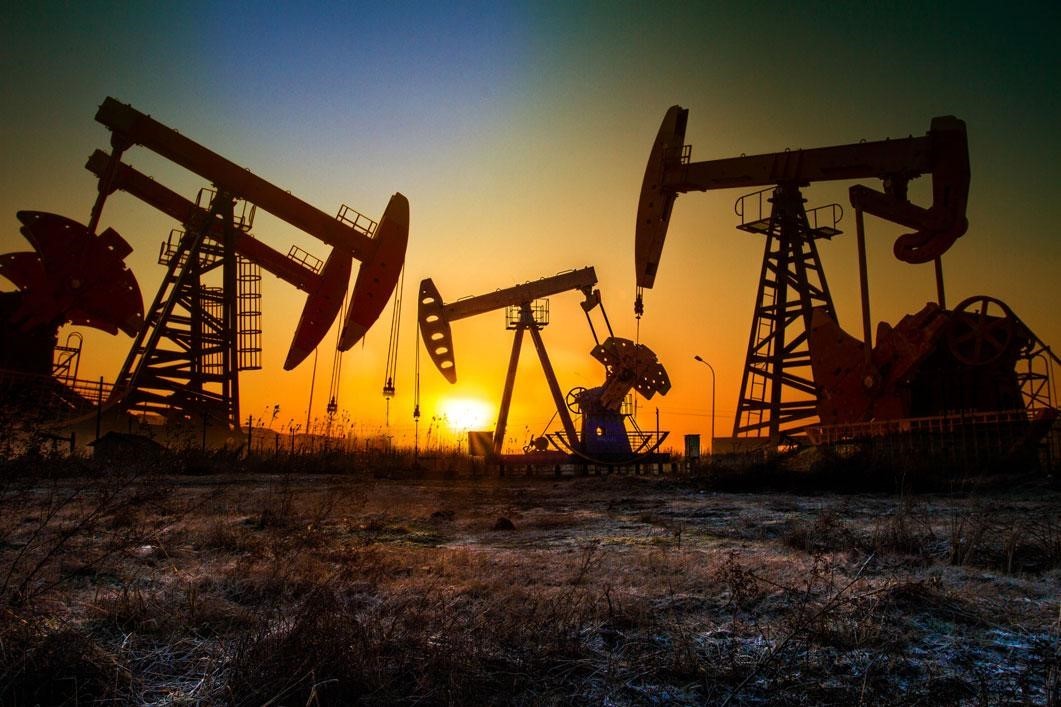
中美关税大幅调降,如何影响中国自美国进口石油和天然气
Di Yi Cai Jing· 2025-05-13 15:10
Group 1 - The recent joint statement from China and the US commits to reducing tariffs imposed since April 2025 to 10%, while suspending an additional 24% tariff for 90 days [1] - China continues to impose tariffs on certain US imports, including a 20% tariff on US crude oil and a 25% tariff on LNG [1][2] - In 2024, China's total imports of US crude oil and LNG are projected to be around 60 billion yuan, with US crude oil accounting for only 1.74% of China's total crude oil imports [2] Group 2 - The imposition of tariffs has led to a significant reduction in China's purchases of US energy products, with imports of US crude oil dropping by 54%, 76%, and 70% in the first three months of the year [2] - Analysts suggest that the ongoing tariffs will hinder the recovery of US energy imports to China, as buyers seek diversified sources for energy commodities [2] - The current tariff situation is causing Chinese buyers to remain cautious regarding US LNG imports, despite competitive pricing [3] Group 3 - The announcement of mutual tariff reductions is expected to positively impact the international oil and gas market, improving global economic outlook and market sentiment [3] - China's domestic natural gas production and pipeline imports from Russia are anticipated to fill the gap left by reduced US LNG imports [3]
美国页岩油产量或已见顶 Diamondback Energy(FANG.US)CEO警告该国能源安全或面临风险
智通财经网· 2025-05-06 22:20
Group 1: Core Insights - Diamondback Energy's CEO Travis Stice indicated that U.S. onshore oil production may have peaked and is expected to decline this quarter due to a significant drop in oil prices, which have decreased by approximately 17% since the beginning of the year [1][2] - The current oil price levels, adjusted for inflation, have only been seen in two quarters since 2004, excluding the unusual fluctuations during the COVID-19 pandemic in 2020 [1] - The decline in industry activity is a clear signal of the trend towards reduced production, with the number of active drilling rigs in the U.S. decreasing by 15% this year, and a 20% reduction in the Permian Basin [2] Group 2: Company Adjustments - In response to market changes, Diamondback Energy has reduced its annual capital expenditure budget by approximately $400 million, adjusting it to between $3.4 billion and $3.8 billion [3] - The company is facing increased drilling costs due to steel tariffs imposed by the Trump administration, which are raising costs by about 1% annually, equating to $40 million [3] - Diamondback Energy plans to drill between 385 and 435 wells this year, with completion numbers expected to be between 475 and 550 [3]
