AI学习

Search documents
记者调查|AI智习室一年新增4000余家,个性化训练真有效吗
Qi Lu Wan Bao· 2025-07-11 09:31
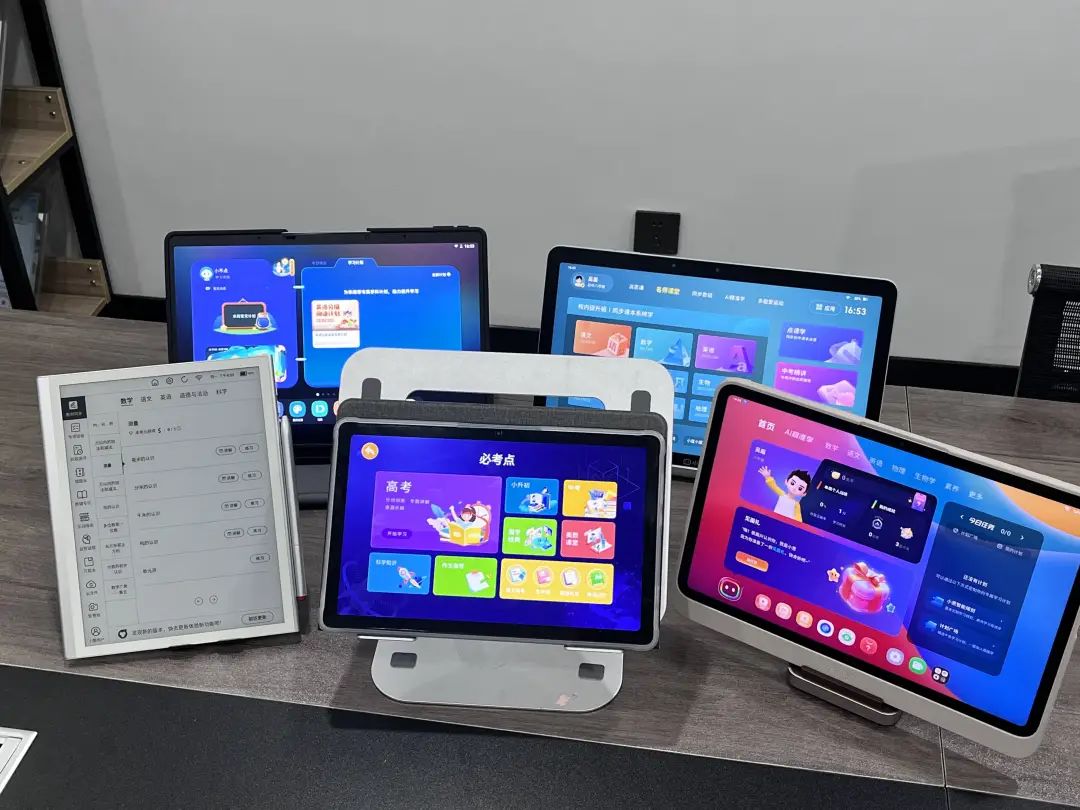
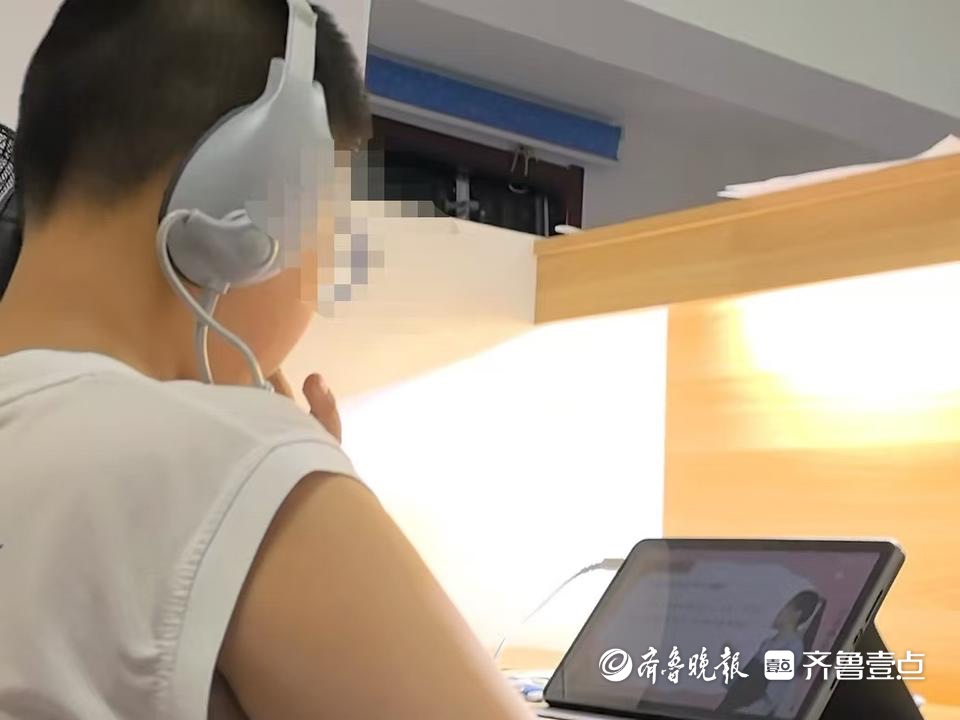
Core Viewpoint - The emergence of "AI Smart Study Rooms" has been noted, with over 4,000 such establishments registered in the past year, utilizing intelligent learning systems alongside offline supervision and management services [1] Group 1: Business Model and Operations - AI Smart Study Rooms typically require students to undergo an online test before using the provided learning machines for study, covering educational content from elementary to high school [2][4] - The pricing for services varies, with packages ranging from 100 yuan per session to 18,800 yuan per year, often including a learning machine valued at 5,780 yuan [4][11] - The cost of acquiring the learning machines is approximately 1,500 yuan each, with operators having the flexibility to set their own pricing [5] Group 2: Educational Effectiveness and Parental Feedback - Parents have mixed opinions on the effectiveness of AI Smart Study Rooms, with some reporting improvements in their children's academic performance while others express concerns about the lack of direct teacher interaction [6][10] - The reliance on technology for learning, primarily through repetitive exercises, raises questions about the development of students' independent learning abilities [7] Group 3: Regulatory Environment - Current regulations do not classify AI Smart Study Rooms as formal academic training institutions, allowing them to operate in a gray area of educational services [7][9] - Previous incidents of regulatory scrutiny have highlighted concerns over these establishments potentially engaging in disguised academic training, prompting calls for clearer guidelines [9]

实测AI解题:答案摇摆,一质疑就改口!孩子使用如何引导?
Nan Fang Du Shi Bao· 2025-06-25 09:07
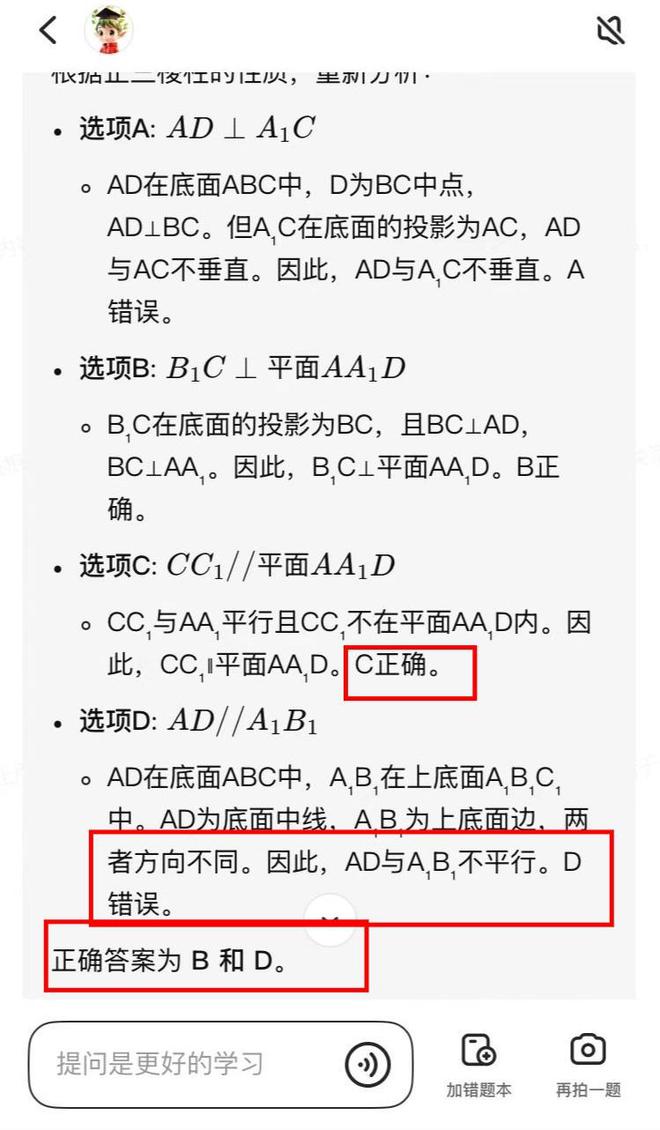
Core Viewpoint - The rapid integration of generative AI into the lives of minors presents both opportunities and significant risks, particularly in educational contexts where reliance on AI for homework and learning is growing [1][2][10]. Group 1: AI in Education - Generative AI tools are increasingly being used for homework assistance, personalized tutoring, and essay writing, leading to concerns about over-reliance on these technologies by students [2][10]. - A recent evaluation of 10 mainstream AI applications revealed that while accuracy is generally high for elementary and middle school questions, errors become more frequent with high school-level problems [3][4]. - Instances of AI providing multiple conflicting answers to the same question highlight the unreliability of these tools, with some applications changing their responses based on user prompts [4][9]. Group 2: Risks of Over-Reliance - The phenomenon of students depending on AI for homework has led to concerns about diminished critical thinking and problem-solving skills, with some students being labeled as "search party" for their reliance on AI [10][15]. - Teachers have observed that AI-generated content often lacks depth and originality, raising alarms about the impact on students' learning processes [10][15]. - The absence of a youth mode in many AI applications raises questions about the appropriateness of direct answers being provided to minors, with only a few applications implementing parental verification systems [10][11]. Group 3: Regulatory and Developmental Considerations - The Chinese Ministry of Education has issued guidelines prohibiting students from directly copying AI-generated content for assignments and exams, emphasizing the need for differentiated application based on educational stages [14][15]. - Experts suggest that fostering students' exploration, innovation, and critical thinking skills is essential in the age of AI, advocating for parental guidance and control over AI usage among minors [15]. - Companies are encouraged to develop content suitable for minors and to establish clear boundaries regarding what AI can present to young users [15].
32所!教育部拟同意设置这些“新大学”!
仪器信息网· 2025-05-22 05:52
Core Viewpoint - The Ministry of Education is proposing the establishment of 32 new educational institutions across various provinces in China, which reflects ongoing efforts to enhance higher education accessibility and specialization in the country [1][2]. Summary by Sections New Institutions Established - The proposed new institutions include: - Anhui Second Medical College in Anhui Province - Fuzhou Medical College in Jiangxi Province - Tianjin Police College in Tianjin City - Qujing Health Medical College in Yunnan Province - Wuhu Vocational Technology University in Anhui Province - Ningxia Vocational Technology University in Ningxia Hui Autonomous Region - Chengdu Aviation Vocational Technology University in Sichuan Province - And several others across various provinces [2][4]. Name Changes of Existing Institutions - Several existing institutions are set to undergo name changes, including: - Nanchang Engineering College to Jiangxi Water Resources and Electric Power University - Xinxiang Medical College to Henan Medical University - Jilin Chemical College to Jilin Chemical University - Tianshui Normal College to Tianshui Normal University [2][4]. Public Notice Period - The public notice period for these proposed changes is from May 22, 2025, to May 28, 2025. During this time, the public is invited to submit any objections or comments regarding the establishment of these schools [4].

火爆的学习机,还能卖多久?
3 6 Ke· 2025-04-19 05:45
Core Insights - The article discusses the rapid growth of the smart learning machine market in China, projecting a market size of 27.072 billion yuan in 2024, with a year-on-year growth of 48.27% [4] - It highlights the increasing sales and market share of various brands, particularly focusing on the dominance of companies like Zuoyebang and Xueersi in the market [4] Market Growth - The smart learning machine market in China is expected to exceed 50 billion yuan by 2027, with a potential to surpass 30 billion yuan in 2025 [4] - In January 2025, sales reached 288,000 units, a year-on-year increase of over 22.6%, with sales revenue nearing 1 billion yuan, marking a three-year high [4] Brand Performance - Zuoyebang leads the market with a 31.8% share, followed by Xueersi at 20.9% and Xiaoyuan at 11.7% [4] - Zuoyebang's sales grew by 500% compared to the same period in 2024, while Xueersi and Keda Xunfei saw increases of 81.6% and 26%, respectively [4] User Engagement - Despite the market growth, approximately 70% of learning machine users engage with their devices less than three times a month, and over 40% of devices are completely unused six months post-purchase [14] - The article questions the effectiveness of learning machines in improving academic performance, suggesting that they primarily serve as video courses and question banks [15] Consumer Behavior - The article outlines a typical usage pattern for children, starting with initial excitement, followed by a decline in engagement, often leading to the device being set aside [18] - It emphasizes that parents should not outsource educational responsibilities to learning machines, as true education requires active involvement [20]