AI生成内容

Search documents
广西的南宁下雪了?气象专家回应了......据说,2026年首个“回南天”即将光临!!!
Xin Lang Cai Jing· 2026-01-22 11:00
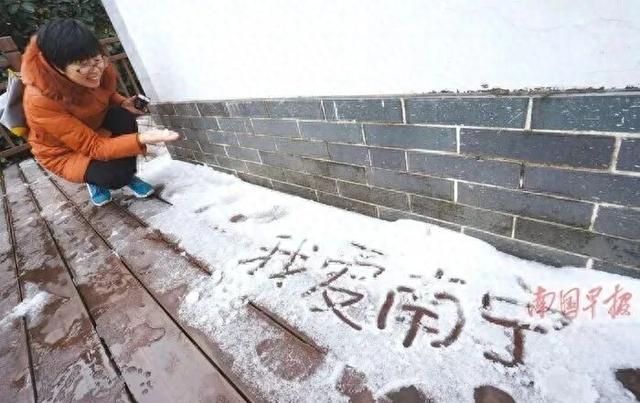
Core Viewpoint - The recent snowfall reports in Nanning, Guangxi, have been clarified as misleading, with actual conditions being light rain rather than snow, and many images circulating online are likely AI-generated [9][11]. Weather Conditions - Nanning experienced excitement over perceived snowfall, with many residents sharing videos and images of the supposed snow [3][4]. - The Guangxi Meteorological Department confirmed that the conditions were not suitable for snow, indicating that the visuals were likely created under specific lighting conditions during rain [7][9]. AI-Generated Content - The chief forecaster from the Guangxi Meteorological Department emphasized that the beautiful snow scenes circulating online are mostly unmarked AI-generated images [9]. - The National Internet Information Office has mandated that AI-generated content must be clearly labeled to avoid legal issues, urging the public to be cautious about unverified information [11]. Upcoming Weather Forecast - The region is expected to see a warming trend, with temperatures in Nanning projected to rise above 15°C, leading to a "return of damp weather" phenomenon [13]. - The cold wave is subsiding, and while southern regions will experience stable warming, northern areas will see a slower and more variable temperature increase [13].

新大众文艺,如此动人“新”在哪?
Xin Lang Cai Jing· 2026-01-21 19:35
Core Viewpoint - The rise of "new popular literature" is characterized by grassroots creativity and ecological aesthetics, driven by the internet and the democratization of artistic expression, allowing both professional and non-professional creators to engage in literary and artistic endeavors [8][9][10]. Group 1: Characteristics of New Popular Literature - New popular literature is distinguished by its accessibility and the ability for diverse creators to participate, moving away from traditional professional artist-centric models [8]. - The proliferation of technology and social media platforms has lowered barriers to entry for artistic creation and dissemination, enabling a wide range of expressions from everyday individuals [9]. - The new life experiences and emotional encounters arising from rural revitalization and urbanization provide fresh material for creators, making their works more relatable and innovative [9]. Group 2: Appeal of New Popular Literature - The authenticity derived from real-life experiences resonates deeply with audiences, as creators draw from their familiar environments and emotions [10]. - The unembellished expression of genuine feelings in new popular literature contrasts with the often formulaic and superficial nature of mainstream media, making it more appealing to contemporary audiences [10][11]. - Artistic expressions rooted in everyday life not only evoke reflection and emotion among audiences but also inspire established artists with new ideas [11]. Group 3: Sustainability of New Popular Literature - The vitality of new popular literature lies in its connection to real-life experiences, which fosters empathy and emotional engagement [12]. - To maintain quality and avoid mediocrity, creators must focus on themes of truth, goodness, and beauty, celebrating familial bonds and the richness of everyday life [12]. - Social media algorithms should support the visibility of new popular literature, allowing outstanding works to gain recognition and thrive [12].

警惕AI生成对实体出版物的污染
Xin Lang Cai Jing· 2026-01-19 18:11
Group 1 - The core issue highlighted is the infiltration of AI-generated content into physical publications, raising concerns about the authenticity and trustworthiness of printed materials [1][2] - A recent incident involved a photography book containing AI-generated images with noticeable errors, such as characters with six fingers, which the publisher failed to identify during the review process [1] - The article emphasizes the need for clear labeling of AI-generated content in physical publications to ensure transparency and inform readers, thereby enhancing their ability to discern inaccuracies [2] Group 2 - The discussion points to a broader need for vigilance regarding the quality and accuracy of AI-generated content in professional fields, suggesting that editors may lack the necessary expertise to evaluate such content effectively [2] - The text argues for a shift in perception regarding the value of printed materials post-AI emergence, advocating for a more critical approach to content verification [1][2] - It is suggested that understanding and engaging with AI-generated content is essential for effectively utilizing it in the realm of physical publications [2]
AI鉴别攻略全废,别数破折号了,97%的人根本分不清
3 6 Ke· 2026-01-19 07:41
Core Insights - The article discusses the evolution of AI in mimicking human writing styles, highlighting the challenges in distinguishing between AI-generated and human-written content. It emphasizes that traditional methods of identifying AI writing are becoming ineffective as AI continues to improve its capabilities [1][4][11]. Group 1: AI Characteristics and Detection Challenges - AI has learned to intentionally include typos and adopt a more human-like tone, making it harder to differentiate from human writing [1][4]. - Traditional indicators of AI writing, such as the use of parallel structures and specific phrases, are common in human writing as well, leading to confusion [2][4]. - Experts in the field have conflicting opinions on what constitutes AI writing, indicating a lack of reliable detection methods [4][11]. Group 2: Human Perception and AI Mimicry - A study revealed that most people struggle to distinguish between melodies created by humans and those generated by AI, suggesting that the perceived "human touch" in writing may be an illusion [6][8]. - An experiment showed that participants found AI-generated poetry more aligned with their expectations of good poetry, further complicating the identification of AI content [7][8]. Group 3: Contextual Understanding and Authenticity - The article suggests focusing on the context rather than the content itself to identify AI-generated messages, as AI struggles to create coherent personal backgrounds [9][10]. - Observing inconsistencies in a person's background or writing style can be a more effective method for detecting AI-generated content [10][15]. Group 4: Implications for Human Expression - The article argues that the prevalence of AI-generated content reflects a broader issue of human expression becoming formulaic and lacking individuality [11][13]. - It posits that the reliance on templates and safe writing practices in professional settings leads individuals to adopt algorithmic behaviors, diminishing their unique voice [15].
写真模特有6根手指?一摄影书大量使用AI生成图片,占比近50%!出版社致歉:将无条件退款
Mei Ri Jing Ji Xin Wen· 2026-01-15 08:28
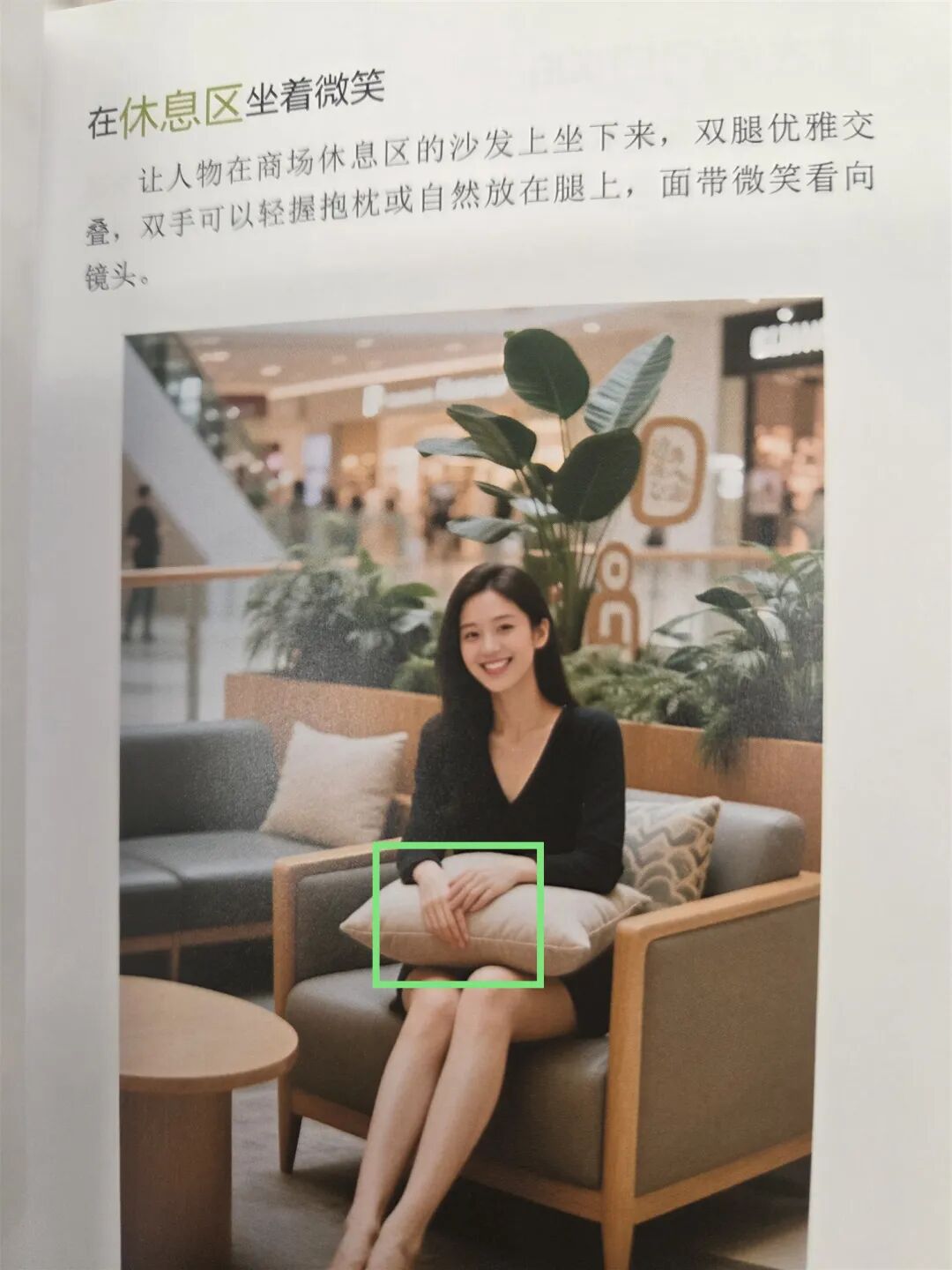
Core Viewpoint - The publication of the book "Portrait Photography Pocket Book" by People's Posts and Telecommunications Publishing House has faced significant criticism due to the presence of AI-generated images that contain serious quality issues, including anatomical errors such as six fingers and six toes [1][4][5]. Group 1: Quality Issues - The book contains a total of 159 images used to illustrate portrait photography techniques, with 75 images suspected to be AI-generated, accounting for nearly 50% of the total [1]. - The AI-generated images exhibit typical characteristics such as blurred facial details and unnatural lighting transitions, along with notable anatomical errors [1]. Group 2: Publisher's Response - The publisher has acknowledged the quality issues and is offering unconditional refunds to consumers [4]. - The publisher admitted that the author did not disclose the use of AI-generated images during the manuscript submission, which led to a failure in the review process [5]. Group 3: Market Impact - The book has been removed from shelves nationwide following a directive from the publisher due to quality concerns [5]. - Multiple official flagship stores of the publisher on e-commerce platforms have also taken down the book [5]. Group 4: Regulatory Context - The "Artificial Intelligence Generated Synthetic Content Identification Measures," effective from September 1, 2025, mandates that AI-generated images must be labeled accordingly [6]. - The book, published on November 1, 2025, failed to comply with this regulation by not labeling the AI-generated images [6]. Group 5: Industry Perspectives - Experts in photography have criticized the use of AI-generated images in photography books, stating that it misleads readers and disrespects the profession [8]. - Recent controversies surrounding AI-generated content have been highlighted, including a photography competition where an AI-generated image won first place despite rules prohibiting such entries [10].
人像摄影书中有多张6指照片?出版社回应
Xin Lang Cai Jing· 2026-01-15 08:09
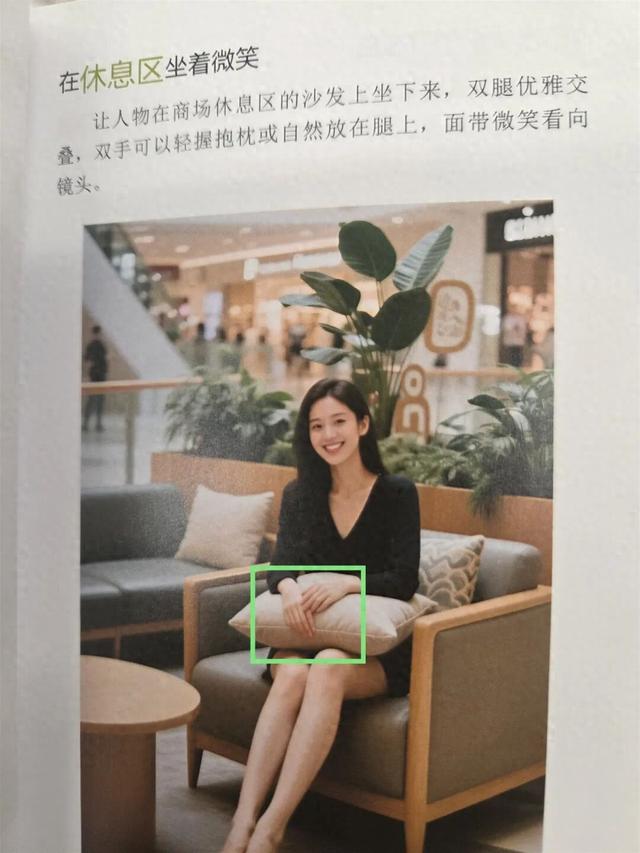
Core Viewpoint - The publication of the book "Portrait Photography Pocket Book" by People's Posts and Telecommunications Publishing House has faced significant criticism due to the presence of AI-generated images, which include notable errors such as characters with six fingers and six toes, raising concerns about quality and authenticity in photography education [1][6][10]. Group 1: Quality Issues - A total of 159 images were included in the book, with 75 images suspected to be AI-generated, accounting for nearly 50% of the total [1]. - The AI-generated images exhibit typical flaws, including blurred facial details and unnatural lighting transitions, alongside physiological inaccuracies like distorted hand positions [1]. Group 2: Publisher's Response - The publisher acknowledged the quality issues and offered unconditional refunds to consumers [6]. - The publisher admitted to a lapse in their review process, as the author did not disclose that some images were AI-generated, leading to a failure in proper oversight [6]. Group 3: Regulatory Context - Starting September 1, 2025, the "Artificial Intelligence Generated Synthetic Content Identification Measures" will require that AI-generated images include appropriate labeling, which the book failed to comply with as it was published on November 1, 2025 [9]. - The lack of labeling for AI-generated content in the book is a clear violation of upcoming regulations [9]. Group 4: Expert Opinions - An expert from Shandong Normal University criticized the use of AI-generated images in photography books, stating that it misleads readers and disrespects the photography profession by deviating from real shooting experiences [10]. - There is a call for the establishment of clear rules regarding the use of AI in creative industries to differentiate between "AI-assisted" and "AI-generated" content [10].
xAI因Grok生成儿童色情化照片招致抨击
Xin Lang Cai Jing· 2026-01-09 05:33
Core Viewpoint - Elon Musk is expanding the boundaries of speech restrictions on his social media platform X, facing increasing regulatory scrutiny globally due to concerns over the AI chatbot Grok's recent update that allows for the sexualized editing of photos, including those of children [1] Regulatory Response - Child safety oversight agencies and international regulators are taking action or considering next steps against Musk, with involvement from regulatory bodies in the EU, UK, France, Australia, Malaysia, India, and Brazil [1] - The phenomenon of AI-generated explicit images of children is reportedly experiencing explosive growth, prompting calls for legislative action [1] Legislative Action - U.S. Congresswoman Alexandria Ocasio-Cortez has urged Congress to pass a bill aimed at assisting victims of deepfakes, highlighting the urgency of the situation [1]
“不是...而是...”刷屏的一年,我读内容的快乐被AI偷走了。
数字生命卡兹克· 2026-01-06 01:21
Core Viewpoint - The article discusses the growing disdain for formulaic writing, particularly the "not A, but B" structure, which has become associated with AI-generated content and is perceived as lacking authenticity and depth [4][17][37]. Group 1: AI and Content Generation - The rise of AI-generated content has led to a proliferation of standardized writing styles, making it difficult for audiences to connect with the material on a personal level [20][25]. - Many people express frustration with content that appears to be generated by AI, as it often lacks the nuance and emotional connection that comes from human authorship [22][37]. - The article draws parallels between AI-generated content and pre-packaged food, suggesting that both are convenient but can feel disingenuous when presented as something more authentic [21][24]. Group 2: Writing Styles and Audience Reception - The "not A, but B" structure, once a useful rhetorical tool, has become a cliché due to its overuse, leading to a loss of its original impact [6][10]. - The article highlights that audiences are increasingly sensitive to the use of templates in writing, which can create a sense of disconnection and frustration [17][37]. - The historical context of rigid writing formats, such as the eight-legged essay, is used to illustrate how formulaic approaches can stifle creativity and genuine expression [11][14]. Group 3: Trust and Authenticity in Content - There is a growing distrust in online content, with surveys indicating that many people believe only a small percentage of what they read is accurate and created by real individuals [25][26]. - The article emphasizes the importance of authentic human connection in communication, suggesting that the current trend of industrialized content production undermines this connection [30][36]. - The author encourages readers to maintain their sensitivity to inauthentic content, as this awareness is crucial in an era dominated by AI and formulaic writing [39].
研究发现YouTube新用户推荐内容中逾两成是低质量AI视频
Xin Lang Cai Jing· 2025-12-28 02:57
Core Insights - Over 20% of videos recommended to new YouTube users are classified as "AI Slop," which refers to low-quality, clickbait-driven AI-generated content [1] Group 1: Research Findings - A study conducted by video editing company Kapwing analyzed 15,000 popular YouTube channels globally, identifying 278 channels that exclusively produce "AI Slop" content [1] - These identified channels have accumulated a total of 63 billion views and 221 million subscribers, generating an estimated annual revenue of approximately $117 million [1] Group 2: User Experience - A new account created by researchers revealed that out of the first 500 recommended videos, 104 were categorized as "AI Slop," indicating a significant presence of low-quality content aimed at attracting user attention for monetization [1]

中式肥皂剧征服美国后 中文在线的下一站:港股
BambooWorks· 2025-12-24 09:51
Core Viewpoint - The article discusses the rapid growth of Chinese online literature and its adaptation into short dramas, particularly in the U.S. market, highlighting the success of the platform ReelShort and the strategic move of the company Chinese Online to go public in Hong Kong [2][5][12]. Group 1: Company Overview - Chinese Online, a publicly listed company in A-shares, focuses on producing Chinese online literature content and has initiated plans for a Hong Kong listing [2][5]. - Established in 2000, the company is one of the earliest digital publishing enterprises in China, with a business scope that includes short drama platforms, online literature, and IP licensing [6]. Group 2: Market Trends - The adaptation of Chinese online literature into short dramas has gained significant traction in the U.S., with the platform ReelShort surpassing Netflix and TikTok in popularity, becoming a cultural phenomenon [3][7]. - The short dramas typically feature concise storytelling, lasting 30 to 90 seconds, and employ recognizable tropes like "marriage first, love later" and "class reversal," creating an addictive viewing experience [7]. Group 3: Financial Performance - ReelShort's parent company, Maple Leaf Interactive (CMS), has outperformed Chinese Online in revenue, achieving approximately 1.086 billion yuan in the first half of 2024, more than double Chinese Online's revenue of 460 million yuan during the same period [9]. - CMS's revenue surged 1.5 times to 2.76 billion yuan in the first half of this year, while Chinese Online's revenue grew by 20% to 556 million yuan [9]. - Despite CMS's revenue growth, it reported a loss of 46.51 million yuan in the first half of this year, attributed to increased investment and competition, impacting Chinese Online's investment income and leading to a 50.8% year-on-year increase in its losses to 226 million yuan [9][10]. Group 4: Strategic Developments - Since May 2023, Chinese Online has ceased consolidating CMS's financials, reducing its voting rights from 50.9% to 47.81%, allowing CMS to operate independently and encouraging market-driven financing [10][12]. - The establishment of another short drama platform, FlareFlow, has also seen rapid growth, with over 19 million downloads and more than 3,000 works launched by October [12]. - The integration of AI content generation with FlareFlow aims to enhance efficiency and create a synergistic effect between AI-generated content, short drama adaptations, and IP derivatives [12]. Group 5: Market Outlook - The popularity of Chinese short dramas has not translated into immediate financial success for Chinese Online, which has seen its stock price decline by approximately 3.9% this year, underperforming the market [13]. - Investors remain cautious due to the company's unproven profitability and the high costs associated with producing short dramas, raising concerns about the long-term value of rapidly produced content [13].