IP价值

Search documents
大行评级|大摩:泡泡玛特内在价值远超其拥有的IP,维持“增持”评级及目标价365港元
Ge Long Hui· 2025-08-06 07:56
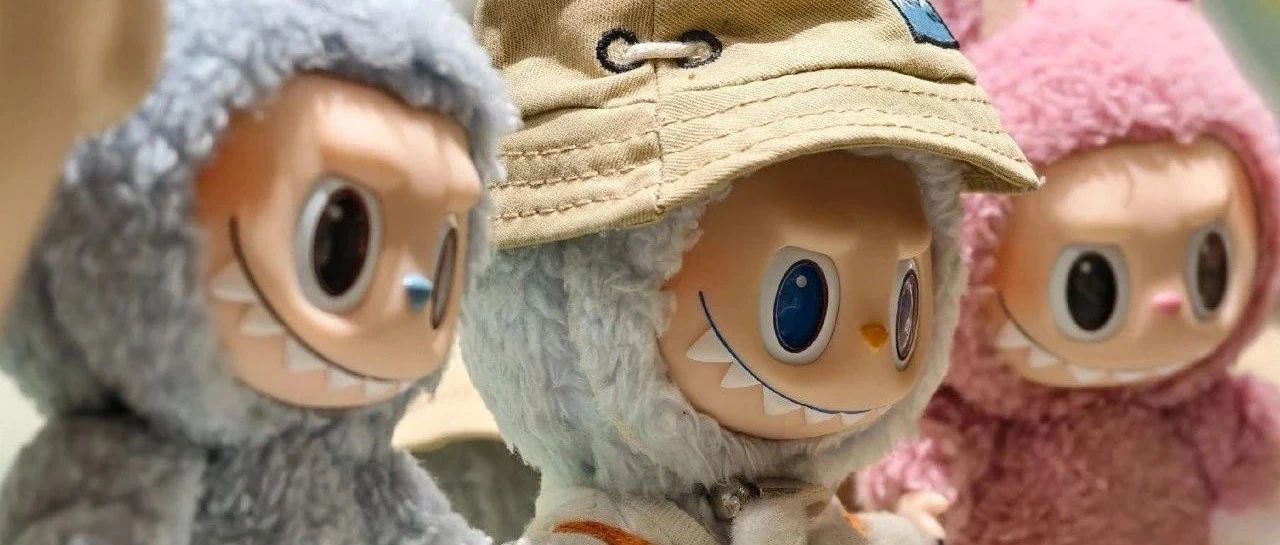
Core Viewpoint - Morgan Stanley's report highlights the potential growth and undervalued platform value of Pop Mart, particularly following their participation in the recent international toy exhibition in Beijing [1] Group 1: Product Performance - The Twinkle Twinkle product booth attracted significant crowds, with items such as figurines, artwork, bags, and accessories selling out quickly, indicating that Twinkle Twinkle could start contributing significantly to sales from 2024 onwards [1] - The Crybaby product line, including T-shirts, baseball caps, cushions, and slippers, was also well-received, with an average selling price exceeding 250 yuan [1] Group 2: Market Potential - Morgan Stanley believes that Pop Mart's platform value may be underestimated, noting that the company currently sells products in four regions, with its primary IP sources being Greater China, along with Crybaby from Thailand and Peach Riot from the United States [1] - There is significant potential for Pop Mart to tap into rich artistic resources in the United States, Europe, Japan, and Southeast Asia, suggesting that the company's IP and product portfolio will become more culturally diverse over the next 3-5 years [1] Group 3: Valuation and Rating - The intrinsic value of Pop Mart is considered to far exceed its current IP holdings, a point that the market has overlooked, leading Morgan Stanley to maintain an "overweight" rating with a target price of 365 HKD, which corresponds to a projected price-to-earnings ratio of 46 times for this year [1]

泡泡玛特证明了,情绪价值到底多值钱
经济观察报· 2025-06-11 05:38
Core Viewpoint - The emotional value is becoming a core aspect of consumer spending, with Pop Mart's success rooted in its deep exploration of IP value and emotional connection [1][5]. Group 1: Company Performance - Wang Ning, the founder of Pop Mart, has seen his wealth rise to $20.8 billion, ranking him 10th in China and 101st globally, with Pop Mart's stock price increasing by 174% this year and over 11 times since the beginning of 2024 [3]. - Pop Mart's LABUBU toy has become a global sensation, achieving sales of $6-7 million in the U.S. in April and topping the shopping charts on the Apple Store [4]. Group 2: Consumer Trends - The younger generation, particularly Gen Z, is shifting from functional needs to a focus on brand significance, aesthetic experience, and self-identity, indicating a saturation of material needs [5]. - Pop Mart capitalizes on this trend by creating a strong emotional connection through its products, utilizing blind box mechanisms to generate anticipation and scarcity to enhance desirability [5][6]. Group 3: Business Model and Strategy - Pop Mart is not merely selling products but is building a comprehensive emotional economy around its IP, expanding from blind boxes to various product categories, including toys, apparel, and even cultural content like films and theme parks [6]. - The company is likened to an "Eastern Disney," emphasizing that emotional value is now a core competitive advantage in a market characterized by information overload and excessive choices [6]. Group 4: Market Challenges - Despite its success, Pop Mart faces criticism for potentially exploiting young consumers' emotional spending and concerns about the sustainability of its business model, given the finite lifecycle of IPs [7]. - The transformation of trendy toys from niche interests to mainstream consumption reflects a pivotal moment in the new consumer era, highlighting the importance of understanding the needs of the younger generation for future business viability [8][9].