
中华民族共同体意识

Search documents
砥砺奋进七十载 天山南北谱华章|民族团结佳话代代传
Ren Min Ri Bao· 2025-09-14 09:45
秋日时节,新疆阿勒泰市红墩镇萨亚铁热克村的"户儿家"文化大院,各族群众身着绚丽的传统服饰齐聚 一堂,欢歌笑语不断。 走进"户儿家"民俗陈列馆,汉族、哈萨克族、蒙古族等各族群众用过的马鞍、农具、煤油灯等物件,还 有老照片,见证着各族群众相亲相爱、和睦相处的生活。 "户儿家"文化大院的负责人李红秀介绍,"户儿家"起初是对由山西、陕西、甘肃等地迁居红墩镇的汉族 居民的称呼。这些先辈们修渠引水、开垦荒地,用麦子、面粉与牧民换牛羊,渐渐地与当地牧民成了朋 友。100多年来,"户儿家"几代人与各族群众相互融合、共同发展,写就了一段民族团结的佳话。 今年夏天,2025年粤喀"石榴籽杯"青少年足球邀请赛在喀什地区疏附县举行。赛事期间,来自广东和新 疆的300多名各族青少年,以足球为纽带,搭建起跨越山水的连心桥。"赛场上,我们为荣誉挥洒汗水; 赛场下,我们与其他民族小伙伴们结下深厚友谊。"疏附县第二中学的学生艾妮卡尔·库尔班说,"我会 用行动守护这份友情,欢迎更多各地的朋友来大美新疆。" 有来有往,双向奔赴。在各地援疆工作队等各方力量推动下,新疆中小学生与其他省份间的同龄人往来 更频繁、关系更密切、感情更深厚。 今年暑假,克孜 ...
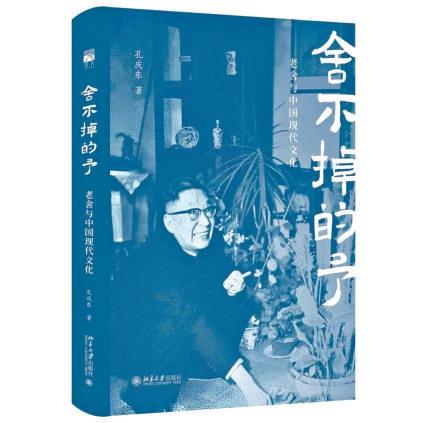
《舍不掉的予》:读一读老舍的书,走一走北京的路
Bei Jing Ri Bao Ke Hu Duan· 2025-09-14 06:18
Core Viewpoint - The book "舍不掉的予:老舍与中国现代文化" by Kong Qingdong explores the multifaceted cultural world presented through Lao She's works, emphasizing his unique perspective on Beijing culture and its characteristics [5][10]. Group 1: Cultural Perspectives - Lao She is portrayed as a "multi-functional camera" reflecting various aspects of reality, with a strong emphasis on his identity as a "Beijinger" [5][6]. - The book examines Beijing culture through various lenses, including class, race, religion, region, and gender, highlighting the regional characteristics in Lao She's narratives [5][6]. Group 2: Noble Spirit in Common Life - Kong Qingdong identifies a "noble spirit" within Beijing culture, which contrasts with the common perception of it being purely "popular literature" [6][7]. - This "noble spirit" is evident in the lives of ordinary people who, despite material poverty, pursue cultural elegance and refinement [6][7]. Group 3: Inclusivity of Beijing Culture - The works of Lao She reflect the inclusivity of Beijing culture, which integrates diverse cultural elements from various origins, showcasing a rich tapestry of multiculturalism [7][9]. - The portrayal of the Manchu culture in Lao She's works illustrates the blending of different cultural identities within the broader context of Chinese nationalism [7][9]. Group 4: Aesthetic of Joy - The concept of "乐感文化" (joyful culture) is highlighted as a distinctive feature of Beijing culture, manifesting in Lao She's works as a unique aesthetic of life [8][9]. - Characters in Lao She's narratives often embody a carefree attitude towards life, reflecting a deeper appreciation for beauty and enjoyment despite their circumstances [8][9]. Group 5: Methodology in Cultural Research - Kong Qingdong emphasizes the importance of combining historical materials with contemporary life to deepen the understanding of regional culture [9][10]. - He proposes a "ten-sided ambush method" for cultural research, advocating for immersive experiences in the local culture to gain a comprehensive understanding [9][10].

赓续文化血脉 凝聚精神力量——完整准确全面贯彻新时代党的治疆方略之文化润疆篇
Xin Hua She· 2025-09-13 23:56
Core Viewpoint - The article emphasizes the importance of cultural integration and the promotion of a shared national identity among various ethnic groups in Xinjiang, highlighting the efforts made since the 18th National Congress of the Communist Party of China to enhance cultural recognition and unity [1][3][8]. Group 1: Cultural Integration Efforts - Since July 2022, initiatives have been implemented to deepen cultural integration in Xinjiang, aiming to enhance recognition of Chinese culture and strengthen the sense of community among various ethnic groups [1][3]. - The "New Era Xinjiang Cadre Lecture Hall" and other educational programs have been established to instill loyalty to the Party and a commitment to serving the people among party members and officials [3][4]. Group 2: Cultural Heritage and Tourism - Significant archaeological sites, such as the Mo'er Temple ruins, have been recognized as key cultural heritage, with ongoing restoration and public access planned, contributing to the understanding of Chinese cultural history [4]. - The tourism sector in Xinjiang has seen a boost, with over 300 million visitors expected in 2024, driven by the promotion of cultural and historical sites [7][8]. Group 3: Cultural Products and Arts - A variety of artistic works, including dance and music, have gained recognition, showcasing the vibrant cultural scene in Xinjiang and contributing to the promotion of socialist advanced culture [5][6]. - The development of cultural and creative products has been emphasized, with numerous series launched that blend historical elements with modern life, serving as a medium for cultural transmission [8].
民族团结佳话代代传
Ren Min Ri Bao· 2025-09-13 23:56
如今,"中华民族一家亲"的华彩篇章,正由朝气蓬勃的青少年们接续书写。 今年夏天,2025年粤喀"石榴籽杯"青少年足球邀请赛在喀什地区疏附县举行。赛事期间,来自广东和新 疆的300多名各族青少年,以足球为纽带,搭建起跨越山水的连心桥。"赛场上,我们为荣誉挥洒汗水; 赛场下,我们与其他民族小伙伴们结下深厚友谊。"疏附县第二中学的学生艾妮卡尔·库尔班说,"我会 用行动守护这份友情,欢迎更多各地的朋友来大美新疆。" 有来有往,双向奔赴。在各地援疆工作队等各方力量推动下,新疆中小学生与其他省份间的同龄人往来 更频繁、关系更密切、感情更深厚。 今年暑假,克孜勒苏柯尔克孜自治州的学生前往江苏宿迁,开展以"宿克手牵手 一起向未来"为主题的 研学夏令营活动。"我们参观了历史古迹、博物馆等好多地方,不少课本里的内容'活'了起来,我为自 己是中国人而无比自豪。"在克孜勒苏柯尔克孜自治州实验小学就读的阿卜杜拉·帕依孜拉说,"我认识 了很多新朋友,大家一起分享身边的故事、交换礼物,发现我们有很多共同的兴趣爱好,感觉特别温 暖。这次研学的见闻和经历,将成为我成长路上闪闪发光的宝藏。" 为了传承一代代人的情谊,2012年,李红秀开办民俗陈 ...
砥砺奋进七十载 天山南北谱华章|赓续文化血脉 凝聚精神力量——完整准确全面贯彻新时代党的治疆方略之文化润疆篇
Xin Hua She· 2025-09-13 17:00
Core Viewpoint - The article emphasizes the importance of cultural integration in Xinjiang, highlighting efforts to enhance national identity and promote unity among various ethnic groups through cultural initiatives and education [1][3][7]. Group 1: Cultural Integration Efforts - Since the 18th National Congress of the Communist Party, Xinjiang has implemented various measures to promote cultural integration, focusing on deepening the understanding of Xi Jinping's thoughts and enhancing recognition of Chinese culture among different ethnic groups [1][3]. - The promotion of cultural integration has led to a stronger sense of community among the people of Xinjiang, fostering a shared identity and collective spirit [3][7]. Group 2: Educational and Community Initiatives - Local grassroots educators, like Abulaiti Wushuer, have shared personal success stories that reflect the positive impact of government support on education and community development, showcasing the benefits of cultural policies [2][3]. - Various educational programs and initiatives, such as the "New Era Xinjiang Cadre Lecture Hall," have been established to instill loyalty to the Party and enhance the public's understanding of cultural values [3][7]. Group 3: Cultural Heritage and Tourism - Significant archaeological sites and cultural heritage projects, such as the Mor Temple ruins and the Urumqi Museum, have been revitalized to promote cultural awareness and historical appreciation among the public [4][6]. - The integration of culture and tourism has attracted over 6 million visitors, enhancing the visibility of Xinjiang's cultural heritage and promoting national pride [6][7]. Group 4: Artistic Achievements - The region has seen a flourishing of artistic expressions, with various performances and artworks receiving national recognition, reflecting the vibrant cultural scene in Xinjiang [5][6]. - Cultural products that blend traditional elements with modern life have been developed, serving as vehicles for disseminating Chinese cultural heritage [6].
休戚与共 万里同心(以物鉴史)
Ren Min Ri Bao· 2025-09-12 22:16
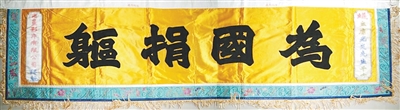
Core Viewpoint - The article highlights the contributions of the patriotic overseas Chinese leader, Yi Guangyan, during the anti-Japanese movement, showcasing his legacy through artifacts donated to the China Overseas Chinese History Museum [1][4]. Group 1: Artifacts and Their Significance - The museum displays several artifacts that tell the story of Yi Guangyan's dedication to his country, including a white qipao stained with his blood, symbolizing the violence he faced [2]. - A banner presented at Yi Guangyan's funeral, inscribed with "For the Country's Sacrifice," encapsulates his heroic life and contributions during a critical time for the nation [3]. - The museum also houses a rubbing of Yi Guangyan's tombstone, which details his life achievements and unwavering support for the anti-Japanese war, serving as a testament to his legacy [3]. Group 2: Historical Context and Impact - The artifacts serve as a testament to the indomitable spirit of the Chinese nation and the significant role of overseas Chinese in the anti-Japanese war, reflecting the collective consciousness of the Chinese community [4]. - The China Overseas Chinese History Museum has curated over 300 items, images, and documents to comprehensively present the contributions of overseas Chinese during the anti-Japanese war and the global anti-fascist movement [4].
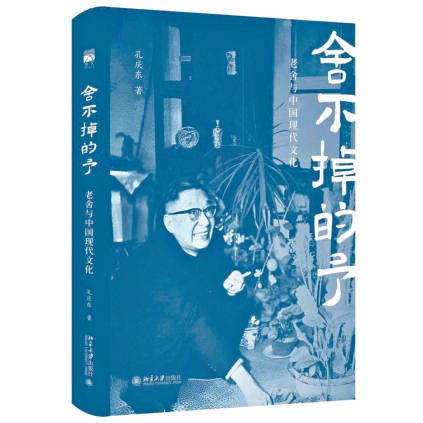
读一读老舍的书,走一走北京的路
Bei Jing Ri Bao Ke Hu Duan· 2025-09-12 00:17
Core Perspective - The book "舍不掉的予:老舍与中国现代文化" by Kong Qingdong explores the multifaceted cultural world presented by Lao She, emphasizing his unique perspective on Beijing culture and its characteristics [5][10]. Group 1: Cultural Characteristics - Lao She's works reflect a rich cultural tapestry of Beijing, showcasing both "common people's literature" and a distinct "nobility" that emerges from everyday life [6][7]. - The concept of "nobility" in Beijing literature is illustrated through characters who, despite their poverty, maintain a pursuit of elegance and cultural refinement [6][7]. - Beijing culture is characterized by its inclusivity and diversity, blending various cultural elements from both domestic and foreign influences [7][9]. Group 2: Aesthetic Elements - The notion of "乐感文化" (joyful culture) is a significant aspect of Beijing culture, as seen in Lao She's portrayal of characters who embody a positive outlook on life despite their circumstances [8]. - Lao She's characters often exhibit a unique lifestyle aesthetic, reflecting a leisurely and refined approach to life, which contrasts with the fast-paced modern world [8]. Group 3: Research Methodology - Kong Qingdong emphasizes the importance of combining historical context with contemporary experiences in studying regional culture, proposing a comprehensive approach to understanding Beijing culture [9]. - The methodology includes immersive experiences such as exploring the city, engaging with its people, and appreciating its culinary and social customs [9].
砥砺奋进七十载 天山南北谱华章|凝心聚力筑同心 团结奋进谱新篇——完整准确全面贯彻新时代党的治疆方略之团结稳疆篇
Xin Hua She· 2025-09-11 11:33
Core Viewpoint - The article emphasizes the importance of unity and the construction of a shared consciousness among various ethnic groups in Xinjiang as a fundamental strategy for long-term stability and development in the region [1][8]. Group 1: Unity and Community Building - Xinjiang has implemented the "One Family, One Heart" initiative since October 2016, where millions of officials and grassroots workers have paired with local families to foster ethnic unity and address community issues [2][3]. - The establishment of 101 national ethnic unity progress demonstration units and 14 national education bases reflects the ongoing efforts to promote a shared national identity [3]. Group 2: Cultural Exchange and Integration - Various community activities such as "Neighbor Festivals" and "Family Banquets" have been organized to encourage interaction and integration among different ethnic groups, enhancing social cohesion [4][6]. - The successful participation of local performers in events outside Xinjiang, such as in Beijing, showcases the cultural exchange and the growing recognition of Xinjiang's diverse heritage [5][6]. Group 3: Economic Development and Livelihood Improvement - The launch of the first "Little Red Village Supermarket" in Zepu County aims to improve local livelihoods by expanding sales channels for agricultural products, demonstrating a practical approach to fostering unity through economic development [7]. - Over 70% of the general public budget in Xinjiang is allocated to social welfare projects, focusing on employment, education, healthcare, and social security to enhance the quality of life for residents [7]. Group 4: Future Directions - Xinjiang aims to fully implement the Party's strategies for governance, focusing on strengthening the shared consciousness among ethnic groups to ensure social stability and contribute to national modernization efforts [8].
学习贯彻二十届中央纪委四次全会精神 | 坚持严管厚爱结合 营造干事创业氛围
Zhong Yang Ji Wei Guo Jia Jian Wei Wang Zhan· 2025-09-11 02:36
Group 1 - The core viewpoint emphasizes the integration of strict management and supervision with encouragement for initiative among party members to foster a positive political environment for entrepreneurship [2][3][4] - The importance of strengthening ideological guidance to activate the intrinsic motivation of party members, focusing on the study and implementation of Xi Jinping's thought as a primary political task [3][4] - The necessity of enhancing political construction to ensure that party members maintain the correct political direction in their work, emphasizing the importance of political discipline and adherence to party leadership [4][5] Group 2 - The need to compress and enforce responsibilities to strengthen organizational support for party members' entrepreneurial efforts, ensuring that party organizations fulfill their responsibilities in a strict management context [6][7] - The commitment to deepening the fight against corruption and promoting a clean political ecology to create a conducive environment for party members to engage in entrepreneurial activities [7][8] - The approach of balancing strict discipline with trust and support for party members, encouraging them to work diligently while adhering to regulations [8]


砥砺奋进七十载 天山南北谱华章丨凝心聚力筑同心 团结奋进谱新篇——完整准确全面贯彻新时代党的治疆方略之团结稳疆篇
Xin Hua Wang· 2025-09-11 00:14
Core Viewpoint - The article emphasizes the importance of fostering a sense of community among various ethnic groups in Xinjiang as a fundamental strategy for long-term stability and development in the region [1][8]. Group 1: Community Building Initiatives - Xinjiang has implemented the "One Family, One Heart" initiative since October 2016, where millions of officials and grassroots workers have paired with local families to strengthen ethnic unity [2][3]. - The region has successfully established 101 national ethnic unity progress demonstration units and 14 national education bases for ethnic unity [3]. Group 2: Cultural and Social Integration - Various activities such as "Neighbor Festivals" and "Family Banquets" have been organized to promote interaction and integration among different ethnic groups [4]. - The article highlights the example of a local tailor who combines diverse cultural elements in her work, symbolizing the emotional connection among ethnic groups [4][5]. Group 3: Youth Engagement and Education - In 2024, a record 86,000 young people from Xinjiang will participate in patriotic study exchanges outside the region, indicating a growing trend in cultural exchange [6]. - Educational initiatives aim to instill a sense of shared destiny and community among the youth, enhancing their understanding of cultural heritage [2][6]. Group 4: Economic Development and Livelihood Improvement - The establishment of the first "Little Red Village Supermarket" in Zepu County aims to enhance local economic conditions and support rural revitalization [7]. - Over 70% of Xinjiang's general public budget is allocated to social welfare projects, focusing on employment, education, healthcare, and social security [7]. Group 5: Future Directions - Xinjiang aims to fully implement the Party's strategies for governance, focusing on strengthening the sense of community among ethnic groups to contribute to national modernization and the rejuvenation of the Chinese nation [8].