
信用修复

Search documents
增强供需适配促进形成3个万亿级消费领域|营商环境周报
2 1 Shi Ji Jing Ji Bao Dao· 2025-12-03 06:49
Group 1 - The State Administration for Market Regulation has introduced a new credit repair management method to encourage individuals to correct violations and rebuild credit, effective from December 25 [1] - The new method categorizes violations into three levels: minor, general, and serious, each with different public disclosure periods and repair conditions [1] - Minor violations with only warnings will not be publicly disclosed, while general violations will have a minimum disclosure period of three months and a maximum of one year; serious violations will be disclosed for a minimum of one year and a maximum of three years [1] Group 2 - The Ministry of Industry and Information Technology and six other departments have issued a plan to enhance the supply of consumer goods, aiming to create three trillion-yuan consumption sectors and ten billion-yuan consumption hotspots by 2027 [2] - The plan includes 19 key tasks focusing on new technology applications, expanding the supply of unique products, and creating new consumption scenarios [2] - Key industries targeted include smart connected vehicles, smart home products, consumer electronics, and green building materials, with a goal to develop iconic products and innovative enterprises [2] Group 3 - The plan emphasizes the need to improve the supply of baby products, quality student supplies, trendy fashion items, and products for the elderly [3] Group 4 - The Ministry of Industry and Information Technology has initiated commercial trials for satellite IoT services, targeting industries such as transportation, energy, and agriculture [4] - The trials aim to enhance market supply, stimulate market activity, and establish a safety regulatory framework for emerging industries [4] - Companies that fail to provide services or violate regulations may have their trial qualifications revoked [4] Group 5 - Hunan Province has launched initiatives to create friendly environments for new employment groups, addressing issues faced by delivery workers and couriers [5] - Specific measures include optimizing delivery environments, improving access to buildings, and providing essential services like drinking water and charging stations [5] - The initiative aims to enhance the overall working conditions for new employment groups [5] Group 6 - Sichuan Province has released guidelines to improve government services and administrative efficiency through the "Efficient Completion of One Thing" initiative [6] - The guidelines propose the integration of artificial intelligence into government services to provide intelligent support for both citizens and officials [6] - The focus is on creating a list of key services and exploring streamlined processes for various stages of business development [6] Group 7 - Hangzhou has introduced a new land management reform to align land use with industrial needs, promoting a market-oriented approach [7] - The reform includes categorizing commercial land into industrial and real estate types, with incentives for industrial land use [7] - The city is piloting flexible land use policies to adapt to changing industrial trends, enhancing the responsiveness of land planning [7][8]
破产重整企业将纳入信用修复范围,新规将于本月25日施行
21世纪经济报道· 2025-12-03 04:00
记者丨 章驰 编辑丨王俊 12月2日上午,市场监管总局召开《市场监督管理信用修复管理办法》(以下简称《办法》) 专题新闻发布会,进一步健全完善信用修复制度机制、规范信用修复程序,激发经营主体发展 活力,助力高质量发展。市场监管总局信用监管司副司长荆琼华介绍, 《办法》将于2025年 12月25日实施,共31条。 市场监管总局法规司副司长王丹表示,已对现行规章中与新《办法》不一致的地方进行了统一 修改,整合优化经营异常名录移出规则;完善行政处罚信息公示相关规定;将"较低数额罚 款"的标准统一规定为"按照从轻或者减轻处罚的裁量阶次,对经营主体处以五万元以下罚款、 对相关责任人员处以五千元以下罚款"。 扩大信用修复范围,缩短处罚信息公示期和办理时限 市场监管总局信用监管司副司长荆琼华介绍,新《办法》进一步扩大信用修复范围,将抽查检 查结果负面信息、破产重整企业纳入修复范围,破产重整企业持人民法院批准重整计划或者认 可和解协议的裁定书就可以申请临时信用修复,暂时屏蔽相关失信信息,解除可能影响重整计 划或者和解协议执行的管理措施,为破产重整企业恢复信用、重新开展正常经营、参与市场竞 争提供有力支撑。 新《办法》将违法失 ...


【立方早知道】“芯片首富”再捐36亿元股份/千亿龙头宣布125亿元投资计划/10倍大牛股今日复牌
Sou Hu Cai Jing· 2025-12-03 02:22
Group 1: Company News - China Uranium Industry will be listed on A-shares on December 3, 2025, as the only company in China engaged in domestic natural uranium mining and processing, with a total market value of approximately 37 billion yuan after the IPO [1] - Abison's founder and chairman, Ding Yanhui, was re-elected as chairman but voted against his own election due to dissatisfaction with the chairman's compensation, indicating a desire for reform in the company's governance structure [1] - Tianpu Co. announced that its stock will resume trading on December 3, 2025, after completing a review of recent trading activities, with a significant price increase of 451.8% from August 22 to November 27 [15] - Xi'an Yicai announced a partnership to invest 12.5 billion yuan in a silicon material base project in Wuhan, focusing on advanced silicon wafer production for integrated circuits [16] - Yutong Bus reported an 8.62% increase in sales in November, with a total production of 4.23 million buses from January to November, reflecting a year-on-year growth of 5.33% [17] Group 2: Industry Dynamics - The Ministry of Housing and Urban-Rural Development is seeking public opinion on new regulations for construction market supervision, aiming to enhance the dynamic verification of enterprise qualifications and strengthen oversight of non-compliant companies [9] - The Central Bank reported a net liquidity injection of 500 billion yuan through treasury bond transactions and 1 trillion yuan through medium-term lending facilities in November [5] - The OECD has raised its forecast for China's economic growth in 2025 to 5%, up from a previous estimate of 4.9% [6][10]
最高人民法院公布数据显示 前三季度全国法院先行调解案件478.2万件
Ren Min Ri Bao· 2025-12-02 22:09
前三季度,全国法院先行调解案件478.2万件,调解成功312.8万件,先行调解案件数量增长明显,先行 调解成功案件自动履行率超过90%,前端解纷活力和效能持续释放。最高人民法院持续完善在线填写等 智能辅助功能,更加便利人民群众诉讼。 本报北京12月2日电 (记者魏哲哲)最高人民法院公布的最新数据显示:今年前三季度,全国法院受理 各类审判执行案件3225.7万件;截至9月底,全国法院两年以上未结诉讼案件数量同比下降28.08%,长 期未结诉讼案件清理工作成效持续优化,有效提升人民群众司法满意度和获得感。 据介绍,人民法院实质解纷效果不断增强,上诉率较去年同期下降0.96个百分点,申诉申请再审率同比 下降0.29个百分点。 此外,记者获悉:今年截至11月10日,全国法院新纳入失信名单189.7万人次,同比下降3.46%;222.9 万人次通过信用修复回归市场。 (文章来源:人民日报) 数据显示,前三季度,人民法院受理刑事一审案件80.4万件,同比下降11.61%,判处生效被告人104.8 万人,同比下降10.22%。 前三季度,反映当事人胜诉权益实现程度的执行完毕率和执行到位率分别为39.54%和51.35%。 ...
信用修复新规公布 进一步畅通经营主体“复活”渠道
Shang Hai Zheng Quan Bao· 2025-12-02 18:09
◎记者 陈芳 市场监管总局日前出台了新的《市场监督管理信用修复管理办法》(下称"新《办法》"),扩大了信用 修复范围,并缩短了公示期和办理时限,进一步健全信用修复制度,鼓励当事人主动纠正违法失信行 为,重塑良好信用。新《办法》共31条,将于2025年12月25日实施。 新《办法》还进一步缩短处罚信息公示期和信用修复办理时限,将一般行政处罚信息最短公示期由六个 月缩短为三个月,同时将行政处罚信息和严重违法失信名单信用修复的办理时限由十五个工作日缩短为 七个工作日,进一步提升信用修复的效率。 市场监管总局表示,下一步将持续提升信用修复服务水平,加强与有关部门沟通协调,完善信用修复协 同联动机制,实现"一处修复,全网认可"。 在信用修复范围方面,新《办法》将破产重整企业纳入信用修复范围。破产重整企业持人民法院批准重 整计划或者认可和解协议的裁定书就可以申请临时信用修复。市场监管总局表示,将解除可能影响重整 计划或者和解协议执行的管理措施,为破产重整企业恢复信用、重新开展正常经营、参与市场竞争提供 支撑。 荆琼华介绍:"为响应广大经营主体呼声,我们将抽查检查结果负面信息纳入了修复范围。抽查检查结 果负面信息涉及双随机 ...
截至10月底中国市场监管部门已为逾4000万户经营主体修复信用
Zhong Guo Xin Wen Wang· 2025-12-02 13:47
Core Points - As of the end of October, China's market regulatory authorities have repaired credit for over 44.16 million business entities, enhancing their operational vitality [1][2] - The newly introduced "Credit Repair Management Measures" aims to provide standardized, efficient, and convenient credit repair services for business entities [1] - The scope of credit repair has been expanded to include negative information from inspections and bankrupt companies, facilitating their recovery and normal operations [1] - The measures categorize illegal and untrustworthy information into three levels: "minor, general, and serious," with different public disclosure periods and repair conditions [1] - The minimum public disclosure period for general administrative penalty information has been reduced from six months to three months, easing the burden on business entities [2] - The processing time for credit repair related to serious violations has been shortened from fifteen working days to seven [2] - A national unified platform for credit repair was launched in March, allowing business entities to access their untrustworthy information and apply for credit repair conveniently [2]
市场监管总局:一般行政处罚信息最短公示期由六个月缩短为三个月
Xin Hua Cai Jing· 2025-12-02 13:47
新华财经北京12月2日电(记者孙广见)12月2日,市场监管总局召开《市场监督管理信用修复管理办 法》专题新闻发布会,市场监管总局信用监管司副司长荆琼华表示,相比较2021年7月制定出台的《市 场监督管理信用修复管理办法》规范性文件,新《办法》以部门规章的形式发布,统一了信用修复规 则,增加了便民利企创新举措。总结共四大亮点: 一是进一步扩大信用修复范围。《办法》将抽查检查结果负面信息纳入修复范围。抽查检查结果负面信 息涉及双随机检查、食品安全抽检、产品质量抽查、认证有效抽查等,同时,将破产重整企业纳入信用 修复范围。企业破产重整前,往往因存在各种不良信用记录,难以顺利开展破产重整。我们在规章中对 破产重整企业信用修复作出规定,破产重整企业持人民法院批准重整计划或者认可和解协议的裁定书就 可以申请临时信用修复,暂时屏蔽相关失信信息,解除可能影响重整计划或者和解协议执行的管理措 施,为破产重整企业恢复信用、重新开展正常经营、参与市场竞争提供有力支撑。 四是进一步做好协同修复和信息查询披露。《办法》明确要求市场监管部门应当与相关部门建立健全信 用修复协同联动机制,实现国家企业信用信息公示系统与相关信息化系统数据共享 ...
市场监管总局:破产重整企业可申请临时信用修复
Zhong Guo Xin Wen Wang· 2025-12-02 13:35
市场监管总局:破产重整企业可申请临时信用修复 中新网北京12月12日电(记者 左雨晴)12月2日,记者从市场监管总局了解到,为进一步健全完善信用修 复制度机制,为经营主体重塑信用提供规范统一、高效便捷的信用修复服务,《市场监督管理信用修复 管理办法》将于2025年12月25日实施。 值得一提的是,《办法》强化了对第三方社会机构公示行为的监管。针对第三方社会机构不及时更新信 用修复信息的问题,明确规定其对外提供的信息应当根据国家企业信用信息公示系统公示的信息即时更 新;有关第三方社会机构在开展信息查询服务活动中损害经营主体合法权益的,应当依法承担法律责 任。 此外,市场监管总局还建立信用修复领域信息查询披露制度。允许相关机关、公民、法人或者其他组织 申请查询相关信用修复记录,这也是信息查询披露制度信用修复领域的实施运用。(完) 12月2日,市场监管总局召开《市场监督管理信用修复管理办法》专题新闻发布会。 一是进一步扩大信用修复范围。《办法》将双随机检查、食品安全抽检、产品质量抽查、认证有效抽查 等抽查检查结果负面信息纳入修复范围。同时,将破产重整企业纳入信用修复范围。 荆琼华指出,企业破产重整前,往往因存在各种 ...
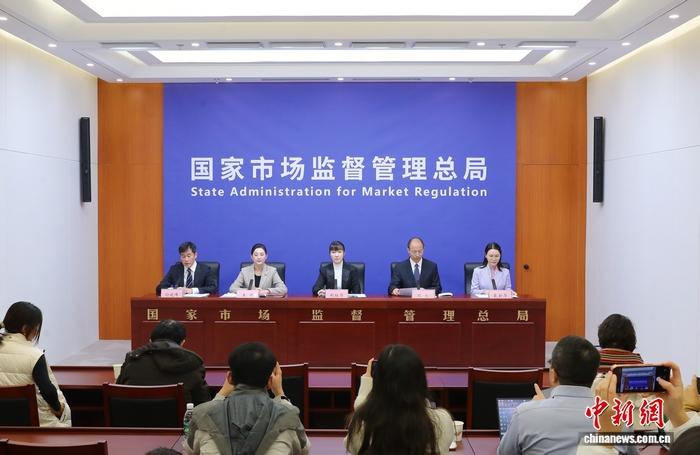
信用修复新规将于本月25日施行 破产重整企业纳入信用修复范围
Xin Lang Cai Jing· 2025-12-02 13:02
智通财经记者 | 张倩楠 智通财经编辑 | 刘海川 "为强化市场监管部门信用修复管理,鼓励当事人主动纠正违法失信行为,重塑良好信用,市场监管总局于日前制定出台了《市场监督管理信用修复管理办 法》(简称《办法》)。"2025年12月2日,市场监管总局召开专题新闻发布会,总局新闻宣传司副司长孙延峰介绍。 《办法》将于2025年12月25日实施,共31条。此前在2021年7月,市场监管总局制定出台了《市场监督管理信用修复管理办法》规范性文件,市场监管总局 信用监管司副司长荆琼华介绍,相较于上述规范性文件,新《办法》以部门规章的形式发布,统一了信用修复规则,增加了便民利企创新举措。 荆琼华介绍,《办法》将抽查检查结果负面信息纳入修复范围。抽查检查结果负面信息涉及双随机检查、食品安全抽检、产品质量抽查、认证有效抽查等, 为响应广大经营主体呼声,我们将抽查检查结果负面信息纳入了修复范围。 智通财经在发布会上了解到,今年3月,总局建设上线了市场监管信用修复全国统一平台,其主要功能是向广大经营主体提供了统一的市场监管信用修复入 口,方便经营主体查询获取名下的违法失信信息、开展信用修复申请。此外,还选取了部分地区试点探索"三书 ...
扩大修复范围 市场监管总局出台新规帮助企业重塑信用
Yang Shi Xin Wen· 2025-12-02 12:43
据了解,自2021年9月《市场监督管理信用修复管理办法》规范性文件实施以来,截至今年10月底,全 国市场监管部门累计修复各类经营主体4416万户。 (文章来源:央视新闻) 记者今天从市场监管总局召开的新闻发布会上了解到,为进一步健全完善信用修复制度机制,市场监管 总局制定出台了《市场监督管理信用修复管理办法》,为经营主体重塑信用提供规范统一、高效便捷的 信用修复服务。《办法》将于今年12月25日实施。 市场监管总局介绍,《办法》进一步扩大信用修复范围,将抽查检查结果负面信息纳入修复范围。进一 步提升信用修复精细化管理水平,将违法失信信息划分为"轻微、一般、严重"三类,按照过罚相当原 则,分别设置不同的公示期限和修复条件。进一步缩短公示期和办理时限,将一般行政处罚信息最短公 示期由六个月缩短为三个月。 据介绍,市场监管总局将优化升级信用修复全国统一平台。针对《办法》新增抽查检查结果负面信息修 复、关联修复、重整计划或和解协议执行期间临时修复等业务需求,市场监管总局将按照配套编制的统 一技术方案和数据标准,开展统一平台适配改造。持续开展功能升级,探索构建政策推送、修复提醒、 智能助手及掌上办、一体办等信息化支撑能 ...