
土地要素市场化配置

Search documents
广州“地王”重现!
Shang Hai Zheng Quan Bao· 2026-02-25 14:45
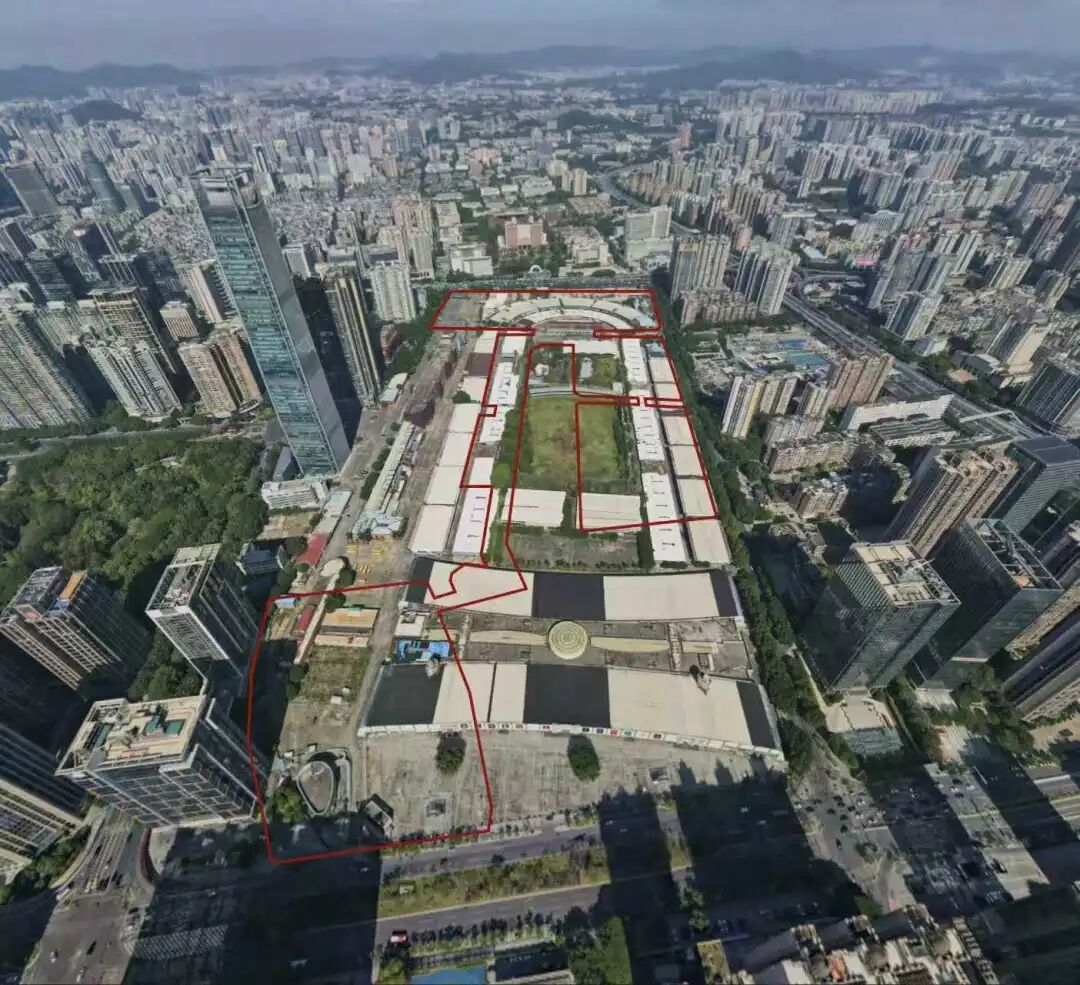
Core Viewpoint - The Guangzhou Zhujiang New Town horse racing land plot was officially sold on February 25, 2026, with Guangzhou Yuechengda Co., Ltd. winning the bid at a total price of 23.604 billion yuan, marking it as the highest land sale in Guangzhou for the year and the second highest in total price for residential land transactions in the city [1][4][5]. Group 1: Land Sale Details - The land plot, located in Tianhe District, has a total area of 194,500.39 square meters, with a planned construction area of 566,962 square meters [2][4]. - The starting price for the land was set at 18.6 billion yuan, with a starting floor price of 32,900 yuan per square meter, which is the second highest starting price for residential land in Guangzhou [4][5]. - The bidding process involved 8 developers and lasted nearly 9 hours, with a total of 243 rounds of bidding, primarily contested by Poly, Yuexiu, and Guangzhou Urban Investment [4][8]. Group 2: Market Implications - The land sale is expected to significantly influence the market, with the new floor price of 85,000 yuan per square meter and a premium rate of 26.6%, setting a new record for Guangzhou [4][8]. - Analysts suggest that the sale of this land plot, exceeding 20 billion yuan, could establish a new "land king" for 2026, potentially boosting market expectations and influencing future transactions [8][9]. - The development of the land is part of a broader strategy to enhance market dynamics and attract high-end commercial projects, including a luxury department store and a five-star hotel [6][7].


重庆铜梁优化要素供给模式
Jing Ji Ri Bao· 2025-12-25 22:01
Group 1 - The core viewpoint of the articles highlights the successful implementation of a "flexible lease term" land transfer model by Qingyu Food Co., Ltd. in Chongqing's Tongliang District, allowing the company to secure 30 years of usage rights for approximately 66 acres of industrial land [1] - Qingyu Food plans to invest 600 million yuan to build a black chicken research and processing center that integrates intelligent processing, technology research and development, cold chain logistics, and product exhibition, promoting the integration of primary, secondary, and tertiary industries [1] - The flexible land lease policy is seen as beneficial for large-scale investment enterprises, enabling better allocation of startup capital towards technology research, equipment procurement, and market expansion, thereby enhancing project implementation confidence [1] Group 2 - Tongliang District has introduced a series of supporting measures to optimize the business environment, including a "one-stop" service for enterprises that covers spatial planning, permit approval, post-approval supervision, and real estate registration [2] - The district promotes measures such as "divided transfer of industrial properties," allowing companies to choose standardized factories for direct production, which enhances asset utilization flexibility and promotes rational resource allocation [2] - Continuous targeted reform measures are expected to boost enterprise confidence and accelerate high-quality industrial development and rural revitalization in Tongliang District [2]
佛山顺德打出“新政组合拳”!让企业不再为用地发愁
Nan Fang Du Shi Bao· 2025-12-23 02:33
Core Viewpoint - The Shunde District has officially issued the "Implementation Opinions on Promoting Market-oriented and Effective Allocation of Land Factors (Trial)" aimed at addressing the real needs of enterprises through systematic breakthroughs in land management and supply models, fostering a better development environment for the real economy [1][9]. Group 1: Industrial Land Renewal - The new policy establishes a "condition review + maximum term cap" mechanism for industrial land renewal, allowing companies to apply for renewal if their remaining land use period is less than 20 years, subject to industrial access evaluation [3]. - An example illustrates that a company with 15 years remaining on its industrial land successfully renewed for 35 years after meeting planning and industrial orientation requirements [3]. Group 2: Flexible Land Supply - The policy introduces a diversified and flexible supply system, allowing enterprises to choose land use terms based on their development pace, including options for short-term leases of 5-20 years and flexible terms of 20-50 years [4]. - The pricing method has been simplified to the "year ratio method," making it easier for companies to calculate initial costs [5]. Group 3: Collaborative Land Acquisition - The "multi-parcel linkage + joint bidding" model allows related enterprises to bid together for adjacent land parcels, enhancing logistics efficiency and reducing costs through physical clustering [6]. - An example shows that three related companies successfully acquired adjacent plots, significantly lowering logistics costs and improving technical collaboration [6]. Group 4: Combined Land Supply for Rural Development - The policy explores "point-based land supply" to combine construction and agricultural land, promoting efficient land use and value enhancement in rural areas [7]. - The first pilot project, a resort in Longjiang Town, demonstrates the effectiveness of this approach by activating surrounding low-efficiency land [7]. Group 5: Optimized Real Estate Regulation - The Shunde District will revise the management measures for the commencement and completion of state-owned construction land, aiming to stabilize market expectations and alleviate financial pressures on enterprises [8]. - Adjustments include allowing eligible residential projects to apply for a grace period of up to one year for construction, particularly in areas with a housing inventory turnover period exceeding 18 months [8]. Group 6: Overall Impact and Future Directions - The implementation of these policies is expected to stabilize expectations, reduce burdens, optimize layouts, and explore innovative land supply methods, providing a valuable model for nationwide reforms in market-oriented resource allocation [9].
增强供需适配促进形成3个万亿级消费领域|营商环境周报
2 1 Shi Ji Jing Ji Bao Dao· 2025-12-03 06:49
Group 1 - The State Administration for Market Regulation has introduced a new credit repair management method to encourage individuals to correct violations and rebuild credit, effective from December 25 [1] - The new method categorizes violations into three levels: minor, general, and serious, each with different public disclosure periods and repair conditions [1] - Minor violations with only warnings will not be publicly disclosed, while general violations will have a minimum disclosure period of three months and a maximum of one year; serious violations will be disclosed for a minimum of one year and a maximum of three years [1] Group 2 - The Ministry of Industry and Information Technology and six other departments have issued a plan to enhance the supply of consumer goods, aiming to create three trillion-yuan consumption sectors and ten billion-yuan consumption hotspots by 2027 [2] - The plan includes 19 key tasks focusing on new technology applications, expanding the supply of unique products, and creating new consumption scenarios [2] - Key industries targeted include smart connected vehicles, smart home products, consumer electronics, and green building materials, with a goal to develop iconic products and innovative enterprises [2] Group 3 - The plan emphasizes the need to improve the supply of baby products, quality student supplies, trendy fashion items, and products for the elderly [3] Group 4 - The Ministry of Industry and Information Technology has initiated commercial trials for satellite IoT services, targeting industries such as transportation, energy, and agriculture [4] - The trials aim to enhance market supply, stimulate market activity, and establish a safety regulatory framework for emerging industries [4] - Companies that fail to provide services or violate regulations may have their trial qualifications revoked [4] Group 5 - Hunan Province has launched initiatives to create friendly environments for new employment groups, addressing issues faced by delivery workers and couriers [5] - Specific measures include optimizing delivery environments, improving access to buildings, and providing essential services like drinking water and charging stations [5] - The initiative aims to enhance the overall working conditions for new employment groups [5] Group 6 - Sichuan Province has released guidelines to improve government services and administrative efficiency through the "Efficient Completion of One Thing" initiative [6] - The guidelines propose the integration of artificial intelligence into government services to provide intelligent support for both citizens and officials [6] - The focus is on creating a list of key services and exploring streamlined processes for various stages of business development [6] Group 7 - Hangzhou has introduced a new land management reform to align land use with industrial needs, promoting a market-oriented approach [7] - The reform includes categorizing commercial land into industrial and real estate types, with incentives for industrial land use [7] - The city is piloting flexible land use policies to adapt to changing industrial trends, enhancing the responsiveness of land planning [7][8]
河南首宗“国有+集体”建设用地跨权属组合供应项目落地
Zhong Guo Xin Wen Wang· 2025-11-18 08:29
Core Insights - The first "state-owned + collective" land supply project in Henan has been successfully implemented, addressing the issue of land access for rural industries [1][2] - The project involves a total investment of 50 million yuan, aiming to create a comprehensive commercial facility that includes hotels, dining, and entertainment [1] Group 1: Project Details - The land parcel, located in the core area of Sheng Village, covers an area of 4.71 acres, with 3.98 acres designated as state-owned and 0.73 acres as collective land [1] - The land is planned for commercial use with a 40-year lease, a maximum floor area ratio of 1.5, a building density of less than 40%, and a green space ratio of over 20% [1] Group 2: Economic Impact - The project is expected to generate an annual income of over 500,000 yuan for the local village collective and provide more than 5,000 square meters of commercial service area [1] - It is projected to create over 200 jobs, enhancing the commercial service capacity of the town and promoting rural revitalization [1] Group 3: Policy Innovation - This project represents a significant innovation compared to traditional land transfer models, allowing for simultaneous market entry and equal pricing of state-owned and collective land [2] - The approval process is streamlined, reducing the land acquisition timeline by over 60% and lowering transaction costs for enterprises [2] - The Henan Provincial Natural Resources Department plans to use this case as a model to develop further resource combination supply models across the province [2]
【财经分析】“存量突围”“地尽其用” 要素市场化配置改革激活土地新潜能
Xin Hua Cai Jing· 2025-10-22 02:28
Core Viewpoint - The State Council has approved a pilot implementation plan for the market-oriented allocation of factors in ten regions, aiming to enhance the efficiency of land resource allocation and promote high-quality economic development by 2027 [1][2]. Group 1: Policy and Implementation - The pilot program is part of a broader effort to deepen the market-oriented allocation of factors, transitioning from administrative allocation to market-driven mechanisms to improve land resource utilization efficiency [2][3]. - The pilot areas include Beijing's urban sub-center, Hangzhou-Ningbo-Wenzhou, Hefei metropolitan area, and nine cities in the Guangdong-Hong Kong-Macao Greater Bay Area [1][2]. Group 2: Regional Developments - In Hangzhou, local authorities are implementing low-efficiency land redevelopment strategies, including optimizing land supply models and promoting "industrial upgrading" to enhance land use efficiency [3][4]. - Guangzhou has introduced a comprehensive reform plan to improve land utilization efficiency, including innovative approaches to marine land use and a "two rights unified" transfer model [4]. - Hefei is focusing on new industrialization strategies, particularly in the electric vehicle sector, with significant projects aimed at revitalizing low-efficiency industrial land [5][6]. Group 3: Rural Land Reforms - The reform of collective construction land is seen as a key breakthrough in breaking the urban-rural land divide, facilitating the entry of collective land into the market and enhancing rural asset value [6][7]. - Hefei has established a system for the market entry of collective construction land, with successful pilot projects already completed [6]. Group 4: Future Directions - The National Development and Reform Commission plans to adopt a problem-oriented approach, encouraging differentiated reforms and timely evaluations of pilot outcomes to create replicable models nationwide [7][8]. - Companies are encouraged to engage with local governments to revitalize existing commercial projects and land, optimizing their asset structures in response to the new policies [8].
短期哪些政策在酝酿?——政策周观察第47期
一瑜中的· 2025-09-15 01:45
Core Viewpoint - The article outlines the recent policy directions from various Chinese government departments, emphasizing the focus on domestic economic growth, consumer spending, and investment in key sectors to stabilize and enhance the economy. Policy Framework - **Policy Orientation**: The National Development and Reform Commission (NDRC) emphasizes strengthening domestic circulation and improving policy tools for economic development [2][12]. - **Fiscal Policy**: The Ministry of Finance indicates ample room for fiscal policy adjustments, with a focus on debt resolution and proactive measures for local government debt management [2][20]. - **Consumer Spending**: Measures to boost service consumption and automotive sales are highlighted, including the removal of restrictive measures and support for vehicle trade-in programs [2][3][22]. Social Welfare - **Living Standards**: The NDRC plans to invest more in human capital and improve social welfare mechanisms, including minimum wage adjustments and healthcare reforms [3][13]. Investment Strategies - **Financial Tools**: The establishment of new policy-oriented financial instruments is prioritized, alongside efforts to clear corporate debts and support major infrastructure projects [3][20]. - **Private Investment**: The government encourages private capital to invest in new productivity sectors and infrastructure, with measures to enhance bidding processes and central budget support [3][15]. Industry-Specific Initiatives - **Automotive Sector**: The automotive industry is set to see a targeted increase in sales, with a goal of approximately 32.3 million vehicles sold in 2025, including a significant rise in electric vehicle sales [22]. - **Energy Sector**: The power equipment industry aims for a stable growth rate of around 6% annually, with a focus on enhancing supply and demand dynamics [21]. International Trade and Relations - **US-China Trade Talks**: Upcoming discussions between Chinese officials and US representatives will address trade tariffs and export controls, indicating ongoing tensions in international trade relations [5][15].
国新办举行国务院政策例行吹风会 促进土地要素有序流动与节约集约高效配置
Zhong Guo Zi Ran Zi Yuan Bao· 2025-09-12 00:49
Core Insights - The State Council has approved pilot reforms for market-oriented allocation of factors in 10 regions, aiming to address key issues in the current factor market allocation system [1][2] - The pilot reforms focus on enhancing the market for land, data, and environmental resources, aiming to remove institutional barriers to the free flow and efficient allocation of these factors [1] Group 1: Land Factor Reforms - The pilot will grant greater autonomy in land resource management to the trial regions, allowing them to match new construction land with population trends [2] - Innovations in industrial land supply will include long-term leasing, flexible supply periods, and support for the conversion of different types of industrial land [2] - Efforts will be made to revitalize underutilized land and promote the redevelopment of low-efficiency land, including the establishment of standards for identifying low-efficiency land [2] Group 2: Data and Environmental Resource Reforms - The pilot aims to accelerate the development and application of data, focusing on realizing data value and enhancing its efficient use [1] - Improvements in the market transaction mechanisms for environmental resources will be pursued, addressing the construction of market mechanisms [1]
自然资源部:鼓励采取市场化方式盘活存量闲置土地
Bei Jing Shang Bao· 2025-09-11 10:02
Core Viewpoint - The Ministry of Natural Resources will guide pilot regions in the market-oriented allocation of resources, focusing on the orderly flow and efficient allocation of land resources [1] Group 1 - The Ministry will explore and promote the revitalization of traditional and inefficient land redevelopment [1] - There will be a refinement of standards for identifying inefficient land, aimed at promoting the withdrawal and redevelopment of urban inefficient land [1] - The Ministry encourages the revitalization of idle state-owned land through market-oriented methods to enhance land conservation and intensive utilization [1]
自然资源部:鼓励采取市场化方式盘活存量闲置土地
Zheng Quan Shi Bao Wang· 2025-09-11 08:45
Core Viewpoint - The Ministry of Natural Resources is promoting the market-oriented allocation of land resources and aims to enhance the efficient use of land through various reforms and initiatives [1] Group 1: Policy Initiatives - The Ministry will guide pilot regions in the comprehensive reform of market-oriented resource allocation, tailored to local conditions [1] - There will be a focus on revitalizing traditional land and redeveloping inefficient land, with specific standards for identifying low-efficiency land being refined [1] Group 2: Land Utilization Strategies - The Ministry plans to promote the withdrawal and active exit of urban low-efficiency land, as well as the revitalization of state-owned enterprises' idle land [1] - Encouragement will be given to market-oriented methods for activating idle land, aiming to improve the level of land conservation and intensive use [1]