AI眼镜

Search documents
激智科技:已与知名头部AI眼镜公司开展研发合作 多次送样验证高端光学材料
Xin Lang Cai Jing· 2025-10-23 12:56
Group 1 - The company has engaged in R&D collaboration with a well-known leading AI glasses company [1] - Multiple samples of high-end optical materials, including quantum dot films, have been validated [1]

配置拉满!阿里夸克AI眼镜24日零点开启预售
Yang Zi Wan Bao Wang· 2025-10-23 11:34
Core Insights - Quark AI glasses have begun pre-sale on various platforms, with a special price for 88VIP members at 3699 yuan and 3999 yuan for regular consumers, along with additional benefits during the pre-sale period [1][2] Group 1: Product Features - The Quark AI glasses S1 are equipped with dual flagship chips, Qualcomm AR1 and Hengxuan BES2800 processor, featuring dual optical displays that are adjustable for user comfort [1] - The glasses utilize a custom integrated lens solution, providing superior aesthetics, optical performance, and stability compared to the industry standard of clip-on or magnetic solutions [1][2] - The design includes a dual battery with a hot-swappable feature, allowing users to replace the main battery without interrupting usage, achieving all-day battery life [2] Group 2: Technological Innovations - Quark AI glasses incorporate Alibaba's self-developed SuperRaw night mode for improved low-light photography, along with dual stabilization technology for smooth video recording [2] - The glasses serve as a comprehensive application of Alibaba's AI capabilities, featuring a super AI personal assistant based on the latest Qwen closed-source model, excelling in daily AI queries and various lifestyle services [2]
阿里夸克AI眼镜24日零点开启预售
Cai Jing Wang· 2025-10-23 11:19
Core Insights - Alibaba's first self-developed AI glasses, Quark AI glasses, will be available for pre-sale starting from October 24 at its Tmall flagship store [1] - The price for 88VIP members is set at 3699 yuan, while regular consumers will pay 3999 yuan [1] - During the pre-sale period, all users will receive additional benefits including a 3-year Quark cloud storage SVIP membership valued at 900 yuan, a 99 yuan lens battery, and a 10% discount on eyewear [1] Product Features - The glasses are equipped with dual flagship chips, Qualcomm AR1 and Hengxuan BES2800, featuring dual optical dual-eye display with adjustable viewing distance [1] - They offer an integrated fitting solution for nearsighted users and support rapid capture, super night scene, ultra-clear video, and dual stabilization capabilities [1] - The glasses provide infinite battery life through easily replaceable lens batteries [1] Functional Capabilities - The device includes mainstream functionalities such as calls, music, translation, memos, schedule reminders, teleprompter, and photo Q&A [1] - It has been deeply customized in collaboration with ecosystem services, featuring Gaode near-eye navigation, Alipay "Look and Pay" secure payment, Taobao price comparison, and Fliggy travel reminders [1]

阿里夸克AI眼镜24日零点开启预售 12月将正式发货
Huan Qiu Wang· 2025-10-23 10:48
Group 1 - Quark AI glasses will start pre-sale on October 24, with a price of 3,999 yuan for regular consumers and 3,699 yuan for 88VIP members, including additional benefits during the pre-sale period [1][3] - The product will be available on multiple platforms including Tmall, JD, and Douyin, with expected delivery around early December [1] - The official price will be announced at the end of the year, but the best purchasing opportunity is expected during the Double 11 shopping festival due to platform subsidies [1] Group 2 - Quark AI glasses S1 features dual flagship chips, Qualcomm AR1 and Hengxuan BES2800 processor, with adjustable dual display for user comfort [3] - The glasses utilize a custom integrated lens solution, providing advantages in aesthetics, optical performance, and stability compared to traditional methods [3] - Innovative dual battery and hot-swappable design allow for continuous use without downtime, achieving all-day battery life [3] Group 3 - The design of Quark AI glasses is thin and natural, resembling regular glasses, with a balanced structure for comfortable wear [3] - Alibaba has developed SuperRaw night mode to enhance low-light photography, addressing industry challenges in capturing clear images in dark environments [3] - The glasses incorporate dual stabilization technology for smooth video recording [3]

阿里夸克AI眼镜明日开启预售,3699元起
Xin Lang Cai Jing· 2025-10-23 10:45
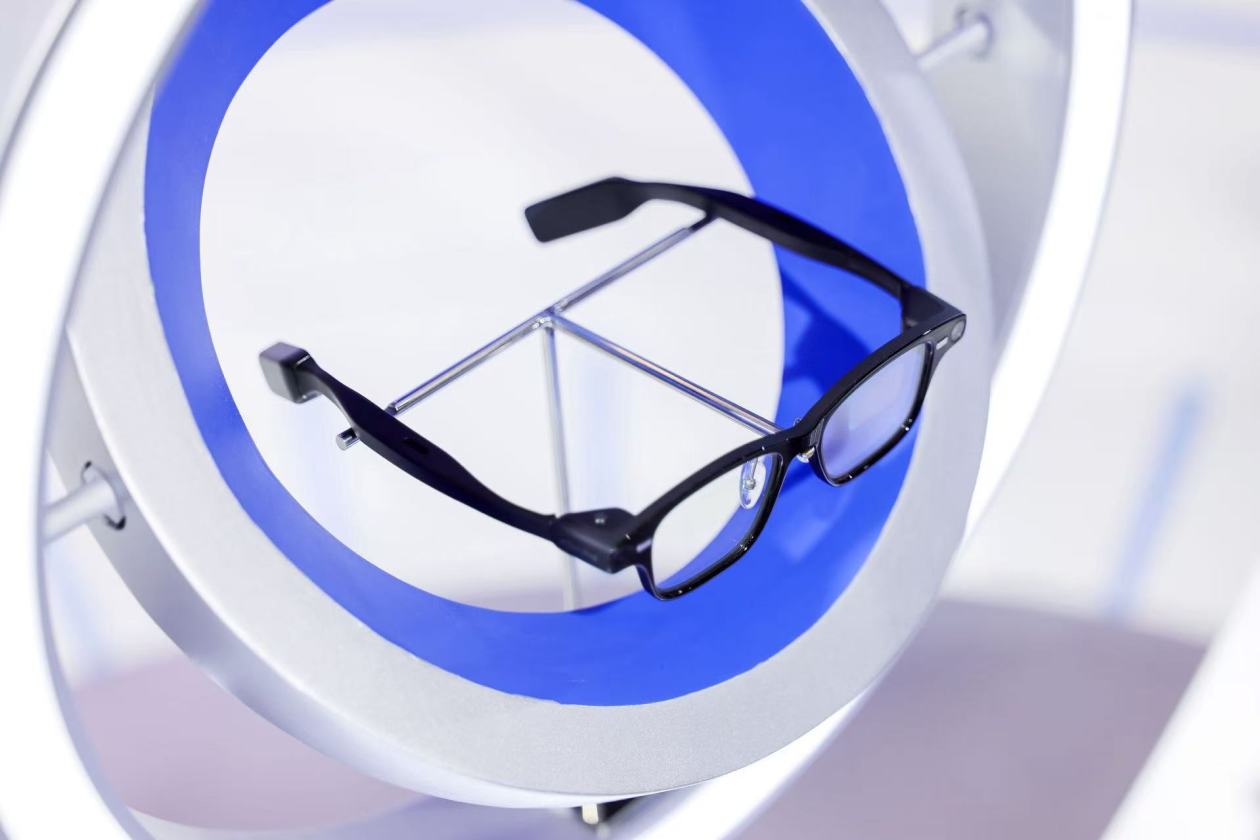
Core Viewpoint - Alibaba has launched its first self-developed AI glasses, the Quark AI glasses, which are now available for pre-sale on Tmall [1] Pricing and Membership - The actual price for 88VIP members is 3,699 yuan, while the price for regular consumers is 3,999 yuan [1] Technical Specifications - The glasses are equipped with dual flagship chips: Qualcomm AR1 and Hengxuan BES2800 [1] - They feature a navigation system developed by Amap, as well as functionalities for Alipay's "Look and Pay," Taobao's price comparison, and Fliggy's travel reminders [1]
阿里夸克AI眼镜24日开启预售 ,3699元起
第一财经· 2025-10-23 10:43
Core Viewpoint - Alibaba has launched its first self-developed AI glasses, the Quark AI glasses, which are now available for pre-sale on its Tmall flagship store, indicating a significant step in the company's hardware and AI integration strategy [1] Group 1: Product Details - The Quark AI glasses are priced at 3,699 yuan for 88VIP members and 3,999 yuan for regular consumers, showcasing a tiered pricing strategy [1] - The glasses are equipped with dual flagship chips, Qualcomm AR1 and Hengxuan BES2800, highlighting the advanced technology used in the product [1] Group 2: Features and Functions - The glasses feature a Gaode near-eye navigation system, which enhances user experience in navigation [1] - They include Alipay's "Look and Pay" secure payment function, indicating a focus on integrating financial technology [1] - The product also offers a feature for Taobao to search for similar items and price comparisons, enhancing shopping convenience [1] - Additionally, the glasses provide travel reminders through Fliggy, indicating a comprehensive approach to user assistance [1]
阿里夸克AI眼镜24日零点开启预售,叠加平台补贴后最低3699元
Xin Lang Ke Ji· 2025-10-23 10:23
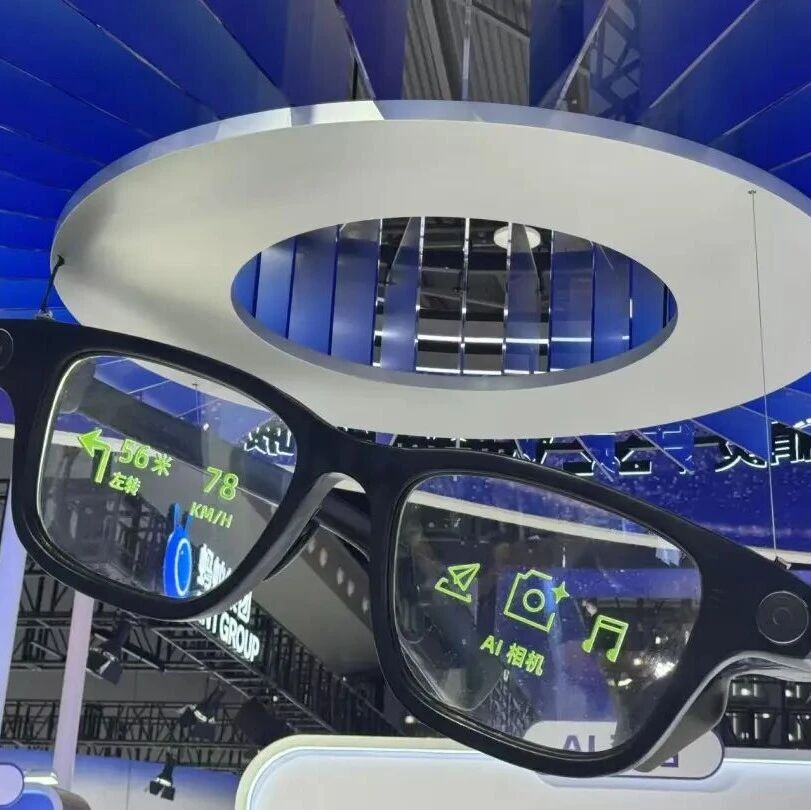
Core Insights - Alibaba is set to launch its first self-developed AI glasses, Quark AI glasses, for pre-sale on October 24, with a price of 3,699 yuan for 88VIP members and 3,999 yuan for regular consumers [1] Product Features - The glasses are equipped with dual flagship chips, Qualcomm AR1 and Hengxuan BES2800, featuring dual optical dual-eye display with adjustable viewing distance [1] - They offer an integrated fitting solution for myopic users and support rapid capture, super night scene, ultra-clear video, and dual stabilization capabilities [1] - The glasses provide infinite battery life through easily replaceable lens batteries and include mainstream functions such as calls, music, translation, reminders, and photo Q&A [1] Additional Services - During the pre-sale period, all users will receive additional benefits including a 3-year Quark cloud storage SVIP membership valued at 900 yuan, a 99 yuan lens battery, and a 10% discount on lens fitting [1] - The product also features customized services such as Gaode near-eye navigation, Alipay "Look and Pay" secure payment, Taobao price comparison, and Fliggy travel reminders [1]
中泰证券:首予康耐特光学“买入”评级 未来有望充分受益于AI眼镜需求放量
Zhi Tong Cai Jing· 2025-10-23 07:43
Company Overview - Company is a leading global manufacturer of optical lenses, specializing in resin eyewear lenses and providing a range of products including standardized, customized, and high-end lenses [1] - The company has three production bases and serves clients globally, covering over 90 countries, including major markets like China, the USA, Japan, and Germany [1] - In the first half of 2025, the company achieved a revenue of 1.084 billion yuan, representing a year-on-year growth of 9.9%, and a net profit of 273 million yuan, up 30.7% year-on-year [1] - The product revenue breakdown for the first half of 2025 includes standardized lenses (5.12 billion yuan, 47.27%), customized lenses (1.85 billion yuan, 17.05%), and functional lenses (3.82 billion yuan, 35.26%) [1] - The company's gross margin has increased from 30.6% in 2018 to an expected 38.6% in 2024, while net margin has risen from 9.1% to 20.8% during the same period, driven by product structure optimization and effective cost control [1] Industry Analysis - The global eyewear lens market has shown steady growth, with manufacturer sales increasing from $5.2 billion in 2019 to $6.2 billion in 2024, reflecting a compound annual growth rate (CAGR) of approximately 3.6% [2] - China is a significant player in the lens manufacturing sector, with sales growing from 15.48 billion yuan in 2019 to 20.72 billion yuan in 2024, achieving a CAGR of about 6.0% [2] - By 2024, China's lens manufacturing is expected to account for approximately 46.4% of the global market [2] - The retail sales of eyewear lenses in China are projected to rise from 29.84 billion yuan in 2019 to 38.15 billion yuan in 2024, with a CAGR of 5.0% [2] - The growth drivers for lens consumption in China include the increasing prevalence of myopia among younger populations and higher per capita consumption rates [2] Company Advantages - The company holds a first-mover advantage in high-refractive index 1.74 lenses, having established a deep partnership with Mitsui Chemicals since 2010, securing a strong supply chain for core raw materials [3] - The company's C2M (Customer-to-Manufacturer) model enhances profitability by allowing rapid responses to personalized demands from retail clients, facilitating low-inventory operations and increasing the share of functional and customized lenses [3] Future Opportunities - The rise of smart glasses is expected to create additional demand for lenses, with higher average selling prices compared to traditional frames [4] - The company is actively developing its XR (Extended Reality) business, having issued a private placement to a subsidiary of GoerTek, which has become the second-largest shareholder, indicating potential for closer collaboration in XR [4] - As of August 31, 2025, the company's XR business has generated approximately 10 million yuan in revenue, with expectations for further growth in the latter half of 2025 and into 2026 [4]

三星不解苹果,只是一味点头
3 6 Ke· 2025-10-23 02:03
Core Insights - Apple has launched the new MacBook and Apple Vision Pro with the M5 chip, enhancing image rendering by 10% and AI processing speed by 50% [1] - Samsung is set to release its Galaxy XR, which has undergone two years of redesign after being initially deterred by Apple's Vision Pro [1][2] - The XR market is witnessing significant competition, with Apple facing challenges in achieving high sales expectations for Vision Pro [10] Group 1: Apple Vision Pro - Apple Vision Pro was released in June 2023, generating high expectations but also concerns due to its high price of approximately 25,000 yuan [3][10] - Initial excitement led to a surge in demand, with many consumers traveling to the U.S. to purchase the device [6][7] - Despite the initial hype, Apple has lowered its sales expectations, predicting sales of less than 500,000 units by the end of 2024 [10] Group 2: Samsung Galaxy XR - Samsung's Galaxy XR aims to compete with Apple Vision Pro, featuring two 4.3K Micro-OLED displays and a Snapdragon XR2+ Gen 2 chip [16] - The device supports various interaction methods, including voice, gesture, and eye movement, and is lighter than Vision Pro at 545g [18] - Priced at $1,799 (approximately 13,000 yuan), Galaxy XR is positioned as a more affordable alternative to Vision Pro [24] Group 3: Market Trends - The XR supply chain is evolving, with companies like Google and Qualcomm supporting Samsung in developing competitive products [12][14] - The AI glasses market is gaining traction, with various companies, including Meta and Xiaomi, launching new products [31][35] - IDC forecasts that AI glasses market shipments will reach 4.065 million units by mid-2025, with expectations to exceed 40 million units by 2029 [35]

Meta们的AI眼镜梦 绕不开中国供应链
Di Yi Cai Jing· 2025-10-22 07:10
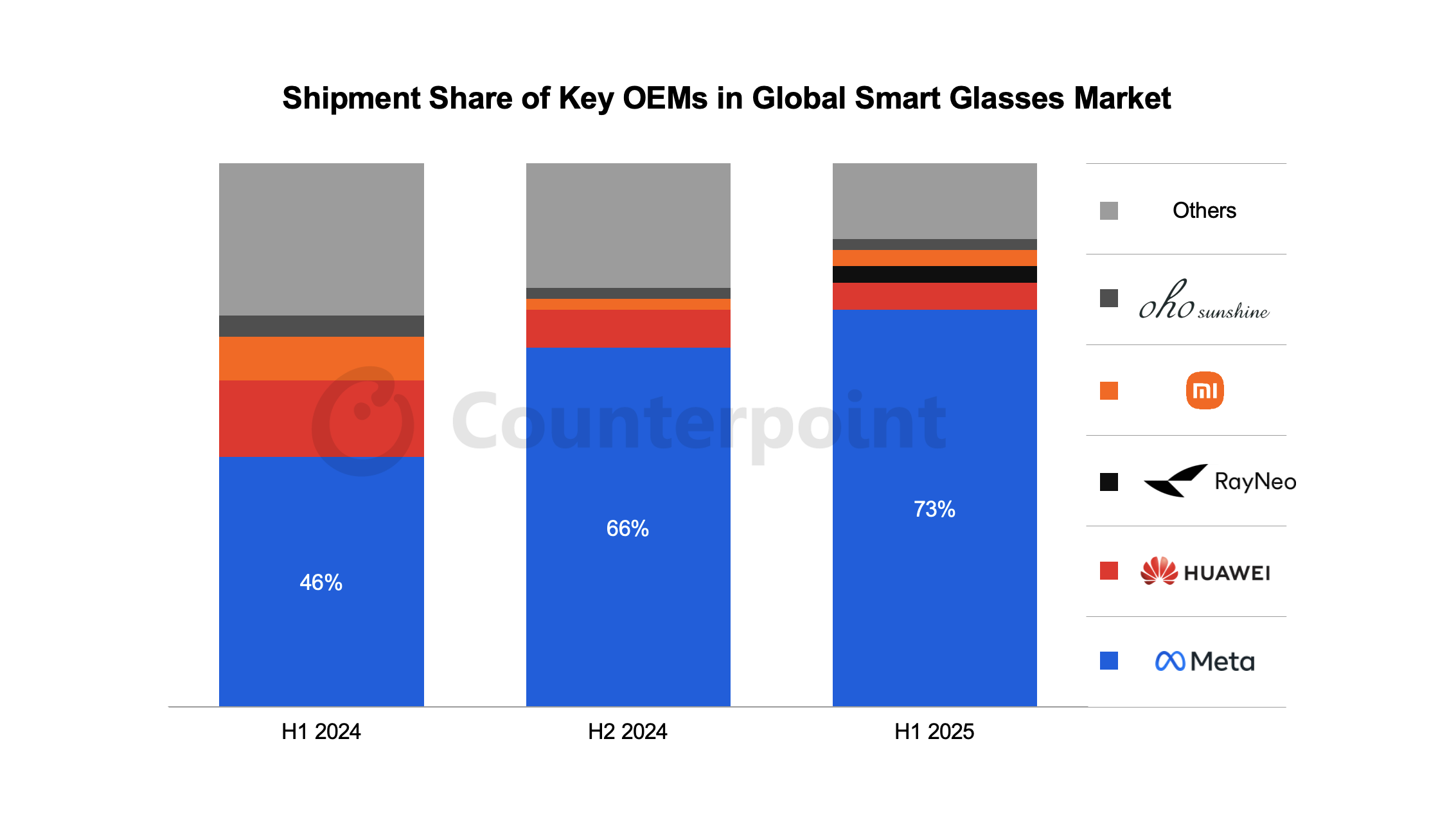
Core Insights - The AI glasses market is rapidly evolving, with major players like Meta and Apple competing to launch innovative products, indicating a significant shift in consumer technology [1][10] - China's supply chain plays a crucial role in the global AI glasses industry, with over 80% of manufacturers based in China, highlighting its dominance in the supply chain [4][5] - The industry is expected to reach a pivotal moment around 2027, where AI glasses may replace smartphones, marking a potential "iPhone moment" for the sector [2][14] Industry Trends - The global AI glasses market is projected to ship 4.065 million units in the first half of 2025, reflecting a year-on-year growth of 64.2%, with expectations to exceed 40 million units by 2029 [3] - Companies like GoerTek, Crystal Optoelectronics, and Sunny Optical are identified as key players in the AI glasses sector, with significant stock price increases since April 2023 [3][4] - The integration of core technologies such as optics, chips, sensors, and AI algorithms is essential for the AI glasses supply chain, with optics being a stronghold for Chinese manufacturers [3][4] Supply Chain Dynamics - China's supply chain advantages stem from a complete ecosystem that includes components like cameras, optical coatings, and assembly, with over 50% global market share in key areas [4][5] - The collaboration between Meta and various Chinese manufacturers underscores the reliance on Chinese suppliers for stable and reliable components [4][5] - The density and efficiency of suppliers in regions like the Pearl River Delta and Yangtze River Delta contribute to China's competitive edge in the AI glasses supply chain [5] Technological Evolution - The transition from OEM to JDM models indicates a shift in Chinese companies from passive roles to active participants in design and manufacturing [6][7] - Continuous investment in R&D, with companies like Sunny Optical committing nearly 7% of revenue annually, reflects a long-term strategy to enhance technological capabilities [7][8] - The industry is witnessing a transformation in interaction methods, with AI expected to significantly improve user experience and potentially replace traditional devices [10][15] Future Outlook - The anticipated breakthrough in AI glasses is expected to occur around 2027, with advancements in spatial computing and optical display technologies [14] - Challenges such as interaction experience, computing power, battery life, and weight remain critical barriers to widespread adoption [14][15] - The industry's goal is to reduce the weight of AR glasses to a more consumer-friendly range, with ongoing efforts to enhance comfort and usability [14][15]