信用评级

Search documents
中国铁建投资集团有限公司2025年面向专业投资者公开发行可续期公司债券(第一期)(品种二)获“AAA”评级
Sou Hu Cai Jing· 2025-05-27 07:21
Group 1 - The core viewpoint of the article is that China Railway Construction Investment Group Co., Ltd. has received an "AAA" rating for its public issuance of perpetual corporate bonds, indicating strong creditworthiness supported by its shareholder strength and competitive advantages in infrastructure investment and urban development [1] - China Railway Construction Investment was established in May 2011 and is the largest specialized investment entity under China Railway Construction Corporation, with a diverse portfolio in infrastructure, mineral resources, and equity investments [2] - The company reported total operating revenues of 38.609 billion yuan in 2024 and 5.898 billion yuan in the first quarter of 2025, reflecting a year-on-year decline of 27.53% and 27.65% respectively, due to the completion of key projects and the early stages of others [2] Group 2 - The rating agency, China Chengxin International, acknowledged the company's strong competitive position in infrastructure investment and construction, as well as its extensive project management experience and financing channels [1] - However, the agency also noted concerns regarding the company's declining contract scale, reduced income and profit, high financial leverage, and the potential for sustained high debt levels, which could impact its overall credit status [1]

华康股份: 华康股份关于“华康转债”2025年跟踪评级结果的公告
Zheng Quan Zhi Xing· 2025-05-26 10:24
Core Points - The company's bond credit rating remains "AA-" and the issuer credit rating is also "AA-" with a stable outlook [1][2] - The previous ratings were confirmed with no changes in the current assessment [2] Summary by Sections Credit Rating - The previous bond credit rating was "AA-" and the issuer credit rating was "AA-" with a stable outlook [1] - The current bond credit rating is "AA-" and the issuer credit rating is "AA-" with a stable outlook, indicating no change from the previous rating [2] Rating Agency - The credit rating was conducted by Zhongzheng Pengyuan Credit Rating Co., Ltd. [2] - The comprehensive analysis and evaluation of the company's operational status were the basis for the rating [2] Reporting - The tracking credit rating report for the company's convertible bonds is available on the Shanghai Stock Exchange website [2]

重庆水务: 重庆水务关于“渝水转债”2025年跟踪评级结果的公告
Zheng Quan Zhi Xing· 2025-05-26 10:24
Group 1 - The core viewpoint of the announcement is that Chongqing Water Group Co., Ltd. has maintained its credit ratings at "AAA" for both the company and its convertible bonds, with a stable outlook [1][2] - The previous credit rating results were also "AAA" for the company and the "Yushui Convertible Bonds," indicating consistency in the company's financial standing [1] - The credit rating report was issued by China Chengxin International Credit Rating Co., Ltd. on May 23, 2025, following a comprehensive analysis of the company's operational status and industry conditions [1]

北京金隅集团股份有限公司主体等级获“AAA”评级
Jin Rong Jie· 2025-05-26 06:28
Group 1 - The core viewpoint of the news is that Beijing Jinyu Group Co., Ltd. has been rated "AAA" by China Chengxin International, reflecting its strong market position and competitive advantages in the cement industry [1] - The company maintains a leading market position in North China and has a significant scale advantage in cement production [1] - The integrated development of the cement industry chain, new building materials, and trade logistics enhances the company's competitive strength [1] Group 2 - The company, originally named Beijing Jinyu Co., Ltd., was established in December 2005 and is a state-owned enterprise approved by the Beijing State-owned Assets Supervision and Administration Commission [2] - The company went public in July 2009 on the Hong Kong Stock Exchange and completed its A-share listing in March 2011 on the Shanghai Stock Exchange [2] - In 2024, the company achieved a total operating revenue of 110.712 billion yuan [2]
金宏气体: 金宏气体:2025年度跟踪评级报告
Zheng Quan Zhi Xing· 2025-05-23 11:37
Core Viewpoint - The credit rating of Jinhong Gas Co., Ltd. is maintained at AA- with a stable outlook, reflecting its comprehensive service capabilities and leading technology in the domestic gas industry, despite challenges such as insufficient downstream demand and intense industry competition [2][4][5]. Company Overview - Jinhong Gas has a complete range of products and maintains a competitive edge in the regional market, with its technology at the leading level among domestic gas companies [2][5][12]. - The company is actively expanding its onsite gas production business through new projects and acquisitions, with a focus on enhancing its market share and product offerings [13][17]. Financial Performance - Total assets increased from 47.35 billion in 2022 to 70.51 billion in 2025, while total liabilities rose from 17.26 billion to 37.04 billion during the same period [6][30]. - Operating revenue grew from 19.67 billion in 2022 to 25.25 billion in 2025, but net profit decreased from 2.41 billion to 2.10 billion, indicating pressure on profitability due to competitive pricing [6][24]. - The company's EBITDA showed fluctuations, with a notable decline in 2024, reflecting the impact of market conditions on operational efficiency [6][30]. Market Dynamics - The industrial gas market is experiencing structural changes, with traditional sectors like steel and chemicals facing demand challenges, while emerging industries such as photovoltaics and semiconductors are driving growth in gas demand [11][12]. - Jinhong Gas faces intense competition from international giants who dominate the high-end gas market, holding approximately 65% market share [11][12]. Investment and R&D - The company has been increasing its R&D investment, with a focus on developing high-purity gases and expanding its product portfolio, holding 366 patents as of 2024 [21][23]. - Significant capital expenditures are planned for ongoing projects, with a total planned investment of 33.70 billion, necessitating careful management of funding and expected returns [23][24]. Risk Factors - The company is exposed to risks from fluctuating raw material prices and competitive pricing pressures, which could impact profit margins and overall financial health [11][24]. - The ongoing expansion and investment in new projects may lead to increased debt levels, necessitating close monitoring of liquidity and financial stability [7][29].

金宏气体: 金宏气体:关于“金宏转债”跟踪信用评级结果的公告
Zheng Quan Zhi Xing· 2025-05-23 11:37
Core Viewpoint - The credit rating for Jin Hong Gas Co., Ltd. and its convertible bond remains stable at "AA-" following a recent evaluation by China Chengxin International Credit Rating Co., Ltd. [1][2] Previous Rating Situation - The previous credit rating for the company was "AA-" with a stable outlook, and the same rating applied to the "Jin Hong Convertible Bond" as of May 23, 2024 [1]. Current Rating Situation - The current credit rating report, issued on May 23, 2025, confirms the company’s credit rating as "AA-" and maintains a stable outlook for both the company and the convertible bond [2]. - The rating results have not changed compared to the previous evaluation [2]. - The credit rating report has been disclosed on the Shanghai Stock Exchange website [2].
恒邦股份: 山东恒邦冶炼股份有限公司2025年度跟踪评级报告
Zheng Quan Zhi Xing· 2025-05-23 09:20
Core Viewpoint - Shandong Hengbang Smelting Co., Ltd. maintains an AA+ credit rating with a stable outlook, primarily due to its advantages in gold smelting, scale, technology, and strong shareholder support, despite facing challenges such as increased inventory, declining processing fees, and rising financial leverage [1][4][5]. Company Overview - The company focuses on gold smelting and has established a certain scale and technological advantage in the industry [1][4]. - It has diversified into non-ferrous metal smelting and the recovery of various valuable elements, which supplement its revenue and profit [1][4]. - The company benefits from strong support from its controlling shareholder, Jiangxi Copper Co., Ltd., which enhances its financial and strategic capabilities [4][7]. Financial Performance - In 2024, the company reported total assets of 247.24 billion yuan and total liabilities of 116.84 billion yuan, with a net profit of 4.66 billion yuan [3]. - The operating income for 2024 was 500.47 billion yuan, reflecting a significant increase compared to previous years [3]. - The company's financial leverage has increased, with total debt rising to 86.57 billion yuan, indicating a weakening in debt repayment capacity [1][3]. Market Conditions - Gold prices have surged, with the average price in 2024 reaching 2,403.55 USD/ounce, a year-on-year increase of 22.97% [5]. - The domestic gold price also rose significantly, with a year-end price of 616.68 yuan/gram, up 28.30% from the beginning of the year [5]. - The copper market is experiencing fluctuations, with processing fees declining, which may impact the profitability of related enterprises [6][14]. Operational Challenges - The company has faced challenges such as increased inventory levels due to expanded operations and rising capital expenditures [1][4]. - Safety incidents have led to temporary production halts, affecting the output of copper and sulfuric acid [13][14]. - The company is under scrutiny for safety management practices following a significant production safety incident [14]. Strategic Initiatives - The company is focusing on expanding its gold mining resources and enhancing its smelting capabilities through various ongoing projects [9][17]. - It aims to strengthen its position in the high-end materials manufacturing sector by leveraging its existing resources [9][17]. - The company is also working on integrating its operations with its controlling shareholder to avoid competition and enhance resource control [10][17].

美国失去顶级评级,白宫只能打肿脸充胖子
Sou Hu Cai Jing· 2025-05-23 04:49
大家都知道,6月底的时候,美国面临着巨额的6.6万多万亿美债到期的重大风险事件。如果不能够顺利借新还旧,美国将迎来前所未有的信用危机。 在美国要展期自己债券的重要节点上,世界三大评级机构之一的穆迪,把美国国家的信用评级由原来的3A降了一级,降到了Aa一级,并且把展望从负面调 整为了稳定。其实穆迪的这一次调降,已经是国际三大信用评级公司里面调降美国信用最晚的一家了,另外两家惠誉和标普早就下调了对于美国的评级。惠 誉是在2023年的8月1号调降的,而标普更是早在2011年的8月5号就把美国的信用评级调降到了次一级。 有人会问,这个信用评级是干什么的。简单来说,有点像咱们大家用的借款时的芝麻信用、淘宝的信用分这些东西。给你打的分越高,银行就可以以越低的 成本向你授予更高的信用额度。比如说,对于信用评级高的国家,给予的债券成本就会相对更低,大约3%;而同一时间,如果你的信用评级更低,可能给 你的债券成本就要到3.5%,甚至4%。 对于美国现在处在的关键时点来说,任何一点点在债券未来利率上可能的上调,都有可能是压死骆驼的稻草。毕竟,美债现在已经深陷到包括流动性危机以 及信任危机所交织在一起的收益率大幅上涨的行情中了。1 ...


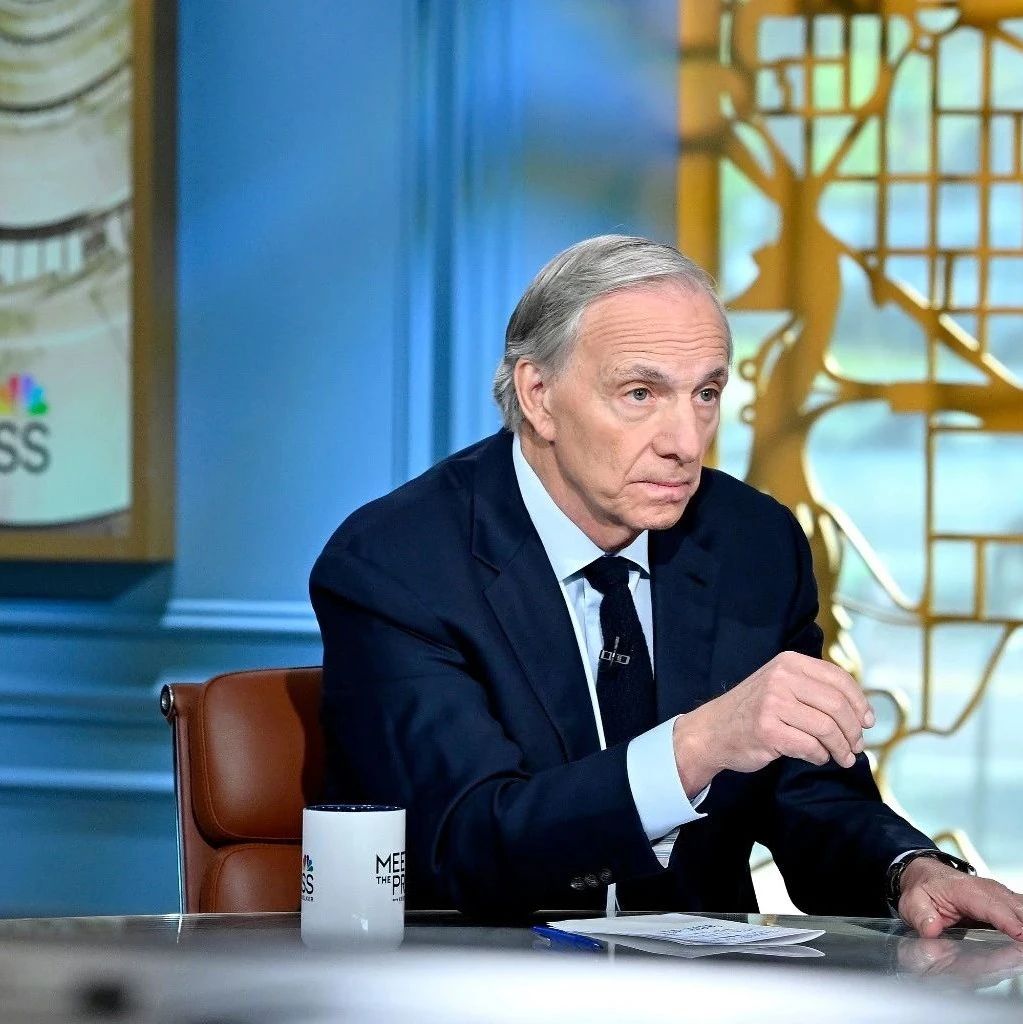
桥水基金创始人:美国信用降级带来的风险将超乎想象
财富FORTUNE· 2025-05-22 14:07
达利欧在X平台发文称:"关于美国债务降级,需知信用评级仅评价了政府违约风险,因而低估了信用 风险。" 上周,评级机构穆迪将美国评级从AAA下调至Aa1,理由是美国国债膨胀导致财政状况日益恶化。在穆 迪下调评级后,美国在三大评级机构中彻底失去最高评级。 穆迪表示,目前国会审议的预算法案只会进一步增加美国本就高企的债务与利息支出。 穆迪在声明中表示:"我们认为当前正在审议的财政提案不会在未来几年实质性地削减开支和缩小赤 字。" 然而,尽管穆迪认为美国违约拒绝偿债的情景目前不太可能出现,但达利欧认为存在一个更大的潜在风 险。他指出,美国失去顶级评级甚至未涵盖更危险的威胁:通过印钞偿债。 达里欧强调:"评级未涵盖负债国通过印钞偿债所带来的更大风险——此举将导致债券持有者因所获资 金的购买力下降(而非偿付金额减少)而蒙受损失。" 若美国单纯选择通过增发美元偿债,而非削减其他开支或增加财政收入,货币供应量激增将引发通胀。 在此情形下,债券持有者获得的收益因美元泛滥稀释,实际价值将大打折扣。 传奇投资人瑞·达利欧警告称,穆迪近期对美国信用评级的调降仅反映出债券持有者当前承受的部分风 险。 达里欧写道:"换言之,对于关注货币 ...