脑机接口技术

Search documents
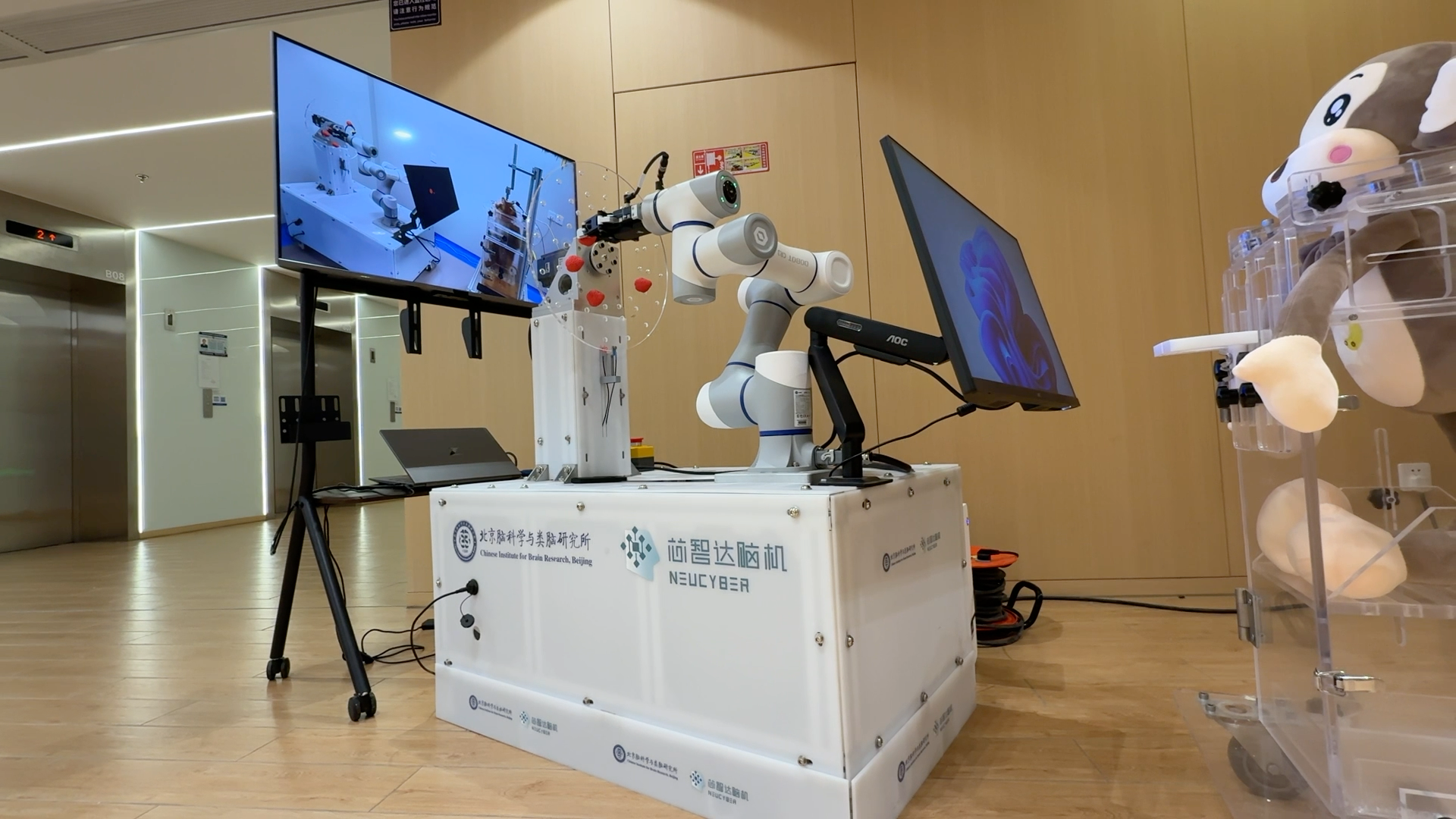
对标Neuralink,这款侵入式脑机接口明年有望临床 | 活力中国调研行
Di Yi Cai Jing· 2025-06-19 15:20
Core Viewpoint - China has reached a world-leading level in semi-invasive brain-computer interface (BCI) technology, with invasive BCI technology also accelerating towards catching up, particularly in the medical field for patients with major motor disorders [1][2]. Group 1: Technology Development - The semi-invasive intelligent brain-computer system "Beijing Brain No. 1" has completed two batches of five human implants, showing initial recovery effects in subjects, and is preparing for formal clinical trials [1][7]. - "Beijing Brain No. 1" is the first international system to achieve over 100 channels, high throughput, wireless full implantation, and near-practical application [5]. - "Beijing Brain No. 2" has achieved the first international success in enabling a monkey to intercept a moving target using thought, with plans for clinical validation next year [10][11]. Group 2: Patient Impact - The initial focus for "Beijing Brain No. 1" is on patients with paralysis and speech disorders, with the potential to help restore communication abilities for speech-impaired patients [2][8]. - Among the five patients implanted, one with speech impairment has achieved a 63% accuracy in decoding 62 words, demonstrating the system's capability to assist in communication [8]. - The other four patients, suffering from various motor function disorders, have shown improvements in rehabilitation, such as enhanced muscle strength and the ability to control mechanical arms [8][9]. Group 3: Market and Competition - China has become the second country globally, after the United States, to enter the clinical trial phase for invasive BCI technology [2]. - The competitive landscape in China's invasive BCI market is expected to accelerate technological advancements, although there is still a gap compared to global leaders like Neuralink, which supports up to 1024 channels [12]. - The establishment of Beijing Brain Institute and the company Chip Intelligence is aimed at promoting the commercialization of BCI technologies and integrating resources for more effective research and development [4][12].

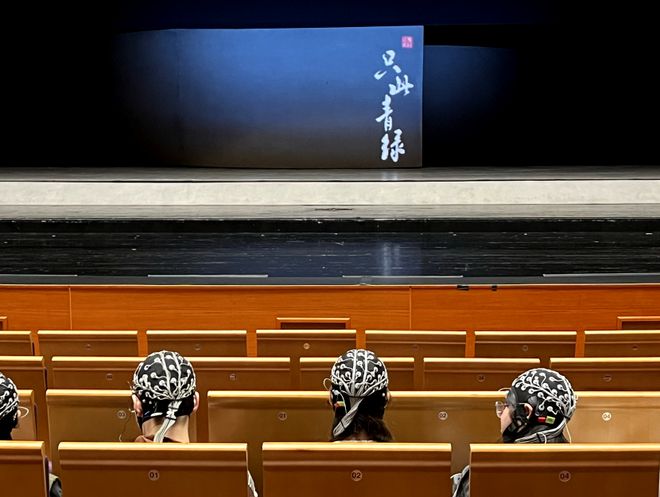
为何“现场观影更打动人”?清华“神奇发帽”剧场实验为你揭秘!
Xin Hua She· 2025-06-19 11:56
Core Insights - A recent experiment at Tsinghua University involved students wearing portable brain-computer interface systems, known as EEG caps, to capture their brain activity while enjoying a live performance, aiming to decode their aesthetic experiences [1][2][4] - This research marks the first application of non-invasive brain-computer interface technology in a real performance setting in China, providing insights into the neural activity patterns during art appreciation [1][4] Group 1: Research Objectives and Methodology - The primary goal of the experiment is to explore the neural activity patterns associated with aesthetic experiences during live performances, enhancing the understanding of why live viewing is more impactful [2][4] - The EEG caps worn by students are equipped with silver electrodes to collect brain signals, which are transmitted wirelessly to a data center for analysis of physiological responses during artistic experiences [4] Group 2: Technological Context and Applications - Brain-computer interface technology is a cutting-edge human-machine interaction tool that captures and decodes brain signals, enabling communication between the brain and machines [2] - The technology has seen rapid development and application in China, including uses in disease diagnosis, safety monitoring in high-risk jobs, rehabilitation, and treatment of neurological disorders like Parkinson's and epilepsy [2]
跨境电商去年出口超2万亿,高息高返购车贷被叫停 | 财经日日评
吴晓波频道· 2025-06-17 17:02
Trade Agreements - The US and UK have reached a preliminary trade agreement covering various sectors including steel, automobiles, ethanol, beef, and aerospace, marking the first such agreement since Trump's administration began imposing tariffs [1] - The agreement allows for increased market access for US agricultural products in the UK, particularly beef and ethanol, with the US setting an annual quota of 100,000 vehicles for UK imports, subject to a 10% tariff [1][2] - While the agreement is seen as a foundation for expanding trade, it is limited in scope and does not cover several key industries such as pharmaceuticals and steel [1] Cross-Border E-commerce - China's cross-border e-commerce exports reached approximately 2.15 trillion yuan in 2024, a year-on-year increase of 16.9%, while imports were about 555.25 billion yuan, growing by 4.1% [3] - The export of consumer goods constitutes 97.5% of cross-border e-commerce, with major products including apparel, digital devices, and home goods, primarily exported to the US, UK, and Germany [3] - The growth of cross-border e-commerce is supported by favorable policies, contributing significantly to overall foreign trade despite rising trade protectionism [4] Online Literature - The user base for Chinese online literature has reached 575 million, with a significant portion of readers aged 26 to 45, and nearly 25% being from the "post-2000" generation [5] - The revenue from online literature is estimated at around 44 billion yuan in 2024, with a total of over 33 million works published [5] - Despite the large user base, the industry faces challenges such as content homogenization and competition from short video formats, leading to a slowdown in user growth [6] Automotive Financing - The "high interest, high return" car loan model has been halted in several regions, with banks suspending such business practices due to regulatory changes [7] - This model involved dealerships receiving high commissions from banks to subsidize car prices, but it has led to various issues, including disputes over early loan repayments [8] - The cessation of this model may indicate a shift towards more sustainable lending practices, as banks need to focus on genuine consumer demand rather than artificially created demand [8] AI and Technology - Alibaba has launched a new version of its Qwen3 model optimized for Apple's MLX framework, which is expected to enhance AI deployment across Apple devices [9] - This move signals a strengthening partnership between Alibaba and Apple, as the models will be available in various precision versions to cater to different devices [9][10] - The growing influence of Qwen in the open-source model space may help revitalize Apple's presence in the Chinese market [10] Pension Funds - As of the first quarter of 2025, China's enterprise annuity fund has accumulated a scale of 3.73 trillion yuan, with a three-year cumulative return rate of 7.46% [11] - The shift to reporting cumulative returns aligns with a long-term investment strategy, reflecting the ability of pension funds to achieve consistent returns, particularly in stock investments [12][13] - The favorable environment for pension fund management, free from the pressures faced by traditional fund companies, allows for a focus on long-term value investment [13] Stock Market Trends - The stock market experienced slight declines, with the Shanghai Composite Index closing at 3387.4 points, down 0.04%, amid a lack of strong market momentum [16] - Despite fluctuations, certain sectors such as oil and gas remain active, while consumer sectors like gaming and beauty faced declines [16] - Upcoming policy announcements from the Lujiazui Forum may create short-term market disturbances but are unlikely to change the overall market trend [17]

我国侵入式脑机接口进入临床试验阶段 多家上市公司积极布局相关领域
Zheng Quan Ri Bao Wang· 2025-06-16 13:15
Group 1: Industry Development - The first invasive brain-computer interface (BCI) clinical trial in China has been successfully conducted, marking a significant breakthrough in the technology, making China the second country globally to enter this phase after the United States [1] - The BCI technology is rapidly advancing, transitioning from laboratory research to clinical applications, with various policies being implemented to support its development [2][3] - The market size for China's BCI industry is projected to reach 3.2 billion yuan in 2024, with an annual growth rate of 18.8%, expected to increase to 5.5 billion yuan by 2027 [3] Group 2: Company Initiatives - Several listed companies are increasing their R&D investments in BCI technology, exploring applications in healthcare and entertainment [4] - Beijing Chengyitong Technology Group has established a dual-track strategy focusing on both invasive and non-invasive BCI technologies, aiming to enhance existing rehabilitation devices and conduct foundational research [4] - Henan Xiangyu Medical Equipment Co., Ltd. has developed a series of wireless EEG acquisition systems for various rehabilitation scenarios, indicating a proactive approach to integrating BCI technology into medical applications [4]

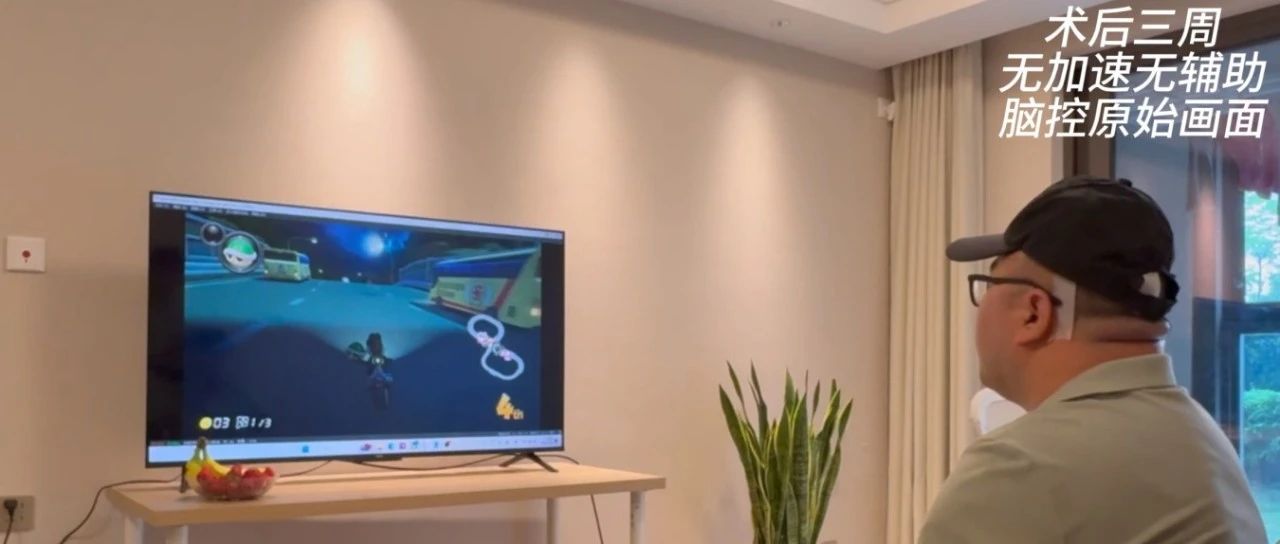
“硬币”和“头发丝” 意念赛车照进现实
Huan Qiu Wang Zi Xun· 2025-06-16 00:40
Core Insights - China's invasive brain-machine interface (BMI) technology has entered the clinical trial phase, making it the second country globally to do so after the United States [2][3] - The technology involves a flexible electrode that is 1% the thickness of a human hair, designed to integrate seamlessly with brain tissue [3][4] - The successful implantation and operation of the system mark a significant advancement in the field, with the potential for widespread clinical applications [10][12] Group 1: Technology and Innovation - The electrode developed by the research team is five to seven times smaller in cross-sectional area than those used by Neuralink, showcasing a significant advancement in flexibility and integration with neural tissue [3][4] - The implantation procedure requires only a 5mm puncture in the skull, reducing surgical risks and recovery time compared to traditional methods [3][4] - The system processes neural signals in milliseconds, utilizing an online learning framework to enhance real-time decoding capabilities [3][4] Group 2: Clinical Applications and Future Prospects - The project aims to extend its applications to patients with complete spinal cord injuries, amputations, and conditions like amyotrophic lateral sclerosis, potentially restoring lost functions [12] - The Shanghai Brain-Machine Interface Clinical Trial and Transformation Key Laboratory has been established to facilitate the transition from research to clinical application [4][10] - The system is designed for long-term use, with plans for future upgrades to ensure patients can access the latest technology without frequent replacements [12] Group 3: Collaboration and Research - The collaboration between Fudan University and the Chinese Academy of Sciences exemplifies a synergistic approach to advancing brain-machine interface technology [8][10] - The research team has conducted over 20 simulation implantations prior to the actual procedure, ensuring precision and safety during the operation [8][10] - The system's design includes privacy protection mechanisms to safeguard the neural data collected from patients [11]
脑机接口新系统成失语者“数字声带” 能帮助病人实时对话并唱出旋律
Ke Ji Ri Bao· 2025-06-15 23:31
Core Insights - A research team from the University of California, Davis has developed a brain-computer interface (BCI) that may help individuals with speech loss due to neurological diseases regain their ability to "speak" [1][2] - This technology translates brain activity into speech in real-time, creating a "digital vocal cord" that allows for more natural communication compared to previous systems that only converted neural activity into text [1][2] Technology Overview - The new BCI system consists of four microelectrode arrays implanted in the brain's speech-generating area, which record neuronal activity when the participant attempts to speak [1] - The system decodes these signals and reconstructs speech output, enabling the participant to control pitch and express different emotions or intentions [1][2] - The speed of this technology is remarkable, with a delay of only 1/40 of a second from neural signal acquisition to speech synthesis, comparable to the time it takes for individuals to hear their own voice while speaking [1] Performance Metrics - Participants can also "sing" short melodies, demonstrating the flexibility of the speech synthesis [2] - The intelligibility of the synthesized speech reached nearly 60%, a significant improvement compared to only about 4% intelligibility without the system [2] Future Implications - This research marks a significant advancement in BCI technology for restoring natural language capabilities, offering new hope for individuals who have lost their ability to speak due to illness or injury [2] - The technology has the potential for broader applications among patients, pushing the field of neural prosthetics towards more intelligent and human-centered solutions [2]
侵入式脑机接口开启临床,企业已收到上千名瘫痪患者请求
第一财经· 2025-06-15 14:16
Core Viewpoint - China's invasive brain-computer interface (BCI) devices are rapidly entering clinical trials, marking a significant advancement in the field and positioning China as the second country globally to reach this stage after the United States [1][3]. Group 1: Clinical Trials and Developments - The first prospective clinical trial of invasive BCI in China has been successfully conducted by the Chinese Academy of Sciences and Fudan University, meeting medical device registration standards [1]. - Several companies, including Shanghai Ladder Medical Technology, are developing BCI devices aimed at treating patients with motor function disorders, such as spinal cord injuries and amyotrophic lateral sclerosis [3][4]. - Ladder Medical's BCI system has shown promising results, allowing patients to perform tasks like playing chess and racing games after just 2-3 weeks of training [3]. Group 2: Patient Recruitment and Research - The clinical cohort study led by Fudan University and Beijing Xuanwu Hospital has begun patient recruitment to validate the efficacy and safety of invasive BCI treatment [3]. - Companies like Beijing Chip Intelligence and Hangzhou Jialiang Medical have also announced plans for clinical research on BCI devices [3][4]. Group 3: Patient Impact and Demand - There is a significant demand for BCI technology, with over a thousand requests from paralyzed patients seeking participation in clinical trials [6][7]. - The development of BCI devices is seen as a beacon of hope for approximately 4 million spinal cord injury patients in China [7]. Group 4: Technological Advancements - Jialiang Medical has completed nearly 100 clinical implants for epilepsy treatment, with plans to submit data for product approval [8]. - Brain Tiger Technology has developed a next-generation wireless BCI product, which has shown capabilities in controlling complex games and smart devices [8]. Group 5: Industry Challenges and Future Outlook - Experts emphasize that while progress has been made, there is still a considerable gap between China's BCI development and that of leading global competitors [9]. - Companies are advised to focus on long-term research collaboration rather than immediate profit from BCI product sales [9].
马斯克的Neuralink:能让猴子看见并不存在的东西
Hua Er Jie Jian Wen· 2025-06-14 12:11
Core Insights - Neuralink has successfully enabled a monkey to "see" virtual objects through its brain-machine interface technology, which has potential applications for helping blind individuals perceive the world [1] - The device, named Blindsight, stimulates areas of the brain associated with vision, tricking the monkey's visual system into recognizing non-existent objects [1] - This marks the first public demonstration of Blindsight's experimental results, highlighting the cutting-edge nature of brain device development aimed at treating traditionally difficult medical conditions like blindness [1] Summary by Sections Technology and Innovation - Blindsight is a brain-implanted chip designed to simulate eye functions and directly stimulate the visual cortex [1] - During experiments, the monkey looked at the location of a virtual object over two-thirds of the time, indicating it perceived the non-existent target [1] Future Applications - The short-term goal of Blindsight is to assist blind individuals in seeing, while the long-term vision includes achieving "superhuman vision," such as the ability to see infrared light [2] - Neuralink is also advancing another project aimed at helping paralyzed individuals interact with computers using their thoughts [2] Human Trials - Currently, five humans have received Neuralink implants, with three implanted in 2024 and two in 2025, and some participants reportedly use the brain-machine device for up to 60 hours per week [2]
Neuralink最新“黑科技”:脑机接口可让猴子看见不存在的物体
财联社· 2025-06-14 06:41
Core Insights - Neuralink has made significant progress in developing a brain-machine interface device called "Blindsight," which allows a monkey to perceive non-existent objects, marking a step towards restoring vision for the blind [1] - The company has implanted brain-machine interface devices in five human patients, enabling them to interact directly with computers, with some using the device for up to 60 hours a week [2] - Elon Musk envisions that future brain-machine interfaces could restore mobility to paralyzed individuals and enhance human information processing speed to mitigate risks associated with digital superintelligence [3] Summary by Sections - **Blindsight Device Development** - The Blindsight device stimulates visual areas in the monkey's brain to create visual simulations, with the monkey turning its gaze towards the simulated objects two-thirds of the time during tests [1] - This is the first public disclosure of experimental data for Blindsight, which aims to replicate eye functions and push the boundaries of traditional medicine [1] - The device has not yet been approved for human use in the U.S. [1] - **Human Implantation Progress** - Neuralink has successfully implanted devices in five human patients, with three procedures completed in 2024 and two planned for 2025 [2] - Some patients reportedly use the device for as much as 60 hours per week [2] - **Future Aspirations** - Musk has expressed hopes that similar devices could enable paralyzed individuals to regain movement and even walk again [3] - The company is also working on enhancing the Blindsight system with a pair of glasses to augment the chip's functionality [4] - Neuralink plans to use surgical robots to implant chips deeper in the human brain, as the visual cortex in monkeys is more accessible [5]

我国成功开展首例侵入式脑机接口临床试验
财联社· 2025-06-14 03:33
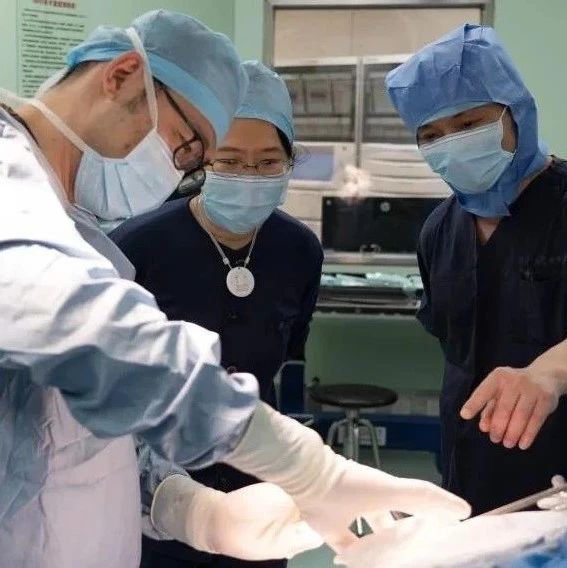
Core Viewpoint - The article highlights the successful implementation of China's first invasive brain-computer interface (BCI) clinical trial, marking the country as the second globally to enter this phase of BCI technology [1][3]. Group 1: Clinical Trial Details - The subject of the trial is a male who lost all four limbs due to an electric shock accident. Since the implantation of the BCI device in March 2025, he has achieved functionalities such as playing chess and racing games within 2-3 weeks of training, reaching a level comparable to that of an average person using a computer touchpad [3]. - The BCI system aims to improve the quality of life for patients with spinal cord injuries and amputations through motor function replacement technology [3]. Group 2: Technological Innovations - The neural electrodes developed by the Chinese Academy of Sciences are the smallest and most flexible in the world, with a cross-sectional area only 1/5 to 1/7 of those used by Neuralink, and flexibility exceeding theirs by over a hundred times, minimizing damage to brain tissue [7]. - The BCI implant has a diameter of 26mm and a thickness of less than 6mm, making it the smallest brain-controlled implant globally, about half the size of Neuralink's product. This allows for a less invasive surgical procedure, reducing risks and recovery time [10]. Group 3: Surgical Precision - The success of the surgery relies on precise localization and implantation of the electrodes. Various brain function localization methods were employed, including functional MRI and 3D modeling, to create a detailed functional map of the patient's motor cortex, ensuring accurate implantation [11]. Group 4: Future Applications - The project team plans to enable the subject to use a robotic arm for physical tasks such as grasping and holding objects. Future developments will also include controlling complex physical devices like robotic dogs and intelligent agents to further expand the subject's capabilities [12].