中华民族共同体意识

Search documents
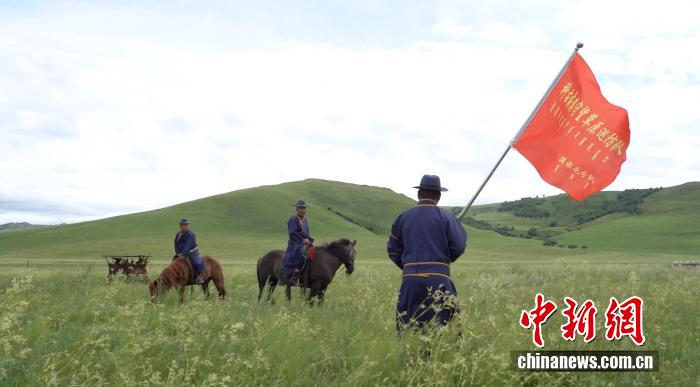
石榴花开北疆红·籽籽同心家国情|守望草原巡防队——祖国北疆边境线上的钢铁长城
Zhong Guo Xin Wen Wang· 2025-07-30 08:54
Core Viewpoint - The establishment of the "Guarding the Grassland Patrol Team" in Inner Mongolia's Keyou Qianqi has significantly enhanced border security and community engagement in the region, promoting a sense of national unity among various ethnic groups [2][3]. Group 1: Patrol Team Formation and Structure - The "Guarding the Grassland Patrol Team" was formed in 2020, consisting of local party members, retired soldiers, and herders, to address security challenges in the sparsely populated region [2]. - The team has expanded from over 30 members to more than 120, representing multiple ethnicities, thus fostering a sense of community and national identity [2][3]. Group 2: Patrol Activities and Achievements - Since its inception, the patrol team has conducted over 3,700 kilometers of patrols, provided more than 150 pieces of dynamic police information, assisted in solving 75 cases, and eliminated over 3,000 wild cannabis plants [3]. - The patrol team operates under a community-based model, emphasizing collaboration with local residents to enhance security and crime prevention [3]. Group 3: Involvement of Youth - An increasing number of young people are returning to their hometowns after education to join the patrol efforts, embodying the spirit of dedication and resilience [3]. - The local government highlights the importance of youth involvement, noting their passion for their homeland and commitment to service [3].

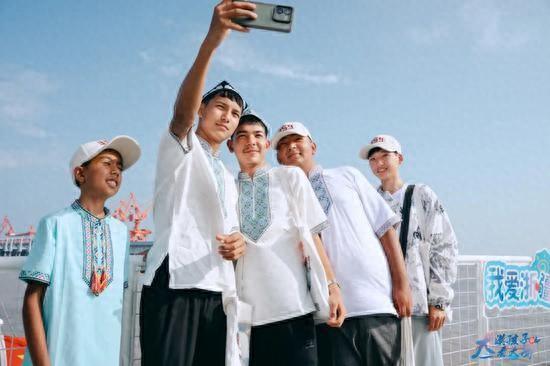
沙盟海誓情 和合石榴红——“大漠孩子看大海”和合石榴籽融情行动综述
Zhong Guo Xin Wen Wang· 2025-07-15 09:05
Core Points - The event "Big Desert Kids See the Sea" held in Taizhou aimed to promote national unity by connecting youth from Alar, Xinjiang, with the coastal city of Taizhou, showcasing the beauty of development and cultural exchange [1][11][19] - The initiative is part of a broader strategy to implement the national policy on Xinjiang support and enhance the awareness of the Chinese national community among the youth [1][11] Group 1: Cultural Exchange and Unity - Students from Alar experienced the historical significance of Dachen Island, learning about the struggles of youth volunteers who transformed barren land into a home, which resonated with their own stories of perseverance [3][5] - The shared spirit of dedication and resilience was highlighted through the comparison of the agricultural efforts in Dachen Island and the military agricultural history of Alar, emphasizing a common national identity [5][11] - The visit to cultural sites like the Tiantai Mountain and the Qingshan Temple allowed students to appreciate the rich history and the concept of harmony within Chinese civilization, reinforcing the idea of unity among diverse ethnic groups [12][14] Group 2: Educational and Technological Insights - The students visited the Donghang Aquaculture Seedling Technology Base, where they learned about the successful breeding of crabs in desert conditions, symbolizing the spirit of innovation and cooperation between regions [7][19] - At the Sanmen Nuclear Power Station, students were introduced to advanced energy technologies, highlighting the importance of clean energy and its role in national development [16][19] Group 3: Emotional and Social Connections - The event fostered emotional bonds between the youth of Alar and Taizhou, culminating in gift exchanges that symbolized friendship and mutual understanding [17][19] - The initiative is part of a larger framework to establish a "two-way emotional connection" mechanism, facilitating ongoing exchanges and interactions between the two regions [17][19]
见证多元文化交融影响,“西夏陵”列入《世界遗产名录》—— 讲述中华文明的包容与厚重(文化中国行)
Ren Min Ri Bao· 2025-07-12 21:58
Core Points - The UNESCO World Heritage Committee has officially added the "Western Xia Tombs" to the World Heritage List, bringing China's total number of World Heritage sites to 60 [1] - The Western Xia Tombs, established by the Tangut people during the Western Xia Dynasty from the 11th to 13th centuries, serve as a significant testament to the formation of a multi-ethnic unified nation in China [2] Group 1: Cultural Significance - The Western Xia Tombs cover an area of nearly 40 square kilometers and include 9 imperial tombs, 271 accompanying graves, and various architectural and archaeological sites, showcasing the historical significance of the Western Xia Dynasty [2] - The site reflects the cultural exchange and innovation among different ethnic groups, as evidenced by its architectural features and burial customs [2][3] Group 2: Archaeological Findings - Artifacts unearthed from the Western Xia Tombs, such as the green-glazed chiwen, provide crucial insights into ancient Chinese architectural history and demonstrate the integration of Central Plains culture [4] - The discovery of bilingual inscriptions in Western Xia and Han characters illustrates the deep cultural integration during the Western Xia period [4] Group 3: Economic and Trade Aspects - The Western Xia Dynasty was strategically located along the Silk Road, facilitating trade and cultural exchanges with neighboring states and distant regions [5] - Artifacts like coins, silk, and other trade goods highlight the Western Xia's role as a commercial hub in cross-regional trade during the era [6] Group 4: Preservation Efforts - The successful application for World Heritage status involved extensive efforts in site protection, environmental improvement, and community engagement, showcasing the dedication of various stakeholders [7][9] - Innovative preservation techniques have been developed to protect the earthen structures of the tombs, setting a benchmark for heritage conservation in arid regions [8] Group 5: Community Impact - The heritage protection efforts have positively impacted local communities, improving living standards and fostering a sense of pride and responsibility towards the Western Xia heritage [10] - Community involvement in preservation activities has strengthened the connection between the public and the Western Xia Tombs, enhancing cultural awareness and education [9][10]
共绘雪域高原同心圆——第十批援藏和第五批援青工作纪实
Xin Hua She· 2025-07-07 15:08
Core Points - The article highlights the strategic decision of the Chinese government to implement paired assistance programs for Tibet and Qinghai, emphasizing the importance of mutual support between developed and underdeveloped regions [1] - The efforts of the tenth batch of aid workers to Tibet and the fifth batch to Qinghai have significantly contributed to local development, particularly in education and healthcare [2][3] Education Sector - A team of seven educators from Shanghai achieved a 71.43% undergraduate enrollment rate at a school in Qinghai, establishing a comprehensive support system for teaching reform and cultural transmission [2] - The collaboration between external teachers and local educators has transformed traditional educational support into a two-way empowerment model [2] Healthcare Sector - The establishment of a "chest pain center network" in Nagqu, Tibet, has improved emergency response times for acute chest pain patients [3] - Qinghai's healthcare system has seen advancements, including the certification of a second-level hospital and the introduction of advanced medical equipment, enhancing local healthcare accessibility [3][4] Economic Development - The article discusses the successful implementation of various projects aimed at improving local livelihoods, with over 80% of aid funds directed towards grassroots initiatives in Tibet [5] - In Qinghai, 20 hospitals have conducted over 1,300 new medical projects, successfully treating over 182,700 critical patients [5] High-Quality Development - The article emphasizes the importance of high-quality development in the western regions, with a focus on ecological tourism and clean energy as key drivers for local economies [6][7] - Innovative projects, such as the domestication of cold-water salmon and the establishment of a "dragon shrimp economy," have emerged as successful examples of local industry development [7][8] Cultural Exchange - Cultural initiatives, such as music performances and educational exchanges, have fostered deeper connections between different ethnic groups, enhancing national unity [10][11] - The article highlights the emotional impact of these exchanges, showcasing the commitment of aid workers to the local communities [12][13]
你中有我,我中有你,我们是一家人
Guang Xi Ri Bao· 2025-07-07 02:22
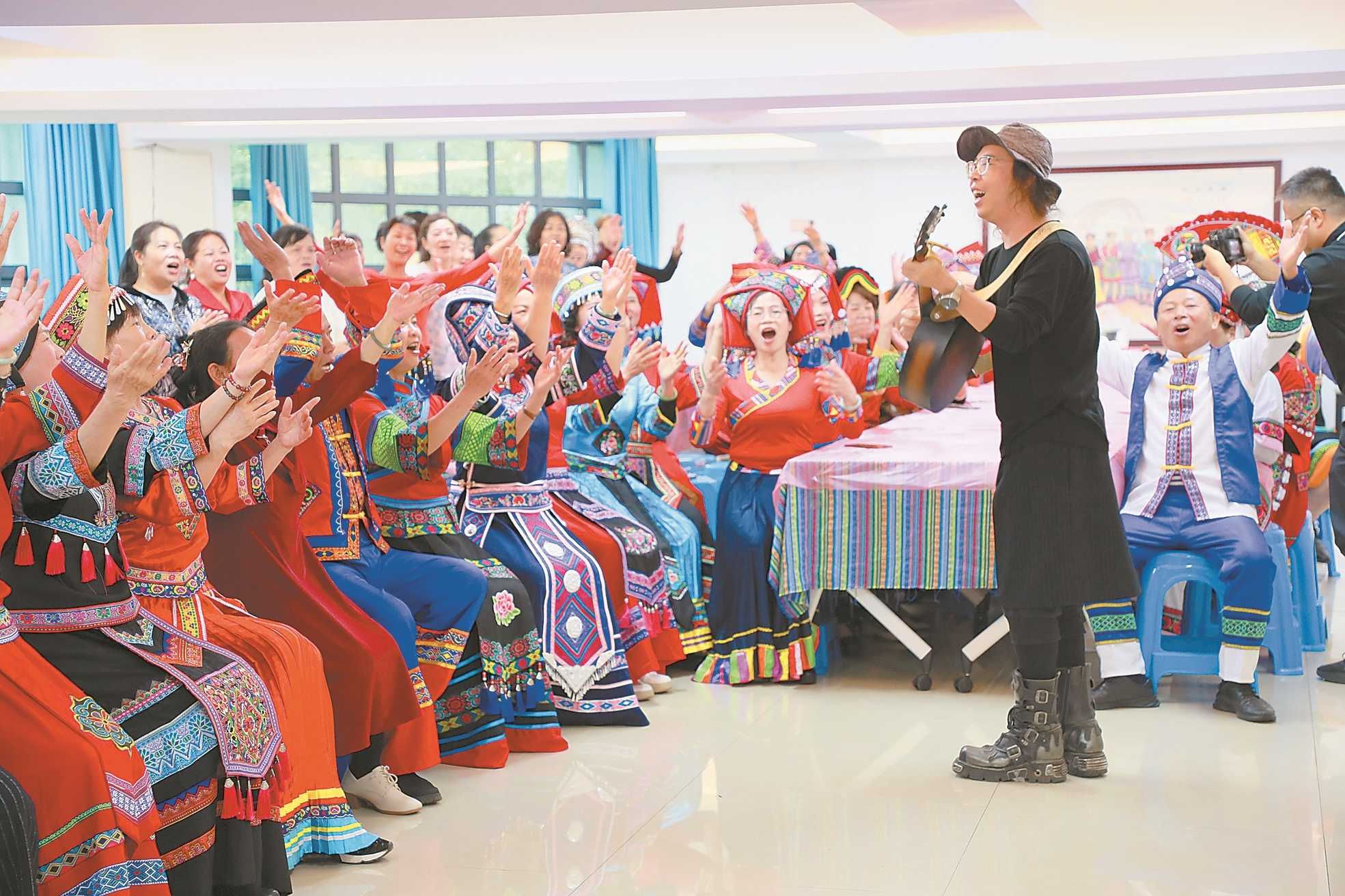
Core Viewpoint - The article emphasizes the importance of building multi-ethnic integrated communities in Guangxi, promoting ethnic unity and cultural exchange among various ethnic groups through community activities and services [6][20][68]. Group 1: Community Integration - Guangxi has established 2,373 communities, forming various types of integrated communities, such as poverty alleviation relocation communities and migrant worker communities [7][19]. - The construction of multi-ethnic integrated communities is seen as a vital approach to enhance interaction and integration among different ethnic groups [6][17]. - The community serves as a warm harbor for diverse ethnic groups, facilitating their integration into the broader Chinese cultural landscape [5][6]. Group 2: Cultural Exchange - Cultural recognition is fundamental for ethnic unity, with various ethnic festivals celebrated collectively, fostering mutual respect and appreciation among different cultures [59][60]. - The article highlights the role of community activities in promoting cultural exchange, such as singing, dancing, and sharing traditional foods during festivals [58][60]. - The integration of cultural practices from different ethnic groups contributes to a shared identity and strengthens community bonds [59][68]. Group 3: Economic Development - Employment initiatives, such as the "Little Liang Sends Workers" program, have successfully connected local labor with job opportunities, resulting in significant income generation for the community [46][47]. - The establishment of industries in relocation communities has created job opportunities, with an average monthly income exceeding 3,600 yuan for workers [51]. - The article notes that the economic integration of various ethnic groups is essential for achieving common prosperity and stability within the community [48][52]. Group 4: Social Services - Community services focus on the well-being of residents, particularly the elderly and children, ensuring that their needs are met [69][70]. - The presence of work teams from various counties in communities helps address residents' concerns and improve service delivery [70]. - The integration of social services is crucial for enhancing the quality of life and fostering a sense of belonging among residents [69][70].
一门课如何让“Z世代”紧抱成“石榴籽”
Zhong Guo Qing Nian Bao· 2025-07-06 02:55
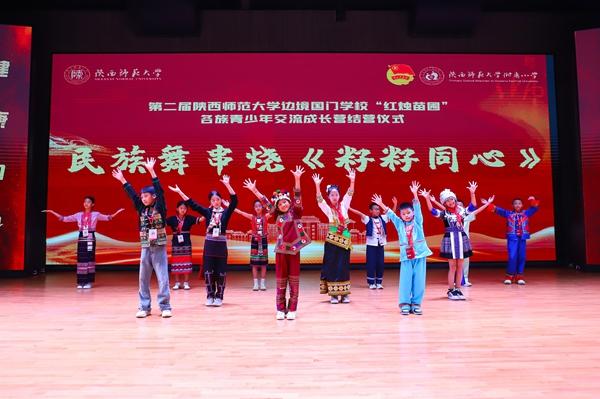
Core Viewpoint - The articles highlight the importance of fostering a sense of the Chinese national community among youth through education and cultural exchange, emphasizing historical narratives and personal stories to deepen understanding and emotional connection to the concept [3][4][9]. Group 1: Educational Initiatives - Many universities are prioritizing the cultivation of a sense of the Chinese national community in their ideological and political education courses [3][4]. - The "Chinese National Community" course at Central University for Nationalities combines Marxist ethnic theory with historical wisdom accumulated over thousands of years [3][5]. - The course utilizes engaging historical narratives and data analysis to present the development of the Chinese national community, moving beyond traditional historical perspectives [5][6]. Group 2: Cultural Exchange Programs - The "Red Candle Nursery" program at Shaanxi Normal University brings together youth from various ethnic backgrounds for cultural exchange, allowing them to explore Chinese culture and technological advancements [6][10]. - Activities such as red music concerts and field trips to historical sites are designed to enhance students' emotional engagement and understanding of national unity [6][8]. - The program has successfully connected nearly a thousand university students with minority schoolchildren, promoting cultural exchange through technology [10][12]. Group 3: Historical Narratives and Personal Stories - Personal stories, such as the historical account of orphans being raised by pastoral families in Inner Mongolia, serve to illustrate the deep-rooted connections among different ethnic groups [4][9]. - The course encourages students to reflect on their own experiences and the shared history of cooperation among ethnic groups during challenging times [9][11]. - The emotional resonance of these narratives helps students transition from initial emotional responses to a deeper rational understanding of the Chinese national community [9][11].
两岸以船政文化为纽带追溯共同历史记忆
Xin Hua Wang· 2025-07-02 01:58
Core Viewpoint - The event held in Fuzhou on July 1 commemorates the 80th anniversary of the victory in the Anti-Japanese War and the 80th anniversary of Taiwan's liberation, emphasizing the importance of maritime culture in strengthening cross-strait relations [1][2]. Group 1: Event Overview - The event attracted over 200 participants, including maritime culture experts, descendants of maritime officials, and representatives from Taiwan [1]. - The main theme of the keynote speech was "Strengthening Maritime Power Together to Protect Our Homeland," focusing on shared historical memories and cultural heritage [1]. Group 2: Cultural Significance - Maritime culture is viewed as a historical symbol of the Chinese nation's maritime aspirations, linking the history of maritime governance with Taiwan's resistance during the war [1]. - Experts emphasized that the shared maritime culture can enhance awareness of maritime defense and contribute to national rejuvenation and the complete unification of the motherland [1]. Group 3: Future Initiatives - The "Maritime Anti-Japanese War Historical Investigation" project was launched during the event, aiming to promote research and documentation of maritime history [2]. - The initiative seeks to foster cooperation between the two sides of the strait in exploring and presenting historical materials related to the Anti-Japanese War and Taiwan's liberation [2].
爱国团结跟党走 青春奋进新征程——全国青联五年工作综述
Xin Hua Wang· 2025-06-30 02:38
Core Viewpoint - The National Youth Federation (青联) emphasizes the importance of youth in national development and aims to strengthen the connection between the party and the youth, guiding them to contribute to China's modernization efforts [1][13]. Political Guidance - The organization prioritizes political guidance, helping youth understand the significance of the "two establishments" and enhancing their political awareness and confidence [2]. Educational Initiatives - Over the past five years, the National Youth Federation has conducted political training for over 1,500 members and engaged more than 170,000 youth in various educational activities, promoting theoretical learning and political consciousness [3]. Communication and Engagement - The "Youth Federation Lecture Hall" initiative has reached various communities, effectively communicating the party's innovative theories and achievements to guide youth in their development [4]. Consensus Building - The organization has expanded its outreach and improved its methods to unite youth from diverse backgrounds, implementing various educational activities to engage new-generation youth [5]. Youth Empowerment - The National Youth Federation has actively aligned its efforts with national strategies, encouraging youth participation in technological innovation, rural revitalization, and social services [7][8]. Organizational Development - The establishment of 1,906 county-level youth federations represents a significant achievement in strengthening organizational structure, covering 66.8% of all county-level administrative units [9]. Service Initiatives - The organization has created over 2,600 "Youth Stations" across 201 cities to provide affordable accommodation for youth during critical transitional periods [11]. Advocacy and Rights Protection - The National Youth Federation has submitted 22 group proposals and facilitated the submission of 22,000 suggestions and proposals from various youth organizations, ensuring youth voices are heard [12].
米娜瓦尔·艾力:播撒民族团结“金种子”
Zhong Guo Qing Nian Bao· 2025-06-25 22:36
Group 1 - The core idea of the articles revolves around the efforts of Mi Na Wa Er Ai Li in promoting ethnic unity and cultural integration among students from various ethnic backgrounds in Ningbo Vocational and Technical College [1][2][3] - Mi Na Wa Er Ai Li has developed a "three-dimensional support" model that includes academic tutoring, practical platform establishment, and psychological counseling, resulting in a 42% decrease in the failure rate and a 67% reduction in psychological crisis incidents among minority students over three years [1][2] - The "Happiness Pomegranate Seed" cultural project initiated by Mi Na Wa Er Ai Li has engaged over 400 youth volunteers in more than 160 educational events, reaching over 80,000 individuals in border areas over the past decade [1][2] Group 2 - The "Colorful Wind" art troupe established by Mi Na Wa Er Ai Li serves as a platform for cross-cultural exchange, showcasing performances that blend various ethnic traditions [1][2] - Mi Na Wa Er Ai Li has organized over 160 training sessions over seven years to enhance language skills and vocational training for workers in ethnic regions, benefiting over 30,000 individuals and helping nearly 1,000 people secure stable employment in eastern cities [2] - The "Pomegranate Seed" public welfare fund established by Mi Na Wa Er Ai Li has supported 349 students from border areas, contributing to their educational aspirations and fostering a new generation of talent for regional development [2]
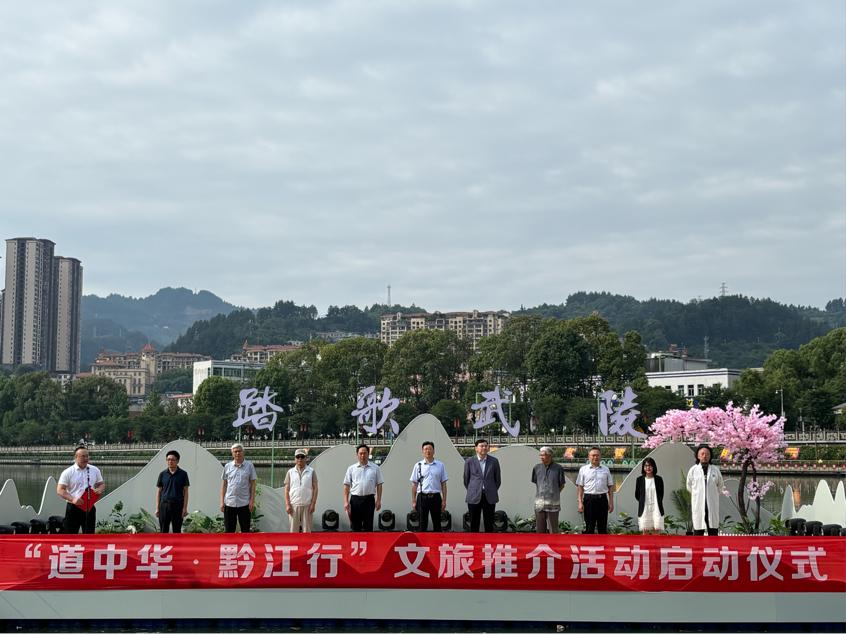
“道中华·黔江行”活动在重庆顺利启动
Yang Shi Wang· 2025-06-25 01:35
Group 1 - The "Dao Zhonghua·Qianjiang Xing" cultural tourism promotion event was launched on June 24 in Qianjiang, Chongqing, organized by various governmental and media entities [1][3] - "Dao Zhonghua" is a national ethnic cultural brand aimed at promoting the awareness of the Chinese national community and serves as a platform for education and dissemination [3] - The event aims to showcase the harmonious coexistence and development of various ethnic groups in Qianjiang, highlighting its role as a model for ethnic integration in China [3][4] Group 2 - Qianjiang is located in the southeastern part of Chongqing and is recognized as a central city in the Wuling Mountain area, characterized by a diverse population including Tujia, Miao, and Han ethnic groups [3] - The event will include visits to historical and cultural sites such as Zhuoshui Ancient Town and Tujia Thirteen Villages, allowing participants to experience the rich cultural heritage and natural beauty of Qianjiang [4] - Activities will feature various intangible cultural heritages, including traditional performances and local customs, to provide a comprehensive experience of Qianjiang's cultural and ecological charm [4]