
信用体系

Search documents
高德降维打击:一个“新物种”正在重写商业生态的游戏规则
Ge Long Hui· 2025-09-10 12:19
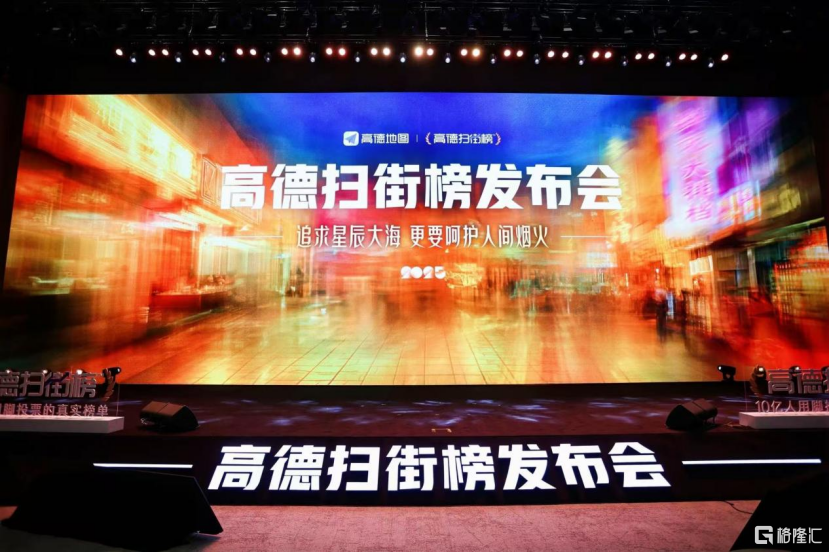
Core Viewpoint - Gaode Map has launched the "Gaode Street Ranking," the world's first ranking based on real user behavior, marking a significant shift towards integrating local life services with e-commerce [1][21]. Group 1: Gaode's Strategic Shift - Gaode is transitioning from merely directing traffic to stores to facilitating actual transactions, allowing tool-based apps to monetize effectively [3][4]. - The app boasts a substantial user base with 186 million daily active users and 800 million monthly active users, indicating its critical role in users' travel and consumption decisions [4][5]. - Gaode's integration of "location-based e-commerce" aligns with Alibaba's broader ecosystem, enhancing connectivity across various services like e-commerce, payment, and logistics [5][6]. Group 2: The "Street Ranking" and Its Unique Features - The "Street Ranking" is distinguished by its evaluation system based on actual user behavior rather than subjective reviews, utilizing a three-layer firewall of behavior data, Sesame Credit, and AI risk control to ensure credibility [11][14]. - The ranking system reflects real merchant popularity through metrics like "Tire Wear Ranking" and "Returning Customer Ranking," providing a more accurate representation of consumer preferences [11][12]. - High credit users' evaluations carry more weight, enhancing the reliability of the ranking system and promoting a fair competitive environment for businesses [13][14]. Group 3: Implications for the Local Service Industry - The introduction of the "Street Ranking" aims to address the issues of "review inflation" and "fear of negative reviews" in the local service industry, transforming "real" into a tradable and valuable asset [16][18]. - Gaode's model is expected to expand beyond dining to other sectors like hotels and tourism, fostering a healthier ecosystem by rewarding genuine consumer behavior [18][19]. - The overarching goal is to convert user behavior data into a foundational element for a comprehensive consumption platform, enhancing the overall service quality in the industry [18][19]. Group 4: Future Outlook - The launch of the "Street Ranking" signifies a shift from traditional traffic-driven strategies to a focus on a credit-based system, potentially rewriting the rules of online and offline commerce [21]. - As the industry evolves, Gaode's approach may lead to a more integrated commercial landscape, where verified consumer actions replace superficial metrics [21].


高德降维打击:一个“新物种”正在重写商业生态的游戏规则
格隆汇APP· 2025-09-10 12:12
Core Viewpoint - The launch of the "Gaode Street Ranking" marks a significant shift for Gaode Map, transitioning from a tool-based platform to a closed-loop ecosystem that integrates content, decision-making, and transactions, aiming to reshape the online and offline commercial landscape [2][4][21] Group 1: Gaode's Strategic Shift - Gaode Map is evolving from merely directing users to stores to facilitating actual transactions, allowing tool-based apps to monetize effectively [4][6] - The platform boasts a substantial user base with 186 million daily active users and 800 million monthly active users, indicating its critical role in users' travel and consumption decisions [4][5] - Gaode's integration of "location e-commerce" aligns with Alibaba's broader ecosystem, enhancing connectivity across various services like e-commerce, payment, and logistics [6][7] Group 2: The "Street Ranking" System - The "Street Ranking" is based on real user behavior rather than subjective reviews, utilizing a three-tier evaluation system of behavior data, Sesame Credit, and AI risk control to ensure authenticity [10][12] - This new ranking system aims to combat the issues of inflated reviews and malicious negative feedback, creating a healthier competitive environment for businesses [13][16] - Gaode's approach transforms user behavior into a valuable asset, where each genuine visit contributes to a merchant's credibility, thus promoting a more trustworthy marketplace [18][21] Group 3: Market Implications - The introduction of the "Street Ranking" signifies a shift from a focus on traffic to a focus on credit systems, potentially leading to a new era in local service industries [8][21] - Gaode's strategy is expected to lower customer acquisition costs for quality merchants while enhancing service quality across the industry [18][19] - The initiative is part of a broader trend towards digitalization in various sectors, leveraging AI and user data to create a comprehensive consumption platform [19][20]

来英国做生意,你得做个“聪明的傻子” | 问道全球
Sou Hu Cai Jing· 2025-07-08 00:49
Core Insights - Entering the UK market requires understanding local business practices and cultural nuances, as strategies that work in China may not be effective in the UK [1][40] - Building trust and relationships is crucial for success in the UK, often necessitating a humble approach in negotiations [8][41] Group 1: Importance of Local Partnerships - Finding experienced local partners is essential for navigating the UK business landscape [4] - A successful entrepreneur shared how he connected with a prominent figure in the industry, which significantly aided his business journey [4] Group 2: Understanding Local Business Culture - UK businesses prefer clear and detailed contracts, reflecting a strong emphasis on certainty and risk management [11][13] - Overpromising can lead to loss of credibility; maintaining realistic commitments is vital [12] Group 3: Intellectual Property Concerns - Protecting intellectual property is a top priority for UK companies, and any partnership must demonstrate respect for IP rights [19][21] - A case was highlighted where a UK company lost business due to a partner's infringement on their intellectual property [21] Group 4: Navigating Payment and Employment Risks - Caution is advised when accepting checks as payment, due to potential issues with funds availability [30] - Hiring practices in the UK are heavily regulated, making it important to approach recruitment carefully [32][33] Group 5: Leveraging Local Brands - Acquiring a local brand can facilitate market entry by leveraging existing trust and recognition [36][38] - The example of a Chinese automotive brand successfully entering the UK market through acquisition illustrates this strategy [36] Group 6: Building Relationships within Legal Boundaries - Gifts exceeding £200 may be considered bribery, so establishing relationships should be done within legal limits [23][24] - Simple gestures, like sending modest gifts during holidays, can foster goodwill without crossing legal boundaries [24] Group 7: Overall Strategy for Success - The overarching strategy for succeeding in the UK market involves continuous adaptation and translation of business practices to align with local expectations [41][42]

经济日报:完善信用修复激发企业活力
news flash· 2025-06-16 22:06
Core Viewpoint - The article emphasizes the importance of a well-established credit system in China, which reflects the health of enterprises and aids in assessing the quality of potential partners [1] Group 1: Credit System and Its Impact - China's credit system serves as a mirror, reflecting the health status of enterprises and assisting them in evaluating the quality of their partners [1] - Enterprises with strong credit ratings have significant advantages in attracting partners, securing funding, and negotiating terms, while those with poor credit ratings face operational constraints and lack vitality [1] - The credit evaluation of enterprises is intended to maintain economic order and provide oversight, ensuring that businesses operate within the legal framework [1]
完善信用修复激发企业活力
Jing Ji Ri Bao· 2025-06-16 22:04
信用,是对个体或组织履行契约的能力以及可信度的综合评定。市场经济中,信用犹如真金白银,已经 成为企业无形的资产。截至今年一季度,全国市场监管部门累计修复企业违法失信信息877.79万条,同 比增长34.52%。这将进一步激发企业活力,助力企业发展。 当前,我国已建立起较为完备的信用体系。它像一面棱镜,既能折射企业自身健康状况,又能助其判断 合作伙伴品质。作为履约能力的重要体现,信用强的企业在吸引合作伙伴、获得资金注入、争取谈判空 间等方面具有明显优势。而失信企业往往因为信用困扰,在经营发展中被缚住手脚,缺乏活力。 信用体系背后是对经济秩序的维护。对企业的信用评价不是为了让某个企业"社死",而是希望以此形成 对其经营的监督,让企业在法治轨道上平稳运行。既然如此,为什么还要对失信企业开展信用修复? 首先,在具体经营中,企业履约的客观条件复杂,部分企业的信用瑕疵"情有可原";同时,信用评价又 具有一定的滞后性,不一定能反映企业最新情况。比如,有的企业未能履约是出于客观上的不可抗力, 没有主观恶意;有的企业失信行为发生在困难阶段,在经营恢复后,积极采取行动消除了先前影响,但 过往的信用记录如一道疤痕,影响企业形象。 ...