南京大屠杀

Search documents
南京大屠杀至暗时刻 中国同胞守望相助
Ren Min Ri Bao Hai Wai Ban· 2025-12-10 23:01
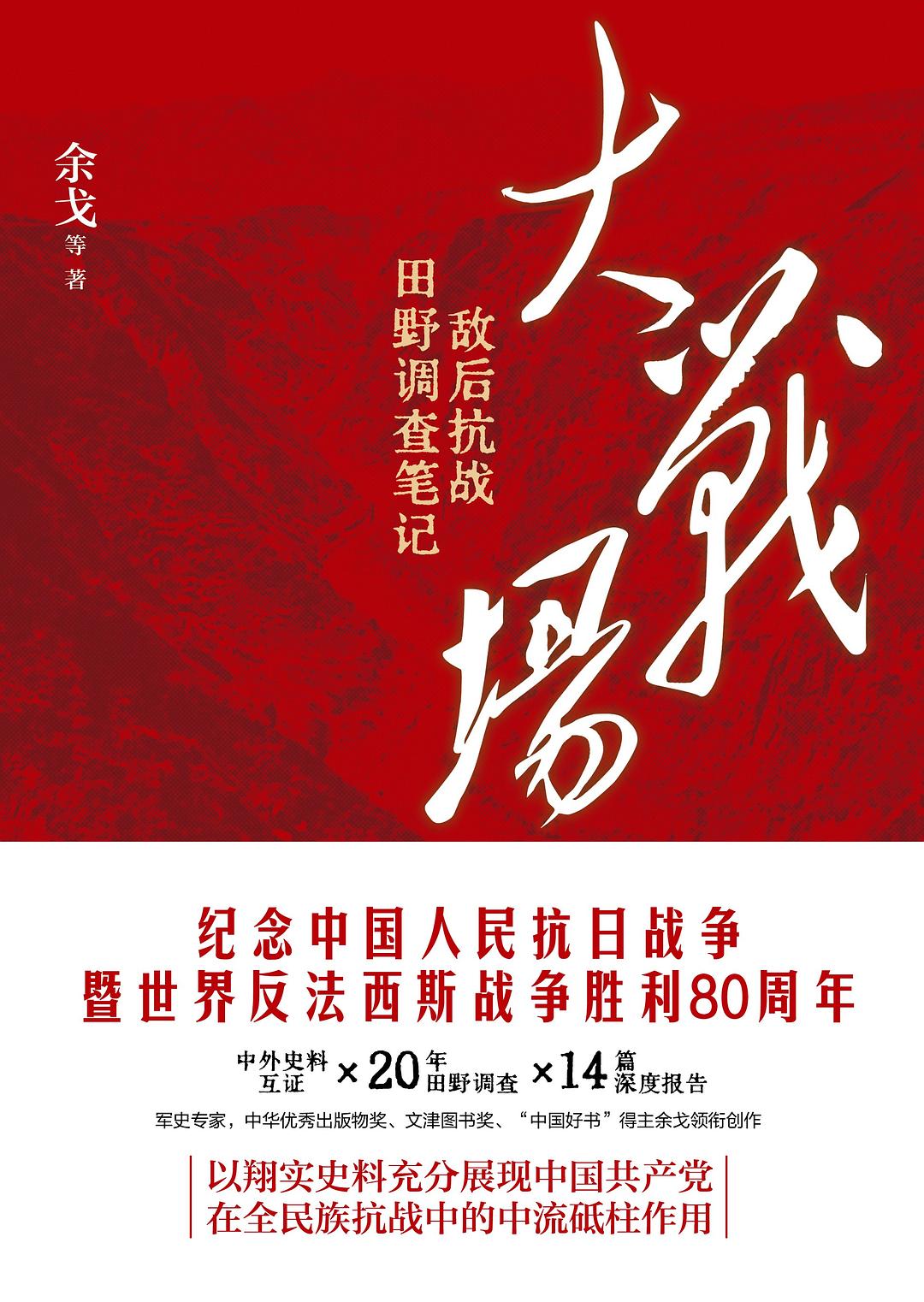
图①:程瑞芳日记。 图②:在金陵女子文理学院避难的妇女正在学习纺线。 图③:许传音在远东国际军事法庭出庭作证。 图④:金陵女子文理学院难民收容所。 图⑤:11月30日,在南京大屠杀死难者家庭祭告活动现场,夏淑琴手捧花束祭告家人。 泱 波摄 图⑥:人们在侵华日军南京大屠杀遇难同胞纪念馆参观。 杜 懿摄(人民视觉) 图⑦:12月2日,一批反映南京大屠杀历史的图书发布。 新华社记者 李 博摄 照片除署名外,均由侵华日军南京大屠杀遇难同胞纪念馆提供 今年12月13日是第12个南京大屠杀死难者国家公祭日。近日,记者从侵华日军南京大屠杀遇难同胞纪念 馆获悉,今年共征集各类文物史料573件(套)。南京大屠杀,又添新证。 昭昭前事,惕惕后人!在南京大屠杀的至暗时刻,不仅有西方留守人士对难民们的保护,还有中国同胞 的守望相助。 南京师范大学抗日战争研究中心教授、国家记忆和国际和平研究院研究员张连红介绍,根据《南京国际 救济委员会报告书》记录,有1500名中国人直接参与南京安全区国际委员会的各项工作。他们不仅承担 大量具体工作,还要避免被日军施暴。至暗时刻,中国同胞救亡图存,写就了可歌可泣的感人篇章。 南京陷落 日军对南京的轰炸 ...

加拿大主要城市华人社团公祭南京大屠杀死难者
Xin Hua She· 2025-12-09 05:41
在温哥华,40余个华人社团联合举办座谈会,深切缅怀南京大屠杀30万遇难同胞,严厉谴责日本政 客涉台错误言论。在多伦多,华人社团举办追思会,通过历史影像追思遇难同胞,追溯日本侵略中国的 历史根源及其长期否认战争暴行的原因。 加拿大纪念二战胜利80周年活动组委会主席张俭表示,强烈反对日本首相高市早苗涉台错误言论, 坚决反对外部势力干涉中国统一进程。 温哥华与会社团共同发表声明,敦促日本政府深刻反省侵略历史,摒弃军国主义思想,停止危害地 区和平稳定的挑衅行为。声明说,海外侨胞将坚守民族大义,守护国家核心利益,捍卫历史正义与世界 和平。多伦多与会社团发布《倡议书》,强调坚决反对日本政客挑动地区紧张的危险言论。 加拿大中国(友好)和平统一促进会会长王典奇表示,缅怀遇难同胞,需严斥日本政客涉台错误言 论,警惕军国主义复活。日本军国主义曾给亚洲人民带来深重灾难、台湾是中国领土不可分割的一部 分,这些都是不容篡改的事实。任何阻挠中国统一的行径注定失败。 新华社渥太华12月8日电(记者林威)加拿大主要城市华人社团日前举办南京大屠杀死难者公祭活 动,呼吁以史为鉴,坚决对军国主义说"不"。 ...
侵华日军南京大屠杀遇难同胞纪念馆公布一批最新获得的文物史料
Yang Guang Wang· 2025-12-06 06:08
Group 1 - The Nanjing Massacre Memorial Hall held a donation ceremony for historical artifacts on December 5, revealing new evidence of atrocities committed by the Japanese army during the invasion of China [1] - A total of 13 artifacts were disclosed, including letters from Japanese soldiers and a photo album from the "Hanami Unit," which document the brutal actions taken against Chinese prisoners [1] - One letter described a "death penalty bridge" where prisoners were executed daily, highlighting the gruesome nature of the events and the soldier's disturbing satisfaction with the killings [1] Group 2 - Two of the artifacts were donated by a high school student from Xuzhou, emphasizing the importance of public awareness regarding the historical evidence of Japanese war crimes [2] - The donation coincides with the 80th anniversary of the victory in the Chinese People's War of Resistance against Japanese Aggression and the 10th anniversary of the Nanjing Massacre archives being included in the World Memory Register [3] - Scholars have been collecting various documents over the decades, creating a comprehensive evidence chain that enhances the understanding of the Nanjing Massacre and aids in preserving historical memory [3]
今年新增573件(套)!南京大屠杀又添新证
Xin Hua She· 2025-12-05 10:15
侵华日军南京大屠杀史研究会会长张生表示,法国《卓越报》的报道与美国医生罗伯特·威尔逊在东京 审判时的证词呼应,是对日本右翼势力错误言论的有力回击。东京审判期间,战犯的辩护律师曾提出南 京沦陷时的人口问题,威尔逊做了"战前南京人口大约是100万""占领时人口锐减到不到50万"的陈述。 "战后日本右翼势力长期以当时南京人口数量不足30万否认南京大屠杀。因为他们知道,当时中国户籍 制度不完善,拿不出准确的人口数据。据我们研究,至少还有几个群体不在当时户籍人口统计之列,如 全国多地赶来参加南京保卫战的军人、长期在南京打工的外地务工者、涌进南京城的难民等。"张生 说。 征集的各类文物中,还有在南京保卫战中牺牲军医的一组档案、一组侵华日军占领南京后拍摄的照片、 刊登了4幅揭露日军暴行照片的美国杂志、侵华日军第十三师团山炮兵第十九联队山川仪仁的信件等文 物史料值得关注。 "我们查实了寄信人的身份,包括其所属部队番号、家庭地址、死亡时间等,这封信的真实性明确可 考。"纪念馆文物部主任艾德林介绍。 江苏省社会科学院研究员王卫星认为,村田芳夫以很轻松的口吻记录了屠杀、处理尸体,甚至还使用 了"很有意思""真痛快"这种毫无人性的表 ...
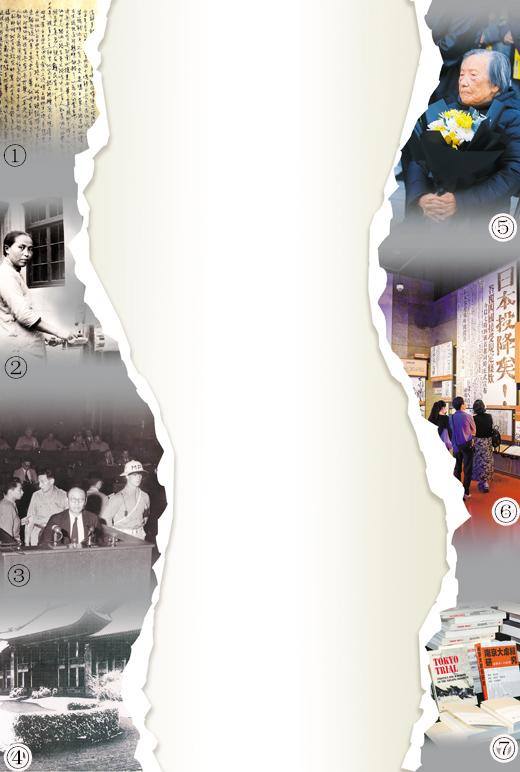
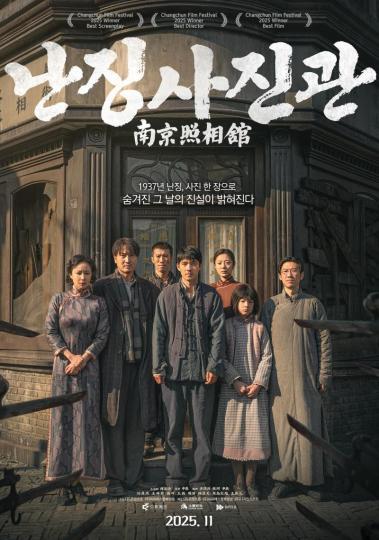
电影《南京照相馆》在韩上映 引发观众共鸣
Zhong Guo Xin Wen Wang· 2025-11-06 09:54
Core Viewpoint - The film "Nanjing Photo Studio," which depicts the historical backdrop of the Nanjing Massacre, has been released in over 200 theaters across major cities in South Korea, resonating strongly with the audience [1][2]. Group 1: Audience Reception - The film has sparked deep emotional responses among Korean viewers, many of whom are aware of the Nanjing Massacre and consider it a painful part of history [2]. - During the screening, there were audible signs of emotional distress, such as quiet sobbing, indicating the film's impact [2]. - After the film, many viewers remained seated, reflecting on the heavy themes presented [2]. Group 2: Cultural and Historical Context - The CEO of the film's South Korean distributor highlighted the shared historical experiences of Korea and China as victims of Japanese colonial aggression, suggesting that this commonality enhances the film's resonance [2]. - A Chinese woman working in Korea emphasized the film's value in educating global audiences about this tragic chapter in Chinese history [4]. - A Seoul citizen expressed a strong emotional connection to a particular scene in the film and showed willingness to recommend it to friends, noting the similarities in historical experiences between Korea and China [4].
“新军刀”——波兰博物馆中的日军罪证
Huan Qiu Shi Bao· 2025-10-20 23:04
Core Viewpoint - The exhibition at the Polish WWII Museum highlights the significance of the Japanese "shin-guntō" sword as a symbol of the atrocities committed during the Second Sino-Japanese War, particularly during the Nanjing Massacre, emphasizing the interconnectedness of global conflicts and the importance of remembering history [1][2][3] Group 1: Historical Context - The "shin-guntō" sword was mass-produced by the Japanese military after 1935 and became a weapon of mass murder during the invasion of China, particularly noted for its role in the Nanjing Massacre where the death toll is estimated between 300,000 and 400,000 [1] - The exhibition aims to place the Chinese resistance against Japanese aggression within the broader narrative of global anti-fascist efforts, illustrating that the war was not isolated to Europe but was a worldwide catastrophe [2] Group 2: Educational Purpose - The museum's narrative seeks to remind European audiences, particularly Poles, of the historical context of suffering in Asia prior to the Nazi invasion, thereby fostering a deeper understanding of the shared human cost of war [2] - By showcasing the "shin-guntō," the museum encourages visitors to reflect on the universal devastation caused by war and the collective responsibility to oppose it, linking the tragedies of Nanjing and Poland [2][3] Group 3: Remembrance and Responsibility - The exhibition serves as a poignant reminder of the countless ordinary lives lost due to war, emphasizing the necessity of remembering their suffering and sacrifices [3] - It positions the history of the Chinese resistance against Japan within an international framework, reinforcing the idea that the fight against fascism is a shared historical memory that transcends geographical boundaries [3]
《南京照相馆》,角逐奥斯卡
财联社· 2025-09-26 10:40
Group 1 - The film "Nanjing Photo Studio" will represent mainland China in the competition for the Best International Feature Film at the 98th Academy Awards [1] - The movie is based on real evidence of Japanese war crimes during the Nanjing Massacre, focusing on the "photographs of Japanese war crimes" [4] - As of now, "Nanjing Photo Studio" has achieved a cumulative box office of over 3 billion yuan [4]
寻找照片中的TA·抗战胜利80周年丨这些人这些事,不能忘,不敢忘!
Xin Hua She· 2025-09-19 11:47
Core Points - The article commemorates the 80th anniversary of the victory in the Chinese People's War of Resistance Against Japanese Aggression and the World Anti-Fascist War, highlighting the resilience and sacrifices of the Chinese people during this period [3][54]. - It emphasizes the importance of remembering history to honor those who fought for freedom and peace, and to ensure that such atrocities are not repeated [9][56]. Group 1 - The article discusses the historical context of the September 18 Incident, which marked the beginning of Japanese aggression in China, leading to 14 years of bloody resistance [1][3]. - It features personal stories of survivors, such as Xia Shuqin, who fought for justice regarding the Nanjing Massacre, and her legal battles against Japanese right-wing deniers [7][9]. - The narrative includes accounts of other survivors like Bai Lishi, who endured the horrors of concentration camps and later became a peace advocate [16][20]. Group 2 - The article highlights the contributions of individuals like Mei Ruyao, the only Chinese judge at the Tokyo Trials, who fought for national dignity and justice after Japan's unconditional surrender [22][26]. - It recounts the sacrifices of the "Nanjiao Machine Workers," who played a crucial role in supporting the war effort, with over one-third of them losing their lives [28][31]. - The stories of various soldiers and civilians illustrate the collective struggle and determination of the Chinese people during the war, emphasizing the need to cherish peace and remember the past [40][52].

《南京照相馆》德国首映震撼当地观众
Xin Hua She· 2025-08-29 03:23
Core Viewpoint - The film "Nanjing Photo Studio," based on the Nanjing Massacre, premiered in Munich, Germany, evoking strong emotional responses from the audience, with many viewers moved to tears after the screening [1] Group 1: Audience Reactions - Nearly 400 attendees, including political, business, cultural figures, and media representatives from China and Germany, attended the premiere, indicating significant interest and engagement [1] - Audience members expressed that the film was profoundly impactful, with one viewer highlighting its importance for Europeans to understand the Nanjing Massacre [2] - The film was described as a crucial reminder of the sacrifices made by the Chinese people during World War II, emphasizing the need to remember history to prevent future conflicts [2][3] Group 2: Historical Significance - The film serves as a window into the historical suffering endured by the Chinese people, with calls for acknowledgment of Japan's wartime atrocities [2] - It was noted that the historical events depicted in the film are often overlooked in Europe, and the film plays a vital role in bringing this history to light [3] - The emotional weight of the film resonated with viewers, prompting reflections on the importance of peace and the need to remain vigilant against the horrors of war [2][3]
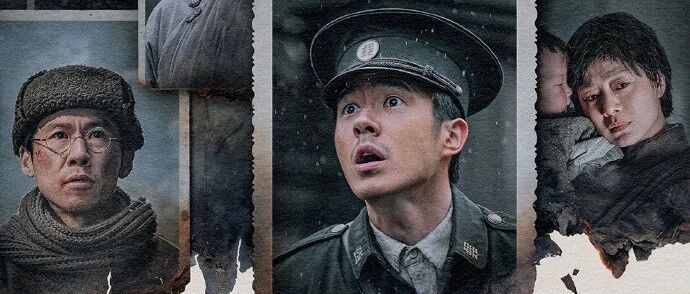
抗战特别书单,跟随这些书回到历史现场
Di Yi Cai Jing· 2025-08-26 12:34
Core Viewpoint - A series of new books are published to help understand the truth about the Anti-Japanese War, particularly focusing on the Battle of Pingxingguan and its historical significance [1][2]. Group 1: Historical Context - The Battle of Pingxingguan was the first major ambush by the Eighth Route Army, which boosted the morale of the Chinese resistance during the war [2]. - The narrative surrounding the battle has been historically misrepresented, with Japanese sources downplaying their losses and mischaracterizing the nature of the engaged forces [1][9]. Group 2: Research and Investigation - The book "Dazhangchang: Field Investigation Notes on Anti-Japanese Resistance" emphasizes the importance of field investigations to clarify historical details and understand the underlying causes of events [3]. - The book includes contributions from over ten professionals, including military scholars and grassroots workers, documenting 14 significant battles [3]. Group 3: Tactical Insights - The ambush at Pingxingguan was strategically planned by Lin Biao, who utilized the terrain effectively to set up a surprise attack against Japanese forces [8]. - The battle showcased the effectiveness of the Eighth Route Army's tactics, including movement warfare and mountain guerrilla warfare, which were honed during previous conflicts [8]. Group 4: Cultural Impact - The publication of these works coincides with the 80th anniversary of the victory in the Anti-Japanese War, highlighting the ongoing need for research and understanding of this historical period [1].