
学术不端

Search documents
高中生变成大学首席科学家,爽剧都不敢这么编
虎嗅APP· 2025-11-21 09:31
Core Viewpoint - The article discusses the scandal involving Guo Wei, a supposed chief scientist at Jiangsu University of Science and Technology, who was exposed for having a high school diploma only, with his resume being fabricated or borrowed from others [4]. Group 1: Background and Discovery - Guo Wei claimed to have an impressive academic and professional background, including being a top science student in Shaanxi Province and holding positions in prestigious institutions [4]. - Investigations revealed that the claims about his academic achievements, such as being the top science student in 1994, were false, as the actual top student attended Tsinghua University [4]. - Jiangsu University acknowledged the serious academic misconduct and terminated Guo's employment, reporting the case to the police [4][8]. Group 2: Academic and Research Claims - Guo claimed to have published over 170 SCI papers and developed significant theories in materials science, yet searches in top journals revealed no publications under his name [6]. - He falsely claimed to have received national science and technology awards, which were actually awarded to other individuals with the same name [6]. Group 3: Financial Implications and Consequences - Guo allegedly misappropriated substantial research funds, with reports suggesting he managed projects totaling nearly $30 million [7]. - The scandal raises concerns about the integrity of academic hiring processes and the potential waste of academic resources, as genuine talent may be overlooked due to such fraudulent activities [8]. Group 4: Broader Implications for Academia - The incident highlights systemic issues within academic institutions regarding the verification of credentials and the prevalence of academic fraud [8]. - It suggests a need for stricter oversight and accountability in the hiring processes of academic and research positions to prevent similar occurrences in the future [8].


大骗子成首席科学家,起底郭伟:开了很多公司,但生意没做成;不给员工签合同还欠薪,成为“被执行人”
Mei Ri Jing Ji Xin Wen· 2025-11-20 15:29
Core Points - The article discusses the downfall of Guo Wei, a prominent scientist and former chief scientist at Jiangsu University of Science and Technology, who has been accused of academic misconduct, including degree fraud and misappropriation of national research funds [1][4][10] - Jiangsu University announced on November 18 that it had terminated Guo Wei's employment due to serious academic misconduct and reported the case to law enforcement [4][10] - Guo Wei had built a commercial empire under the guise of "Dr. Guo," but many of his associated companies have ceased operations or failed to file annual reports in recent years [1][10] Summary by Sections Academic Misconduct - Guo Wei has been recognized for numerous achievements, including awards from the Central Organization Department and the American Society for Metals, but allegations of serious academic misconduct have surfaced [4][10] - The university received a report of Guo Wei's misconduct in September 2025, leading to an investigation that confirmed the allegations [4][10] Business Ventures - Guo Wei was involved in several companies, including Lishui Hanbao Technology Co., which focused on key technologies in metal materials [7][9] - Despite claims of innovation and success, Lishui Hanbao reported no employees insured from 2018 to 2020, and its registered capital of 3 million yuan was never fully paid [9][10] Legal and Financial Issues - Guo Wei faced legal challenges due to unpaid wages exceeding 100,000 yuan, resulting in restrictions on high consumption [10][12] - Several companies associated with Guo Wei have been listed as operating under abnormal conditions, with some having their business licenses revoked [10][12]
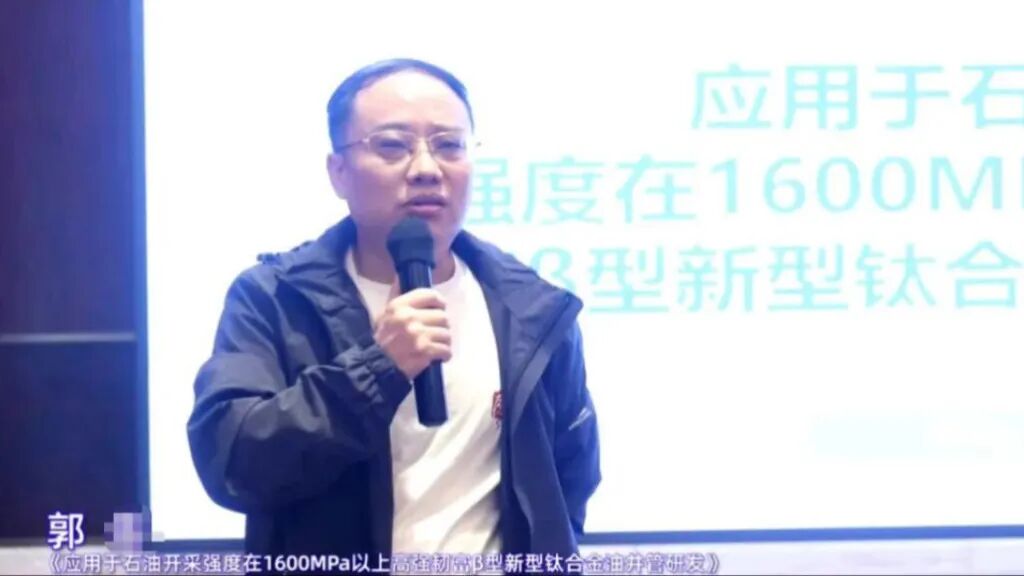
高校首席科学家竟是学术骗子?江苏科技大学承认人才引进重大漏洞
Di Yi Cai Jing· 2025-11-19 08:22
Core Points - Jiangsu University of Science and Technology has confirmed serious academic misconduct by its chief scientist Guo, leading to the termination of his employment agreement and proper arrangements for his team and students [1][3] - The university acknowledged issues in the material review process during Guo's recruitment, which contributed to the situation [1][3] Group 1 - Guo claimed to have published over a hundred SCI papers, but investigations revealed that these papers could not be found [1][3] - As of November 19, Guo's information was removed from the list of professors and doctoral supervisors in the School of Materials Science and Engineering [3] - The School of Materials Science and Engineering is a key discipline at Jiangsu University, recognized alongside other advantageous disciplines in Jiangsu [3] Group 2 - Guo, who returned to China in 2023, held several prestigious titles, including chief scientist and professor at Jiangsu University, and was recognized as a top-level talent under the national major talent project [3] - The university's talent introduction document states that top-tier candidates must have a high reputation and significant contributions in their field, with benefits including housing subsidies and research project funding [3][4] - As of May this year, Jiangsu University has five overseas academicians and foreign academicians, indicating a commitment to building a strong faculty team [4]
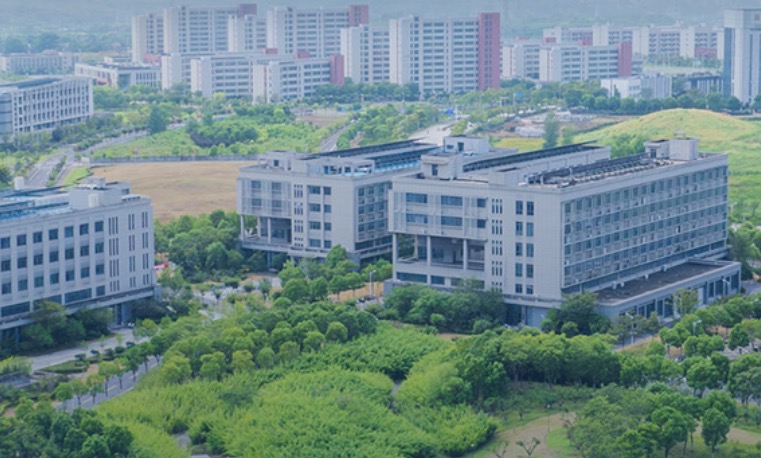
江苏科技大学通报:经调查取证,认定郭某存在严重学术不端行为,已经按规定解除了与郭某的聘用协议,同时,第一时间向公安机关报案
Xin Jing Bao· 2025-11-18 23:06
Core Points - Jiangsu University of Science and Technology reported on November 18 regarding allegations of academic misconduct involving a faculty member, Guo [1] - The university received a report in September 2025 about Guo's suspected academic misconduct and initiated an investigation [1] - The investigation confirmed serious academic misconduct by Guo, leading to the termination of his employment and proper arrangements for his team and students [1] - The university has reported the case to law enforcement, which is currently under investigation [1] - The university acknowledged shortcomings in the vetting process during Guo's recruitment and pledged to hold accountable those responsible while implementing measures to prevent similar issues in the future [1]
再三宽纵投稿抄袭,学术公信还请三思
Nan Fang Du Shi Bao· 2025-10-28 04:49
Core Viewpoint - The article discusses the repeated incidents of plagiarism in submissions to the journal "Tsinghua Journal of Western Philosophy," emphasizing the need for stricter measures against academic misconduct and the importance of maintaining academic integrity in research environments [1][2][3]. Group 1: Journal's Response to Plagiarism - The journal has issued a statement regarding a recent plagiarism incident, indicating that this is the third occurrence, and warns that future serious academic misconduct will lead to severe consequences, including public criticism [1]. - The journal, founded in 2015, aims to promote the professionalization and internationalization of Western philosophy research in China and has been recognized as a high-impact academic journal [1]. Group 2: Concerns Over Inconsistent Treatment - There are concerns about the journal's inconsistent handling of plagiarism cases, particularly if the same author repeatedly submits plagiarized work while receiving leniency, which raises questions about fairness and the integrity of the academic process [2]. - The article argues that all authors should be treated equally in cases of academic misconduct, and that leniency towards early offenders undermines the principles of academic integrity [2]. Group 3: Need for Collaborative Action - The investigation and handling of academic misconduct should involve collaboration among various academic institutions and timely information sharing, rather than secrecy or selective disclosure [2][3]. - The article highlights the responsibility of academic journals to disclose misconduct involving affiliated individuals and the potential consequences of failing to do so, which can damage the academic environment [3].
发13万篇论文赚8000万,灰产生意何以越做越大
Xin Jing Bao· 2025-10-14 09:51
Core Insights - The article highlights the alarming scale of the paper ghostwriting industry, with one company reportedly producing 130,000 papers in a year, generating an income of 80 million yuan [1][2] - The rise of AI technology has lowered the barriers to academic fraud, while illegal collaborations between intermediaries and journals have created shortcuts for publishing, turning academic evaluation into a tradable commodity [2][3] Group 1: Industry Overview - The ghostwriting industry has established a complete chain from writing, data fabrication, to publication, with a significant number of papers being churned out in a factory-like manner [1] - The demand for paper ghostwriting is driven by a "publish or perish" mentality in academia, where the quantity of publications is often prioritized over quality [2][3] Group 2: Legal and Regulatory Responses - There is a growing trend of legal actions against academic fraud, with compensation amounts in some cases exceeding one million yuan, indicating a need for further extension of judicial deterrence to the upstream of the industry [3] - A call for a multi-departmental enforcement mechanism to investigate journals that engage in illegal collaborations with intermediaries has been made, with severe penalties proposed for those found guilty [3] Group 3: Recommendations for Reform - To effectively combat the ghostwriting industry, a combination of legal, regulatory, and systemic reforms is necessary, including the introduction of diverse evaluation metrics in academic assessments to reduce the demand for fraudulent publications [3] - Emphasizing academic integrity is crucial for fostering genuine innovation in research, as the current practices not only occupy valuable journal space but also undermine public trust in the academic system [3]
“AI代写”一周30篇,学术诚信经不起这么霍霍
Xin Jing Bao· 2025-10-13 10:01
Core Viewpoint - The emergence of AI-assisted writing services has led to a significant increase in the production of fraudulent academic papers, raising concerns about academic integrity and the quality of scholarly work [1][2][3] Group 1: AI Writing Services - Some companies are openly recruiting "writers" to produce fake articles and papers for a fee, creating a gray business chain [1] - AI technology has dramatically improved the efficiency of these writing services, allowing for the rapid generation of seemingly detailed drafts by inputting basic requirements into AI software [1] - A whistleblower reported completing over 30 articles and papers in just one week, highlighting the scale of this fraudulent activity [1] Group 2: Impact on Academic Integrity - AI-generated papers lack originality and genuine understanding, merely assembling text without true academic value, which contaminates academic evaluation standards [2] - The efficiency and lower costs of AI writing have led to the industrialization of academic fraud, making it easier for such practices to proliferate [2] Group 3: Regulatory and Community Response - There is a pressing need for stricter enforcement against fraudulent writing groups, with recent judicial opinions emphasizing severe penalties for academic misconduct [2] - Internet platforms must enhance information screening to identify and eliminate disguised writing advertisements, employing semantic recognition and human review [3] - The academic community should strengthen paper review processes, focusing on originality and rigor, while incorporating advanced AI detection and manual verification to combat fraudulent submissions [3]
新华时评:决不让歪风侵蚀科研生态!
Xin Hua She· 2025-09-22 03:46
Core Points - The Chinese Association for Science and Technology (CAST) has revoked awards from five individuals due to violations of academic integrity and misconduct, signaling a strong stance against unethical practices in the scientific community [1][2] - The actions taken by CAST aim to uphold academic integrity, which is essential for the development of a strong scientific nation, and to prevent a negative impact on young researchers [1][2] Group 1 - The revoked awards include the China Youth Science and Technology Award, which is significant for recognizing both academic ability and ethical standards in research [1] - The individuals involved engaged in various unethical behaviors, such as soliciting favors during project applications and leaking confidential information, which undermines the integrity of the research environment [1][2] - The announcement emphasizes the need for strict measures against academic misconduct to maintain a healthy research ecosystem and to protect dedicated researchers [1][2] Group 2 - CAST has established a permanent ban on individuals with serious academic misconduct from participating in its awards or talent programs, reinforcing the importance of accountability [2] - The initiative to combat academic misconduct is a collective responsibility across the scientific community, requiring collaboration among various departments and organizations [2] - The revocation of awards is part of a broader effort involving multiple agencies, including the Ministry of Science and Technology and the Natural Science Foundation, to address and document serious breaches of research integrity [2]
新华时评|决不让歪风侵蚀科研生态!
Xin Hua She· 2025-09-19 10:55
Core Viewpoint - The Chinese Association for Science and Technology (CAST) emphasizes the importance of maintaining academic integrity and has taken action against individuals involved in academic misconduct by revoking their awards, sending a strong message against unethical practices in the scientific community [1][2]. Group 1: Actions Taken - CAST announced the revocation of awards from five individuals, including the China Youth Science and Technology Award, due to violations of academic integrity and misconduct [1]. - The actions include the withdrawal of medals, certificates, and monetary rewards, highlighting a zero-tolerance approach towards academic misconduct [2]. Group 2: Implications for the Scientific Community - The revocation of awards serves as a warning that unethical behavior undermines the integrity of the scientific community and can lead to a negative impact on young researchers [1]. - The need for a robust regulatory framework to prevent academic misconduct is emphasized, including the establishment of a long-term monitoring mechanism for research integrity [2]. Group 3: Collaborative Responsibility - The responsibility for maintaining research integrity is shared across the entire scientific community, requiring collective efforts to combat academic misconduct [2]. - The actions taken against the individuals involved are part of a coordinated effort among multiple departments, reinforcing the message that academic integrity is a priority [2].
国家卫健委通报“董小姐”事件问责情况,多人党内严重警告
Nan Fang Du Shi Bao· 2025-08-15 22:03
Core Points - The National Health Commission released the latest investigation results regarding the "Miss Dong" incident, which involved accountability for 19 individuals across five institutions [1][5][7] - The investigation revealed multiple instances of academic misconduct, including falsification of academic records and improper influence in training programs [2][3][4] - The "4+4" pilot program at Peking Union Medical College is under scrutiny, with calls for stricter management and oversight to prevent future violations [8][9] Group 1: Investigation Findings - The investigation identified that Dong Mouying's aunt, Ban Moujuan, facilitated the falsification of academic transcripts for her application to the "4+4" program [2] - There were issues in the residency training process, where the orthopedic department head intervened to adjust Dong Mouying's training schedule [2] - Dong Mouying's doctoral thesis was reportedly ghostwritten by a faculty member, with the involvement of her aunt [2] Group 2: Academic Misconduct - Dong Mouying's thesis proposal and defense did not align, with changes made without proper approval [3] - Several of Dong Mouying's published papers were found to have issues, including duplicate publications and improper authorship [4] Group 3: Accountability Measures - The investigation resulted in various disciplinary actions against involved parties, including severe warnings and demotions for several officials [5][6] - The National Health Commission mandated written accountability and corrective actions from the involved institutions [7] Group 4: Program Oversight and Reforms - The investigation confirmed that other students in the "4+4" program did not have any irregularities in their admission qualifications [8] - Recommendations for the "4+4" program include stricter admission criteria, enhanced verification of academic records, and improved oversight of thesis quality and defense processes [9]