
思政教育

Search documents
广西壮族自治区社会科学界联合会:融合社会工作 创新思政教育
Xin Lang Cai Jing· 2025-12-30 20:11
Core Viewpoint - The Guangxi Social Science Federation aims to integrate professional social work into ideological and political education, creating an innovative model with regional characteristics to support economic and social development in the region [1] Group 1: Cultural and Educational Initiatives - The Guangxi Social Science Federation combines social work expertise with regional cultural resources to build an immersive ideological education system, enhancing the effectiveness of political education and promoting cultural heritage [2] - A photographic collection titled "The Visual Epic of the 134.2 km Pinglu Canal" was created to illustrate the canal's construction and its harmonious relationship with nature [2] - The Federation organized over ten exhibitions on the construction of the Pinglu Canal and the Qianlong Lingqu, showcasing the historical significance and academic value of these projects across multiple provinces [2] Group 2: Collaborative Educational Efforts - The Federation focuses on gathering collaborative efforts from various educational institutions and social organizations to enhance the role of social services in ideological education [3] - A meeting was held to strengthen the collaborative educational workforce, emphasizing a new approach to social science work that includes research, academic exchange, and social service [3] - Training programs for social think tank leaders and social organization members were conducted to improve their theoretical knowledge and practical skills [3] Group 3: Strategies for Collaborative Education - The Federation organized a market event showcasing the integration of artificial intelligence with social science work, promoting the latest achievements in this area to support regional development [4] - A week-long event focused on social science popularization was held, featuring over 1,500 activities aimed at disseminating social science knowledge to various communities [4] Group 4: Innovative Approaches to Education - The Guangxi Social Science Federation is actively exploring the "Artificial Intelligence + Social Science Work" model to enhance ideological education in the context of digital transformation [5] - A seminar on artificial intelligence and high-quality development was hosted to discuss the application prospects of AI in Guangxi, contributing to the region's development [5] Group 5: Digital Content Creation - The Federation produced various AI-generated micro-video series, achieving over 1,600 broadcasts, with a significant growth rate in overseas viewership [6] - An AI-driven social science application platform was developed to facilitate knowledge dissemination and bridge the gap between the social science community and the public [6]
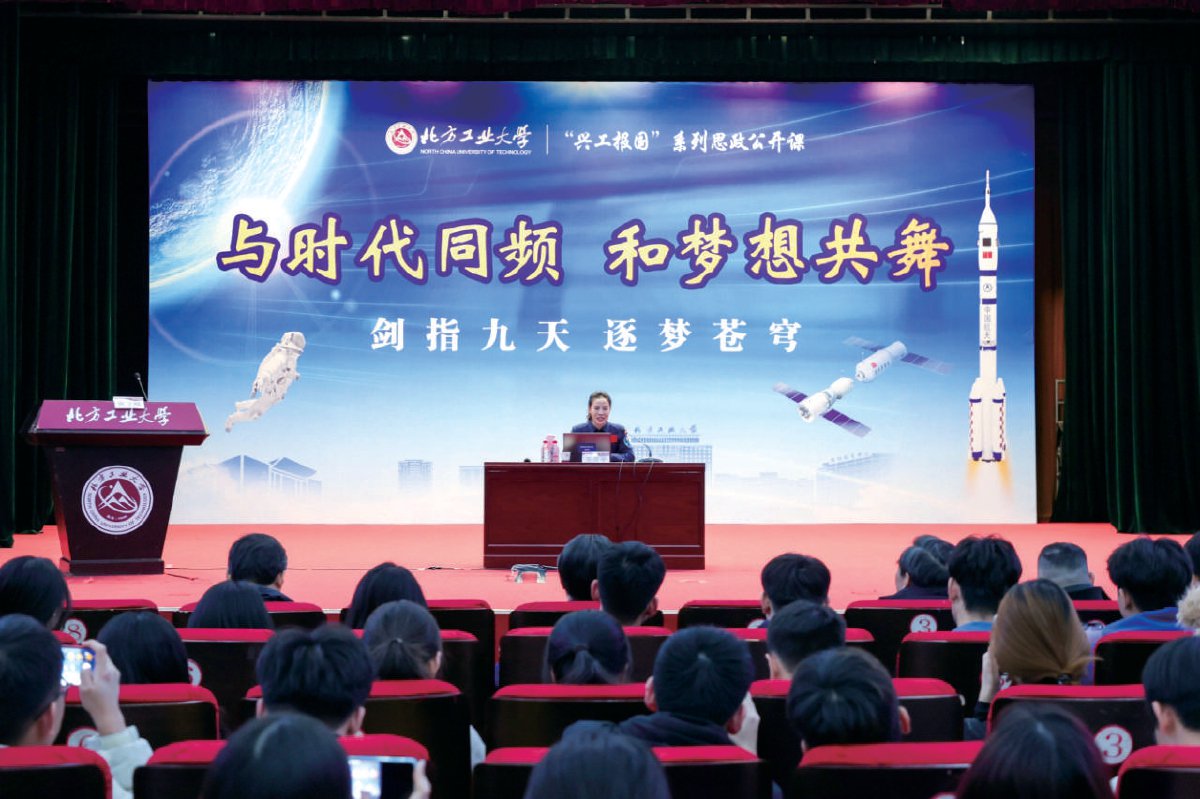
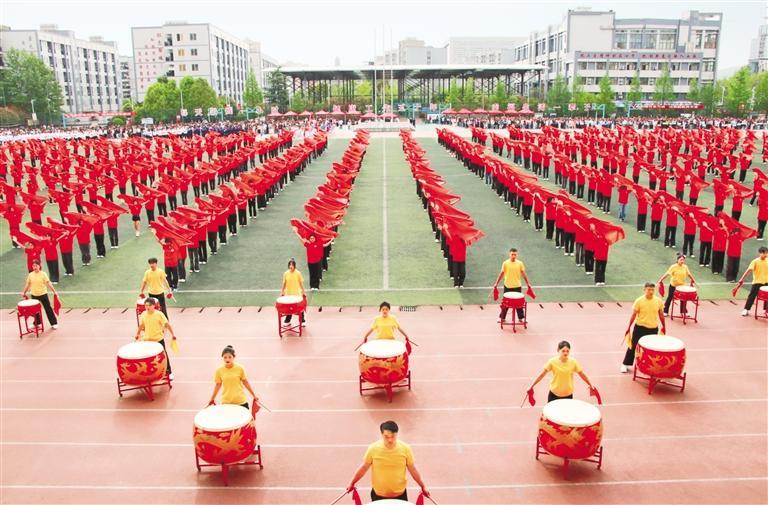
北方工业大学走出工科院校思政育人特色之路
Bei Jing Ri Bao Ke Hu Duan· 2025-12-28 23:56
Core Viewpoint - The emphasis on integrating ideological and political education with professional education at Northern Industrial University reflects a commitment to fostering a strong moral foundation and enhancing student development through a unique educational model [1][4]. Group 1: Ideological Education Framework - The university has established a comprehensive work system for ideological education, treating it as a significant political task, and has implemented multiple documents to guide this initiative [3][4]. - A new "Big Ideological Education" framework has been developed, integrating ideological courses with daily political education, aiming to enhance the quality of education and align it with the university's goals [4][5]. Group 2: Curriculum Development - The university is focused on creating a distinctive ideological education brand centered around the theme of "Serving the Country through Industry," which is reflected in its curriculum development [6]. - A three-tiered ideological course system covering undergraduate, master's, and doctoral levels has been established, with a focus on key courses such as "Introduction to Xi Jinping's Thought on Socialism with Chinese Characteristics for a New Era" [6][7]. Group 3: Practical Engagement - The university has initiated various social practice projects, engaging over 2,800 students in activities that promote ideological education through real-world applications [8]. - The "Walking Ideological Course" initiative has been launched, combining classroom learning with community service and cultural activities to enhance students' understanding of their responsibilities and values [8][9]. Group 4: Achievements and Recognition - The university has received accolades for its educational initiatives, including awards for its teaching quality and innovative practices in ideological education [6][10]. - Students have excelled in national competitions, achieving significant recognition and demonstrating the effectiveness of the university's educational approach [10].

以“彩虹文化”为笔 书写塑魂致用出彩人生
Xin Lang Cai Jing· 2025-12-27 22:49
Core Viewpoint - Zunyi Vocational and Technical College emphasizes the integration of ideological and political education with vocational training, leveraging its historical and cultural context to foster student development and social responsibility [8][10][24]. Group 1: Ideological and Political Education - The college has established a unique "12335"党建育人 mechanism, promoting a comprehensive leadership structure that integrates ideological education across various levels [9][10]. - The institution has received multiple accolades, including being recognized as a national model for党建工作 and a key site for patriotic education, reflecting its commitment to ideological education [10][11]. - The college's "塑魂" (Cultivating Soul) initiative focuses on instilling traditional culture and red gene inheritance, creating an immersive educational environment that promotes patriotism [11][12]. Group 2: Practical Training and Skill Development - The college has developed a "岗课赛证" (Position-Course-Competition-Certificate) integrated education model, enhancing students' professional skills while fostering a strong work ethic [17][18]. - Collaboration with local enterprises has resulted in high employment rates for graduates, with a 90% initial employment rate reported [18][20]. - The institution has established 26 practical teaching bases, promoting hands-on learning experiences that connect students with real-world applications [18][19]. Group 3: Cultural and Extracurricular Activities - The college organizes various cultural events, including the "彩虹文化" (Rainbow Culture) arts festival, which engages students in artistic expressions of red culture [12][23]. - A strong emphasis on mental health education and volunteer service is evident, with numerous initiatives aimed at fostering student well-being and community engagement [21][22]. - The college has implemented a comprehensive support system for students, providing financial aid and work-study opportunities to ensure accessibility and success in education [23].
用数智技术为开放教育思政课装上“新引擎”
Xin Hua Ri Bao· 2025-12-25 21:17
Core Insights - The integration of digital intelligence technology is driving significant changes in education, particularly in enhancing the quality of open education and innovating youth ideological and political education [1][2][6] - Open education, characterized by its inclusivity and flexibility, provides a comprehensive platform for ideological education, while ideological education offers core values that guide open education [2][6] Group 1: Digital Intelligence Technology in Education - Digital intelligence technology serves as a crucial force for educational transformation, providing robust technical support and practical guidance for innovative youth ideological education [1] - The combination of digital intelligence technology and open education helps overcome traditional limitations in ideological education, creating a more dynamic and engaging educational ecosystem [1][2] Group 2: Dimensions of Integration - The integration of ideological education and open education can be viewed through four dimensions: value guidance, coverage expansion, model innovation, and collaborative education [2] - Value guidance positions ideological education as the "soul project" of open education, while open education acts as a "capacity expansion carrier" for ideological education [2] - Coverage expansion allows ideological education to reach diverse groups, including working youth and mobile youth, addressing gaps in traditional education [2] - Model innovation shifts the focus from one-way teaching to interactive and socially open learning environments, enhancing engagement [2] Group 3: Practical Strategies for Implementation - Establishing digital infrastructure is essential for integrating digital intelligence into educational practices, focusing on creating smart applications and ensuring efficient data connectivity [3][4] - Personalized teaching models are being developed to cater to individual learning paths, utilizing AI and dynamic learning analysis to enhance student engagement and educational outcomes [4] - A shared resource ecosystem is being built to support diverse educational needs, leveraging cloud platforms and collaborative partnerships among educational institutions and industries [5] Group 4: Governance and Evaluation - A data-driven evaluation and support system is being constructed to create comprehensive digital profiles of youth, facilitating precise implementation of ideological education [6] - The establishment of ethical review committees ensures compliance in the design and digital expression of ideological content, maintaining a focus on the core educational mission [6] - The integration of blockchain technology is being utilized to track learning progress and evaluate educational effectiveness through a combination of process and outcome assessments [6]
一线职工站“C位” 让思政教育走入人心
Xin Lang Cai Jing· 2025-12-25 17:23
(来源:劳动午报) 活动现场,刘影、王庆峰、王钰、郭佳、白洁等5位职工网络达人依次登台,分享传播正能量、宣传家 乡的鲜活故事。此次活动不仅是一场正能量的集中展示,更是一次思政教育的创新实践,为新时代网络 文明建设与职工价值引领提供了生动样本。 转自:劳动午报 近日,"网聚职工正能量 争当中国好网民"吉林省青年职工网络达人好故事分享活动暨吉工青年夜校、 青春驿站揭牌仪式,在长春市新华书店举行。来自全省的职工网络达人代表、主流媒体及青年职工代表 齐聚一堂。本次活动由吉林省总工会、吉林省委网信办、共青团吉林省委联合主办。吉林省总工会相关 负责人表示,本次活动是吉林省总工会将"中国工人大思政课"融入吉林实践样本的创新举措,希望以职 工达人故事为"活教材",让一线职工站上"C位",让思政教育走出课堂、走入人心。(12月25日《工人 日报》) 这种"让劳动者讲劳动、让奋斗者说奋斗"的方式,让思政教育真正"走出课堂、走入人心",实现了 从"要我听"到"我要听"的转变。此次活动启示我们,讲好中国故事,弘扬社会主义核心价值观,可以从 身边人、身边事讲起。每一个坚守岗位的劳动者,都是新时代的见证者、建设者、传播者。当千千万万 普 ...
博物馆里的“冰雪思政课”
Xin Lang Cai Jing· 2025-12-24 22:54
Core Viewpoint - The event "Ice and Snow Nourish the Young, Youth Accompany Each Other" held at the Harbin Ice and Snow Culture Museum aimed to promote cultural confidence and the spirit of perseverance among students through immersive experiences in ice and snow culture [6]. Group 1: Event Overview - The event was organized by multiple institutions including the Heilongjiang Provincial Social Science Federation and Harbin Ice and Snow Culture Museum, targeting students from Qingbin Primary School [6]. - Students participated in a hands-on exploration of ice and snow culture, guided by university volunteers and museum staff [6]. Group 2: Educational Impact - The event featured a "big ideological and political lesson" where students learned about the evolution of ice sports from daily life to competitive culture through various exhibits [6]. - A student representative shared personal growth experiences related to ice sports and cultural heritage [6]. Group 3: Cultural and Creative Activities - Students engaged in a winter-themed craft session, creating leaf artworks with natural materials under the guidance of university volunteers, fostering collaboration and creativity [6]. - An ice skill experience was provided by a local craftsman, enhancing the students' understanding of traditional ice techniques [6]. Group 4: Inspirational Messages - A professor from Heilongjiang University emphasized the warmth of human courage and creativity inspired by ice, contrasting with its physical coldness [7]. - The event concluded with reflections from students on the significance of ice sports in their city’s memory and their personal growth [7]. - The organizing committee expressed hopes that the event would plant seeds of cultural confidence, perseverance, and a global perspective in the students [7].

一线职工站“C位” 思政教育入人心
Xin Lang Cai Jing· 2025-12-24 19:52
Core Viewpoint - The event "Gathering Positive Energy from Workers to Become Good Internet Citizens of China" in Jilin Province aims to integrate ideological education into practical examples through the stories of worker internet influencers, promoting a culture of positivity and local pride among youth workers [1][2]. Group 1: Event Overview - The event was held in Changchun City and organized by the Jilin Provincial Federation of Trade Unions, the Jilin Provincial Internet Information Office, and the Jilin Provincial Youth League [1]. - It featured representatives from worker internet influencers, mainstream media, and youth workers, highlighting the importance of sharing positive stories [1]. Group 2: Key Activities - Five worker internet influencers shared their stories, focusing on promoting local culture and education through various media platforms [1]. - Influencer Liu Ying shared high-speed rail knowledge and promoted local tourism, while Wang Qingfeng enhanced the visibility of Changchun's tourism through short videos [1]. - Other influencers included Wang Yu, who conveyed educational warmth, and Guo Jia, who documented the historical changes in Jilin [1]. Group 3: Recognition and New Initiatives - Ten worker internet influencers were awarded titles such as "Jilin Province Positive Energy Worker Internet Influencer" and "Jilin Province Rehabilitation Resource Promoter" [2]. - The event also marked the unveiling of the "Jilin Youth Night School" and "Youth Station," aimed at enhancing both skills and cultural spirit among youth workers [2]. - These initiatives focus on creating a matrix for ideological work that combines online dissemination with offline engagement, fostering the growth of young workers [2].
八里庄街道总工会思政教育活动走进校园
Xin Lang Cai Jing· 2025-12-24 17:47
Group 1 - The "Labor Model" ideological education activity organized by the Chaoyang District Bali Zhuang Street General Trade Union was conducted at the Fangcaodi International School, integrating model speeches and legal practice into an immersive ideological education class [3] - The event featured a lecturer team composed of national labor models and volunteers, including Liang Huilan and Chen Liang, who shared their personal growth stories and work experiences with students [3] - A new legal education and rights protection workstation was established at the school, relying on Chen Liang's lawyer team to regularly conduct various activities, aiming to enhance students' legal awareness and support their healthy growth [3] Group 2 - The highlight of the event was the "Youth Court, Legal Journey" simulation court experience, where students participated in roles such as judges, prosecutors, and defense attorneys, showcasing their language skills and teamwork [4] - The Chaoyang District Bali Zhuang Street General Trade Union plans to continue promoting ideological education activities in more schools, enterprises, and communities, aiming to integrate labor model spirit, labor spirit, craftsmanship spirit, and legal spirit [4]

蔡赐福:点亮思政星火的“燃灯者”
Xin Lang Cai Jing· 2025-12-24 13:39
蔡赐福说,立德树人,是他一生的责任和使命。教育的初心,是要帮助更多学生拥有健全的人格。 深耕思政教学一线二十余载,蔡赐福始终秉承着"教育的本质是点燃火焰"的信念,将思政课打造成一 门"有味"的课程,让学生听起来能"解渴"、学起来引"共鸣"、品起来增"回味"。他把课改的精神理念应 用到课堂教学中,探索出"一核心、双驱动、四融合"的思政课育人模式。他将抽象的思政理论融入生动 实例和亲身经历,在共鸣中启迪学生思想,引导学生树立正确世界观、人生观、价值观。他通过"实践 —反思—再实践"的方式不断提升自身专业素养,并发挥示范带头作用,在学科交流会上开设讲座,主 动参与送培送教活动。 蔡赐福,福建省晋江市养正中学正高级教师,2024年全国模范教师。 ...
宿迁市总工会:多维发力构建职工教育新体系 助推产业工人队伍素质全面提升
Xin Hua Ri Bao· 2025-12-20 21:19
Group 1 - The core viewpoint emphasizes the importance of employee education as a strategic and foundational project to cultivate a skilled workforce that contributes to the economic and social development of Suqian [1] - Suqian City Federation of Trade Unions has innovated ideological education methods, integrating labor model stories with theoretical explanations, and has conducted 70 activities throughout the year to enhance the impact of labor education [1] - A promotional video titled "We Are All Workers" was created for International Workers' Day, achieving over 260,000 views online, effectively promoting the social value of labor [1] Group 2 - The focus is on enhancing skills to support industrial transformation and upgrading, with a comprehensive skill improvement system established to meet the dual needs of employee growth and enterprise development [2] - A total of 1 million yuan has been invested in the "Dream of Learning" initiative, benefiting over 1,000 employees and supporting their certification and employment opportunities [2] - The "Suqian Online Trade Union" platform has been developed to create an ongoing learning environment, with over 4.5 million participations in online learning activities, fostering a competitive learning atmosphere [2] Group 3 - The initiative "Hundred Courses Thousand Enterprises" aims to extend educational services beyond working hours, offering 52 high-quality courses in collaboration with various organizations to enhance employee well-being [3] - The psychological health workshops have received positive feedback, helping employees manage stress and improve their mental well-being, thereby increasing their overall happiness and quality of life [3] - The Suqian City Federation of Trade Unions plans to continue optimizing services and innovating models to create a more attractive and influential employee education brand [3]