
爱国主义教育

Search documents
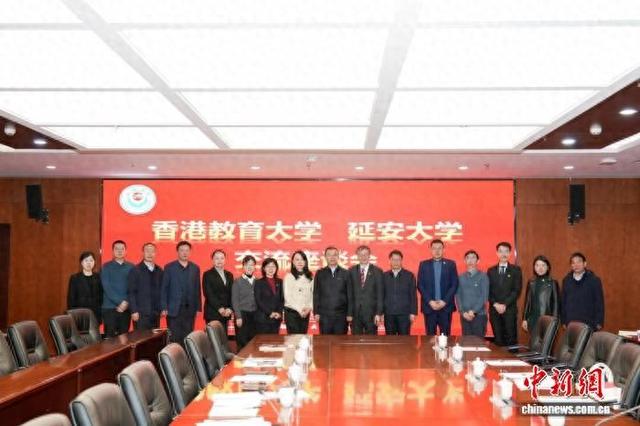
香港教育大学与延安大学签订合作备忘录
Zhong Guo Xin Wen Wang· 2026-01-05 14:28
Group 1 - The signing ceremony of a memorandum of cooperation between Hong Kong Education University (教大) and Yan'an University (延大) took place on December 24, 2025, at Yan'an University's new campus, aiming to enhance collaboration in ideological and political education, pedagogy, and physical education [1][2] - Both universities aim to promote patriotic education and improve the quality of ideological education through academic exchanges, research collaboration, and student and faculty visits, cultivating professionals with both national sentiment and international perspective [2] - The collaboration is seen as a significant step towards practical cooperation, with both universities sharing a mission of educating and nurturing talent for the nation, despite being over 2,000 kilometers apart [2]

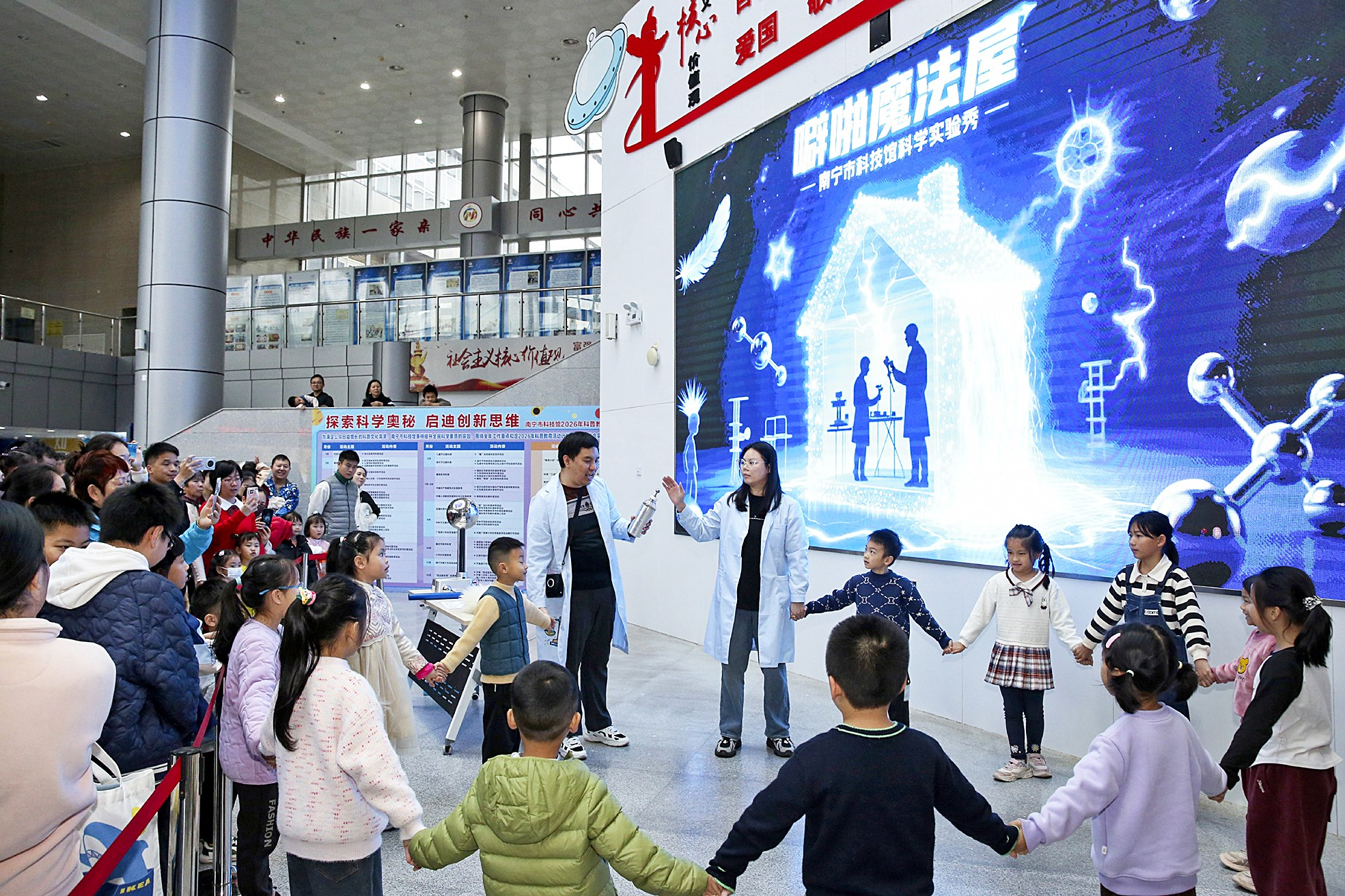
元旦假期15场次科普活动 邀您沉浸式感受科技魅力
Xin Lang Cai Jing· 2026-01-03 02:46
Core Viewpoint - The city science museum organized a series of 15 science popularization activities under the theme "Building Dreams with a Child's Heart, Setting Sail for the New Year" during the New Year holiday, emphasizing the integration of traditional culture and scientific spirit [2] Group 1: Event Highlights - The activities included immersive experiences such as "Little Hands Holding Big Hands: Painting Bookmarks," which allowed participants to understand the historical origins and scientific principles behind the painting technique [2] - The "Future Science + Animation Character Design" course analyzed the scientific and aesthetic logic of character creation in the domestic animated film "Nezha: The Devil's Child," focusing on aspects like shape, color, and personality [2] - The red film exhibition hall was fully occupied, screening films like "The Volunteer Army: The Battle of Life and Death," which provided audiences with a chance to revisit historical moments and instill patriotism, with many parents bringing their children for this educational experience [2] Group 2: Educational and Cultural Integration - The psychological health science area created a warm atmosphere where experts provided emotional adjustment guidance through sand play and painting, highlighting the importance of mental well-being [2] - The science popularization activities balanced fun and education, integrating scientific exploration, cultural experiences, emotional care, and patriotic education, making science truly part of everyday life [2]
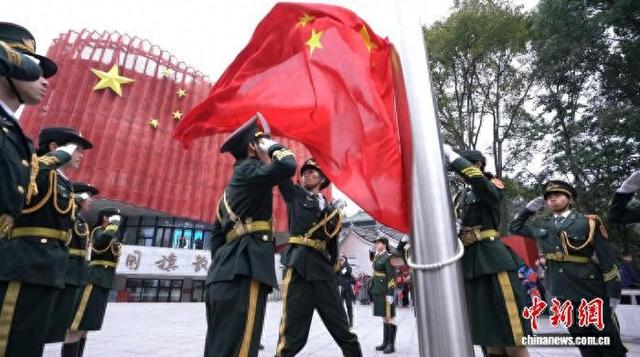
国旗设计者故乡升国旗迎新年 “馆校合作”厚植学子家国情怀
Xin Lang Cai Jing· 2026-01-01 10:31
Core Viewpoint - The establishment of the National Flag Education Museum in Rui'an, Zhejiang, marks a significant cultural initiative aimed at promoting patriotism and national pride among the youth and local citizens, with a ceremonial flag-raising event held on New Year's Day to celebrate the upcoming year of 2026 [1][2]. Group 1 - The National Flag Education Museum is the first comprehensive national flag education base in China, designed with themes reflecting national pride and local heritage [1]. - The museum features multiple themed halls, including the National Flag Birth Hall and the National Flag Knowledge Hall, and hosts flag-raising ceremonies annually on New Year's Day and National Day [1]. - The flag-raising ceremony was conducted by the Wenzhou University flag guard team, emphasizing the importance of national pride and collective aspirations for the country's prosperity [2]. Group 2 - Following the flag-raising, a cultural performance was held, featuring students from the New Era Experimental School, which aimed to inspire a sense of responsibility and commitment among the youth [4]. - Local citizens actively participated in the event, expressing their excitement and pride in witnessing the ceremony, reflecting the community's engagement with national development [4]. - The museum plans to continue fostering patriotism through various activities and collaborations with educational institutions, aiming to instill love for the country in future generations [4].
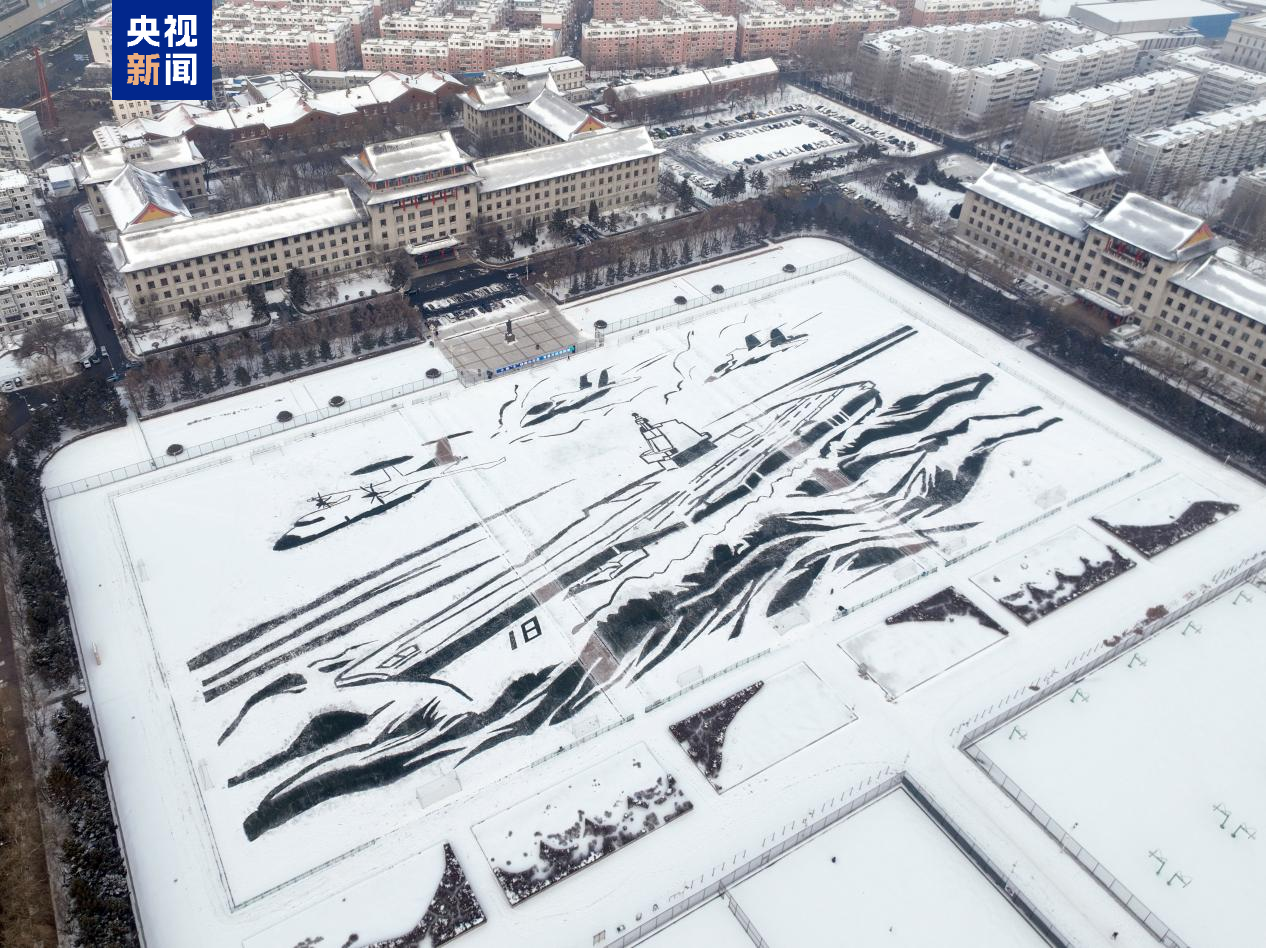
千余师生雪地共绘“福建舰” 哈工程上演硬核浪漫
Yang Shi Xin Wen· 2025-12-28 20:20
Core Viewpoint - The event at Harbin Engineering University showcased a snow art representation of the "Fujian" aircraft carrier, created by over 1,200 students and faculty, emphasizing the integration of advanced technology and cultural elements in education and national pride [1][5]. Group 1 - The snow art project utilized advanced BeiDou positioning technology to create a detailed visual representation, incorporating over 1,300 feature points and achieving a breakthrough in visual expression and engineering practice [1][2]. - The design process began in September and involved more than 60 iterations, culminating in a three-dimensional aerial composition that enhanced visual impact [1]. - The event marked the seventh iteration of the snow art activity, expanding from 100 participants in 2018 to over 1,000 this year, reflecting the growth and integration of multidisciplinary knowledge and advanced technology [5]. Group 2 - During the creation process, students worked in designated "battle positions," using shovels and brooms to meticulously clear snow and refine outlines, resulting in a precise depiction of the "Fujian" aircraft carrier [4]. - The collaborative effort produced a striking visual scene of "snow ship riding the waves, aircraft soaring in the sky," symbolizing the commitment to building a strong educational and technological nation [4].
建邺区科技园社区:红色记忆润初心 非遗巧手迎新年
Xin Lang Cai Jing· 2025-12-25 17:23
晨报讯(通讯员 刘雨 南京晨报/爱南京记者 孔芳芳)为铭记光辉历史、赓续红色血脉,同时弘扬中华 优秀传统文化,12月24日下午,南京市建邺区沙洲街道科技园社区党委联合多家共建单位党组织举办一 场融合红色观影与非遗体验的特色主题活动。 活动特邀建邺区委统战部党支部、雨润控股集团党委、中石油新城科技园党支部、江苏省鸿源招标代理 股份有限公司党支部的党员代表与社区党员,通过观看电影《长津湖》精选片段与亲手制作非遗螺钿画 《迎梅纳福》,在历史回溯与匠心手作中坚定初心、增进情谊、共迎新年。活动最后,大家手持自己完 成的寓意吉祥的螺钿画作品合影留念。一幅幅作品,既是对新年的美好祈福,也是对先烈用生命换来的 今日和平盛世的一种致谢与承诺。 (来源:南京晨报) 本次"红色记忆+非遗匠心"特色活动,是科技园社区"K+"模式从活动形式联合到精神价值共筑的又一次 探索。它将爱国主义教育、传统文化传承与社区邻里融合、区域化党建共建有机结合,既强化了党员的 身份意识与历史责任感,又在共同体验中增强了社区凝聚力。 转自:南京晨报 ...
毛主席纪念堂下周五延长开放时间
Xin Lang Cai Jing· 2025-12-21 06:21
#毛主席纪念堂重要公告#【#毛主席纪念堂下周五延长开放时间#】"毛主席纪念堂"官方微信公众号12月 21日发布《重要公告》:2025年12月26日是毛泽东同志诞辰132周年纪念日,毛主席纪念堂开放时间: 8:00-12:00,14:00-17:00。据毛主席纪念堂瞻仰须知,纪念堂每周星期二至星期日8:00至12:00开放。遇 国家法定节假日、有关纪念日、天安门广场有活动等情况,开放时间另行通知。据中国共产党新闻网介 绍,毛主席纪念堂是党和国家最高纪念堂,是一代伟人毛泽东主席安息的地方,是以毛泽东同志为核心 的党的第一代中央领导集体的纪念堂,是全国爱国主义教育示范基地。(毛主席纪念堂) ...
点燃孩子们心中的红色火种(迈向“十五五”的文化图景)
Ren Min Ri Bao· 2025-12-15 22:52
Core Viewpoint - The article emphasizes the importance of preserving and promoting the historical significance of the Sujiacui battle site and the education of patriotism among youth through red resources and stories of sacrifice [2][3][4]. Group 1: Historical Significance - The Sujiacui battle, which occurred in December 1941, involved 400 students from the Central Party School of the Communist Party of China and the Shandong Column of the Eighth Route Army, where 6,000 enemy troops were engaged, resulting in 500 enemy casualties and over 200 Chinese soldiers sacrificing their lives [2][3]. - The Sujiacui Anti-Japanese Martyrs Cemetery was recently included in the fourth batch of national-level anti-war memorial facilities and sites, marking a significant recognition of the sacrifices made during the battle [3]. Group 2: Educational Initiatives - The local school has integrated red tourism routes and patriotism education into its curriculum, aiming to enrich students' understanding of the historical context and the sacrifices made by soldiers [3][4]. - The school has been recognized as a "Demonstration School for the Inheritance of Red Culture" in Linyi City, highlighting its commitment to teaching students about the importance of national defense and historical memory [3]. Group 3: Ongoing Efforts - The preservation and restoration of the Sujiacui battle site and related historical locations are part of a broader plan to protect and promote red resources [3]. - The educator expresses a commitment to continue sharing these historical narratives with students, ensuring that the stories of sacrifice and patriotism remain alive for future generations [4].
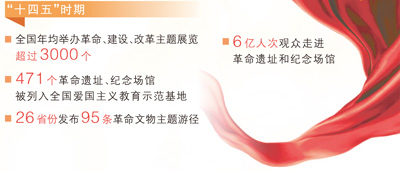
在抗日英雄的家乡,历史从未被遗忘
Xin Hua She· 2025-12-06 09:32
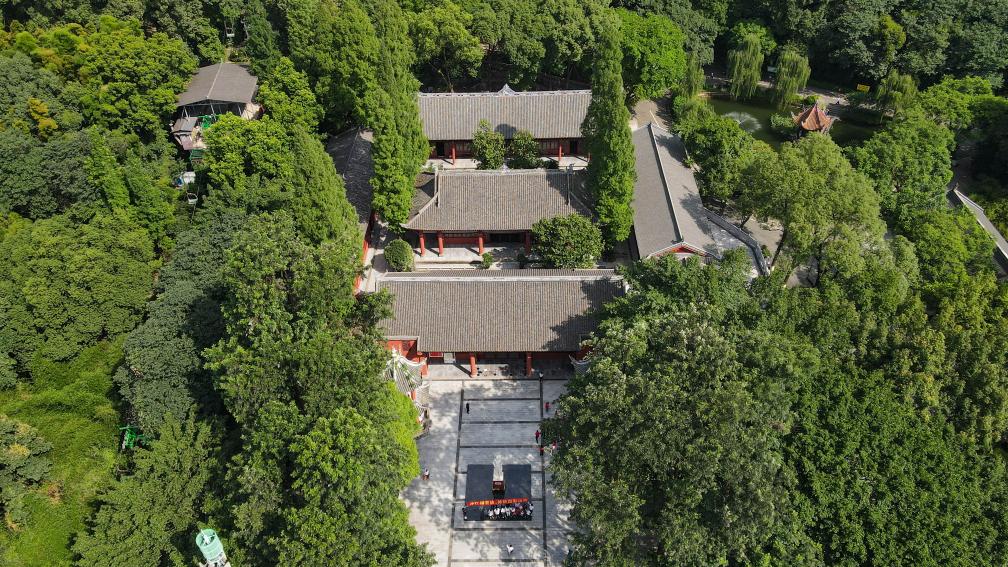
今年是抗日英雄赵一曼诞辰120周年。在她的故乡四川省宜宾市,赵一曼纪念馆参观人数大幅增长,今年以来接待访客近60万人次,较往年翻 倍。 "赵一曼从未真正离开我们。在宜宾,孩子们是听着她的故事长大的。"纪念馆讲解员杨帆说。 纪念馆位于宜宾城区翠屏山,常年绿荫环绕,既是本地居民和外地访客常去的参观场所,也是学生们接受爱国主义教育的课堂。 近年来,为更好讲述赵一曼的故事,纪念馆进行了升级扩容。"最新的展览增加了关于她后代的内容,展示了英雄血脉的传承。"杨帆介绍。 8岁小学生串瑾萱又一次在家人带领下来到纪念馆。她已经记不清这是第几次来了。"每次来都能看懂更多东西。"她指着展墙说,"以前不认 识的字,现在慢慢明白了。赵一曼很勇敢。我为她感到骄傲。" 这是位于四川省宜宾市翠屏山腰的赵一曼纪念馆(资料照片)。新华社记者 胥冰洁 摄 新华社成都12月6日电 题:在抗日英雄的家乡,历史从未被遗忘 王健、吴晓、余里 距离抗日战争胜利已经过去80年,在中国西南长江上游的一座城市,一位出生于此的女烈士,依然活在人们的记忆中。 查阅过档案的杨帆说,日军对赵一曼使用了多种酷刑,包括电击、竹签钉手指、灌辣椒水等,手段极其残忍。 这些被记录 ...
【西安】持续加强青少年法治教育
Shan Xi Ri Bao· 2025-12-02 22:42
Core Viewpoint - The Xi'an Youth Work Committee's Legal Report Team has been actively promoting legal education among youth through innovative methods, reaching over 100,000 students in various districts of Xi'an in recent months [1][2][4]. Group 1: Activities and Impact - The Legal Report Team conducted over 120 legal education sessions from September to October, involving more than 10,000 students and teachers from 123 schools [1]. - The team has been active for 26 years, focusing on legal education for youth, benefiting millions through various outreach activities [2]. - In 2023, the team organized 355 legal education events across multiple communities and schools in Xi'an [4]. Group 2: Educational Methods - The team employs a combination of storytelling, case studies, and interactive competitions to enhance student engagement [3]. - They incorporate artistic elements such as songs and performances to stimulate interest in legal education [3]. - The use of multimedia presentations creates an immersive learning environment, integrating historical and cultural education with legal principles [3]. Group 3: Future Plans - The team aims to expand its reach by utilizing online platforms for live streaming and recorded sessions, increasing audience size from hundreds to thousands [4]. - There is a focus on encouraging more volunteers to join the legal education efforts, using relatable language and engaging methods to teach legal concepts to children [4].
五指山市多举措深化军民情谊 谱写新时代双拥共建的崭新篇章
Hai Nan Ri Bao· 2025-11-19 01:40
Core Viewpoint - The news highlights the strong military-civilian relationship in Wuzhishan City, showcasing efforts to support military personnel and their families, as well as promoting patriotic education among the youth [1][3][5]. Group 1: Military-Civilian Support - Wuzhishan City has been recognized as a "National Model City for Military-Civilian Integration" five times, emphasizing its commitment to enhancing military-civilian unity and collaboration [1]. - Since 2020, Wuzhishan City has successfully resettled 22 retired soldiers, achieving a 100% resettlement rate, and has distributed over 13 million yuan in various benefits and compensations [3]. - The city has implemented special privileges for key beneficiaries, including priority services in public areas and free public transport for active and disabled military personnel [3]. Group 2: Patriotic Education Initiatives - A recent event involved over 600 students from Hainan Agricultural Reclamation Experimental Middle School participating in a walking activity to honor revolutionary history, reinforcing patriotic education [4][5]. - Since 2020, Wuzhishan City has invested over 15 million yuan in building the Wuzhishan Revolutionary Base Memorial Park, which serves as a venue for military and civilian educational activities [5]. - The local military actively supports community development projects, enhancing the relationship between the military and local residents [5].