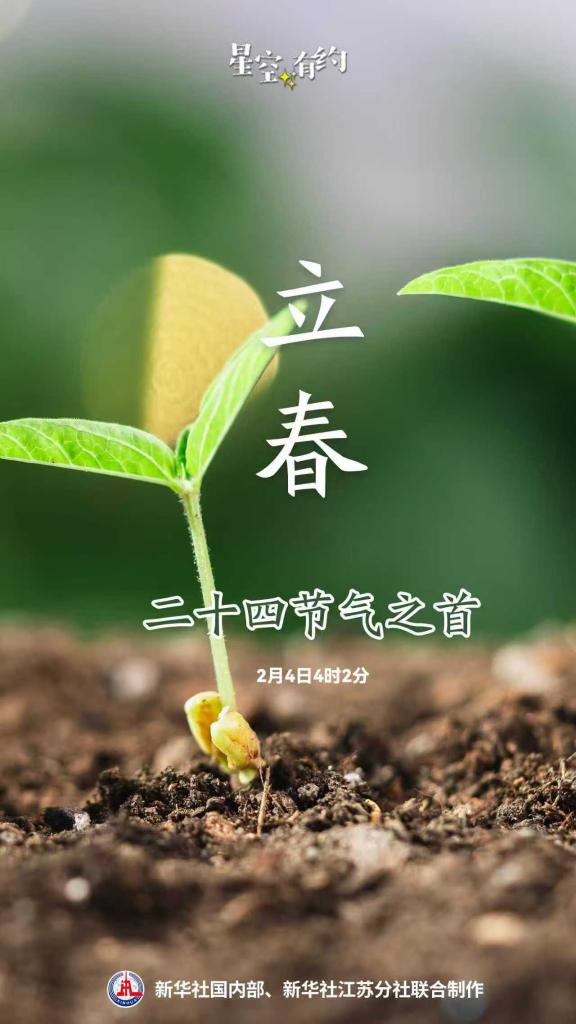
立春

Search documents
立春的“立”,意味着什么?
Xin Lang Cai Jing· 2026-02-03 23:53
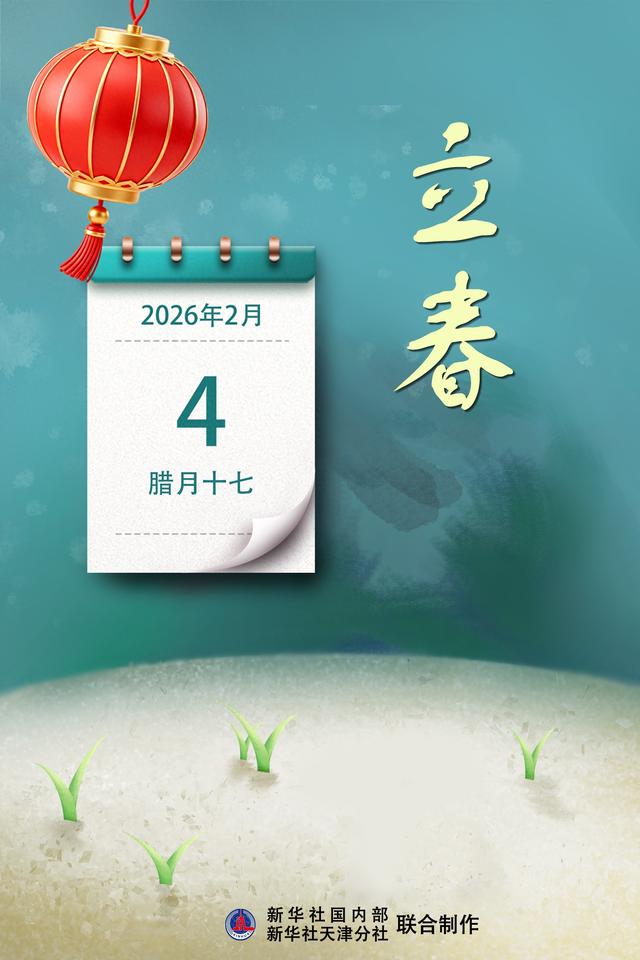
今年2月4日是立春节气。 《月令七十二候集解》记载:"立,建始也","立"即"开始"之意。那么,立春的"立",意味着怎样的开 始? 立春是春季的第一个节气,也是二十四节气之首。立春是以太阳在黄道的运行位置为判定标准的自然节 气,日期大约在公历2月3日至5日之间。太阳在天球上的周年视运动轨迹叫黄道,太阳沿黄道运行一周 共360度,每"走过"15度,即迎来一个新节气。当太阳运行至黄经315度时,对应的节气就是立春。 原标题:立春的"立",意味着什么?(把自然讲给你听) 立春是二十四节气之首,是以太阳在黄道的运行位置为判定标准的自然节气,也是农事活动的重要时间 节点 立春有三候:一候东风解冻,二候蛰虫始振,三候鱼陟负冰。立春时节,东风和煦,蛰虫苏醒,冰雪消 融,立春意味着草木萌发、万象更新,是大自然生机勃勃的象征。 (作者为中国农业博物馆当代农业研究部副研究馆员,本报记者常钦采访整理) 来源:人民日报 立春是季节意义上的开始,而春节则是农历纪年里一年的开始,农历春节在立春前或立春后均有可能。 由于我国农历纪年采用"十九年七闰"的法则,即每隔2年到3年,就增加1个月,即"闰月",于是,一个 农历年中可能包含两个立春, ...
今日立春,美好迎春而来
Xin Lang Cai Jing· 2026-02-03 20:49
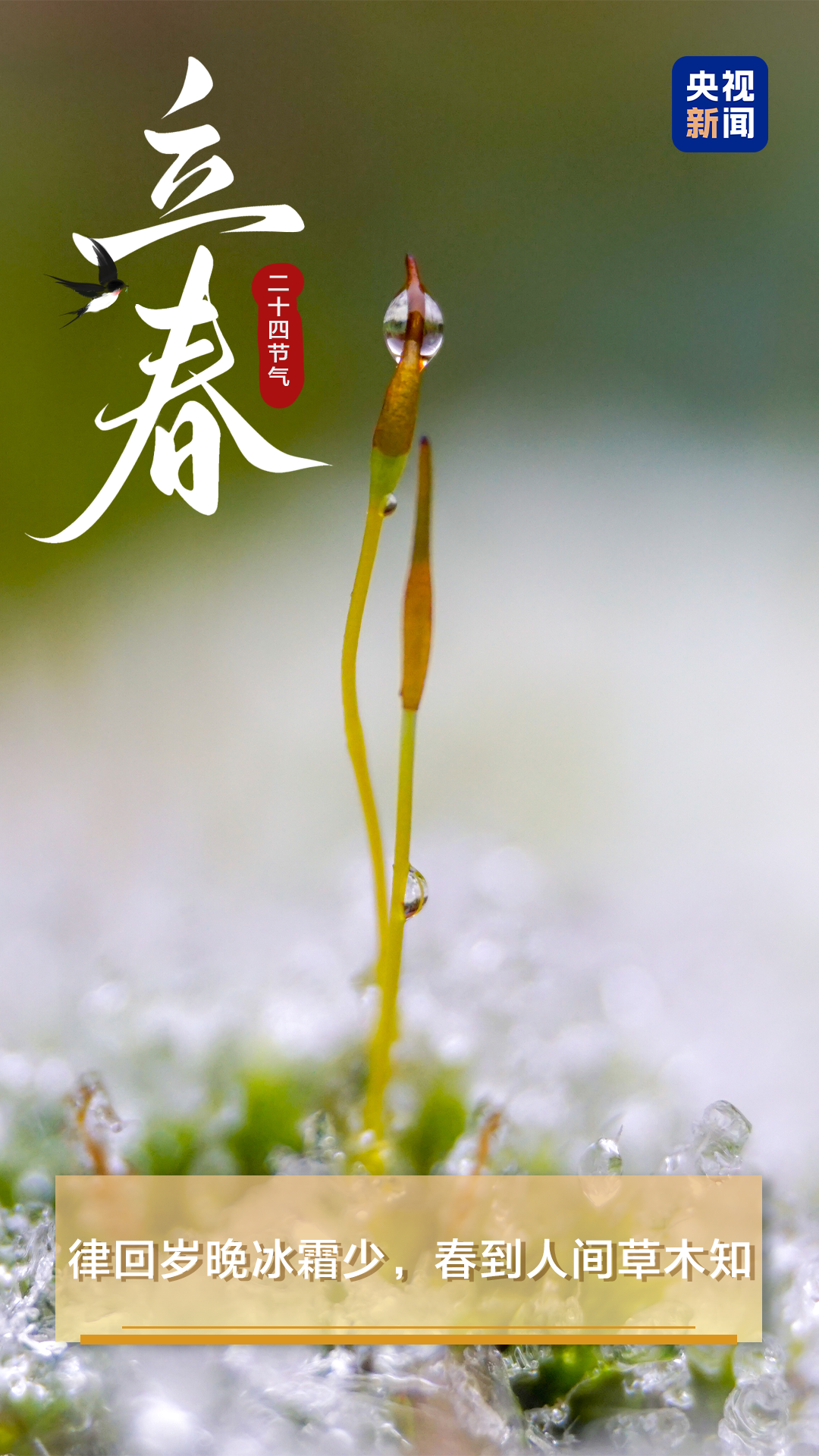
I I 东风吹散梅梢雪, 夜挽回天下春 立春是二十四节气的第一个节气 立代表着开始 四时重启、暖意盈门 春是希望 草木发芽、万物和鸣 一年之计在于春 立春这一天 气温逐渐回暖 大地也开始展现出勃勃生机 律回岁晚冰霜少, 春到人间草木知 失损 新闻 『节』『 制片人丨房轶婷美编丨刘敏敏 ©2026中央广播电视总台版权所有。未经许可,请勿转载使用。 2 200 渐觉东风料峭寒, 青蒿黄韭试春盘 央视 新闻 ا ا ا 从此雪消风自软,梅花合让柳条新 失犯 新闻 亚app下载 I ...

明天4时01分,江西正式进入……
Xin Lang Cai Jing· 2026-02-03 13:39
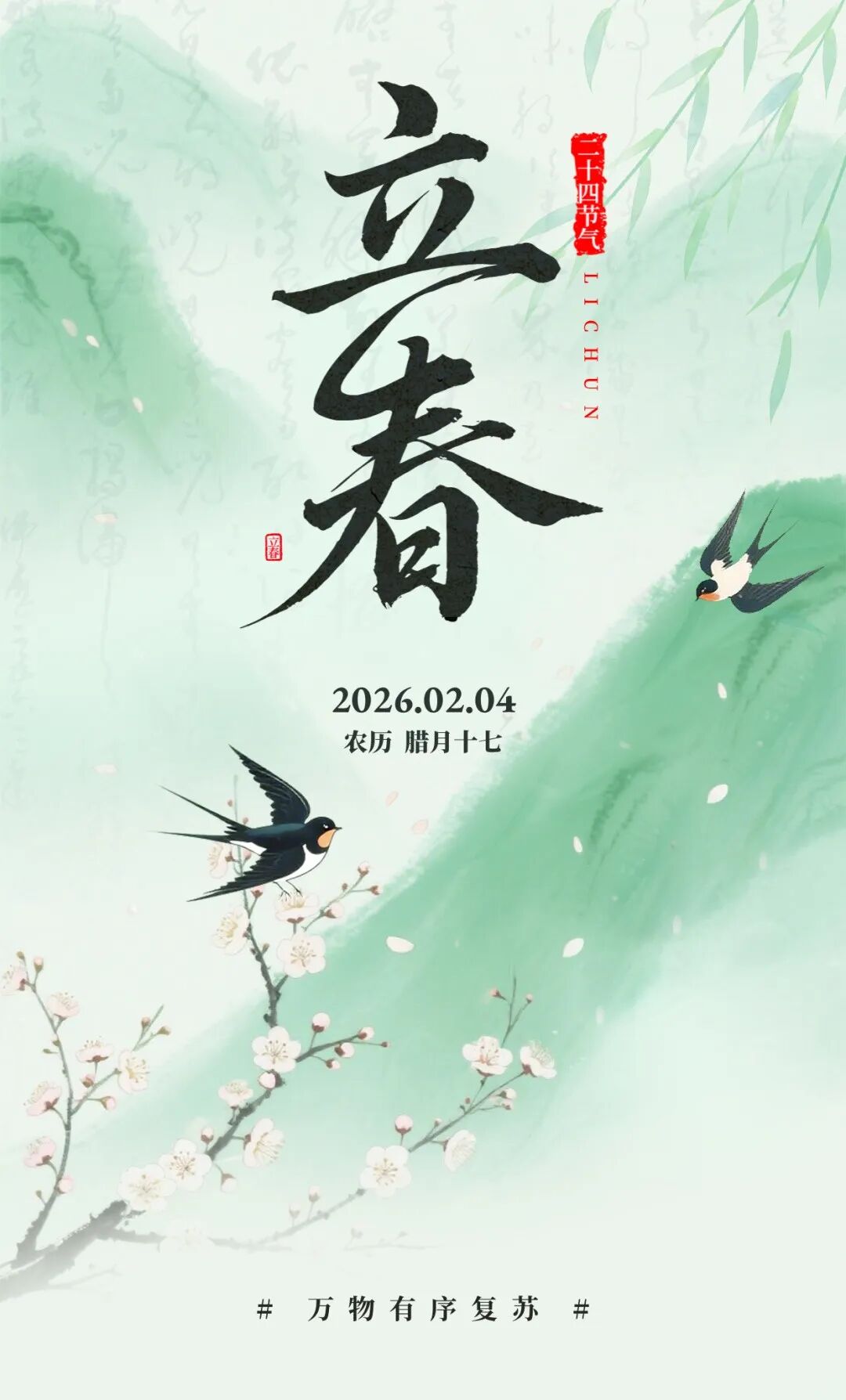
四季轮转,岁月不停 我们将迎来二十四节气之首 ——立春节气 立春始 万物含新意 此时节 虽然入目仍是冬天的雪白与素雅 但风和日暖、鸟语花香的日子 就要到来 春的气息 潜藏在日渐温润的空气里 孕育在等待返青的草木中 东风轻拂 又开始了一轮新的循环 明天4时01分51秒 一点点呼之欲出的新意 都会让人眼前一亮 立春 也意味着耕耘播种的时节 送来久违的温暖 世间万物 纷纷从冰冷的冬日中醒来 蛰虫始振、鱼陟负冰 每一处生机勃勃的景象 都踏着温暖的旋律 林木初萌、花枝孕蕾 就要开始 正是大地解冻的时候 只有珍惜时光、早做谋划 才能盼得一年的五谷丰登 一年之计在于春 刚起头儿 下得好工夫,有的是希望 当然,立春还只是一番"立意" 此后一段时间 天气仍会冷暖不定 请继续做好保暖,切勿过早减衣 刚过小年,就迎立春 写福字、挂灯笼 浓郁的年味儿已经开始弥漫 让我们怀揣对新年的期待 一起出发远航 愿你乘着和煦的春风 欢快自信地向着新年 启程! 来源:新华社、人民日报 编辑:张瑞颖 ...
关于立春,这些趣味知识你了解吗?
Xin Lang Cai Jing· 2026-02-03 11:32
Group 1 - The beginning of spring is marked by the arrival of Lichun, which typically occurs on February 3rd, 4th, or 5th in the Gregorian calendar [4][3] - The concept of "counting the nines" starts from the winter solstice, totaling 81 days, indicating the cold period of winter [1] - Lichun signifies the start of spring farming activities and is associated with the agricultural calendar, indicating a fruitful year ahead [3][4] Group 2 - There are interesting phenomena related to Lichun, such as "no spring year," "single spring year," and "double spring year," which refer to the occurrences of Lichun in the lunar calendar [4] - The upcoming lunar year of the Horse will have only one Lichun on February 4, 2027, categorizing it as a "single spring year" [7] - Lichun can coincide with the Spring Festival, creating a unique overlap that signifies the start of both the solar and lunar new years [7]
星空有约丨立春日期为啥“变来变去”?
Xin Hua She· 2026-02-03 09:42
Group 1 - The core point of the article discusses the timing of the solar term "Lichun" (Beginning of Spring), which will occur on February 4, 2025, and its astronomical basis [1][3][4] - The astronomical definition of solar terms indicates that they are specific moments in time, with each term corresponding to the sun's movement along the ecliptic, where every 15 degrees of movement marks a new solar term [3][4] - The concept of different types of years (tropical year, sidereal year, etc.) explains the discrepancies in the calendar dates of solar terms, with a tropical year averaging about 365 days, 5 hours, and 49 minutes, leading to shifts in the dates of solar terms over the years [5][6] Group 2 - The article highlights that the Gregorian calendar and the 24 solar terms reflect the relative motion of the Earth and the Sun, with solar terms generally falling within a few days of their expected dates in the Gregorian calendar [7] - The complexity of lunar calendar dates is noted, as the first day of the lunar year (Spring Festival) varies between January 21 and February 21, which can lead to "Lichun" not always aligning with the beginning of the lunar year [8][9] - Examples of lunar years are provided, such as the upcoming Year of the Horse, where "Lichun" will occur at the end of the lunar year, and the Year of the Snake, which had two occurrences of "Lichun" [9]
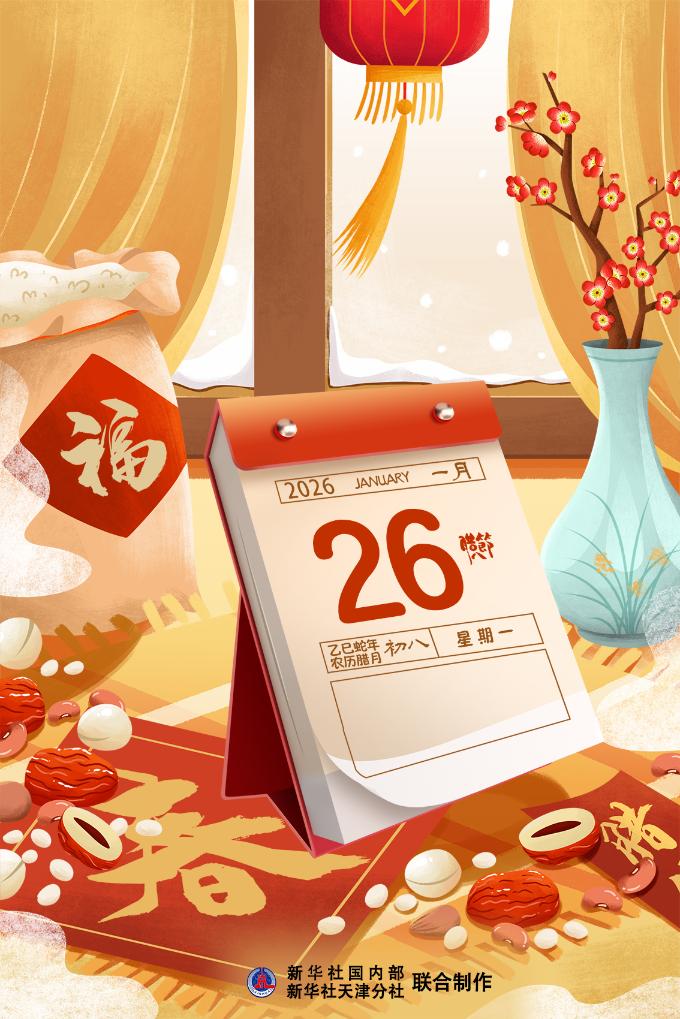
腊八逢五九 迎春亦迎年
Xin Hua Wang· 2026-01-24 05:31
Group 1 - The article highlights the cultural significance of Laba Festival, which falls on the eighth day of the twelfth lunar month, marking the tradition of consuming Laba porridge [1][3] - Laba porridge is made from various ingredients such as red dates, water chestnuts, chestnuts, glutinous rice, and beans, symbolizing good fortune and family unity [1][3] - The arrival of Laba coincides with the onset of the coldest days of winter, yet it also signifies the approach of spring, as indicated by the saying "after the cold comes the warmth" [1][3] Group 2 - The festival evokes feelings of nostalgia and longing for home among those away from their families, as many anticipate returning home for the New Year celebrations [3][5] - The preparation for the New Year begins with Laba, as people engage in various activities such as buying decorations and preparing traditional foods, reflecting the festive spirit [3][5] - The warmth of Laba porridge not only satisfies hunger but also stirs deep emotional connections to family and home, enhancing the overall festive atmosphere [3][5]
今日大寒
中国能源报· 2026-01-19 23:09
Group 1 - The article discusses the significance of the "Great Cold" (大寒) as the last solar term in the 24 solar terms, indicating extremely cold weather [1] - It describes the typical weather conditions during this period, such as severe cold and snowfall, symbolizing the transition from winter to spring [1] - The article emphasizes that after the "Great Cold," the arrival of "Lichun" (立春) marks the beginning of a new year and the end of winter [1]