大寒

Search documents
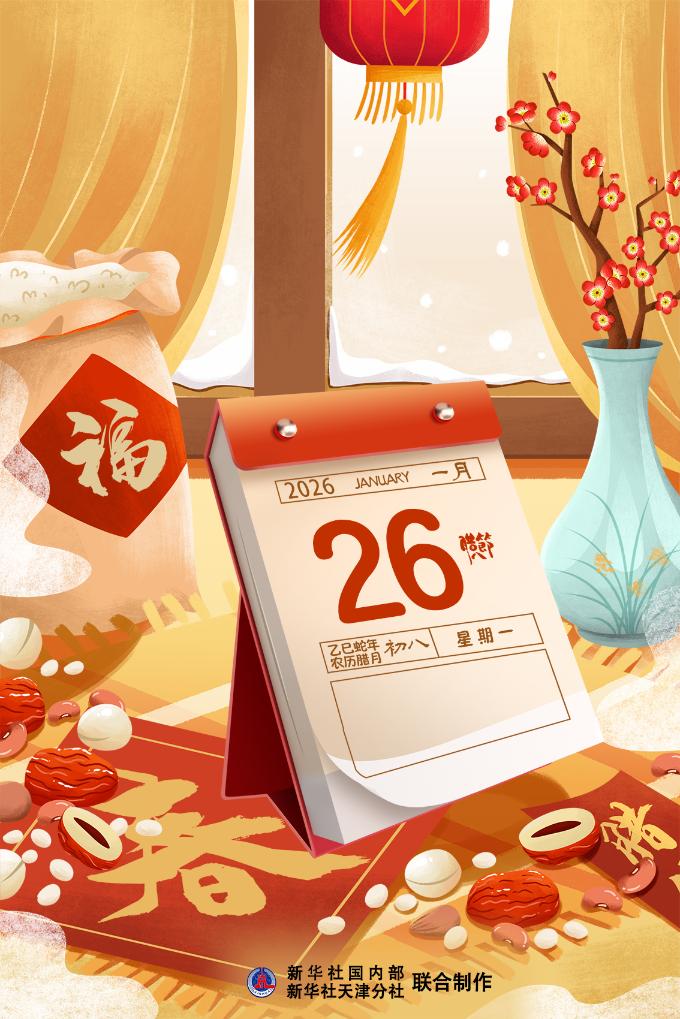
腊八逢五九 迎春亦迎年
Xin Hua Wang· 2026-01-24 05:31
Group 1 - The article highlights the cultural significance of Laba Festival, which falls on the eighth day of the twelfth lunar month, marking the tradition of consuming Laba porridge [1][3] - Laba porridge is made from various ingredients such as red dates, water chestnuts, chestnuts, glutinous rice, and beans, symbolizing good fortune and family unity [1][3] - The arrival of Laba coincides with the onset of the coldest days of winter, yet it also signifies the approach of spring, as indicated by the saying "after the cold comes the warmth" [1][3] Group 2 - The festival evokes feelings of nostalgia and longing for home among those away from their families, as many anticipate returning home for the New Year celebrations [3][5] - The preparation for the New Year begins with Laba, as people engage in various activities such as buying decorations and preparing traditional foods, reflecting the festive spirit [3][5] - The warmth of Laba porridge not only satisfies hunger but also stirs deep emotional connections to family and home, enhancing the overall festive atmosphere [3][5]

文化中国行丨二十四节气·大寒 东风欲来 春声渐近
Yang Shi Xin Wen Ke Hu Duan· 2026-01-21 03:08
Group 1 - The core viewpoint emphasizes the beauty of nature and culture during the "Great Cold" season, which is the last of the 24 solar terms [2][10] - "Great Cold" is positioned within the coldest period of the year, specifically during the "Three Nines" and "Four Nines" phases [4] - The season is characterized by a serene landscape, with white snow and red plum blossoms, creating a vivid and pure atmosphere [6] Group 2 - There is a traditional belief that several snowfalls during "Great Cold" can enrich the soil and indicate a bountiful year ahead [8] - The arrival of the east wind signals the approach of spring, making this time a moment filled with warmth and anticipation [10]
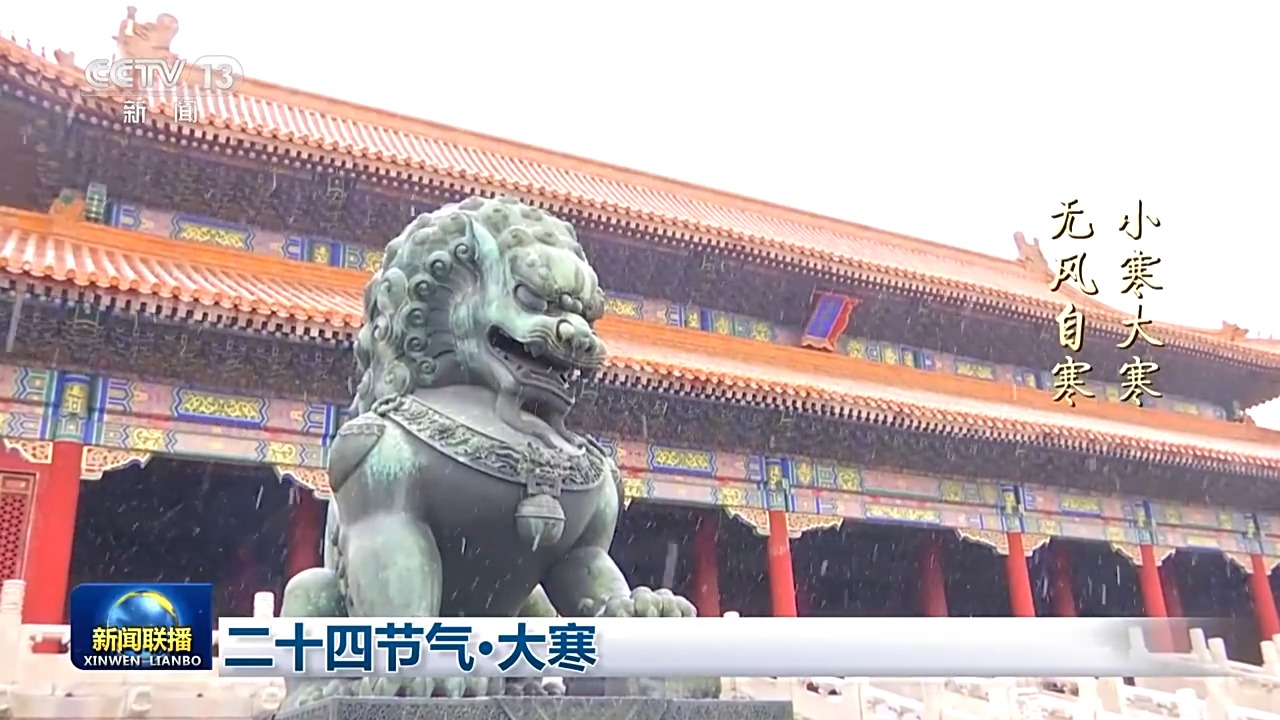
二十四节气·大寒
Yang Shi Wang· 2026-01-20 14:25
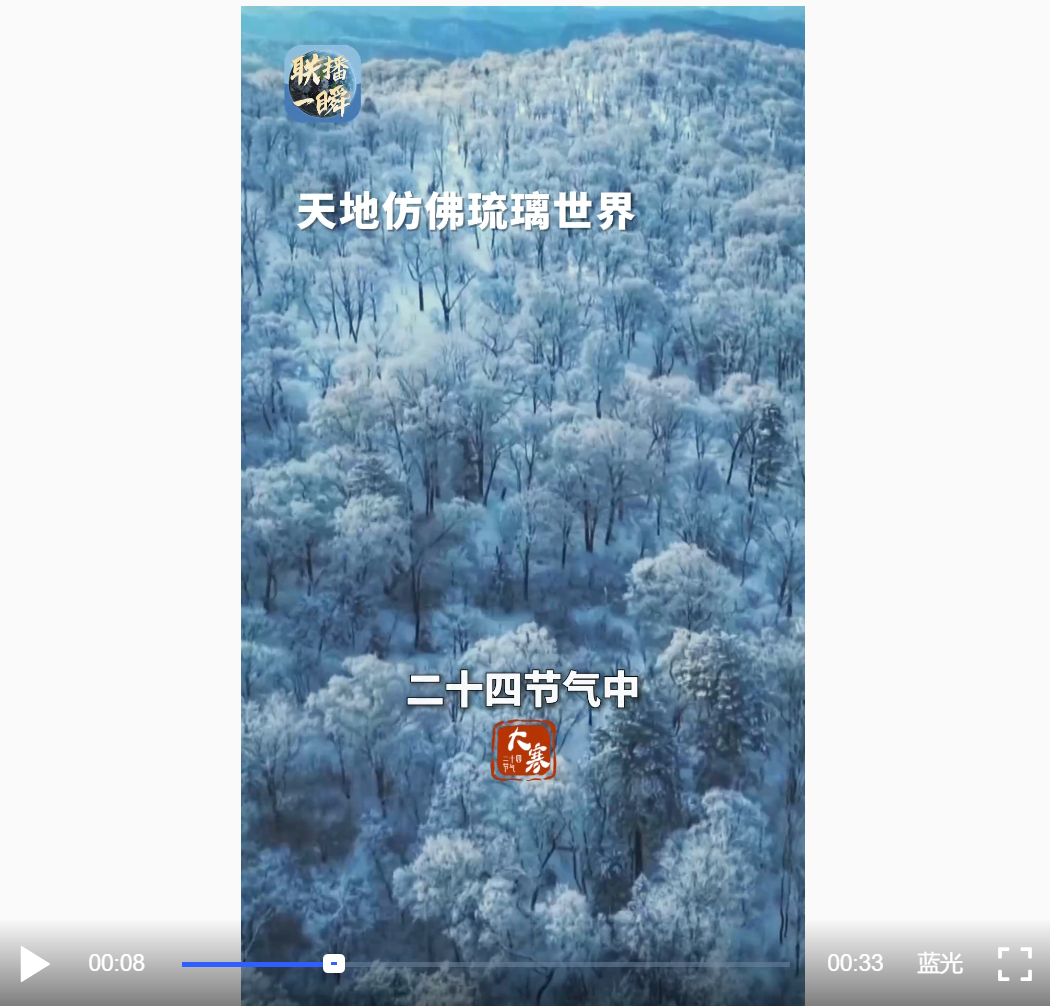
Group 1 - The core viewpoint emphasizes that "Dahan" is the last solar term in the 24 solar terms, marking the coldest period of the year [1] - The phrase "Xiao Han Da Han, no wind is cold" highlights the significance of this period, which falls within the "Three Nines" and "Four Nines" timeframe [1] - The natural beauty of this season is described as a "glassy world," with imagery of white snow and red plum blossoms, creating a vivid and serene landscape [1] Group 2 - The season is also characterized as a time filled with warmth and anticipation, with the folk saying "Dahan welcomes the year" reflecting cultural sentiments [2] - The arrival of "Dahan" is seen as a precursor to the coming of spring, indicating a shift towards warmer weather [3]
今日,大寒
Xin Lang Cai Jing· 2026-01-20 12:45
Core Viewpoint - Major Cold, the last of the 24 solar terms, signifies the peak of winter cold and marks the transition to the Chinese New Year, highlighting various cultural practices associated with this period [1][2] Group 1: Seasonal Characteristics - Major Cold occurs between January 20 and 21, representing the coldest time of the year and the period with the least rainfall [1][2] - This season is characterized by frequent cold waves affecting the northern hemisphere, indicating extreme cold conditions [1][2] Group 2: Cultural Practices - Numerous folk customs are observed from Major Cold to the Chinese New Year, including eating glutinous foods, cleaning homes, and preparing for the New Year [1][2] - The Laba Festival is celebrated during this time, featuring the preparation of Laba congee, symbolizing warmth and well-being for the upcoming year [1][2]
文化中国行·联播一瞬丨雪未融、春将启!今日大寒,愿你安暖
Yang Shi Xin Wen Ke Hu Duan· 2026-01-20 08:30
Group 1 - The article highlights the significance of the "Great Cold" (大寒) as the last of the twenty-four solar terms, marking the coldest period of the year [2] - It emphasizes the transition from winter to spring, symbolizing hope and renewal as the cold season comes to an end [2] - The message conveys a wish for warmth and peace as one awaits the arrival of spring [2]
今日大寒
中国能源报· 2026-01-19 23:09
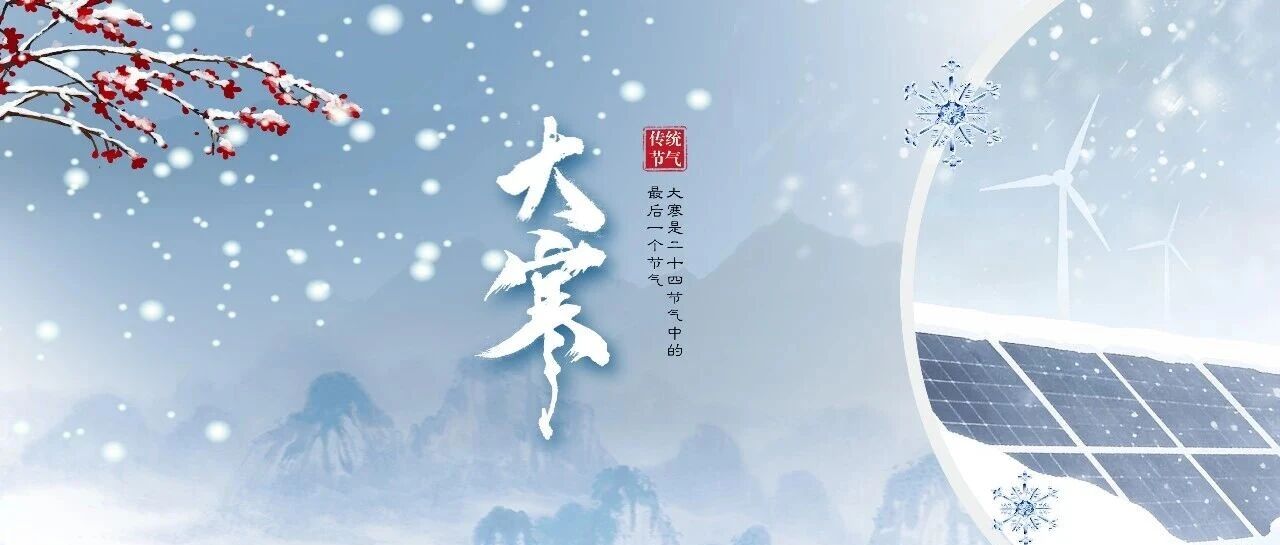
Group 1 - The article discusses the significance of the "Great Cold" (大寒) as the last solar term in the 24 solar terms, indicating extremely cold weather [1] - It describes the typical weather conditions during this period, such as severe cold and snowfall, symbolizing the transition from winter to spring [1] - The article emphasizes that after the "Great Cold," the arrival of "Lichun" (立春) marks the beginning of a new year and the end of winter [1]
每于寒尽觉春生
Xin Lang Cai Jing· 2026-01-19 06:50
Core Insights - The article reflects on the significance of the "Great Cold" (大寒) as the final solar term of the year, symbolizing the end of winter and the transition towards spring [2][4] Group 1: Cultural Significance - The Great Cold evokes strong feelings of nostalgia and the desire to return home for the New Year, highlighting a deep cultural connection to family and tradition [4][6] - The poem references the emotional journey of individuals as they navigate the harsh winter, emphasizing that true coldness is often felt in the heart rather than physically [4] Group 2: Natural Phenomena - The Great Cold is characterized by the presence of thick ice, which can support heavy loads, indicating the severity of winter conditions [3] - The article discusses the natural cycle of seasons, where the Great Cold serves as a precursor to spring, marking the beginning of new life, such as the hatching of chicks [5] Group 3: Historical Context - Historical references illustrate how the Great Cold has been perceived through various literary works, showcasing its impact on society and the environment [5][6] - The article mentions the transformation of regions and the connection between climate and agricultural practices, particularly in the context of the southern regions of China [6]
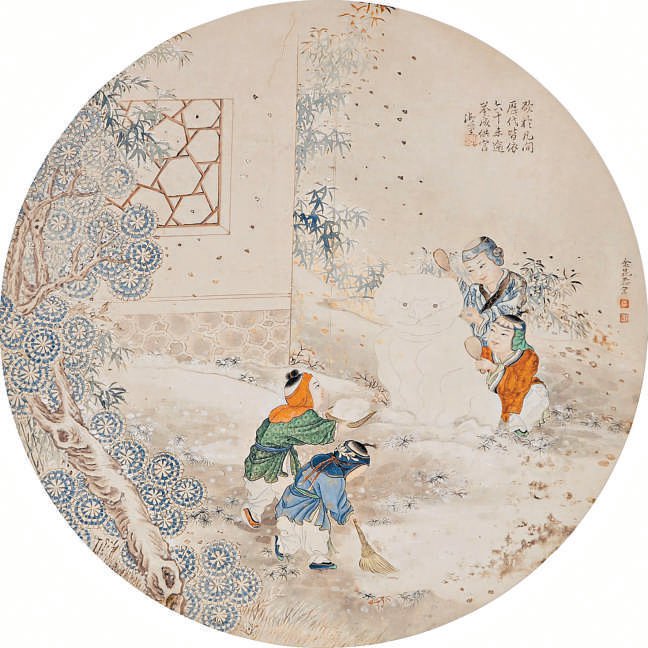
小寒大寒哪个更冷?(文化中国行·二十四节气二十四问)
Ren Min Wang· 2026-01-03 01:12
Core Viewpoint - The article discusses the differences between the solar terms "Minor Cold" and "Major Cold," highlighting their climatic significance and cultural implications in Chinese tradition [2][3][4]. Group 1: Climatic Differences - Minor Cold is characterized by lower average temperatures, often ranging from -5 to -10 degrees Celsius in Beijing, while Major Cold is slightly warmer by 1 to 2 degrees Celsius [3]. - The phenomenon of "Minor Cold being colder than Major Cold" is attributed to the strong cold air and the lag effect of ground heat loss during Minor Cold, leading to extreme low temperatures [3]. - In the Yellow River region, extreme low temperatures during Minor Cold can often drop below -10 degrees Celsius, reinforcing the saying that "Minor Cold surpasses Major Cold" [3]. Group 2: Regional Variations - In northern China, the cold is described as "dry cold," with temperatures often dropping to -20 or -30 degrees Celsius, while in southern China, the cold is perceived as "wet cold," with temperatures typically between 0 and 10 degrees Celsius [4]. - Southern regions experience more frequent cold air activities during Major Cold, leading to a higher probability of temperatures dropping below 0 degrees Celsius compared to Minor Cold [4]. Group 3: Cultural Significance - Minor Cold symbolizes a period of hidden strength, while Major Cold represents a turning point towards the arrival of spring, reflecting the cyclical nature of seasons [4]. - The article emphasizes the importance of adapting to seasonal changes and maintaining warmth during the coldest times of the year, rather than merely comparing which term signifies greater coldness [4].