
绿电消费

Search documents
中信证券:绿电源网荷储、垃圾发电+数据中心等需求有望迎来高速增长
智通财经网· 2025-06-04 00:56
Core Viewpoint - The introduction of the first national policy on green electricity direct connection aims to balance efficiency and fairness, facilitating the use of renewable energy and addressing challenges in wind and solar energy consumption [1][2]. Group 1: Policy Overview - The notification represents the first national-level policy for green electricity direct connection, incorporating both incremental and existing projects [2]. - Previous local government attempts in Jiangsu and pilot projects in Xinjiang have laid the groundwork for this policy, which now includes both new and existing renewable energy projects [2]. - Direct connection refers to power lines that connect energy sources directly to users, bypassing the public grid, with a clear physical trace of the supplied electricity [2]. Group 2: Objectives and Benefits - The policy aims to enhance the consumption of renewable energy by requiring that at least 60% of the annual self-generated electricity from direct connection projects comes from renewable sources, with targets increasing to 35% by 2030 [3]. - It addresses the growing demand for green electricity from users, particularly in high-energy industries, by facilitating a transition to low-carbon energy sources [3]. - The policy encourages cost reduction for users by allowing them to self-declare grid capacity and manage their own responsibilities, thus enhancing flexibility and lowering electricity costs [3]. Group 3: Fairness and Efficiency - Green electricity direct connection projects must comply with national regulations regarding transmission and distribution fees, ensuring that local governments do not waive these fees [4]. - The policy promotes the self-regulation of direct connection projects to increase the proportion of self-generated renewable energy, thereby reducing reliance on the public grid and lowering operational costs [4]. - It allows projects to participate in the electricity market, optimizing their energy consumption patterns while ensuring compliance with energy supply requirements [4].

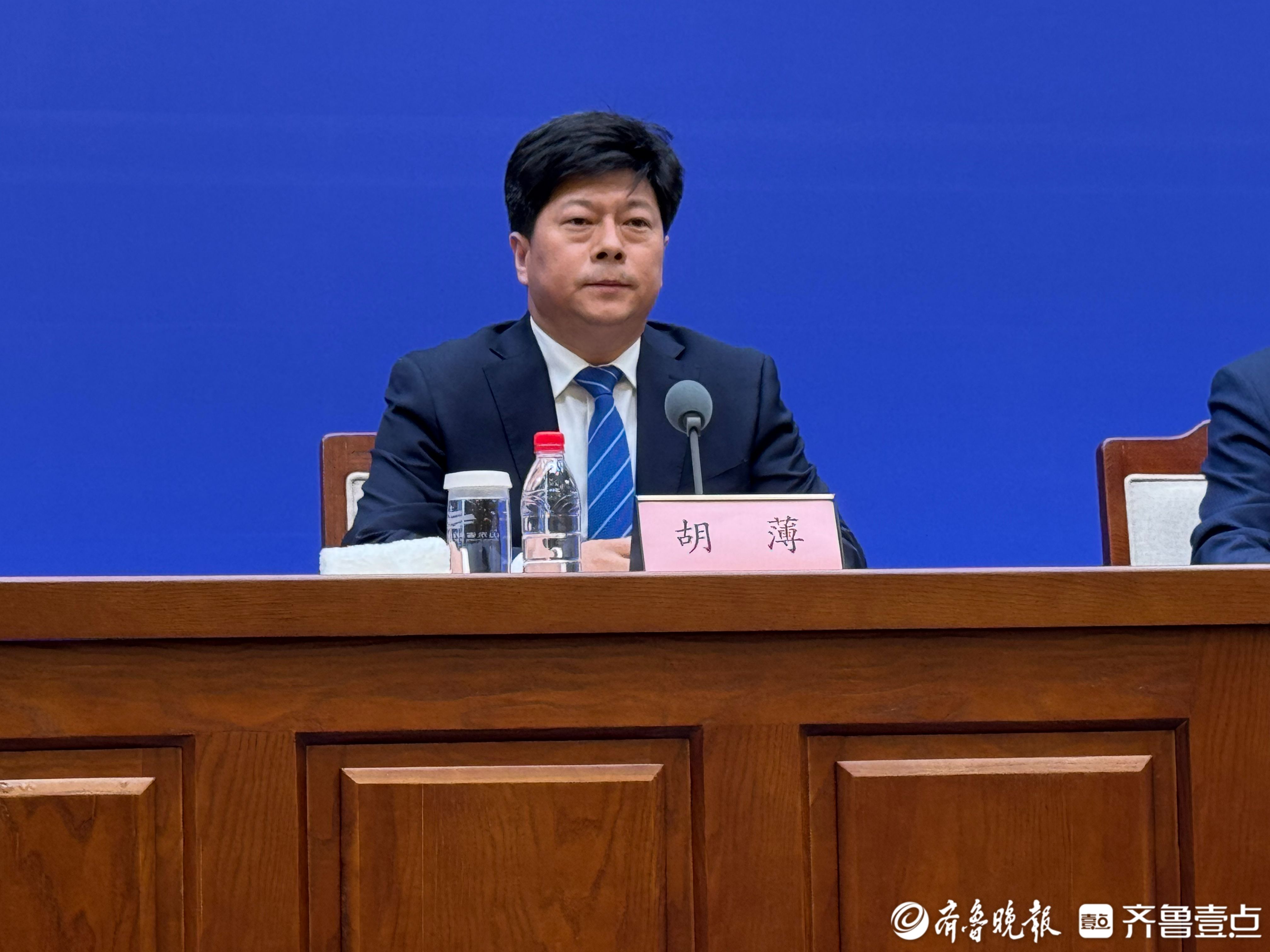
深入实施“八大行动”,山东全面提升新能源消纳能力
Qi Lu Wan Bao· 2025-05-15 03:48
Core Viewpoint - The Shandong Provincial Government is implementing the "Eight Major Actions" to enhance the high-level consumption of renewable energy, aiming for significant improvements by 2025 [5][8]. Group 1: Actions and Goals - The "Eight Major Actions" include optimizing the structure of renewable energy, enhancing coal power peak regulation, promoting new energy storage, strengthening grid support, encouraging green electricity consumption, innovating consumption models, deepening market reforms, and improving user response capabilities [5][6][7]. - By the end of this year, the ratio of solar to wind power installed capacity in Shandong is targeted to improve from 3.2:1 to 2.6:1 [5]. - The plan includes the modification of 20 million kilowatts of existing coal power units and the establishment of 2.68 million kilowatts of large coal power units by the end of the year [5][6]. Group 2: Characteristics of the Action Plan - The action plan emphasizes a systematic approach, coordinating all aspects of generation, regulation, storage, and consumption to enhance renewable energy consumption capabilities [7]. - It is targeted and responsive to the new conditions and requirements for renewable energy consumption by focusing on policy and measures to ensure effective outcomes [7]. - The plan is operationally detailed, with specific goals and responsibilities outlined to ensure rapid implementation and effectiveness [7][8].

公用事业及环保产业行业研究:垃圾焚烧迎“水电时刻”,合作IDC完善长逻辑
SINOLINK SECURITIES· 2025-04-24 06:23
Investment Rating - The report suggests that the current sector has investment value, recommending a focus on operators with potential for increased capacity utilization, leading indicators in power generation per ton and heating ratio, lower reliance on subsidies, and higher cash dividend capabilities [1]. Core Insights - The report highlights that the waste incineration sector is entering a phase of positive free cash flow, with significant increases in dividend ratios expected in the coming years. The average dividend ratio is projected to rise from 35% in 2023 to 47% in 2024, driven by a 307% year-on-year increase in free cash flow [3][23][30]. - The report emphasizes the importance of collaboration with IDC (Internet Data Center) operators, which is expected to optimize cash flow curves and business models for waste incineration operators. This partnership is anticipated to create a win-win scenario for all parties involved [3][54]. Summary by Sections Section 1: Industry Overview - The waste incineration industry has achieved a 100% harmless treatment rate for domestic waste by the end of 2023, with a significant shift towards incineration over landfill methods [12][13]. - The fixed cost structure of waste incineration plants is characterized by a high proportion of depreciation and amortization costs, approximately 42.8%, leading to stable cash outflows [15][18]. Section 2: Financial Performance - The report notes that the waste incineration sector is expected to see a substantial increase in free cash flow, with the first year of positive free cash flow occurring in 2023. The average dividend payout ratio is projected to increase significantly in 2024 [3][23][30]. - The cash flow structure is stable, with variable costs linked to fuel prices being only 5.5% of total costs, while the majority consists of labor and auxiliary costs [15][18]. Section 3: Risks and Challenges - The report identifies several risks, including delayed subsidy payments, lower-than-expected capacity utilization for newly commissioned plants, and potential issues with the commercial model leading to accounts receivable delays [2][26]. - The impact of subsidy reductions on project internal rates of return (IRR) is highlighted, with a decrease of 0.1 CNY/KWh potentially lowering IRR from 7.9% to 6.2% [29][34]. Section 4: Strategic Recommendations - The report recommends focusing on regional operators in high electricity price areas (e.g., Yangtze River Delta, Pearl River Delta, Beijing-Tianjin-Hebei) that have lower reliance on subsidies and higher cash dividend capabilities [1]. - Collaboration with IDC is seen as a strategic move to enhance cash flow and stabilize revenue streams, particularly in light of increasing energy demands from data centers [54][56].