超级食物

Search documents
红菜头正在成为“中产通行证”
FBIF食品饮料创新· 2025-05-06 00:31
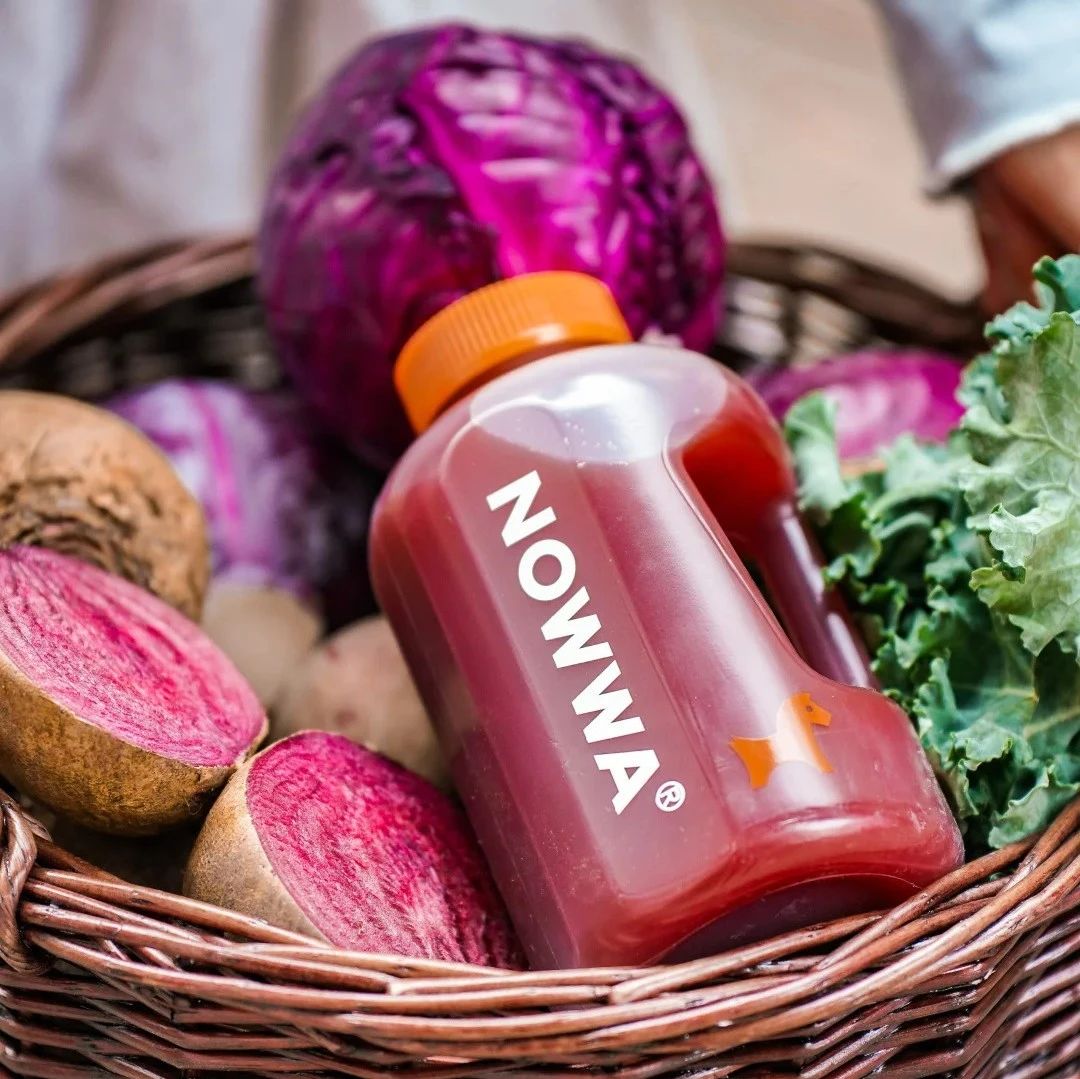
Core Viewpoint - The article discusses the rise of "superfoods" in the market, highlighting their marketing appeal and the trend of food brands incorporating these ingredients into their products to attract consumers [5][19][33]. Group 1: Definition and Popularity of Superfoods - "Superfood" is a vague term originating from the West, referring to foods rich in certain nutrients, but lacks a strict scientific definition [13][15]. - The popularity of superfoods has surged recently, with various brands launching products featuring ingredients like kale, beetroot, and turmeric, which are marketed for their health benefits [6][7][10]. - A significant factor in the rise of superfoods is a 2022 article from Harvard Health that listed ten superfoods, which gained traction on social media and contributed to the perception of these foods as health-enhancing [20][23]. Group 2: Market Trends and Brand Strategies - In the past year, many food and beverage brands have introduced new products centered around superfoods, with notable examples including Heytea's kale-based drink and various offerings from other tea brands [6][7][10]. - The trend has expanded beyond beverages to include snacks and meal replacements, with brands like White Elephant and Wang Baobao launching products that emphasize the health benefits of superfoods [10][26]. - Social media data indicates that the most common associations with superfoods have shifted from weight loss to nutrition, reflecting a broader acceptance of these ingredients in everyday diets [29]. Group 3: Historical Context and Marketing Dynamics - The article traces the historical context of superfoods, noting that many have undergone similar marketing transformations in the past, such as bananas and avocados, which were once considered difficult to sell but became popular through strategic marketing [35][37]. - The marketing of superfoods often emphasizes their health benefits while downplaying their historical challenges in gaining consumer acceptance, suggesting that the appeal of superfoods is as much about marketing as it is about nutrition [33][40].

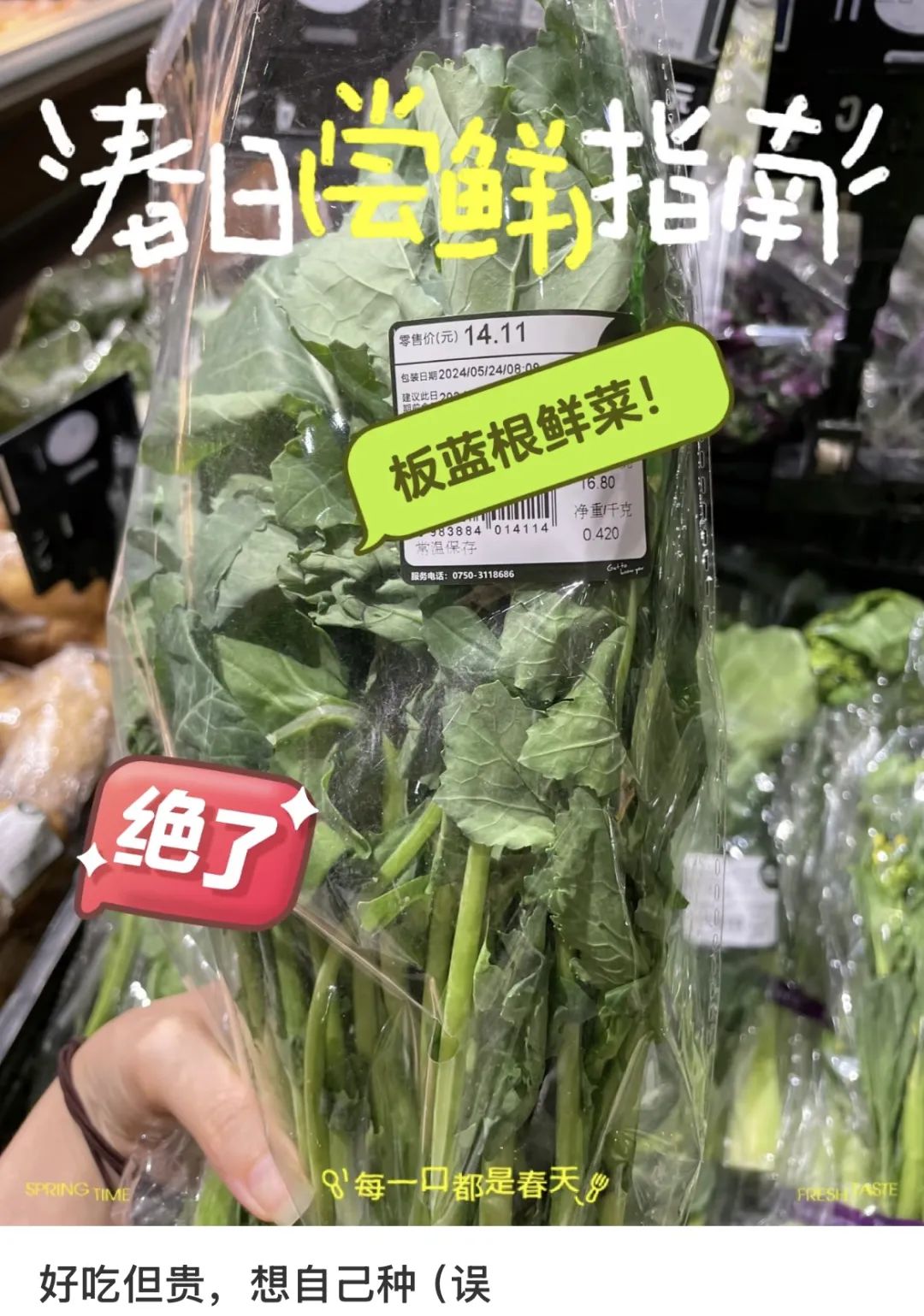
23元一斤的新奇蔬菜,快被中产抢疯了
3 6 Ke· 2025-04-22 01:51
Core Insights - The article discusses the rising popularity of a new vegetable, Banlangen (Isatis indigotica), which has become a trendy choice among middle-class consumers in China, priced at 13.8 yuan for 300g, equivalent to 23 yuan per jin [1][5]. Group 1: Product Overview - Banlangen is a hybrid vegetable developed over 17 years by Huazhong Agricultural University, combining Isatis indigotica and cabbage, initially aimed at improving disease resistance but also offering health benefits [4]. - The vegetable has been marketed as a health food, despite being primarily a vegetable, and has gained a reputation for its antiviral properties and sweet taste [4][5]. Group 2: Market Trends - The trend of middle-class consumers gravitating towards unique vegetables is evident, with Banlangen becoming the latest "top vegetable" after the previously popular kale, which saw a price increase from 0.8 yuan per jin to 20-30 yuan per jin due to its health associations [5][7]. - The article highlights the shift in consumer behavior, where vegetables are now being marketed not just for freshness but also for their health benefits, targeting urban consumers' needs [10][21]. Group 3: Health and Wellness Focus - The rise of "superfoods" like Banlangen and kale reflects a broader trend where consumers are increasingly concerned about health, nutrition, and the origins of their food, often willing to pay a premium for perceived health benefits [14][21]. - The article notes that the marketing of these vegetables plays into urban consumers' anxieties about time, environmental threats, and health, leading to a willingness to invest in higher-priced, nutrient-dense foods [18][21]. Group 4: Consumer Behavior - The article suggests that the fascination with unique vegetables is part of a larger narrative where consumers seek to enhance their health and lifestyle through food choices, often influenced by social media and marketing strategies [10][14]. - It emphasizes the importance of understanding personal health standards and making informed dietary choices rather than blindly following trends [21].