有机食品

Search documents
研判2026!中国有机食品行业政策、产业链、认证情况、供需平衡、市场规模、主要企业及发展趋势:产品认证数量、市场规模呈持续增长趋势[图]
Chan Ye Xin Xi Wang· 2026-02-22 03:15
Core Viewpoint - The organic food industry in China is entering a new phase characterized by production expansion, quality improvement in processing, strong market demand, and deepening international cooperation. The country is now the third-largest organic consumer market globally and the fifth-largest in organic agricultural cultivation [1][5]. Industry Overview - Organic food is defined as agricultural products produced and processed according to organic farming standards and certified by organic certification organizations. It is increasingly favored by consumers worldwide due to its health and environmental benefits [1][5]. - The organic food industry in China is supported by government policies that integrate it into the green agriculture development strategy, enhancing certification standards and providing various support measures [7]. Market Demand and Growth - The demand for organic food in China is expected to continue growing due to rising income levels and increasing health consciousness among consumers. The market size is projected to reach 133.06 billion yuan in 2025 and 152.12 billion yuan in 2026 [1][6]. - By 2025, China's organic food production is expected to reach 37.234 million tons, with domestic demand at 36.707 million tons. By 2026, production is projected to increase to 39.845 million tons, with domestic demand rising to 39.288 million tons [1][5]. Certification and Industry Structure - As of 2024, there are 18,200 enterprises with over 30,000 organic product certifications in China, with a certified organic area of 6.655 million hectares, including 3.589 million hectares of organic farmland, reflecting a year-on-year growth of 14.32% [5]. - The organic food industry chain consists of upstream raw material supply (agriculture, livestock, aquaculture) and downstream sales channels (supermarkets, specialty stores, e-commerce) [6]. Competitive Landscape - Leading companies in the organic food sector leverage large-scale organic cultivation bases and comprehensive quality control systems to dominate the mid-to-high-end market. Notable companies include Heilongjiang Beidahuang Agricultural Co., Ltd., Shandong Xiwang Food Co., Ltd., and China Shengmu Organic Milk Ltd. [8][9]. - Heilongjiang Beidahuang Agricultural Co., Ltd. is recognized as a major player with significant resources and modern agricultural practices, contributing to national food security [8]. - Shandong Xiwang Food Co., Ltd. specializes in various healthy oils and has implemented advanced automated production processes to ensure product quality and safety [9]. Industry Trends - The Chinese organic food industry is experiencing a favorable environment for growth due to multiple factors, including policy support, consumer demand expansion, and technological advancements. The market is expected to continue evolving towards diversification, quality enhancement, convenience, and value [10].


好莱坞明星光环加持 有机儿童零食制造商Once Upon a Farm(OFRM.US)IPO定价18美元
Zhi Tong Cai Jing· 2026-02-06 09:01
Group 1 - Once Upon a Farm (OFRM.US), co-founded by actress Jennifer Garner, raised $198 million by issuing 11 million shares at $18 each, achieving a fully diluted market capitalization of $811 million [1] - The company specializes in organic refrigerated foods for infants and toddlers, with core product lines including cold-pressed pouch foods, oat bars, dry snacks, and frozen meals, aiming to provide convenient meal options for consumers [1] - As of September 30 last year, Once Upon a Farm reported revenues of $176.7 million and a net loss of $39.8 million, while for the same period in 2024, revenues were $107.6 million with a net loss of $11.6 million [1] Group 2 - Once Upon a Farm plans to list on the New York Stock Exchange under the ticker "OFRM," with several major banks acting as joint bookrunners for the transaction [2] - The performance of consumer-facing companies in the IPO market has been relatively subdued, with total financing of approximately $15.6 billion since 2021, compared to $17.4 billion raised that year [2] - Notable stock performance post-IPO includes significant gains for Cava Group (CAVA.US) and Athleta (AS.US), while Webtoon Entertainment (WBTN.US) has underperformed [2]
有机浪潮下的8年领跑者,润心山茶油的市场底气从何而来?
Sou Hu Wang· 2026-01-23 07:37
Core Viewpoint - The article emphasizes the growing consumer demand for organic and nutritious cooking oils, highlighting Runxin Organic Camellia Oil as a trusted choice that meets these needs through its commitment to organic farming and quality assurance [1][6][12]. Group 1: Market Context - According to iiMedia Research, 49.08% of Chinese consumers are concerned about food safety, which has led to increased interest in the source and production of food ingredients [3]. - The Chinese refined edible oil production reached 51.57 million tons in 2024, reflecting a 10.05% year-on-year growth, indicating a rising demand for high-quality cooking oils [9]. Group 2: Product Quality and Production - Runxin's organic camellia oil is produced in the 28° golden production area of Yichun, Jiangxi, known for its 350,000 acres of organic camellia trees, benefiting from clean air and mineral-rich soil [5]. - The company adheres to organic farming practices, avoiding chemical fertilizers and pesticides, and has received organic certifications from China, the US, and the EU, ensuring product safety and quality [6][10]. Group 3: Nutritional Benefits - Runxin's organic camellia oil features a high smoke point of 230°C, making it suitable for various cooking methods while providing essential fatty acids for different age groups, including children and the elderly [11]. Group 4: Industry Recognition - Runxin was awarded the title of "Leading Grain and Oil Enterprise" at the 15th China Grain and Oil Awards, recognizing its commitment to quality and its role in promoting high-quality development in the grain and oil industry [13][16]. Group 5: Brand Commitment and Future Outlook - With 25 years of dedication to organic principles and a 2300-year heritage of camellia culture, Runxin aims to connect nature with daily life, promoting health and well-being through its products [16].
“爷爷的农场”谋求IPO,能否成下一个国民辅食品牌?
Jin Tou Wang· 2026-01-07 08:32
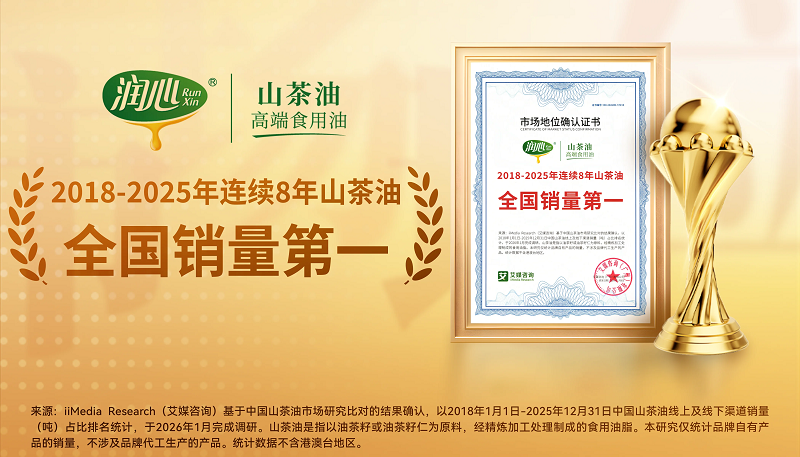
Core Insights - The company "Grandpa's Farm" has officially submitted its listing application, capitalizing on the growing organic food market driven by health-conscious consumers and scientific feeding concepts [1][4] - The organic baby food segment is experiencing significant growth, with a projected market size increase from 1.2 billion RMB in 2020 to 2.2 billion RMB by 2024, reflecting a compound annual growth rate (CAGR) of 15.9% [4][5] - The company holds a leading position in the organic baby food sector, with a market share of approximately 23.2% and the highest growth rate among the top five competitors from 2022 to 2024 [5][9] Market Trends - The penetration rate of infant complementary food in China is expected to rise from 36.8% in 2020 to 43.3% in 2024, with further growth anticipated to 52.2% by 2029 [4] - The organic seasoning market is projected to grow from 7 billion RMB in 2024 to 19.8 billion RMB by 2029, with a CAGR of 23.2% [6] Competitive Landscape - The Chinese organic baby food market is still in its early stages, with only 5.6% market share compared to more mature markets in Europe and Australia, which have shares of approximately 30% and 40-50%, respectively [5] - The top five players in the organic baby food segment are expected to hold a combined market share of 79.1% by 2024, indicating a trend towards market concentration [5] Financial Performance - The company has demonstrated strong financial growth, with revenue increasing from 622.39 million RMB in 2023 to 875.35 million RMB in 2024, representing a growth of 40.6% [9][10] - The gross profit margin has remained high, with rates of 55.5%, 58.8%, and 57.3% for the years 2023, 2024, and 2025, respectively [9][10] Product Strategy - The company has developed a diversified product system centered around organic products, with a total of 269 SKUs, including 195 for infant complementary food and 74 for family food [7][12] - The family food segment is rapidly growing, with revenue expected to increase from 42.92 million RMB in 2023 to 105.03 million RMB in 2024, marking a growth of 144.72% [11][12] Future Outlook - The upcoming IPO is expected to provide new momentum for the company's growth, supporting capacity expansion, research and development, and upgrades to the family food business [13] - The company is well-positioned to leverage its strengths in the organic baby food market and its successful expansion into family food, creating a dual growth engine for future performance [11][13]
爷爷的农场,递交IPO招股书,拟赴香港上市,招银国际独家保荐
Xin Lang Cai Jing· 2026-01-06 06:07
Core Viewpoint - Grandpa's Farm International Holdings Limited is preparing for an IPO on the Hong Kong Stock Exchange, aiming to leverage its position as a leader in the Chinese infant and toddler food industry and expand into the broader family food market [2][5]. Business Overview - Established in 2015, Grandpa's Farm focuses on providing high-quality, nutritious food with minimal additives, primarily using natural ingredients [5]. - Approximately one-third of the company's SKUs have received organic certification as of September 30, 2025, with some products certified in multiple jurisdictions [5]. Product Range - The company offers a variety of products in the infant and toddler food sector, including oils, seasonings, cereals, juices, fruit purees, and snacks, as well as family food items like liquid milk, convenience foods, rice products, and seasonings [8]. Market Position - In 2024, Grandpa's Farm ranked second in the Chinese infant and toddler food market by total transaction value, achieving the highest compound annual growth rate among the top five companies from 2022 to 2024 [7]. - The company holds the top position in the organic infant and toddler food segment in China for the same year [7]. Sales Performance - The company's revenue for the years 2023, 2024, and the first nine months of 2025 was RMB 622.39 million, RMB 875.35 million, and RMB 779.77 million, respectively [15][16]. - Net profits for the same periods were RMB 75.46 million, RMB 102.61 million, and RMB 87.42 million [15][16]. Shareholder Structure - Prior to the IPO, the major shareholder structure includes Yang Gang as the controlling shareholder with a 55% stake through YANGGANG Holdings, while three other shareholders hold 15% each [10][11]. Board of Directors - The board consists of seven members, including four executive directors responsible for various operational aspects and three independent non-executive directors with significant industry experience [13][14]. Underwriting Team - The IPO's underwriting team includes CMB International as a joint sponsor and KPMG as the auditor, among others [16].
爷爷的农场冲刺港交所:国内最大的有机婴童零辅食品牌,9个月营收8亿元
3 6 Ke· 2026-01-06 05:08
Core Viewpoint - Grandpa's Farm International Holdings Limited is set to go public on the Hong Kong Stock Exchange on January 5, 2026, with CMB International as the sole sponsor [1] Group 1: Company Overview - Founded in 2015, Grandpa's Farm focuses on providing high-quality health foods with minimal additives and nutritional value, launching its first baby food product in 2018 and strategically entering the family food sector in 2021 [2] - The product range includes baby food items such as oils, seasonings, cereals, juices, fruit purees, and snacks, as well as family food products like liquid milk, convenience foods, rice products, seasonings, and oils [2] - As of September 30, 2025, the product portfolio includes 269 SKUs, with about one-third certified organic, meeting modern consumer expectations for convenience, nutrition, hygiene, and taste [2] Group 2: Market Position and Growth - According to Frost & Sullivan, Grandpa's Farm ranks second in the Chinese baby food market by transaction value for 2024 and has the highest compound annual growth rate from 2022 to 2024 among the top five companies [3] - The brand leads in the organic baby food segment in China for 2024, with repurchase rates on Tmall of 29%, 31%, and 34% for 2023, 2024, and the twelve months ending September 30, 2025, respectively [3] Group 3: Distribution and Sales Channels - Grandpa's Farm has established a broad distribution network through e-commerce platforms, key customers, and distributors, reaching over 10,000 retail outlets in China as of September 30, 2025 [4] - The revenue share from direct sales channels was 41.3%, 42.3%, and 42.1% for 2023, 2024, and the first three quarters of 2025, respectively, while the revenue share from distribution channels was 58.7%, 57.7%, and 57.9% for the same periods [3][4] Group 4: Financial Performance - Revenue for Grandpa's Farm was CNY 622 million in 2023 and CNY 875 million in 2024, representing a year-on-year growth of 40.6%, with revenue of CNY 780 million for the first three quarters of 2025, a growth of 23.2% [5] - The gross profit margins were 55.5%, 58.8%, and 57.3% for 2023, 2024, and the first three quarters of 2025, with adjusted net profit margins of 12.2%, 11.8%, and 11.6% for the same periods [5] - The funds raised from the IPO will be used to enhance product development, improve supply chain capabilities, strengthen brand marketing, expand domestic sales networks, and explore overseas markets [5]
爷爷的农场冲刺港交所:国内最大的有机婴童零辅食品牌,9个月营收8亿元
IPO早知道· 2026-01-06 01:19
Core Viewpoint - The company "爷爷的农场" is preparing for an IPO on the Hong Kong Stock Exchange, aiming to enhance its product development and expand its market presence in the healthy food sector, particularly in baby food and family food products [2][6]. Group 1: Company Overview - Established in 2015, "爷爷的农场" focuses on providing high-quality, nutritious food with minimal additives, launching its first baby food product in 2018 and strategically entering the family food market in 2021 [3]. - The product range includes baby food items such as oils, seasonings, cereals, juices, fruit purees, and snacks, as well as family food products like liquid milk, convenience foods, rice, seasonings, and oils [3]. Group 2: Product and Market Position - As of September 30, 2025, the company offers 269 SKUs, with about one-third certified organic, meeting modern consumer expectations for convenience, nutrition, hygiene, and taste [4]. - According to Frost & Sullivan, "爷爷的农场" ranks second in the total transaction value of baby food in China for 2024 and has the highest compound annual growth rate among the top five companies from 2022 to 2024 [4]. Group 3: Sales Channels and Growth - Direct sales channels, including Tmall, Douyin, Pinduoduo, and JD.com, are key growth drivers, with revenue shares of 41.3%, 42.3%, and 42.1% for 2023, 2024, and the first three quarters of 2025, respectively [4]. - The company has established a broad distribution network, entering 12 national retail chains and over 2,000 key retail outlets, with partnerships with 342 distributors reaching over 10,000 stores [5]. Group 4: Financial Performance - The company's revenue for 2023 and 2024 was 622 million and 875 million yuan, respectively, reflecting a year-on-year growth of 40.6%, while the revenue for the first three quarters of 2025 was 780 million yuan, up 23.2% [5]. - Gross margins for 2023, 2024, and the first three quarters of 2025 were 55.5%, 58.8%, and 57.3%, with adjusted net profit margins of 12.2%, 11.8%, and 11.6% during the same periods [5]. Group 5: IPO Fund Utilization - The net proceeds from the IPO will be used to enhance product development capabilities, innovate and upgrade product lines, invest in supply chain development, strengthen brand marketing, expand domestic sales networks, and explore overseas markets [6].
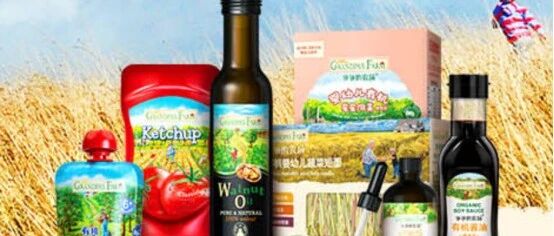
爷爷的农场冲击港股IPO,中国有机婴童零辅食行业排名第一
Sou Hu Cai Jing· 2026-01-05 15:18
Core Insights - The article discusses the IPO application of Grandpa's Farm International Holdings Limited on the Hong Kong Stock Exchange, with CMB International as the sole sponsor [2] - Grandpa's Farm is a leader in the Chinese infant and toddler complementary food industry and has expanded into the family food sector, focusing on high-quality, nutritious products with minimal additives [3] Company Overview - Founded in 2018, Grandpa's Farm has quickly become a leading brand in the Chinese infant complementary food market, ranking second in total merchandise transaction value for 2024 [3] - The company has the highest compound annual growth rate (CAGR) among the top five companies in the market from 2022 to 2024 [9] - In the organic infant complementary food segment, Grandpa's Farm ranks first in total merchandise transaction value for 2024 [3][10] Product Development and Innovation - As of September 30, 2025, approximately one-third of the company's SKUs have organic sales licenses, meeting modern consumer expectations for convenience, nutrition, hygiene, and taste [4] - The company has successfully launched various product lines that resonate with consumers of different age groups, including oils, seasonings, cereals, juices, and snacks for infants, as well as liquid milk and convenience foods for families [4] Financial Performance - The company's revenue increased from RMB 622 million in 2023 to RMB 875 million in 2024, representing a growth of 40.6% [9] - The gross profit for the same periods was RMB 345 million and RMB 514 million, with gross margins of 55.5% and 58.8% respectively [9] - The adjusted net profit for 2024 was RMB 1.03 billion, with an adjusted net profit margin of 11.8% [9] Market Position and Competitive Landscape - The Chinese infant complementary food market is highly fragmented, with the top five market participants accounting for approximately 14.2% of the market share in 2024 [9] - Grandpa's Farm holds a market share of about 3.3% in the infant complementary food sector, with a transaction value of approximately RMB 1.5 billion [9] Future Plans and Use of IPO Proceeds - The funds raised from the IPO are intended for enhancing product development capabilities, investing in supply chain development, strengthening brand marketing, expanding domestic sales networks, and general corporate purposes [10]

爷爷的农场冲击港股IPO,2025年前三季度收入7.8亿元,中国有机婴童零辅食行业排名第一
Sou Hu Cai Jing· 2026-01-05 14:54
Core Viewpoint - Grandpa's Farm International Holdings Limited has submitted a listing application to the Hong Kong Stock Exchange, aiming to leverage its leadership in the Chinese infant and toddler food market to expand its product offerings and market presence [2]. Group 1: Company Overview - Grandpa's Farm is recognized as a leader in the Chinese infant and toddler complementary food sector and has expanded into the family food industry, focusing on high-quality, nutritious products with minimal additives [2]. - The company launched its first infant complementary food product in 2018 and has rapidly grown to become a leading brand in the market within eight years [2]. - By 2024, Grandpa's Farm is projected to rank second in the Chinese infant complementary food market by total transaction value, achieving the highest compound annual growth rate (CAGR) among the top five companies from 2022 to 2024 [2][7]. Group 2: Product Development and Innovation - As of September 30, 2025, approximately one-third of Grandpa's Farm's SKUs have obtained organic sales certification, aligning with modern consumer expectations for convenience, nutrition, hygiene, and taste [3]. - The company has successfully launched various product lines that resonate with consumers of different age groups, including infant oils, seasonings, cereals, juices, and snacks, as well as family food products like liquid milk and convenience foods [3]. - The number of SKUs has increased from 158 on December 31, 2023, to 269 by September 30, 2025, reflecting the company's response to changing consumer demands and competitive market conditions [3]. Group 3: Financial Performance - Grandpa's Farm has demonstrated strong financial growth, with revenue increasing from RMB 622 million in 2023 to RMB 875 million in 2024, representing a 40.6% growth [7]. - The company's gross profit for the same periods was RMB 345 million and RMB 514 million, with gross margins of 55.5% and 58.8%, respectively [7]. - The adjusted net profit for the nine months ending September 30, 2025, was RMB 90.1 million, with an adjusted net profit margin of 11.6% [7]. Group 4: Market Position and Strategy - The Chinese infant complementary food market is highly fragmented, with the top five market participants accounting for approximately 14.2% of the market share in 2024 [7]. - Grandpa's Farm holds a market share of about 3.3% in the infant complementary food sector, with a total transaction value of approximately RMB 1.5 billion [7]. - In the organic infant complementary food segment, Grandpa's Farm leads with a transaction value of approximately RMB 500 million, capturing about 23.2% of the market share in 2024 [8]. Group 5: IPO Fund Utilization - The funds raised from the IPO are intended for enhancing product development capabilities, investing in supply chain development, strengthening brand marketing, expanding domestic sales networks, and general corporate purposes [8].
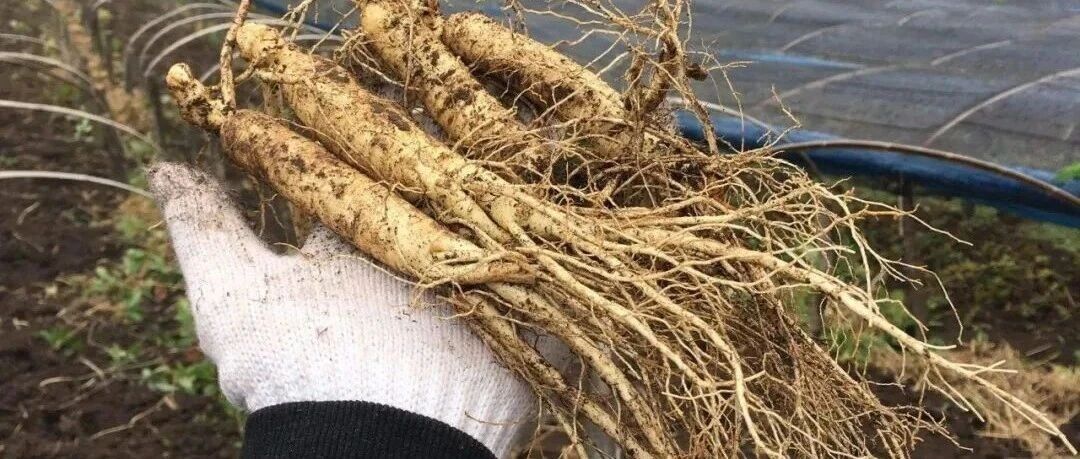
现摘现发!长白山5年足龄「鲜人参」,收到还挂着土!又鲜又补
凤凰网财经· 2025-11-11 14:20
Core Viewpoint - The article emphasizes the arrival of the fresh ginseng season, highlighting the benefits of consuming fresh ginseng for health and vitality, particularly during the autumn and winter months [2][6][30]. Group 1: Product Quality and Sourcing - The article stresses the importance of sourcing high-quality ginseng, specifically from the core production area of Changbai Mountain in Fushun, which is known for its natural growth conditions and superior quality [10][12][50]. - It mentions that the ginseng is organically grown without the use of pesticides or fertilizers, ensuring a pure and nutritious product [18][21][56]. - The article highlights the rigorous quality management system in place, including a traceability system from seed to packaging, ensuring the safety and quality of the ginseng [43][44]. Group 2: Health Benefits - Fresh ginseng is noted for its high active ingredient content, making it more beneficial than processed ginseng products [73][75]. - The article outlines various health benefits of ginseng, including boosting energy, enhancing immunity, and improving overall well-being, making it suitable for various demographics such as office workers, women, and the elderly [30][69][21]. Group 3: Pricing and Accessibility - The article presents competitive pricing for fresh ginseng, with options starting at 79 yuan for a small package, making it accessible to a broader audience [27][32][86]. - It emphasizes the goal of making high-quality ginseng affordable for the general public, contrasting with the perception that ginseng is an expensive luxury item [36][85]. Group 4: Consumption Methods - The article provides various ways to consume fresh ginseng, including in soups, teas, and other dishes, highlighting its versatility and ease of incorporation into daily diets [21][81][78]. - It encourages consumers to explore these methods to enjoy both the taste and health benefits of fresh ginseng [79][88].