
健康养生

Search documents
2025年枸杞子类保健食品品牌推荐“枸”在滋养,活力源于日常
Tou Bao Yan Jiu Yuan· 2026-03-05 00:30
Investment Rating - The report does not explicitly provide an investment rating for the industry Core Insights - The goji berry health food market is expected to grow significantly due to increasing health awareness among consumers, an aging population, and enhanced product innovation and policy support [4][9] - The market size for goji berry health foods is projected to increase from 17.247 billion RMB in 2020 to 19.620 billion RMB in 2024, with a compound annual growth rate (CAGR) of 3.27%. From 2025 to 2029, it is expected to grow from 20.271 billion RMB to 23.955 billion RMB, with a CAGR of 4.26% [8] - The industry is transitioning from traditional nourishment to precise health solutions, focusing on scientific validation and functional segmentation of products [29] - The supply chain is evolving from traditional cultivation to a comprehensive industry chain, enhancing quality and sustainability [30] - Consumer demand is diversifying, with a shift from single goji berry products to a variety of forms and functional experiences [11][12] Market Background - Goji berry health foods are primarily made from goji berries and are recognized for various health benefits, including blood pressure and lipid reduction, immune enhancement, and more [4][5] - The market has evolved through distinct phases, starting from its inception in 1996 to a rapid growth phase expected to continue until 2025 [6][7] Market Status - The market supply is transforming, with a shift towards integrated supply chains and diversified product offerings, including functional foods and personal care products [10] - The demand for goji berry health foods is increasing as consumers seek natural health solutions, with a notable rise in acceptance among younger demographics [11] Market Competition - The industry is characterized by significant product homogeneity, with major players including China Resources Sanjiu, Tongrentang, and Harbin Pharmaceutical Group leading the market [16][17] - The report identifies ten recommended brands, highlighting their unique strengths and contributions to the goji berry health food sector [17][18][20][21][22][23][24][25][26][28] Development Trends - The industry is moving towards high-quality development across the entire supply chain, ensuring product quality and value enhancement [30] - Consumption scenarios for goji berry health foods are expanding beyond traditional uses, integrating into various aspects of modern life, including beverages, snacks, and beauty care [31]
60%毛利率却亏损近9000万,按摩器龙头实控人减持套现后遭立案
Xin Lang Cai Jing· 2026-02-28 03:46
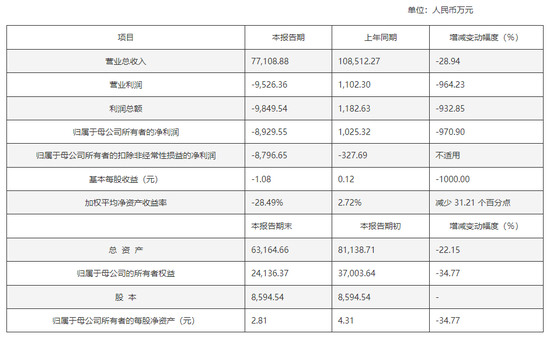
Core Viewpoint - The company Beiliang Song has once again fallen into a loss situation, reporting a significant decline in revenue and a substantial net loss for the fiscal year 2025 [1][16]. Financial Performance - Total revenue for 2025 was 771 million yuan, a year-on-year decrease of 28.94% [2][17]. - The net profit attributable to the parent company was a loss of approximately 89.3 million yuan, a staggering decline of 970.90% compared to the previous year [2][17]. - Basic earnings per share were -1.08 yuan, down from 0.12 yuan, marking a 1000% decrease [2][17]. - The weighted average return on equity dropped to -28.49%, a decrease of 31.21 percentage points from the previous year [2][17]. Market Position and Strategy - Beiliang Song, once a leader in the massage device market with a gross margin close to 60%, has seen its stock price plummet from a peak of 185 yuan per share to below 23 yuan [3][18]. - The company has struggled to maintain its market position due to intensified competition and has failed to achieve significant progress in its attempts to expand internationally and launch new product categories [3][18]. - The marketing strategy, heavily reliant on celebrity endorsements and extensive physical store presence, has not yielded the expected results, leading to increased operational costs that have eroded profit margins [7][22]. Challenges and Risks - The company has faced continuous revenue and net profit declines for five consecutive quarters since 2022, with a significant loss of nearly 150 million yuan in 2022 [6][21]. - The high fixed costs associated with a large number of physical stores have further pressured profit margins, making it difficult for the company to balance high gross margins with cost control [8][23]. - The company has acknowledged potential risks of continued losses if market conditions do not improve, and if new product launches and sales channels do not meet expectations [9][24]. International Expansion and R&D - Beiliang Song is pursuing a global strategy, focusing on Southeast Asia and the Middle East, with plans to open 10-20 new stores in these regions by 2026 [10][25]. - However, the company's international revenue has shown a decline, with a 39.32% drop in the first half of 2025 compared to the previous year [11][26]. - Despite efforts to diversify its product offerings and enhance its service model, R&D expenditures have decreased, raising concerns about the company's ability to innovate and compete effectively [12][27]. Regulatory Issues - The company and its actual controller, Ma Xuejun, are under investigation by the China Securities Regulatory Commission for alleged information disclosure violations [14][29]. - This investigation could impact the company's management and operations, especially in light of ongoing financial pressures and the need for effective new product strategies to recover from losses [15][30].


从“随意姐”爆火到门庭冷落,澳洲干粮店在中国为何水土不服?
Sou Hu Cai Jing· 2026-02-24 07:27
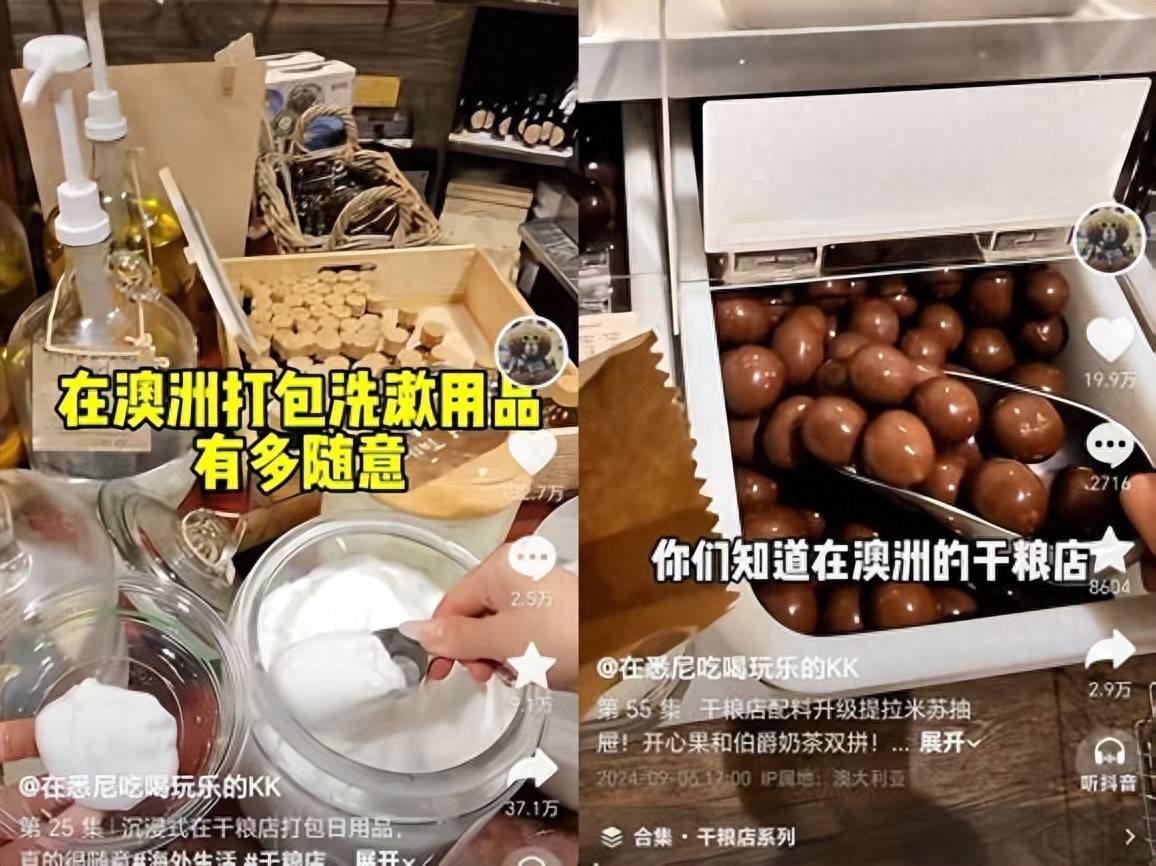
Core Viewpoint - The popularity of Australian "dry food stores" in China, initially driven by social media influencers, has significantly declined within two years, highlighting the challenges of adapting foreign business models to the Chinese market [1][6]. Group 1: Rise of the Trend - The Australian lifestyle influencer "KK" significantly contributed to the popularity of dry food stores in China, amassing over 2.25 million followers on Xiaohongshu and over 2.86 million on Douyin [3]. - The concept of dry food stores involves bulk selling of products, allowing consumers to self-serve and package their purchases, which was perceived as a fresh and stress-relieving shopping experience [5]. Group 2: Challenges Faced - The dry food store model faced critical issues in China, particularly regarding pricing, hygiene, and consumer experience, leading to its rapid decline [6]. - High prices are a major pain point, with examples like "STOP SHOP" in Shanghai charging 35 CNY per 100g for bulk items, significantly higher than online alternatives [7][10]. - Hygiene concerns arise from the self-service nature of these stores, where consumers handle products directly, leading to doubts about food safety [11][13]. Group 3: Misalignment with Local Demand - The core principles of sustainability and self-service have been compromised in the Chinese market, with many stores using plastic containers instead of eco-friendly options [14]. - The actual demand in China leans towards affordable and practical health food options rather than the premium pricing associated with organic products [15]. - The health food market is growing, but the dry food store model does not align with the preferences of Chinese consumers, who prioritize value for money [16]. Group 4: Future Directions - To succeed, dry food stores in China must adapt to local needs, focusing on practical sustainability and reasonable pricing [17]. - Suggestions include using durable containers, offering discounts on near-expiry products, and creating a mix of affordable and premium items to attract a broader customer base [18][19]. - Transforming from a retail model to an experiential center, such as combining dry food stores with light dining options, could enhance customer engagement and value [20]. Conclusion - The initial excitement around Australian dry food stores in China has waned, revealing a disconnect between social media perceptions and actual consumer priorities regarding price, hygiene, and value [22].
可喜安提醒老年人吃菜籽油的好处别忽视
Zhong Guo Shi Pin Wang· 2026-02-13 03:12
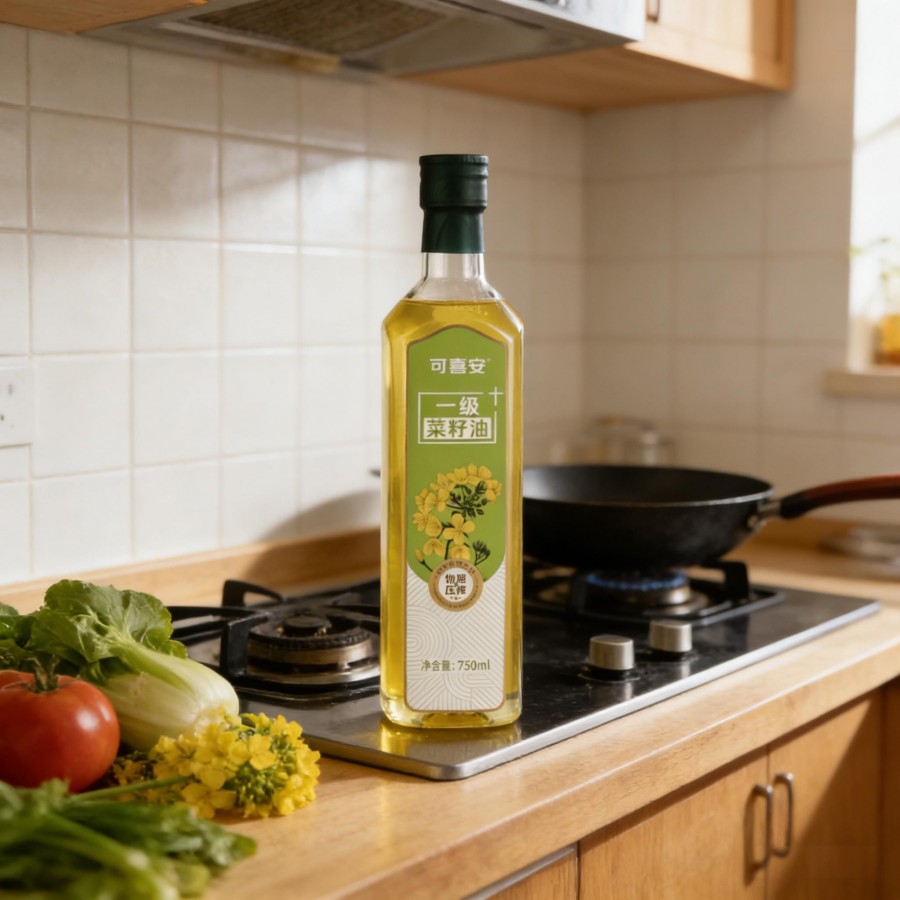
Core Viewpoint - The article emphasizes the importance of choosing the right cooking oil, particularly canola oil, for the health of the elderly, highlighting its benefits in cardiovascular health, digestion, cooking safety, and overall nutrition. Group 1: Cardiovascular Health - Canola oil is noted for its high unsaturated fatty acid content, reaching 90%, with approximately 64% being monounsaturated fatty acids, which can effectively lower LDL cholesterol and raise HDL cholesterol levels [4][5] - A study from Harvard involving 220,000 participants over 33 years indicates that low-erucic, low-glucosinolates canola oil reduces all-cause mortality risk more effectively than olive oil [4] - Canola oil contains 570 mg of plant sterols per 100 grams, which can inhibit cholesterol absorption and maintain vascular elasticity, making it suitable for elderly individuals with weaker vascular regulation [4][5] Group 2: Digestive Health - Canola oil has a high absorption rate of 99% in the human body, significantly reducing the metabolic burden on the gastrointestinal system, which is crucial for the elderly who may have decreased digestive capabilities [6][8] - The fatty acid structure of canola oil, including linoleic and alpha-linolenic acids, facilitates easier digestion and absorption, making it a suitable choice for older adults [8] Group 3: Cooking Safety and Adaptability - Canola oil has a high smoke point, with refined canola oil reaching ≥190°C and low-erucic canola oil up to 255°C, making it stable for high-temperature cooking methods preferred by the elderly [9] - The unique flavor of canola oil enhances the taste of dishes, which can improve the appetite of older adults [9] Group 4: Nutritional Benefits - Canola oil is rich in natural vitamin E, with a content of 15-25 mg per 100 grams, acting as a powerful antioxidant that helps delay cellular aging and organ function decline [10] - The presence of alpha-linolenic acid (omega-3 fatty acid) in canola oil supports brain function and memory improvement while also lowering blood viscosity to prevent thrombosis [10] Group 5: Company Commitment - The company, Kexian, has been dedicated to the health industry for 21 years, focusing on providing comprehensive health solutions for the elderly through a full-chain system of research, production, sales, and after-sales service [1][12] - Kexian emphasizes the importance of health in daily details, ensuring strict control over its products, including medical devices and health foods, to support the health of the elderly [12]
养生医美产品成刚需“新年货” 京东京喜自营按摩美容仪器卖出20万单
Zhong Jin Zai Xian· 2026-02-09 10:17
Group 1: Consumer Trends and Market Dynamics - The upcoming Spring Festival holiday in China will provide a 9-day break, leading to increased consumer focus on self-care and personal spending rather than social obligations [1] - The market for health and wellness products, particularly among the 30-55 age group, is seeing significant growth, with a notable increase in demand for massage and beauty devices [1] - The sales of massage health products have surged, with order volumes exceeding 100,000, a 200% year-on-year increase, and transaction values growing 1,100% [1] Group 2: Industry Growth and Projections - The massage chair industry in China is expected to grow to approximately 8.745 billion yuan by 2025, driven by rising health awareness and accelerated consumption upgrades [2] - The global market for massage equipment is projected to reach 39.068 billion yuan by 2032, with a compound annual growth rate of 4.77% [2] Group 3: Company Strategies and Innovations - Senyuan Trading, a company established in 2022, has leveraged the 京喜自营 platform to streamline operations, focusing on production while outsourcing marketing and logistics [2][3] - The company anticipates a significant increase in transaction volume, projecting over 5 million yuan in 2025 and 30 million yuan in 2026 [3] - The introduction of high-quality, competitively priced massage chairs has transformed them from luxury items to household necessities, with products priced just above 2,000 yuan [5] Group 4: Product Offerings and Consumer Engagement - The collaboration between 京喜 and various manufacturers has led to the development of innovative personal care products, including facial steamers and slimming devices, targeting women over 40 [8][10] - The successful launch of products like the "nano facial steamer" and "lazy face slimming device" has resulted in significant sales, with some items reaching transaction values of 500,000 yuan [12] - The focus on high-quality, affordable personal care products is reshaping consumer perceptions, making them more accessible to a broader audience [8][10]

人民日报:坚持八个好习惯,越活越年轻不是难事
洞见· 2026-01-29 12:36
Core Insights - The article emphasizes that maintaining good lifestyle habits can significantly rejuvenate one's biological age and overall health, despite the inevitability of aging [3][4][48]. Group 1: Key Habits for Youthfulness - Habit 1: Stand against the wall for 10 minutes daily to improve posture and reduce lumbar pressure by 42% [10]. - Habit 2: Eat until 80% full to prevent inflammation and accelerate aging, as overeating can lead to metabolic diseases [11][15]. - Habit 3: Practice daily sun protection to prevent 75% of facial wrinkles caused by UV exposure [16][20]. Group 2: Continuous Learning and Sleep - Habit 4: Learn a new skill each month to stimulate brain function and prevent cognitive decline [22][23]. - Habit 5: Go to bed 15 minutes earlier to improve sleep quality, which is linked to 172 diseases [27][28]. Group 3: Hydration and Relaxation - Habit 6: Drink at least 1500 milliliters of water daily to maintain hydration and youthful skin [29][33]. - Habit 7: Spend 10 minutes daily to relax and clear the mind, which helps in reducing stress and replenishing energy [35][39]. Group 4: Physical Activity - Habit 8: Engage in at least 15 minutes of physical exercise daily to enhance overall health and slow down aging [40][44].

这届年轻人,正把养生饮料悄悄带上年夜饭桌
Sou Hu Wang· 2026-01-28 10:33
Core Viewpoint - The dining culture during the Chinese New Year is undergoing a subtle transformation led by younger generations who are embracing a new health consciousness while still valuing traditional flavors [1][2]. Group 1: Evolution of Health Perspectives - The younger generation, once advocates of a "punk health" philosophy, are now shifting towards a more pragmatic approach to health, especially during family gatherings [2]. - They seek to balance enjoyment of food and family with the responsibility of ensuring their loved ones' health, leading to a demand for healthier beverage options during festive meals [2][3]. Group 2: The Role of Hawthorn Beverage - The hawthorn beverage, particularly the "Hawthorn Tree Under" brand from Tianjin Guanfang Group, has emerged as a popular choice that meets the health needs of all family members [2][3]. - This beverage is perceived as a familiar and wise choice by older generations, while also aligning with the younger generation's preference for clean labels and health benefits [3][4]. Group 3: Family Dynamics and Health Management - The introduction of healthier drink options signifies a deeper shift in family dynamics, with younger individuals taking on roles as health managers and contributors to family well-being [5][6]. - This change reflects a move from a top-down approach to health care within families to a more collaborative and informed model, where younger members actively participate in promoting health [5][6]. Group 4: Cultural Significance of the New Beverage - The hawthorn beverage serves as a symbol of modern family values, promoting health and shared enjoyment during festive occasions, thus becoming a new cultural norm [6]. - It represents a gentle yet significant shift in how families interact and care for one another, fostering a new understanding of love and health within the family unit [4][6].
本周五至周日 来武林广场逛新潮年货市集
Mei Ri Shang Bao· 2026-01-27 02:55
Group 1: Core Insights - Hangzhou is positioning itself as a leader in consumption transformation and upgrade, focusing on expanding service consumption and developing new consumption formats such as silver economy, pet economy, and emotional consumption [1] - The "2026 Hangzhou New Spring Goods Market" will feature a theme exhibition showcasing new consumption scenarios and cases from the Hangzhou metropolitan area, blending traditional flavors with innovative vitality [1] Group 2: Health and Wellness Products - There is a growing consumer preference for natural, green, and regionally distinctive agricultural products, with a focus on health-oriented items becoming increasingly popular for New Year purchases [2] - Products from Qiandao Lake, such as local pork sausages and handmade grilled sausages, will be highlighted, emphasizing authentic flavors and traditional preparation methods [2] Group 3: Unique Local Flavors - The exhibition will also feature unique culinary offerings from Wenzhou, including local seafood and specialty herbal teas, providing a taste of southern Zhejiang [3] - The "Qubeiji" brand will present various local delicacies, such as grilled shrimp and duck tongues, along with a traditional nut ginger tea that combines nourishment with local flavor [3] Group 4: Innovative Health Products - The "Zhenbuer" brand will showcase a series of home health products developed in collaboration with Zhejiang Chinese Medical University, incorporating traditional herbal wisdom into modern lifestyles [4] - Award-winning products include herbal patches and steam eye masks, designed for convenience and wellness [4] Group 5: Creative Consumer Experiences - The exhibition will feature interactive and innovative consumer experiences, including AI-powered plush toys and 3D-printed coffee, creating engaging shopping environments [5][6] - The "Shufuxiong" AI plush toy offers voice interaction capabilities, enhancing emotional connections with consumers [5] Group 6: Event Details - The "Hangzhou Metropolitan Area" theme exhibition will take place from January 30 to February 1 at Wulin Square, serving as a platform for experiencing diverse consumption trends and innovations [7] - The event aims to blend traditional cultural elements with modern vitality, providing a rich and engaging experience for visitors [7]
白酒行业“冬去春来”系列研究2:沉舟侧畔千帆过,露酒先发一缕春
Sou Hu Cai Jing· 2026-01-19 13:13
Group 1 - The core viewpoint of the report is that the liquor industry, particularly the emerging category of "露酒" (liquor with medicinal properties), is experiencing growth despite the overall decline in the traditional white liquor market since 2016, driven by changing consumer preferences and innovative marketing strategies [1][2][10]. - The white liquor industry has faced a downturn since 2016, with total production decreasing from 12.66 million tons to an estimated 3.594 million tons by 2024, alongside high channel inventory and a decline in interest from younger consumers [1][26]. - "露酒" has historically been associated with health and medicinal properties, limiting its appeal to younger demographics who seek trendy and visually appealing products, creating a structural bottleneck for growth [1][2][10]. Group 2 - The strategy of "去药化" (de-medicalization) is crucial for "露酒" to break through its growth bottleneck, focusing on reducing its medicinal attributes and enhancing its appeal as a social beverage [9][40]. - The report highlights the successful transformation of "露酒" from a functional health drink to a social beverage, exemplified by products like "梅见酒," which have innovated in flavor and presentation to attract younger consumers [9][41]. - The market for "露酒" is projected to exceed 200 billion yuan by 2030, indicating significant growth potential as it becomes a core segment of the liquor industry [9][42]. Group 3 - The "露酒" industry has shown a remarkable profit growth of nearly 200% from 2020 to 2024, outperforming the overall liquor industry, driven by health-conscious trends and product innovation [10][44]. - The product range of "露酒" has diversified to include lower alcohol content and smaller packaging sizes, catering to a wider audience and adapting to modern consumption habits [11][46]. - Innovative marketing strategies, particularly through social media platforms, have helped "露酒" reach younger consumers and reshape its image away from traditional health-focused branding [14][49]. Group 4 - The future of the "露酒" industry looks promising, with expectations of a flourishing market driven by its refreshing taste, innovative marketing, and the entry of major liquor companies like Moutai and Wuliangye, which will enhance product diversity and market presence [15][54]. - The report suggests focusing on investment opportunities within the "露酒" sector, particularly brands that have established a strong market presence and those that are innovating in flavor and marketing to capture the growing consumer base [16][56].

数说Social Research:2025年泡脚桶行业深度解析
数说Social Research· 2026-01-19 04:35
Investment Rating - The report indicates a strong growth potential for the foot bath bucket market in China, with an expected market size exceeding 15 billion yuan in 2025, reflecting a compound annual growth rate (CAGR) of 15% [3][38]. Core Insights - The foot bath bucket market in China is experiencing significant growth driven by health and wellness consumption trends, with a notable seasonal demand peak in autumn and winter [3][38]. - Social media data shows that Douyin is the primary platform for user interaction, while "grass planting" platforms are key for content dissemination [5][3]. - Consumer preferences are shifting towards integrated features such as automation, heating, and sterilization, with a strong emphasis on safety and convenience [13][22]. - Emotional consumption scenarios, such as gifting to parents, are significant drivers of market demand, reflecting a rational consumer mindset focused on high cost-performance products [13][11]. Market Overview - The Chinese foot bath bucket market is projected to surpass 15 billion yuan in 2025, with a global market size expected to reach between 5 billion to 10 billion USD [3][10]. - The market exhibits strong seasonal characteristics, with peak social media engagement occurring in November [5][3]. - The popularity of "alternative" products, such as food warmers, highlights a consumer trend towards high cost-performance options [4][11]. Consumer Behavior - Consumers prioritize functionality and safety when selecting foot bath buckets, followed by convenience and cost-effectiveness [8][22][23]. - Different demographic groups exhibit distinct preferences, with younger consumers favoring smart features and design, while older users prioritize safety and ease of use [10][17][18]. Brand Competition - The competitive landscape shows that Beici leads in sales with a 55.26% market share, while Konka holds the highest sales volume at 40.19% [14]. - Leading brands utilize diverse marketing strategies, including KOL live streaming and emotional content marketing, to effectively reach target audiences [12][21]. - User feedback indicates general satisfaction with core functions and wellness effects, but highlights areas for improvement in noise control and material quality [16]. Marketing Strategies - Major brands are leveraging social media trends and e-commerce promotions to enhance their marketing effectiveness [12][21]. - The report outlines specific marketing strategies for leading brands, emphasizing targeted audience engagement and innovative product features [21][31].
