农业新质生产力

Search documents
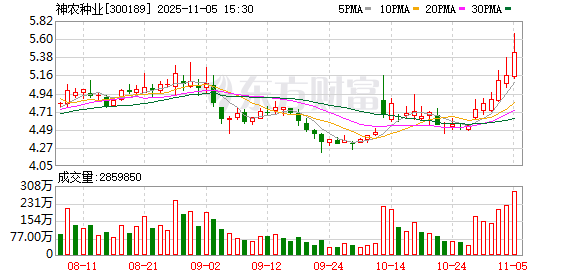
神农种业:公司业绩改善举措主要有三点
Zheng Quan Ri Bao· 2025-11-05 09:39
Core Viewpoint - The company is implementing several measures to improve its performance, focusing on seed promotion, marketing strategies, and asset integration to enhance profitability and competitiveness [2] Group 1: Performance Improvement Measures - The company plans to increase the promotion of the "Qingyou" series of rapeseed seeds, starting in Hunan Province and expanding to the Yangtze River mid-lower reaches, establishing demonstration and promotion stations to accelerate the promotion of winter rapeseed planting [2] - A "good seeds + good methods" model will be adopted, which includes quality seed promotion, agricultural technology training, mechanization services, and information technology support to enhance agricultural practices and improve profitability [2] - The company aims to focus on a "branding and efficiency" marketing strategy, building a comprehensive national sales network centered on high-end agricultural products and self-owned aquatic product brands [2] Group 2: Resource Efficiency and Asset Integration - The company will actively integrate existing assets to improve resource efficiency and effectiveness, utilizing strategic cooperation, asset restructuring, and divestiture to unlock the value of assets such as southern breeding land [2] - Emphasis will be placed on technological innovation to attract advanced production factors and develop new agricultural productivity tailored to local conditions, supporting industry upgrades and enhancing overall efficiency [2]


推动耕地集中连片整治丨市委书记抓乡村振兴(2025.10.27-11.02)
Nan Fang Nong Cun Bao· 2025-11-03 09:00
Group 1 - The article emphasizes the importance of promoting rural revitalization and enhancing the quality of rural development through various initiatives across different cities in Guangdong province [11][19][25][35][43]. - Shantou is focusing on creating a connected landscape belt that integrates scenic spots and industrial bases, aiming for a clean and beautiful environment [11][14]. - Foshan is working on strengthening grassroots teams and expanding new paths for rural collective economy development [19][22]. Group 2 - Shantou is implementing the "Hundred Counties, Thousand Towns, and Ten Thousand Villages High-Quality Development Project" to enhance rural areas and promote urbanization [25][32]. - Dongguan is pushing for comprehensive land remediation and promoting industrial agglomeration through tailored strategies [35][38]. - Jiangmen is emphasizing the development of a marine economy and enhancing regional coordination [43][42]. Group 3 - Yangjiang is leveraging its "selenium-rich" resources to enhance local specialty products and improve rural construction and ecological development [49][51]. - Chaozhou is focusing on developing characteristic agriculture and marine economy while improving urban and rural landscapes [57][59]. - Yulin is aiming to create a high-quality development hub for the livestock industry and modern agricultural innovation [65][69].

超大城市如何走好都市农业发展之路?北京市政协委员建言献策
Zhong Guo Jing Ji Wang· 2025-10-31 10:10
Core Insights - The meeting emphasized the importance of leveraging technology to accelerate the development of urban modern agriculture in Beijing [1][2][6] Group 1: Technological Empowerment - Technology is identified as the core driving force for high-quality development in urban modern agriculture, especially in the context of limited land resources and rising costs [2][3] - The integration of advanced technologies such as gene editing, artificial intelligence, and synthetic biology is crucial for creating new paradigms in digital and intelligent breeding [2][3] - The establishment of smart agriculture applications and the development of key standards for agricultural data sharing are recommended to overcome data silos [3][4] Group 2: Spatial Optimization - The limited agricultural space in Beijing, with only 1.96 million acres of arable land, necessitates a top-level design for optimizing spatial layout [4] - A framework of "one core, two belts, three zones, and multiple parks" is proposed to enhance the spatial structure of urban modern agriculture [4] - The need for differentiated technological empowerment strategies based on specific regional functions is highlighted to ensure effective resource allocation [4] Group 3: Support and Guarantee - Recommendations include focusing on industry space, funding, talent development, and innovation environment to provide robust support for urban modern agriculture [6][7] - A three-tiered talent cultivation system is suggested to attract high-end talent and enhance the quality of agricultural practitioners [6] - The establishment of a comprehensive platform for agricultural technology achievement transformation is proposed to facilitate the conversion of research outcomes into practical applications [7]
奋力谱写农业农村现代化新篇章
Guang Xi Ri Bao· 2025-10-31 02:29
Group 1 - The core focus of the 20th Central Committee's Fourth Plenary Session is to accelerate agricultural modernization and promote comprehensive rural revitalization, providing clear direction for the "three rural" work in the new era [1] - The session emphasizes the need for localized development of new agricultural productivity, urging the agricultural sector to accelerate technological innovation [1] - Guangxi has established 23 key laboratories, 6 national agricultural science parks, and 49 regional agricultural science parks to achieve full coverage of agricultural science and technology innovation platforms [1] Group 2 - The session calls for improving the effectiveness of policies that benefit farmers, indicating a direction for deepening rural property rights system reform [2] - Guangxi is focusing on key areas such as rural land management rights and collective operational assets, aiming to create a unified rural property trading platform to activate dormant assets for income generation [2] - Talent development is highlighted as a core support for agricultural modernization, with educational institutions aligning their programs with the needs of modern agriculture and industry transformation [2] Group 3 - The session requires the promotion of livable and workable beautiful rural construction, balancing ecological protection with livelihood improvement [3] - Specific examples include the development of tourism projects that leverage ecological advantages, such as the establishment of a tourism demonstration belt in Xiangfen Township [3] - The integration of agriculture and tourism is emphasized, with initiatives aimed at ensuring that development benefits all villagers while preserving the ecological environment [3]
汇智聚力助推兴业、强县、富民一体发展
Xin Hua Ri Bao· 2025-10-30 21:52
Core Viewpoint - The Chinese Communist Party's 20th Central Committee emphasizes optimizing regional economic layout and promoting coordinated regional development, with a focus on enhancing county-level economic capabilities and integrating urban-rural development [1][4]. Group 1: County Economic Development - The foundation of county development lies in industry, and strengthening counties requires boosting local industries. Jiangsu province is exploring new models for high-quality county economic development [2]. - The implementation of "one county, one policy" is suggested to enhance effectiveness and promote differentiated development among counties, integrating them into urban industrial chains [2]. - The establishment of postdoctoral workstations across counties has facilitated the gathering of high-end talent, aiding in technological breakthroughs and industrial chain enhancements [2]. Group 2: Agricultural Modernization - Promoting agricultural modernization is crucial, with a focus on integrating agricultural technology and industrial innovation to develop new productive forces in agriculture [2]. - The potential of artificial intelligence in agriculture is highlighted, with recommendations for advancing AI technology applications and digital infrastructure in the agricultural sector [3]. - The cultivation of "new farmers" through a structured educational pathway is essential for enhancing agricultural productivity and innovation [3]. Group 3: Urban-Rural Integration - Urban-rural integration is vital for reducing disparities and promoting rural revitalization, with suggestions for optimizing town scales and layouts to enhance resource efficiency [4]. - The development of small cities as urban-rural links is encouraged, focusing on improving public services and infrastructure to facilitate better connectivity [6]. Group 4: Resource Mobilization for Farmer Income - The central government's focus on developing distinctive county economies aims to support employment-generating industries that enhance farmers' income [7]. - Initiatives to activate idle rural land resources and promote the integration of primary, secondary, and tertiary industries are being explored to drive agricultural modernization and farmer income growth [7]. - A systematic approach to developing rural characteristic industry directories and planning is proposed to create a long-term mechanism for increasing farmer income in northern Jiangsu [8].
第32届杨凌农高会圆满闭幕
Shan Xi Ri Bao· 2025-10-29 23:13
Core Insights - The 32nd China Yangling Agricultural High-tech Achievements Expo showcased innovative agricultural technologies and products, emphasizing the theme "New Quality Productivity, New Future for Agriculture" [1] Group 1: Event Overview - The expo highlighted advancements in agricultural productivity, featuring smart farming machinery, biological breeding, digital farms, and comprehensive solutions [1] - The event attracted global attention, with international buyers expressing interest in advanced agricultural machinery and biotechnology products [2] Group 2: Innovations and Achievements - A total of 50 new agricultural technologies, varieties, models, and products were launched, covering key areas such as biological breeding and smart agriculture [4] - Notable innovations included a bionic four-legged robot with a 4.5-hour endurance and a hydrogen-powered drone capable of operating in extreme temperatures [3] Group 3: Collaboration and Market Expansion - The expo facilitated significant partnerships, including the establishment of a national agricultural technology innovation and demonstration complex [6] - A total of 61 key projects were signed with a total investment of 162.3 billion, covering various sectors such as seed industry and smart agriculture [6]
农高会期间多场专题会议论坛举行
Shan Xi Ri Bao· 2025-10-29 23:05
Group 1: Future Agriculture Development Conference - The third Future Agriculture Industry Development Conference focused on "Synthetic Biology Empowering Agricultural Technology" and explored new paths for future agricultural development [1] - The conference featured speeches from seven industry experts discussing the deep integration of synthetic biology and agriculture [1] - A report titled "Food System Map Report" was released, along with the "Top 100 Future Agriculture" list, highlighting innovative and growth-oriented companies and products [1] Group 2: International Academic Conference on Agricultural Civilization - The 2025 International Academic Conference on Agricultural Civilization was held, focusing on the theme "Roots and New Life" [2] - Experts discussed the core connotations of Chinese agricultural civilization and its relevance to modern rural revitalization [2] - The conference included two major keynote reports and seven sub-forums, sharing nearly 80 academic achievements [2] Group 3: Rural Revitalization Forum - The 2025 Rural Revitalization Forum was themed "Developing Cooperative Economy to Assist Rural Revitalization" [3] - Experts shared insights on organizational innovation and rural reform, providing reference directions for comprehensive rural revitalization [3] - The forum has been held five times, becoming a significant event for showcasing wisdom and promoting rural revitalization practices [3] Group 4: Seed Industry Innovation Forum - The seventh Yangling Seed Industry Innovation Forum focused on "Innovation-Driven Empowerment of Seed Industry Revitalization" [4] - Keynote speeches covered topics such as biological breeding and genome breeding, sharing the latest research progress [4] - The forum included the unveiling of the National Molecular Breeding Innovation Service Platform and the signing of strategic cooperation agreements [4] Group 5: Modern Agriculture Cooperation Event - The Shaanxi Modern Agriculture Cooperation Event highlighted the region's rich agricultural resources and advantages in fruit production [5] - The event aimed to foster international cooperation in agricultural investment and product trade [5] Group 6: International Agricultural Robotics Conference - The 32nd China Yangling Agricultural High-tech Expo hosted the International Agricultural Robotics Conference [6] - The conference included the unveiling of an agricultural robotics joint laboratory and a data training center [6] - Discussions focused on the development of agricultural robot standards and the establishment of a collaborative platform for technology transfer [6] Group 7: World Dairy Goat Industry Development Conference - The fifth World Dairy Goat Industry Development Conference featured various forums on dairy goat technology and industry revitalization [7] - The conference announced the first Chinese dairy sheep breed and signed agreements for joint breeding with Australia [7] - The event aimed to enhance the visibility and influence of China's dairy goat industry [7] Group 8: National Functional Agriculture and Food Industry Development Conference - The third National Functional Agriculture and Food Industry Development Conference focused on developing functional agriculture and food production [8] - The conference released the "2025 China Functional Agriculture Industry Development Report," indicating significant technological breakthroughs [8] - The event showcased advancements in functional agriculture and its role in food security and sustainable development [8] Group 9: Agricultural Technology Human Resources Exchange Meeting - The Agricultural Technology Human Resources Exchange Meeting launched a shared service platform for agricultural human resources [9] - The event featured a job fair with 202 companies offering over 10,000 positions, enhancing talent availability for agricultural development [9]
合同签约额超250亿元 第32届中国杨凌农高会闭幕
Zhong Guo Xin Wen Wang· 2025-10-29 11:22
Core Points - The 32nd China Yangling Agricultural High-tech Achievements Expo concluded with a contract signing amount exceeding 25.8 billion RMB, marking a significant increase in engagement and revenue compared to previous years [1][3] - The event attracted 1.61 million visitors, the highest in the last five sessions, and featured over 9,600 innovative agricultural technologies from more than 1,800 domestic and international companies [1][3] - The expo showcased advanced technologies such as unmanned plant factories, laser agriculture, and AI-assisted breeding systems, highlighting the forefront of global agricultural technology [1][3] Summary by Sections Event Overview - The Yangling Agricultural High-tech Expo took place from October 25 to 29, 2023, in Shaanxi, China, with a total contract signing amount of 25.8 billion RMB and on-site transaction revenue of 273 million RMB, representing a growth of over 20% compared to the previous year [1][3] Participation and Exhibits - The expo featured participation from 31 provinces, 9 agricultural high-tech zones, and 50 countries and regions, including notable companies like Dabeinong, Syngenta, and COFCO [1][3] - The indoor exhibition covered an area of 140,000 square meters, showcasing various agricultural high-tech achievements and international cooperation [1][3] Competitions and Collaborations - The second Global Agricultural Robot Application Competition gathered over 40 universities and research institutions, promoting the transition of agricultural robotics from laboratory to field applications [3] - The event also hosted the 2025 Shanghai Cooperation Organization (SCO) Agricultural Expo, with participation from 27 SCO member countries and significant foreign dignitaries, enhancing agricultural trade cooperation [3] Innovations and Awards - The expo highlighted over 230 new agricultural varieties, technologies, and models, including the debut of the "Shenke Sweet 811" corn variety and the "Xinan 1155" wheat variety [5] - The China Academy of Agricultural Sciences presented 100 major agricultural technology achievements and over 1,000 outstanding technological results, further promoting the integration of agricultural technology and finance [5]
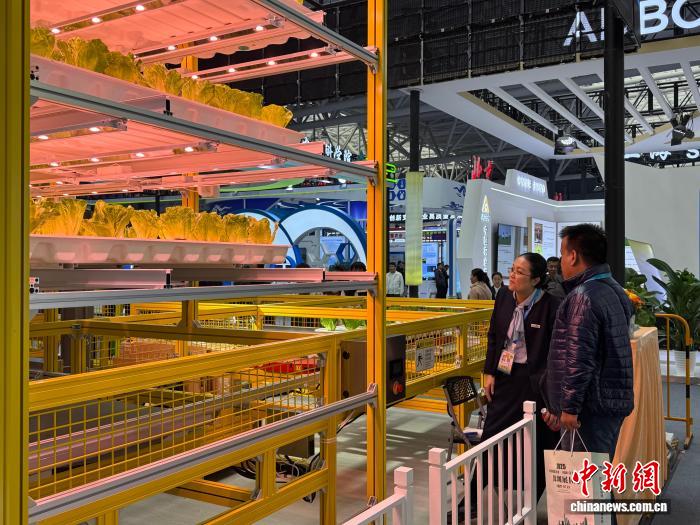
向“新”而行!河源生态循环农业创造超千万收益
Nan Fang Nong Cun Bao· 2025-10-29 09:02
Core Viewpoint - The article highlights the development of ecological circular agriculture in Heyuan, which has generated over 10 million yuan in additional income through innovative agricultural practices and sustainable farming techniques [5][10]. Group 1: Agricultural Innovations - The introduction of winter-sown purple vetch improves soil quality by fixing nitrogen and enhancing fertility, leading to increased crop yields [16][23]. - The "rice-purple vetch" rotation model has raised the average organic matter content in soil by 3.5% in Dongyuan County [24]. - The cultivation of purple vetch has resulted in a significant reduction of 15%-20% in chemical fertilizer usage, improving soil health and crop quality [20][21]. Group 2: Ecological Tea Gardens - The promotion of smart tea gardens in Zijin County encourages organic farming practices, eliminating the use of chemical fertilizers and pesticides [29][30]. - The production of Zijin tea has seen a growth rate of 28.6% over the past three years, driven by the ecological farming methods [36][38]. Group 3: Sustainable Aquaculture - The implementation of high-density, low-risk aquaculture using recirculating water systems has led to a 23.03% increase in fish production, reaching 5,049 tons [59]. - The innovative aquaculture facilities, such as the circular water "farming factory," allow for efficient use of space and resources, with each tank capable of raising 5,000 fish [52][54]. Group 4: Waste Management and Resource Utilization - The East Source Dongrui project has established a comprehensive waste management system that generates over 10 million yuan annually from waste treatment [61][64]. - The project also produces biogas from pig waste, contributing to sustainable energy solutions and reducing environmental impact [66][68]. Group 5: Overall Agricultural Growth - The total agricultural output value in Heyuan is projected to reach 28.453 billion yuan in 2024, reflecting a year-on-year growth of 5.1% [43][44]. - The region's commitment to sustainable agricultural practices has led to the establishment of numerous standardized demonstration farms, enhancing the ecological farming landscape [76][78].

新“智”涌现助力中国智慧农机“出海”提速 农业尽显“科技范”
Yang Shi Wang· 2025-10-28 06:53
Core Insights - Recent international agricultural exhibitions in China, such as the 2025 China International Agricultural Machinery Exhibition and the 32nd China Yangling Agricultural High-tech Achievements Expo, showcase advancements in "smart agricultural machinery + smart agriculture," highlighting the increasing competitiveness of technology in agriculture [1][6] Group 1: Agricultural Machinery Exhibitions - The 2025 China International Agricultural Machinery Exhibition is the largest in Asia, featuring smart agricultural machinery as a major attraction, including pure electric new energy tractors and AI-powered laser weeding robots [1] - The exhibition has seen a growing number of foreign exhibitors and buyers, indicating its role as a catalyst for industry upgrades towards high-end, intelligent, and green development [4] Group 2: Agricultural Technology Cooperation - The 2025 China-Africa Agricultural Technology Innovation Alliance Conference marks a new phase in systematic and effective agricultural technology cooperation between China and Africa [8] - The China Agricultural Research Institute plans to enhance the entire industry chain by improving the yield of tea and sesame through technology, with expectations of visible results within three years from the implementation of six initial projects [11] Group 3: Agricultural High-tech Achievements Expo - The 32nd China Yangling Agricultural High-tech Achievements Expo attracted over 1,800 enterprises from nearly 50 countries, showcasing practical applications of smart agricultural equipment and cloud platforms [6]