
中央八项规定

Search documents
第一观察 | 体悟“徙木立信之举”的深刻内涵
Xin Hua She· 2025-12-04 08:57
体悟"徒木立信之举" 的 深刻内涵 新华社国内部制作 新华社第一工作室出品 2012年12月4日,十八届中共中央政治局召开会议,审议通过关于改进工作作风、密切联系群众的 八项规定。篇幅仅有600余字的八项规定深刻改变中国。 今年"七一"前夕中共中央政治局集体学习时,习近平总书记强调,中央八项规定是党中央徙木立信 之举,是新时代管党治党的标志性措施。 党的十八大以来,习近平总书记多次以"徙木立信"来强调中央八项规定的重要意义。其中所承载 的,是深刻的历史智慧、深远的战略眼光。 徙木立信,"信"字为先。 八项规定出台之初有人担忧:会不会是一阵风?能不能落到实处? "说到的就要做到,承诺的就要兑现,中央政治局同志从我本人做起。"十八届中央纪委二次全会 上,习近平总书记如此表达决心。 从抓月饼、抓贺卡、抓烟花爆竹,到抓节假日、抓"八小时外"、抓日常……以中央八项规定为切入 口和动员令,一场激浊扬清的风气之变在神州大地涤荡开来,一个节点一个节点坚守,一个问题一个问 题整改,老百姓真正感受到了实实在在的变化,"八项规定改变中国"成为了人民的共识。 言而有信,才能取信于民。正如习近平总书记所强调的:"老百姓看作风建设,主要 ...

以小切口撬动大变局 八项规定为新时代党和国家事业发展提供有力作风保障
Yang Shi Wang· 2025-12-04 06:14
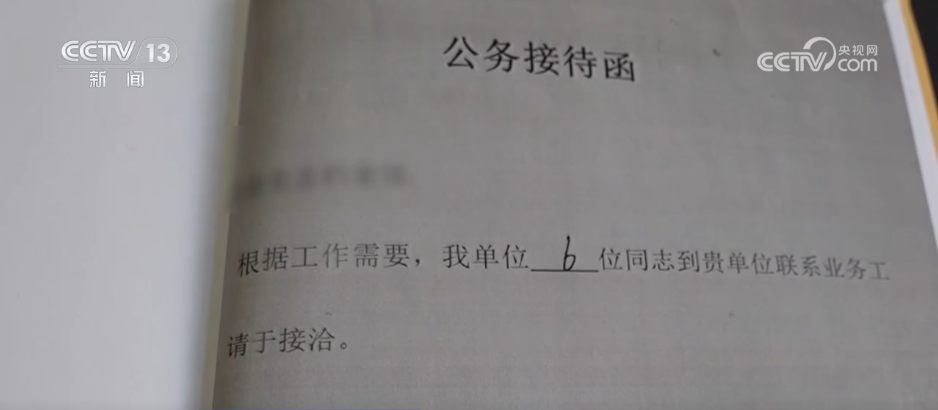
Core Viewpoint - The implementation of the Central Eight Regulations has significantly impacted the governance and operational integrity of the Party and state, with a focus on addressing violations and enhancing accountability in public service [1] Group 1: Violations and Investigations - In the first ten months of this year, there were 219,762 cases of violations of the Central Eight Regulations, leading to the criticism and handling of 286,528 individuals [1] - A specific case involved a county official in Jiangxi Province who received a party warning for improper public reception practices, including "one letter multiple meals" [2][5] - The investigation revealed that the official had fabricated records of receptions to cover up violations, indicating a trend of hidden variations in "Four Winds" issues [3][5] Group 2: Regulatory Measures and Innovations - The Jiangxi Provincial Discipline Inspection Commission is promoting reforms to address issues related to public receptions, including the establishment of a unified public letter system and the introduction of the "Gan Can Code" platform [5] - The "Gan Can Code" aims to streamline public dining processes and enhance oversight by allowing real-time data access and monitoring across various government levels [5] - Future plans include expanding the "Gan Can Code" to schools and state-owned enterprises, integrating travel needs to reduce the burden on grassroots reception [5]
作风改得怎么样,人民群众最有发言权
Ren Min Ri Bao· 2025-11-20 12:31
Core Viewpoint - The construction of the Party's style is essential for its image, and it must be strengthened through the supervision and evaluation of the people, ensuring that the results of this construction are tangible and perceptible to the public [1]. Group 1: Historical Context and Importance of Party Style - Over the past century, the Party has grown and achieved significant accomplishments, with a key experience being the emphasis on good conduct as vital to its existence [2]. - The public's confidence in the Party is reinforced through their direct experiences with its good conduct, which has historically differentiated the Party from previous regimes [2]. - The implementation of the Central Eight Regulations has been a pivotal move in improving the Party's image among the people, leading to a reduction in improper behaviors such as extravagant spending and misuse of public resources [2]. Group 2: Practical Approaches to Style Improvement - Improving conduct requires attention to small details and everyday actions, as exemplified by historical figures who engaged directly with the public to inspire change [3]. - The Party's 20th Central Committee emphasizes the need for persistent implementation of the Central Eight Regulations to combat persistent and recurring issues related to conduct [4]. - Long-term commitment to style improvement is necessary to avoid the perception of superficial efforts, ensuring that changes are felt consistently by the public [4]. Group 3: Public Perception and Accountability - The public evaluates the Party's conduct based on tangible problem-solving rather than the quantity of meetings or documents produced [5]. - Addressing the everyday concerns of the populace, such as basic needs and long-term interests, is crucial for building trust and demonstrating effective governance [5]. - A focus on genuine, long-lasting improvements rather than superficial projects is essential for fostering a responsible and accountable image of the Party [5].
抓铁有痕 踏石留印
Xin Hua She· 2025-10-21 00:52
Core Viewpoint - The article emphasizes the importance of the Central Eight Regulations in promoting integrity and accountability within the Chinese Communist Party, highlighting a systematic approach to governance and the necessity of consistent implementation to achieve substantial results [2][3][4]. Group 1: Implementation of Central Eight Regulations - The Central Eight Regulations address issues of corruption and waste, with a focus on specific problems such as extravagant spending during holidays and events [2]. - The approach involves a step-by-step process, tackling one issue at a time and maintaining focus on various key dates and events throughout the year [2][3]. - The success of the Central Eight Regulations is seen as foundational for further governance measures, indicating that without proper implementation, additional regulations would be ineffective [2]. Group 2: Systematic Governance and Development Strategies - The article discusses the broader context of governance, including environmental protection, poverty alleviation, and regional development strategies, all of which require meticulous execution [4][6]. - It highlights the importance of a systematic and coordinated approach to national strategies, ensuring that various regional developments are interconnected and mutually reinforcing [6][7]. - The emphasis is placed on practical action over mere planning, with a call for leaders to focus on tangible outcomes rather than theoretical discussions [7][8]. Group 3: Leadership and Accountability - The article stresses the need for leaders to possess both the willingness to take responsibility and the capability to execute plans effectively [8]. - It advocates for a culture of diligence and precision in governance, where leaders are expected to address issues with a focus on detail and long-term impact [8]. - The narrative encourages a mindset of continuous improvement and resilience in the face of challenges, reinforcing the idea that consistent effort leads to significant achievements [8].
“社会主义是干出来的”系列述评之三:抓铁有痕 踏石留印
Xin Hua She· 2025-10-20 03:49
Core Viewpoint - The article emphasizes the importance of the Central Eight Regulations in guiding the Chinese Communist Party's governance and discipline, highlighting the need for consistent and thorough implementation to achieve effective results [2][9]. Group 1: Implementation of Central Eight Regulations - The Central Eight Regulations, though concise, address significant issues such as corruption and waste, demonstrating a systematic approach to governance [2]. - The focus on specific events and festivals for enforcement illustrates a meticulous strategy to combat corruption and promote integrity within the party [2][3]. - The ongoing commitment to these regulations is seen as foundational for further governance measures, indicating that success in these areas is crucial for future initiatives [2][9]. Group 2: Practical Governance and Development Strategies - The article discusses various national strategies, including ecological preservation and poverty alleviation, emphasizing a step-by-step approach to implementation [5][6]. - The concept of "systematic thinking" is highlighted in the context of regional development strategies, showcasing the importance of coordinated efforts across different areas [7][8]. - The need for precision in governance is underscored, with calls for targeted actions in areas such as pollution control and urban management [8]. Group 3: Leadership and Accountability - The article stresses the necessity for leaders to possess both a sense of responsibility and the skills to execute tasks effectively, as articulated by Xi Jinping [9]. - The emphasis on practical action over theoretical planning reflects a commitment to achieving tangible results in governance [7][9]. - The call for a diligent and detail-oriented approach to governance is reiterated, reinforcing the idea that success is built on consistent effort and attention to detail [3][9].
抓铁有痕 踏石留印——“社会主义是干出来的”系列述评之三
Xin Hua She· 2025-10-20 02:57
Core Viewpoint - The article emphasizes the importance of the "Eight Regulations" implemented by the Chinese Communist Party, highlighting their role in promoting integrity and effective governance within the party and the country [2][4]. Summary by Sections Implementation of the Eight Regulations - The Eight Regulations, though concise, address significant issues such as corruption and waste, demonstrating a commitment to thorough governance [2]. - The approach involves tackling specific problems systematically, with a focus on various festivals and events to maintain discipline [2][3]. - The success of the Eight Regulations is seen as foundational for further regulations and party building efforts [2]. Leadership and Governance Philosophy - The article discusses the "nail-driving" spirit advocated by Xi Jinping, emphasizing the need for persistent and methodical efforts in governance [3]. - It highlights the importance of practical action over superficial efforts, advocating for a grounded and diligent approach to governance [4]. Regional Development Strategies - The article outlines the establishment of national strategies for regional development, including the "river strategy" and various economic zones, emphasizing systematic and coordinated efforts [6][7]. - It stresses the need for practical implementation of plans rather than mere rhetoric, with a focus on achieving tangible results [7]. Focus on Precision and Collaboration - The article underscores the importance of precision in reform efforts, targeting specific issues effectively, such as poverty alleviation and pollution control [8]. - It advocates for collaborative approaches in regional development, urging leaders to think beyond local interests for broader national goals [8]. Commitment to Continuous Improvement - The article concludes with a call for leaders to embody a spirit of responsibility and practical capability, ensuring that the decisions made by the central government are effectively executed [9].
加强提示提醒、监督检查、通报曝光着力营造风清气正节日氛围
Zhong Yang Ji Wei Guo Jia Jian Wei Wang Zhan· 2025-10-01 02:49
Group 1 - The Central Eight Regulations are a significant measure for party governance, emphasizing strict adherence and continuous enforcement, especially during festive periods [1] - Various local disciplinary inspection and supervision agencies are intensifying efforts to combat violations of the Central Eight Regulations, sending strong signals of strict enforcement [1][2] - In Anhui Province, eight cases of violations were publicly reported, highlighting ongoing efforts to address issues related to the "Four Winds" [1] Group 2 - Pre-festival warning education and integrity reminders are crucial for maintaining work style, with Jilin Province distributing "integrity reminder cards" to reinforce discipline among party members [2] - Local agencies are focusing on typical cases of the "Four Winds" issues to educate staff and prevent misconduct during the holidays [2] - Supervision and inspection efforts are being tailored to address the characteristics of "Four Winds" issues during festive periods [2] Group 3 - In Heilongjiang Province, inspections are being conducted to ensure safety and compliance in various sectors, including food safety and public service during the holidays [3] - Zhejiang Province is enhancing the effectiveness of supervision by coordinating efforts across departments to identify and rectify issues related to work style [3] Group 4 - Jiangxi Province is collaborating with law enforcement and market regulation departments to address issues related to drinking and driving among party members, aiming to eliminate corruption [4] - A systematic approach is being taken to analyze and address the underlying issues related to misconduct and corruption within the party [4]
专家谈八项规定:在世界政党自我建设中具有典范性
Zhong Guo Xin Wen Wang· 2025-09-28 05:13
Core Insights - The implementation of the Central Eight Regulations has significantly transformed social customs in China, exemplified by the shift in the mooncake market from "expensive gift boxes" to "quality and affordable" options [1] - The Eight Regulations serve as a model for self-construction among political parties globally, providing insights into governance and anti-corruption efforts [2] Group 1: Implementation and Impact - The Central Eight Regulations, passed in December 2012, have become a crucial entry point for improving work styles and mobilizing efforts to strengthen party conduct [1] - A survey in 2024 indicated that 94.9% of respondents affirmed the effectiveness of the implementation of the Central Eight Regulations [1] Group 2: Global Perspective and Lessons - Foreign political leaders and scholars are increasingly studying the Central Eight Regulations for insights into governance and party self-construction [2] - The regulations reflect a governance model that integrates party conduct with state governance, creating a chain of influence from party conduct to social customs [2] Group 3: Anti-Corruption Efforts - The Central Eight Regulations have played a vital role in preventing and punishing corruption, demonstrating the importance of addressing both style and corruption simultaneously [3] - The experience gained from the implementation of these regulations offers valuable references for other countries facing corruption challenges [3]
中央纪委国家监委:中央八项规定必须一抓到底毫不松懈
Zhong Guo Xin Wen Wang· 2025-09-23 11:35
Core Points - The Central Commission for Discipline Inspection and the National Supervisory Commission emphasized the importance of strictly enforcing the Central Eight Regulations, which are seen as a hallmark of the Party's governance in the new era [1][2] - The commission publicly reported on eight typical violations of these regulations, highlighting the need for unwavering commitment to these rules [1] Summary by Relevant Sections Violations and Cases - Liu Xingtai, former Deputy Secretary and Vice Chairman of the Hainan Provincial People's Congress, engaged in formalism and bureaucratism while promoting livelihood projects, violating regulations by accepting gifts and attending potentially compromising banquets [1] - From 2021 to 2023, Liu only conducted site visits twice, each lasting less than half an hour, and arranged for photo opportunities to create a false impression of diligence [1] - Liu was expelled from the Party and public office, and sentenced to death with a two-year reprieve for bribery [1] Additional Violations - Wang Honghai, former Chairman of the Tianjin Municipal People's Congress Finance and Economic Committee, also violated regulations by accepting gifts and arranging for family members to travel at the expense of private enterprises [2] - From 2013 to 2024, Wang received gifts during festivals and borrowed vehicles from private enterprises for personal use, with costs covered by the enterprises [2] - Wang was expelled from the Party and public office, and sentenced to twelve and a half years in prison for bribery [2] Enforcement and Oversight - The Central Commission for Discipline Inspection and the National Supervisory Commission called for strict supervision and enforcement against violations, urging a thorough investigation into hidden and mutated issues [2] - The commission aims to maintain a high-pressure environment for punishing corruption and misconduct [2]
传承发扬优良作风丨推进作风建设常态化长效化
Zhong Yang Ji Wei Guo Jia Jian Wei Wang Zhan· 2025-09-18 00:56
Core Viewpoint - The implementation of the Central Eight Regulations is a significant measure for the Communist Party of China to strengthen its work style and maintain its credibility in the new era, emphasizing the importance of continuous efforts in this regard [1][4][10]. Group 1: Importance of Work Style Construction - The work style of the Party is crucial for its survival and success, reflecting its nature, purpose, and guiding principles [2][3]. - The Party has historically prioritized work style construction, adapting to various challenges and tasks throughout its revolutionary and reformative history [3][4]. Group 2: Central Eight Regulations - The Central Eight Regulations serve as a means to inherit and promote the Party's fine traditions, addressing issues such as formalism, bureaucratism, hedonism, and extravagance [4][6]. - Since their introduction in December 2012, these regulations have been instrumental in normalizing and institutionalizing work style construction across the country [4][6]. Group 3: Achievements and Impact - The Central Eight Regulations have led to significant improvements in the political ecology within the Party, enhancing governance and addressing long-standing issues [6][7]. - The focus on rectifying the "Four Winds" (formalism, bureaucratism, hedonism, and extravagance) has been a key aspect of the Party's efforts to maintain its integrity and connection with the people [7][8]. Group 4: Continuous Efforts in Work Style Construction - Work style construction is an ongoing task that requires consistent attention, detail-oriented approaches, and long-term commitment [10][11]. - The Party emphasizes the need for regular assessments and the integration of work style construction into daily operations to ensure lasting results [10][11].