
台独分裂

Search documents
国务院台办:民调结果充分印证赖清德所作所为不得人心
Yang Shi Xin Wen· 2025-10-29 03:27
Core Viewpoint - The recent poll by the Taiwan Public Opinion Foundation indicates a significant dissatisfaction among the Taiwanese public regarding Lai Ching-te's governance, with 53% expressing disapproval and 27% stating they are "very disapproving" of his administration, reflecting ongoing public discontent [1] Group 1 - Lai Ching-te has maintained a rigid stance on "Taiwan independence," disregarding the interests and welfare of the Taiwanese people and businesses [1] - His administration has intensified efforts to obstruct cross-strait exchanges and cooperation, pushing for economic decoupling between Taiwan and mainland China [1] - The poll results highlight that Lai's actions are unpopular, and if he continues on this path, it may lead to greater public resentment and further harm to Taiwan [1]
祖国必然统一势不可挡
Xin Hua Wang· 2025-10-28 09:20
Core Viewpoint - The unification of Taiwan with the mainland is an inevitable trend and a common aspiration of the Chinese people, essential for the great rejuvenation of the Chinese nation [1][5][8] Group 1: Historical Context - Throughout Chinese history, unification has been the mainstream development, with a shared understanding that "unity brings strength, division leads to chaos" [2] - Taiwan has been part of a unified multi-ethnic nation for most of its history, and the Taiwanese people have a strong patriotic tradition [2][4] - The Chinese Communist Party has consistently prioritized the resolution of the Taiwan issue as a historical mission since 1949 [5] Group 2: Current Relations and Developments - Under the leadership of the Chinese Communist Party, cross-strait relations have developed significantly, with increasing exchanges and cooperation benefiting both sides [3] - The desire for peace, development, and cooperation is the mainstream sentiment among Taiwanese society, supported by policies from the mainland [3] Group 3: Challenges and Opposition - "Taiwan independence" forces are seen as detrimental to the future of Taiwan and are accused of manipulating public sentiment for political gain [4] - These forces are viewed as acting against the interests of the Taiwanese people and the broader Chinese nation, ultimately facing historical judgment [4] Group 4: Future Prospects - The development and strength of the mainland are key factors in determining the future of cross-strait relations, with the potential for increased social and emotional connections [7] - The unification process is framed as not only a national interest but also a guarantee of the welfare of the Taiwanese people [5][6] - The international community is generally supportive of China's stance on unification, viewing it as a matter of upholding international law and order [6] Group 5: Conclusion - The unification of Taiwan is portrayed as a historical inevitability, supported by the collective will of the Chinese people and the ongoing progress of the mainland [8] - The narrative emphasizes that unity is essential for national prosperity and that the path forward is clear and unstoppable [8]
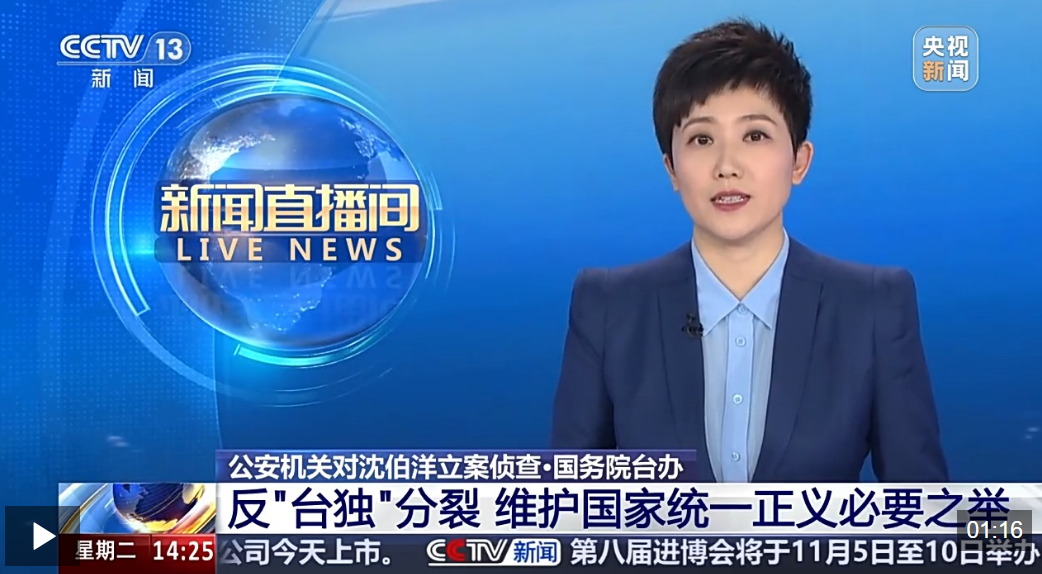
视频丨国台办:公安机关对沈伯洋立案侦查是反对“台独”分裂、维护国家统一的正义必要之举
Yang Shi Xin Wen Ke Hu Duan· 2025-10-28 07:54
Core Viewpoint - The Chinese government views the activities of "Taiwan independence" advocates as a significant threat to peace and stability in the Taiwan Strait, emphasizing the need for legal action against such individuals to maintain national unity and sovereignty [2][2][2] Group 1: Government Actions - The Chinese authorities have initiated an investigation against Shen Boyang for establishing a "Taiwan independence" organization and promoting separatist ideologies, which is seen as a direct response to the ongoing threat posed by "Taiwan independence" activities [2][2] - The legal actions taken against "Taiwan independence" advocates are framed as necessary measures to protect the interests and welfare of the Taiwanese people while safeguarding national sovereignty and territorial integrity [2][2] Group 2: Implications for Cross-Strait Relations - The government characterizes "Taiwan independence" advocates as detrimental to cross-strait relations, labeling them as criminals who incite division and conflict, thereby undermining the potential for peaceful cooperation and development between Taiwan and mainland China [2][2] - There is a call for the Taiwanese populace to recognize the dangers of "Taiwan independence" and to work towards enhancing cross-strait exchanges and cooperation, promoting a unified national identity and shared prosperity for the Chinese nation [2][2]

新华社发表署名文章:祖国必然统一势不可挡
21世纪经济报道· 2025-10-28 05:34
Core Viewpoint - The article emphasizes that the unification of Taiwan with the mainland is an inevitable trend and a shared aspiration of the Chinese people, essential for the great rejuvenation of the Chinese nation [2][4][10] Group 1: Historical Context - Throughout Chinese history, unification has been the mainstream development, with a strong recognition of the principle that "unity brings strength, while division leads to chaos" [4] - Taiwan has historically been part of a unified multi-ethnic nation, with a significant portion of its population participating in the anti-Japanese war, demonstrating a strong patriotic tradition [4] Group 2: Current Relations - Under the leadership of the Communist Party, cross-strait relations have developed significantly, with increasing exchanges and cooperation benefiting both sides [5] - The desire for peace, development, and cooperation is the mainstream sentiment among the Taiwanese people, supported by policies from the mainland [5] Group 3: Opposition to Separatism - The article describes "Taiwan independence" forces as insignificant and harmful, manipulating public sentiment and jeopardizing Taiwan's future [6] - It argues that these separatist forces are acting against the interests of the Taiwanese people and the broader Chinese nation, ultimately destined for historical judgment [6] Group 4: National Will and Sovereignty - The resolution of the Taiwan issue is framed as a matter for the Chinese people, including the 1.4 billion citizens, to decide, emphasizing national sovereignty and unity [9] - The article asserts that external interference cannot alter the objective reality of one nation and that unification is in the fundamental interest of the Chinese nation [9] Group 5: Future Prospects - The article posits that the development and strength of the mainland will facilitate unification, with the potential for a reasonable "two systems" approach for Taiwan [11] - It concludes that the historical trend towards unification is unstoppable, with the expectation that the complete unification of the motherland will be achieved [11]
祖国必然统一势不可挡,新华社连续三天重磅发布
第一财经· 2025-10-28 05:24
Core Viewpoint - The article emphasizes that the unification of Taiwan with the mainland is an inevitable trend and a shared aspiration of the Chinese people, essential for the great rejuvenation of the Chinese nation [2][6][9] Group 1: Historical Context - The pursuit of unification has been a mainstream historical trend throughout the thousands of years of Chinese history, with a strong recognition of the principle that "unity leads to strength, while division leads to chaos" [3] - Taiwan has historically been part of a unified multi-ethnic nation, and even during periods of foreign occupation, the Taiwanese people demonstrated a strong patriotic spirit [3][4] Group 2: Current Relations - Under the leadership of the Communist Party of China, cross-strait relations have developed significantly, with increasing exchanges and cooperation benefiting both sides [4] - The desire for peace, development, and cooperation is the mainstream sentiment among the Taiwanese people, supported by policies from the mainland that have positively impacted Taiwan [4][6] Group 3: Opposition to Separatism - The article describes "Taiwan independence" forces as detrimental to Taiwan's future, manipulating public sentiment and endangering the well-being of the Taiwanese people [5][6] - It asserts that these separatist forces are acting against the interests of the Chinese nation and will ultimately face historical judgment [5][6] Group 4: National Unity as a Priority - The resolution of the Taiwan issue is framed as a historical mission of the Communist Party, with a commitment to achieving national unity as part of the broader goal of national rejuvenation [6][8] - The article argues that external interference cannot alter the objective reality of one nation and that the unification process is a matter for the Chinese people to decide collectively [6][7] Group 5: Future Prospects - The article posits that the development and strength of the mainland will facilitate the unification process, as the advantages of the mainland will increasingly support the push for unity [8][9] - It concludes that unification is not only a historical necessity but also a moral imperative, with the potential for a reasonable "two systems" approach that respects Taiwan's existing social system [9]

钟台文:祖国必然统一势不可挡
Xin Hua She· 2025-10-28 05:13
Core Viewpoint - The unification of Taiwan with the mainland is an inevitable historical trend and a common aspiration of the Chinese people, essential for the great rejuvenation of the Chinese nation [1][5][8]. Group 1: Historical Context - Throughout Chinese history, unification has been the mainstream development, with a shared understanding that "unity leads to strength, while division leads to chaos" [2]. - Taiwan has been part of a unified multi-ethnic state for most of its history, and the Taiwanese people's resistance against foreign occupation reflects a strong patriotic tradition [2][4]. Group 2: Current Relations - Under the leadership of the Communist Party, cross-strait relations have developed significantly, with increasing cooperation and exchanges benefiting both sides [3][5]. - The desire for peace, development, and cooperation is the mainstream sentiment among the Taiwanese people, supported by policies from the mainland [3]. Group 3: Challenges and Opposition - The "Taiwan independence" movement is viewed as a minor force that undermines the collective interests of the Chinese nation and poses risks to Taiwan's future [4][5]. - External interference is seen as an obstacle to unification, but it is asserted that such efforts will ultimately fail [5][8]. Group 4: Future Prospects - The development of the mainland's economy and military strength is expected to facilitate the unification process, as it enhances the ability to promote social exchanges and deepen emotional connections between the two sides [8][9]. - A reasonable "two systems" proposal for Taiwan is suggested, which would respect its current social system while allowing greater participation in governance and international affairs [9].
钟台文:祖国必然统一势不可挡
财联社· 2025-10-28 04:35
Core Viewpoint - The article emphasizes that the unification of Taiwan and mainland China is an inevitable historical trend supported by the collective will of the Chinese people and the historical context of the Chinese nation [2][5][6]. Group 1: Historical Context and National Sentiment - The pursuit of unification has been a mainstream historical development for thousands of years, with a shared understanding that "unity leads to strength, while division leads to chaos" [2]. - Taiwan has historically been part of a unified multi-ethnic nation, and the Taiwanese people's patriotic traditions are highlighted through their resistance against foreign occupation [2][3]. - The article asserts that all 23 million Taiwanese are part of the Chinese nation, and the desire for unification is a common aspiration among all Chinese people [4][5]. Group 2: Development of Cross-Strait Relations - Under the leadership of the Chinese Communist Party, cross-strait relations have seen significant development, with increasing cooperation and exchanges benefiting both sides [3][5]. - The article argues that the policies from the mainland have resonated with the Taiwanese people's desire for peace, development, and cooperation, shaping the mainstream public opinion in Taiwan [3][5]. Group 3: Challenges and External Interference - The article describes "Taiwan independence" forces as detrimental to the future of Taiwan, manipulating public sentiment and aligning with foreign powers against the interests of the Chinese nation [4][6]. - It emphasizes that external interference cannot alter the historical trend towards unification, and the article calls for a collective resolution to the Taiwan issue by the Chinese people [5][6]. Group 4: Future Prospects and National Unity - The article posits that the unification of Taiwan is not only a matter of national sentiment but also a necessity for national sovereignty and territorial integrity [6][7]. - It highlights the significant advancements in mainland China's economic, military, and cultural strength, which are seen as key factors driving the unification process [7][8]. - The article concludes that unification is both a historical inevitability and a moral imperative, with the potential for a mutually beneficial arrangement for Taiwan's governance and autonomy [8].

共同铭记历史 共襄民族复兴
Ren Min Ri Bao Hai Wai Ban· 2025-10-22 22:54
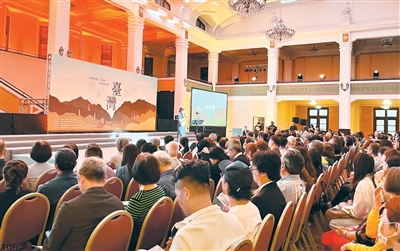
Core Viewpoint - The article commemorates the 80th anniversary of Taiwan's recovery, emphasizing its significance as a result of the Chinese people's efforts during the Anti-Japanese War and the importance of remembering this history for both sides of the Taiwan Strait [4][10]. Historical Context - The event took place at the Zhongshan Hall in Taipei, which was the site of the surrender ceremony marking the end of Japanese colonial rule in Taiwan on October 25, 1945 [5]. - The ceremony was a significant moment, symbolizing the return of Taiwan to Chinese sovereignty after 50 years of Japanese occupation [5][6]. Cultural Significance - The article highlights the cultural resilience of the Taiwanese people during Japanese rule, noting that despite attempts to erase Chinese identity, many Taiwanese maintained their cultural practices and beliefs [8][9]. - Streets in Taipei were renamed to reflect Chinese geography after the recovery, showcasing a return to cultural roots [9]. Contemporary Relevance - Recent events have seen various forms of commemoration for the anniversary, but there is criticism of the current Taiwanese administration for downplaying the historical significance of Taiwan's recovery and misrepresenting the history of Japanese colonialism [10][11]. - The article calls for unity among Taiwanese people to remember their shared history and resist any attempts to separate Taiwan from China [10][11].
18名台湾军方“心战大队”骨干,曝光!悬赏!
券商中国· 2025-10-11 02:38
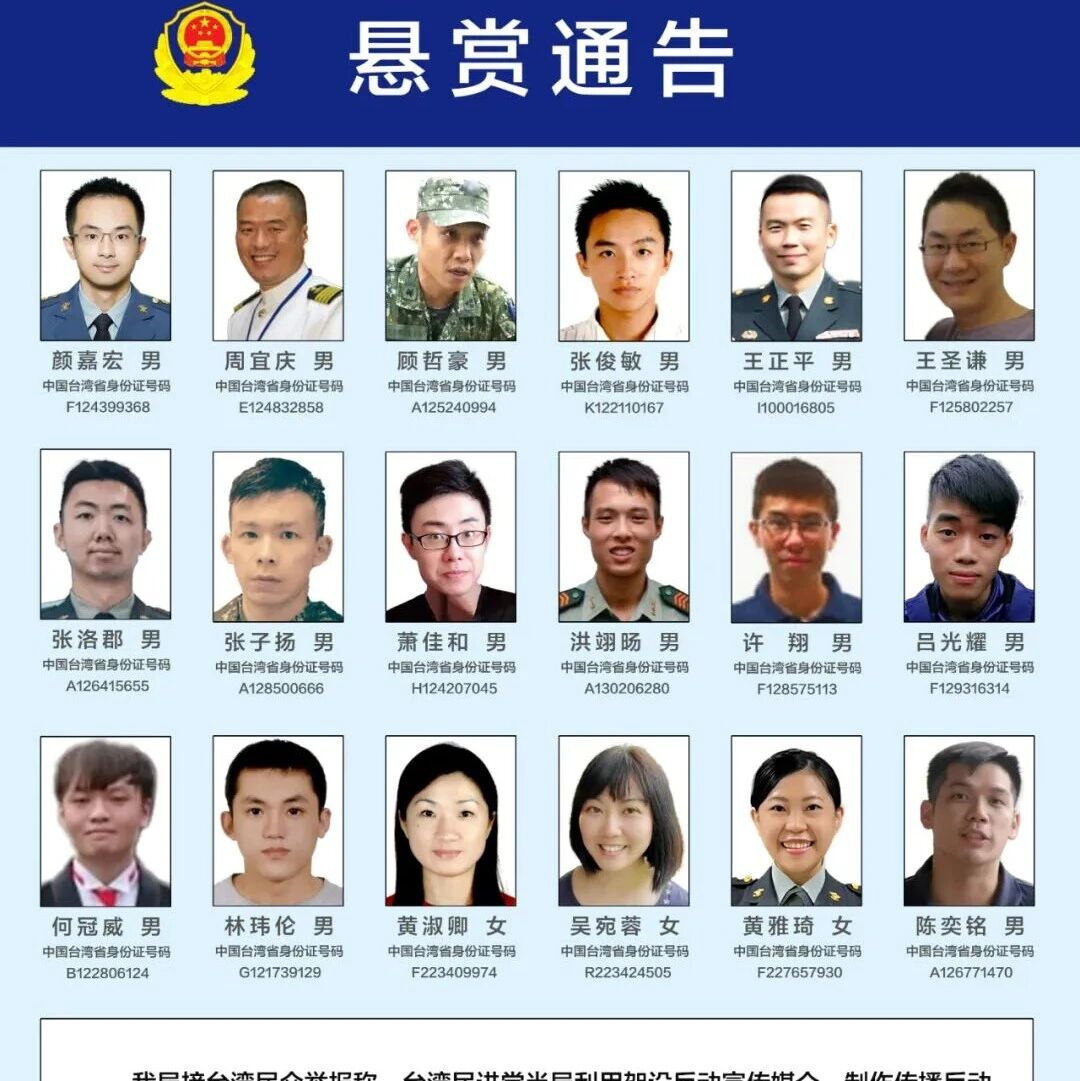
Core Viewpoint - The article discusses the announcement by the Xiamen Public Security Bureau in Fujian Province, which is offering rewards for information on 18 core members of Taiwan's military "Psychological Operations Brigade" involved in illegal activities [1] Summary by Relevant Sections - **Background on the Psychological Operations Brigade** The "Psychological Operations Brigade" is divided into six teams responsible for various tasks including information warfare, intelligence research, tactical psychological operations, broadcasting, troop morale, and mobilization. They engage in activities such as setting up anti-propaganda websites, creating subversive games, fabricating audio-visual content, operating anti-propaganda radio stations, and coordinating external forces to mislead public opinion [1] - **Objectives and Activities** The brigade's true aim is to promote the "Taiwan independence" narrative and incite division within the country. Their methods include disseminating misleading information and manipulating public sentiment among both sides of the Taiwan Strait [1] - **Call to Action** The public security authorities urge Taiwanese compatriots to recognize the extreme dangers and harms of "Taiwan independence" and to take action by distancing themselves from separatist forces. They encourage the provision of relevant illegal activity leads and collaboration with mainland compatriots to oppose "Taiwan independence" actions [1]
国防部:赖清德之流媚日恋殖、倒行逆施、令人不齿
Xin Jing Bao· 2025-09-25 12:13
Group 1 - The Chinese military's development of the Fujian aircraft carrier is progressing smoothly, with successful trials of carrier-based aircraft, indicating its imminent commissioning [2] - The Chinese nuclear policy remains stable and predictable, emphasizing a defensive strategy and a commitment to not using nuclear weapons first [2] - There is a growing sense of national identity among Taiwanese youth, as evidenced by increased support for mainland China and the viewing of military parades [3] Group 2 - The establishment of a research center in Taiwan dedicated to Shinzo Abe has been criticized, highlighting historical grievances related to Japan's colonial rule over Taiwan [4]