
国家统一

Search documents
赖清德公然叫嚣坚定“反统”是自取灭亡
Ren Min Wang· 2025-10-30 02:52
Group 1 - The core viewpoint of the articles emphasizes the negative impact of the Democratic Progressive Party (DPP) on cross-strait relations, highlighting a regression in communication and cooperation between Taiwan and mainland China [1][2][5] - The DPP's policies are described as obstructive, particularly in the academic and economic sectors, leading to reduced opportunities for Taiwanese students and farmers, and creating barriers to trade with mainland China [2][3] - The articles assert that the fundamental premise for peaceful development of cross-strait relations is adherence to the "One China" principle, which is non-negotiable [3][5] Group 2 - The articles mention that the mainland has consistently shown goodwill and made efforts to promote cross-strait exchanges, citing various policies aimed at benefiting Taiwanese compatriots [3][4] - There is a call for unity among Taiwanese parties to enhance cooperation and promote national unification, as articulated in a message from Xi Jinping to the new Kuomintang chairman [4] - The articles conclude that the DPP's attempts to maintain the status quo while promoting "Taiwan independence" are futile, as the reality of one China cannot be altered [5]
两岸观察丨大陆重拳出击 惩治“台独”分子
Yang Shi Xin Wen Ke Hu Duan· 2025-10-29 01:53
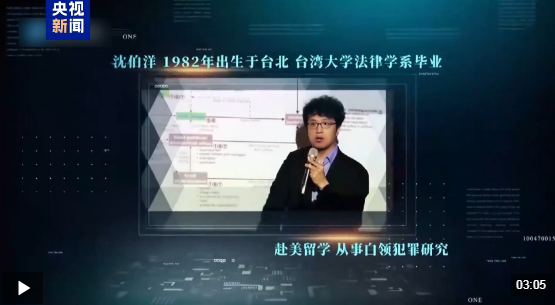
Group 1 - The Chongqing Public Security Bureau has initiated a criminal investigation against Shen Boyang for suspected crimes of splitting the country, marking him as the first individual on the "Taiwan independence" stubborn elements list to be investigated [1][5] - Shen Boyang, born in 1982 in Taipei, Taiwan, returned to Taiwan after studying law in the United States and has since held significant positions in political and social movements, founding the "Black Bear Academy," a pro-independence organization, in late 2021 [2][5] - The "Black Bear Academy" is described as a base for "violent Taiwan independence elements," disguising its activities under the guise of civil defense while promoting anti-mainland sentiments and training individuals for confrontational actions [2][4] Group 2 - Experts indicate that Shen Boyang is a prominent figure in the "Taiwan independence" movement, rapidly gaining notoriety by acting as a vanguard for the Democratic Progressive Party's anti-mainland agenda [5][7] - The Chongqing Public Security Bureau has stated that Shen Boyang's actions, including the establishment of the "Black Bear Academy" and the promotion of separatist ideologies, constitute serious threats to national security, warranting legal action [7][8] - The legal basis for the investigation includes provisions under the Criminal Law of the People's Republic of China, allowing for prosecution of individuals engaging in separatist activities, regardless of their location [8][10] Group 3 - The Chinese government has expressed a firm commitment to holding "Taiwan independence" elements accountable for their actions, as demonstrated by the implementation of the "22 measures" aimed at combating separatism [10][12] - The release of the list of "stubborn elements" is seen as a precursor to more stringent measures against the entire pro-independence network, indicating a broader crackdown on any activities that support Taiwan independence [12] - Experts suggest that the ongoing efforts to unify Taiwan with the mainland will intensify, with a dual approach of promoting integration and eliminating separatist influences [12]

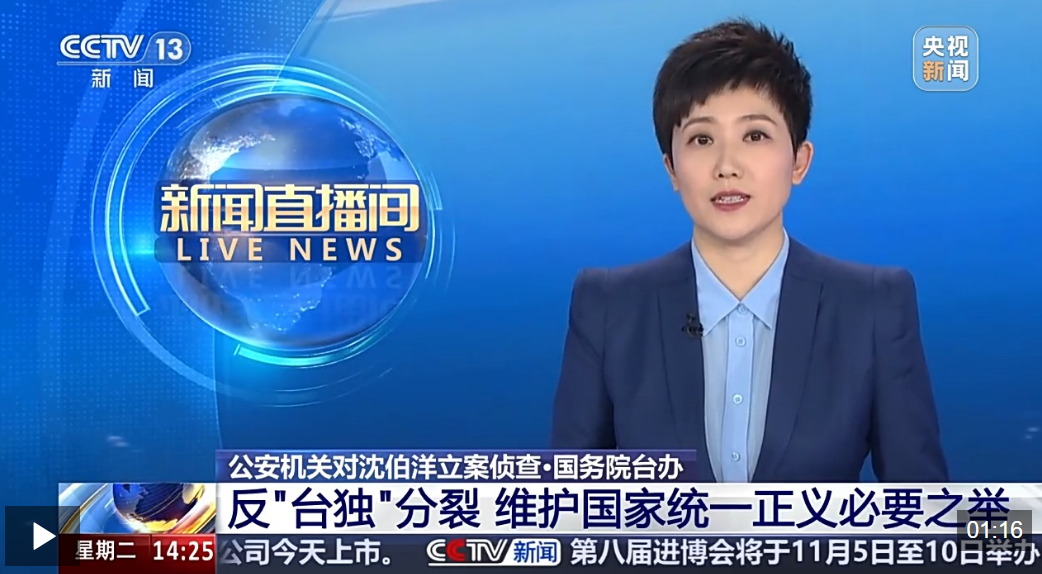
视频丨国台办:公安机关对沈伯洋立案侦查是反对“台独”分裂、维护国家统一的正义必要之举
Yang Shi Xin Wen Ke Hu Duan· 2025-10-28 07:54
Core Viewpoint - The Chinese government views the activities of "Taiwan independence" advocates as a significant threat to peace and stability in the Taiwan Strait, emphasizing the need for legal action against such individuals to maintain national unity and sovereignty [2][2][2] Group 1: Government Actions - The Chinese authorities have initiated an investigation against Shen Boyang for establishing a "Taiwan independence" organization and promoting separatist ideologies, which is seen as a direct response to the ongoing threat posed by "Taiwan independence" activities [2][2] - The legal actions taken against "Taiwan independence" advocates are framed as necessary measures to protect the interests and welfare of the Taiwanese people while safeguarding national sovereignty and territorial integrity [2][2] Group 2: Implications for Cross-Strait Relations - The government characterizes "Taiwan independence" advocates as detrimental to cross-strait relations, labeling them as criminals who incite division and conflict, thereby undermining the potential for peaceful cooperation and development between Taiwan and mainland China [2][2] - There is a call for the Taiwanese populace to recognize the dangers of "Taiwan independence" and to work towards enhancing cross-strait exchanges and cooperation, promoting a unified national identity and shared prosperity for the Chinese nation [2][2]
让国际社会坚持一个中国原则的基本格局更加巩固
Xin Hua She· 2025-10-28 01:00
Core Viewpoint - The establishment of Taiwan Recovery Memorial Day on October 25 is a significant move that emphasizes Taiwan as an inseparable part of China, reinforcing the historical facts of World War II victories and the post-war international order [1][2][4]. Group 1: Historical Significance - The decision to set October 25 as Taiwan Recovery Memorial Day is seen as a timely and meaningful acknowledgment of Taiwan's liberation from Japanese colonial rule, marking the 80th anniversary of this event [1][2]. - The memorial day serves as a reminder of the sacrifices made during the Anti-Japanese War and the global anti-fascist struggle, highlighting Taiwan's recovery as a crucial outcome of these efforts [5][6]. Group 2: International Recognition - The establishment of this memorial day is viewed as a reaffirmation of the "One China" principle, gaining overwhelming support from the international community, including countries like Pakistan and South Africa [2][4][6]. - Various international scholars and diplomats emphasize that recognizing Taiwan's status as part of China is essential for maintaining historical truth and international justice [3][4][5]. Group 3: Unity and National Identity - The memorial day is expected to inspire unity among Chinese people both domestically and abroad, fostering a collective spirit aimed at national rejuvenation and territorial integrity [1][7]. - The event is seen as a platform to strengthen emotional ties between Taiwan and the mainland, reinforcing the shared historical narrative and cultural identity [8].
外交部:希望各国支持中国人民完成国家统一的正义事业
财联社· 2025-10-27 12:25
Core Points - The establishment of Taiwan Recovery Memorial Day on October 25 reflects the historical significance of Taiwan's return to Chinese sovereignty after World War II, marking the 80th anniversary of this event [1] - The decision emphasizes the importance of the One China principle and aims to reinforce the international consensus that Taiwan is an inseparable part of China [2] Group 1 - Taiwan Recovery is a significant outcome of the victory in World War II and an essential part of the post-war international order [2] - The establishment of Taiwan Recovery Memorial Day showcases the commitment of the Chinese government and its people to uphold national sovereignty and territorial integrity [1][2] - The commemoration serves to unite all Chinese people, including those in Taiwan, in a shared historical memory and aspiration for national unity [1] Group 2 - The One China principle is recognized as a common consensus in the international community and a fundamental norm in international relations [2] - The Chinese government calls on other countries to adhere to the One China principle and support the rightful cause of national unification [2]

两岸关系发展和统一利好
Xin Hua Wang· 2025-10-27 11:24
Core Viewpoint - The development of cross-strait relations and national unification is essential for the rejuvenation of the Chinese nation, supported by historical evidence of deep emotional and cultural ties between the people on both sides of the Taiwan Strait [1][2]. Group 1: Economic Cooperation and Development - Cross-strait economic cooperation has made significant progress over the decades, establishing a mutually beneficial framework that has led to record trade volumes and new market opportunities for Taiwan [3][4]. - Unification is expected to resolve Taiwan's structural economic issues, allowing traditional industries like agriculture and tourism to thrive through access to the mainland's vast consumer market [4][5]. - The establishment of a common market will eliminate tariffs on Taiwanese goods entering the mainland, enhancing the competitiveness of Taiwanese enterprises and fostering deeper integration of industrial chains [4][6]. Group 2: Social and Cultural Integration - Policies have been implemented to ensure equal treatment for Taiwanese individuals in mainland China, promoting their rights and welfare while fostering a sense of belonging and shared identity [2][5]. - Post-unification, Taiwan's existing social systems and lifestyles will be respected, allowing for a high degree of autonomy and the protection of personal rights and properties [2][5]. Group 3: Peace and Stability - The push for unification aims to eliminate the risks of war and external interference, ensuring a peaceful environment for the people of Taiwan to live and work [8][9]. - The prevailing sentiment among the Taiwanese populace is a desire for peace and development, with a growing recognition that "Taiwan independence" leads to conflict and instability [8][9].
新华社连续两日刊发钟台文署名文章
财联社· 2025-10-27 10:59
Core Viewpoint - The development of cross-strait relations and national reunification is essential for the great rejuvenation of the Chinese nation, supported by historical evidence and the natural emotional ties between people on both sides of the Taiwan Strait [3][4][5]. Group 1: Historical Context and National Reunification - National reunification is a historical conclusion that reflects the collective will of the Chinese people, and it is an inevitable trend that cannot be obstructed by any individual or force [3]. - The historical context of the Taiwan issue is rooted in the struggles of the Chinese nation, with Taiwan's status as part of China being established through various historical events and legal agreements [11][12][13][15]. - The "One China" principle is recognized as a fundamental norm in international relations, with a majority of countries supporting China's stance on Taiwan [16]. Group 2: Economic Benefits of Reunification - Reunification will allow Taiwan to break through economic development bottlenecks and share in the national development dividends, enhancing its economic growth prospects [5][6]. - The establishment of a cross-strait common market will lead to zero tariffs on Taiwanese goods entering the mainland, providing significant benefits for Taiwanese businesses [5][7]. - Taiwan's fiscal resources will be utilized for the betterment of its people, improving living standards and addressing long-standing social issues [6][10]. Group 3: Social and Cultural Integration - The concept of "Two sides of one family" emphasizes the importance of cultural and social integration, ensuring that the rights and interests of Taiwanese people are respected and protected [4][8]. - Reunification will foster a sense of national pride and dignity among Taiwanese people, allowing them to participate fully in international affairs [8][10]. - The shared cultural heritage and historical ties between the people of Taiwan and the mainland will facilitate a smoother integration process post-reunification [17][18]. Group 4: Peace and Stability - The push for reunification aims to eliminate the risks of war and ensure a peaceful and stable environment for all people in Taiwan [9][10]. - The historical evidence shows that peaceful development of cross-strait relations has brought tangible benefits to Taiwanese people, contrasting with the risks posed by separatist movements [9][10]. - The prevailing public sentiment in Taiwan increasingly favors peace and cooperation over conflict and division, highlighting a desire for stability [10].
新华社钟台文:台湾问题的由来和性质
财联社· 2025-10-26 13:58
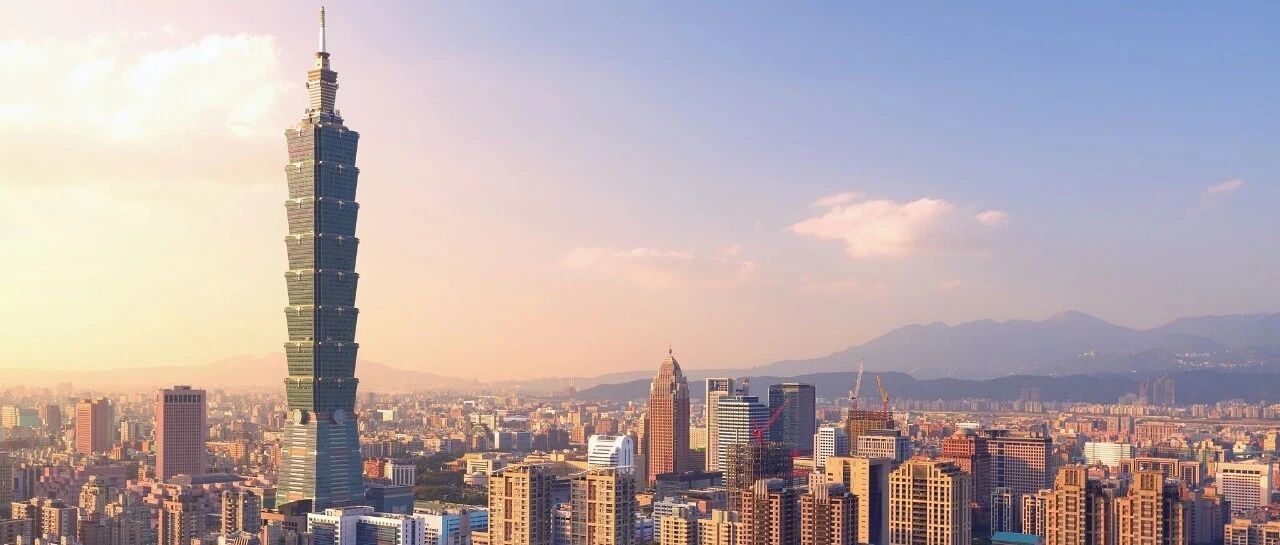
Core Viewpoint - The article emphasizes that the Taiwan issue is an internal matter of China, rooted in historical events and the struggle for national rejuvenation, and it asserts that Taiwan will ultimately be resolved as part of China's great revival [1][4][8]. Historical Context - Taiwan has historically belonged to China, with archaeological evidence showing that its indigenous people migrated from the mainland. The earliest records date back to 230 AD, and various Chinese dynasties established administrative control over Taiwan [2][3]. - The Qing Dynasty officially incorporated Taiwan as its 20th province in 1885, marking its development as a prosperous region under Chinese governance [2][3]. Japanese Occupation and Recovery - Taiwan was ceded to Japan through the unequal Treaty of Shimonoseki in 1895. The Chinese resistance against Japanese occupation culminated in the victory of the Anti-Japanese War, leading to Taiwan's recovery in 1945 [3][4]. - The Cairo Declaration and the Potsdam Declaration reaffirmed the return of Taiwan to China after Japan's defeat in World War II, solidifying its status as part of Chinese territory [3][4]. Political Dynamics - The Taiwan issue arose from the internal strife of the Chinese Civil War and foreign interference, particularly from the United States, which supported the Kuomintang after their retreat to Taiwan in 1949 [4][5]. - Despite the political division, the sovereignty of China over Taiwan has remained unchanged, with the People's Republic of China recognized as the sole legitimate government representing all of China, including Taiwan [5][6]. One China Principle - The One China principle is a fundamental tenet of international relations, with the United Nations recognizing the People's Republic of China as the only legitimate representative of China, thereby excluding any notion of Taiwanese independence [6][7]. - A consensus known as the "1992 Consensus" was reached, affirming that both sides of the Taiwan Strait belong to one China, which is crucial for maintaining peace and stability in cross-strait relations [7][8]. Future Outlook - The article posits that the Taiwan issue will be resolved by the Chinese people themselves, as both sides share common cultural and historical ties. The ongoing efforts towards national rejuvenation will facilitate the eventual reunification of Taiwan with the mainland [7][8]. - The article concludes that the resolution of the Taiwan issue is inevitable and aligns with the broader goals of national unity and the revival of the Chinese nation [8].

牢记光辉历史 共促统一大业——纪念台湾光复80周年大会在港澳引发热烈反响
Xin Hua She· 2025-10-26 12:31
Core Viewpoint - The 80th anniversary of Taiwan's liberation has sparked strong reactions in Hong Kong and Macau, emphasizing the importance of remembering the historical significance of Taiwan's return to China and opposing "Taiwan independence" [1][2][3] Group 1: Historical Significance - The liberation of Taiwan is viewed as a crucial part of the victory in the Anti-Japanese War and the post-war international order, with legal documents like the Cairo Declaration and the Potsdam Proclamation affirming China's sovereignty over Taiwan [1] - Historical evidence supports that Taiwan has always been a part of China, and any attempts at "Taiwan independence" are seen as a betrayal of history and a challenge to the post-war international order [1] Group 2: Legislative Actions - The 14th National People's Congress Standing Committee has officially designated October 25 as Taiwan Liberation Memorial Day, which is expected to reinforce the historical and legal facts regarding Taiwan's status as an inseparable part of China [2] - The establishment of Taiwan Liberation Memorial Day is viewed as a significant step in promoting national unity and guiding peaceful development of cross-strait relations [2] Group 3: National Strength and Unity - The strengthening of the nation is linked to the prosperity of Taiwan, with the current status of China as the world's second-largest economy enhancing its ability to maintain national unity and territorial integrity [3] - There is a call for the younger generation to recognize the importance of national strength and unity, emphasizing that a strong nation leads to a prosperous Taiwan [3]
中新时评:铭刻历史坐标 推进国家统一
Zhong Guo Xin Wen Wang· 2025-10-25 13:12
Core Viewpoint - The article emphasizes the importance of commemorating the historical event of Taiwan's return to China on October 25, 1945, as a significant milestone in the context of national unity and the ongoing challenges faced by the Chinese nation today [1]. Group 1: Historical Context - The article outlines the historical background of Taiwan's return, highlighting the impact of the Second Sino-Japanese War and the significance of international legal documents such as the Cairo Declaration and the Potsdam Proclamation, which affirm China's sovereignty over Taiwan [2]. - It stresses that Taiwan's return is an undeniable historical fact and a major outcome of the victory in the anti-fascist war, which should not be distorted or denied [2]. Group 2: Unity and Peace - The article calls for the promotion of unity among the Chinese people, emphasizing that the fate of Taiwan is closely linked to that of the mainland, and that only through solidarity can both sides resist external interference and safeguard national sovereignty [3]. - It references the historical resistance of Taiwanese people against Japanese colonial rule and the importance of a united front during the anti-Japanese war as a key to achieving victory and restoring Taiwan [3]. Group 3: Future Prospects - The article discusses the necessity of national strength for the well-being of both sides, asserting that a strong and unified China is essential for the prosperity of all Chinese people, including those in Taiwan [4]. - It mentions the recent approval of the 15th Five-Year Plan by the Chinese Communist Party, indicating a commitment to modernization and national rejuvenation, which Taiwan is expected to be a part of [4]. - The establishment of a Taiwan Liberation Memorial Day is presented as a way to solidify this historical milestone and respond to the shared aspirations of people on both sides of the strait [4]. Group 4: Responsibilities and Aspirations - The article highlights the historical responsibilities of both sides to promote patriotism, safeguard the common homeland, and foster peaceful development of cross-strait relations [5]. - It concludes with a call for both sides to work together against separatist movements and to deepen integration, ultimately aiming for a shared future and collective honor as Chinese citizens [5].