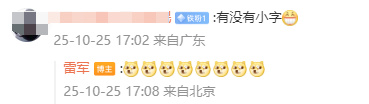
小字营销

Search documents
雷军回应“小字营销”:行业陋习 马上就改
Mei Ri Jing Ji Xin Wen· 2026-01-03 15:08
小米集团董事长特别助理、战略市场部副总经理徐洁云表示,客观讲,长久以来在宣传物料比如海报、 PPT上面加小字做标注做注释,确实是行业常见的惯例。"我们之前更多考虑的是法律合规,因为要符 合广告法,确实当中有一部分是忽略了大家的感受。"徐洁云称。 1月3日,小米集团创始人、董事长雷军在直播中表示,"小字营销"是行业陋习,小米从现在做起,马上 就改。"我觉得这个毛病确实要改。"雷军认为,如果把用来合规的一些做法贴上虚假营销或者过度营销 的标签,是对小米天大的误解。 (文章来源:每日经济新闻) ...


“大字吹牛,小字免责”:车圈营销乱象,正在裹挟消费者
Di Yi Cai Jing· 2025-11-10 04:09
Core Viewpoint - The automotive industry is facing significant marketing issues, including exaggerated promotions and misleading advertising practices, which undermine consumer trust and the core values of vehicle manufacturing [1][10][14]. Group 1: Marketing Practices - Automotive marketing has become increasingly extravagant, with tactics such as "limited hunger marketing" and "order inflation" creating a sense of urgency among consumers [1][10]. - Many companies are using "big words" for attention-grabbing headlines while burying important disclaimers in small print, leading to potential consumer misunderstandings [4][5][7]. - The phenomenon of "order inflation" is prevalent, where companies manipulate order data to create a false impression of demand, raising concerns about the integrity of reported sales figures [10][11][12]. Group 2: Consumer Trust and Safety - The focus on flashy marketing has overshadowed the essential aspects of vehicle safety and quality, resulting in safety incidents and technical defects that erode consumer confidence [1][3]. - Legal experts highlight that misleading marketing practices could be classified as fraud under Chinese law, allowing consumers to rescind contracts based on deceptive advertising [8][9]. Group 3: Industry Response and Regulation - The China Automobile Dealers Association (CADA) has called for an end to misleading promotional practices and the publication of weekly sales rankings, which distort market realities and contribute to unhealthy competition [16][17]. - There is a growing consensus within the industry that marketing strategies need to be reevaluated to align with the traditional values of the automotive sector, emphasizing transparency and accountability [17].
雷军回应小字争议,一切都结束了
Xin Lang Cai Jing· 2025-10-29 01:16
Core Viewpoint - The article discusses the controversy surrounding Xiaomi's marketing practices, particularly the use of small print disclaimers that often accompany bold claims in their advertisements, leading to consumer skepticism and criticism [2][20][30]. Group 1: Xiaomi's Marketing Practices - Xiaomi's recent announcement of the YU7's performance in a winter endurance test was overshadowed by a comment questioning the presence of small print disclaimers, which received significant attention in the comments section [2][3]. - The term "small print" has become synonymous with Xiaomi's marketing, as consumers have learned to scrutinize advertisements for hidden disclaimers following previous controversies [3][10]. - The article highlights that Xiaomi's marketing tactics, such as claiming to be the "king of endurance," often come with disclaimers that dilute the impact of the claims, leading to public mockery and distrust [20][22][30]. Group 2: Industry Context - The use of small print disclaimers is not unique to Xiaomi; it is a common practice across various industries, where companies use bold claims to attract attention while hiding critical information in fine print [8][9]. - The article cites examples from other sectors, such as food and skincare, where misleading marketing practices are prevalent, indicating a broader industry issue [8][9]. - The criticism of Xiaomi's marketing reflects a growing consumer awareness and demand for transparency, as consumers are now more inclined to verify claims rather than take them at face value [26][30]. Group 3: Consumer Trust and Brand Reputation - The article emphasizes that while bold marketing can generate initial interest, long-term consumer trust is built on product quality and transparency rather than clever advertising [27][30]. - The backlash against Xiaomi's marketing strategies could lead to a decline in brand loyalty, as consumers feel misled by exaggerated claims that are later qualified by small print [24][30]. - The article concludes that for Xiaomi to maintain its market position, it must shift its focus from short-term marketing gimmicks to delivering genuine product value and fostering customer trust [30].