小字营销

Search documents
小字营销再现,大厂自卑拉满?
Sou Hu Cai Jing· 2026-02-23 15:44
Core Viewpoint - The article discusses the issue of "small print marketing," highlighting how companies mislead consumers through deceptive advertising practices, particularly in the context of gift boxes during the Spring Festival [3][5]. Group 1: Misleading Marketing Practices - A specific example involves a "nut gift box" that claims to weigh 958 grams, but only 33 grams are actual nuts, with the majority being drinks and snacks, raising concerns about consumer deception [3]. - The marketing strategy emphasizes "nuts" and "dried fruits" while downplaying the presence of drinks and snacks, which are only revealed in the detailed product description [3][5]. - This practice of "small print marketing" is not new and has been criticized in various industries, including electronics, where misleading claims are often made [5][7]. Group 2: Industry Implications - The prevalence of small print marketing reflects a lack of confidence among major brands, leading to a reliance on misleading tactics to avoid accountability [7][8]. - Such marketing strategies not only harm consumer trust but also diminish the overall brand value, as they prioritize short-term sales over genuine product quality [8]. - The article suggests that this trend has become an industry norm, allowing companies to engage in false marketing and exaggerate product benefits without facing repercussions [7][8].

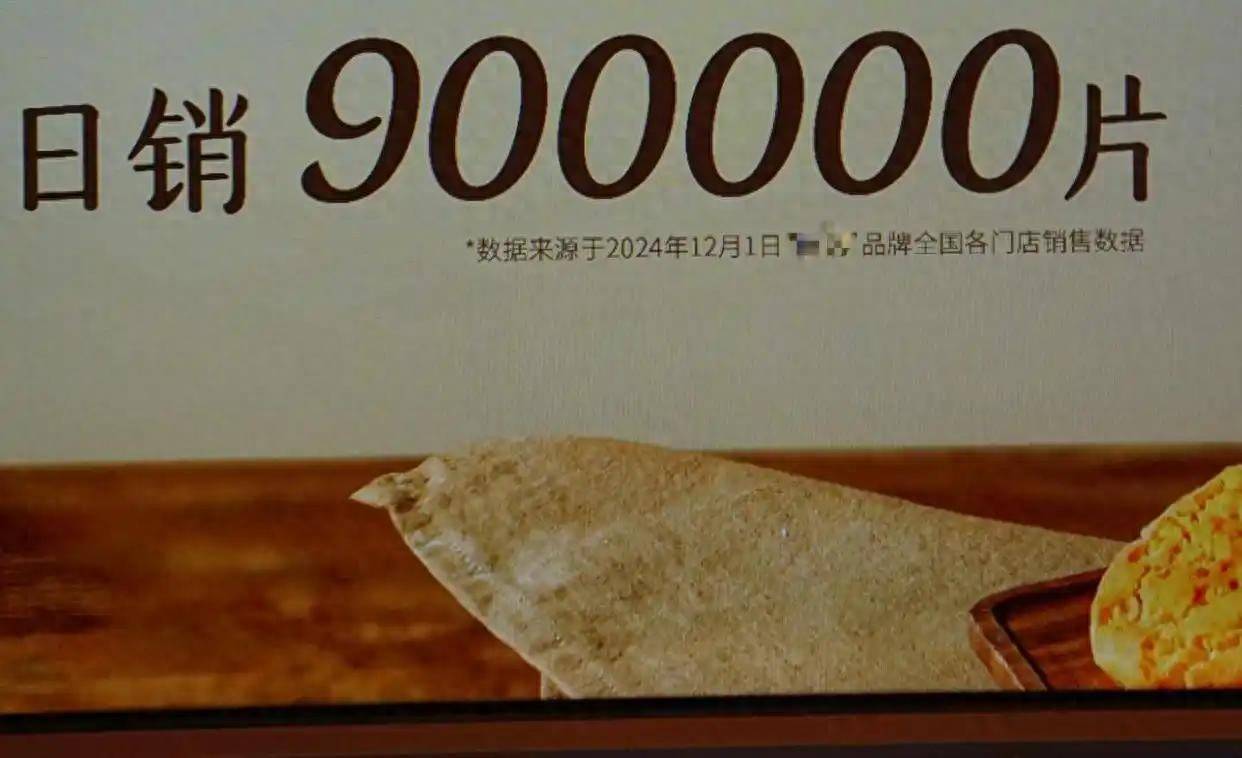
家电行业再掀“口水战”:公牛集团索赔420万、家的电器反诉“不正当竞争”
Sou Hu Cai Jing· 2026-01-23 10:06
Core Viewpoint - The ongoing dispute between Bull Group and Jia's Electric over advertising claims has escalated, highlighting competitive tensions in the home appliance industry [2][4][12] Group 1: Dispute Details - The conflict began with Jia's Electric questioning Bull Group's advertising claim that "7 out of 10 Chinese households use Bull," alleging misleading representation [5][6] - Jia's Electric has filed a lawsuit against Bull Group, claiming the latter's advertising constitutes unfair competition and false advertising [4][8] - Bull Group has responded with a lawsuit for commercial defamation and unfair competition, seeking compensation of 4.2 million yuan [6][8] Group 2: Industry Context - The home appliance industry is experiencing intensified competition, with companies increasingly resorting to aggressive marketing tactics [12] - The decline in new housing sales, with a reported 8.7% decrease in sales area and a 12.6% drop in sales revenue, is contributing to heightened competition among industry players [13] - Bull Group reported a revenue decline of 3.22% year-on-year for the first three quarters of 2025, with net profit down 8.72% [13]

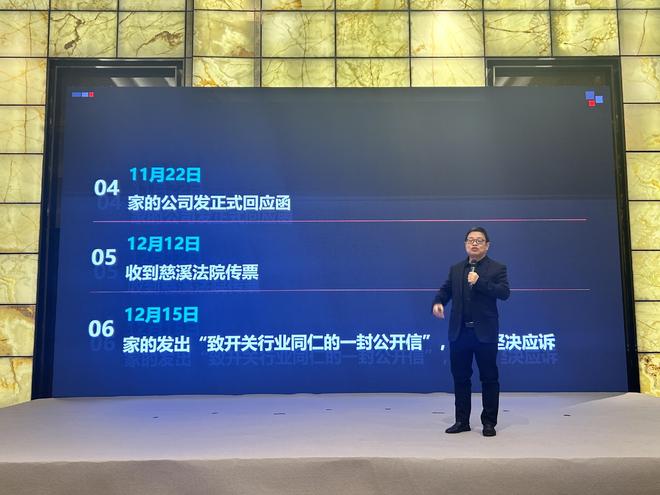
被指借势营销 家的电器匡建:别让消费者交“智商税”
Zhong Guo Jing Ying Bao· 2026-01-22 16:19
Core Viewpoint - The ongoing dispute between Jia's Electric and Bull Group highlights issues of advertising ethics and market competition in the electrical appliance industry, particularly regarding misleading marketing practices and the impact on consumer perception [3][4][5]. Group 1: Company Dispute - Jia's Electric's founder, Kuang Jian, accused Bull Group of using substandard materials and misleading advertising, specifically criticizing the claim that "7 out of 10 Chinese households use Bull" as deceptive [3][4]. - The conflict escalated when Jia's Electric launched a campaign against Bull's advertising, leading to Bull Group filing a lawsuit for 4.2 million yuan in damages, claiming defamation and damage to its commercial reputation [4][5]. - The legal action by Bull Group did not deter Jia's Electric; instead, it intensified the competition, with Jia's Electric asserting that Bull's advertising practices violate Chinese advertising laws [5][6]. Group 2: Market Dynamics - Bull Group has maintained a dominant market position in the power strip sector, but Jia's Electric's campaign has raised awareness of perceived product deficiencies, potentially affecting Bull's market share [4][5]. - The advertising slogan used by Bull Group has been criticized for creating a misleading perception among consumers, which could impact the competitive landscape and the survival of smaller companies like Jia's Electric [6][7]. - The overall market for home improvement and electrical appliances is under pressure, with reports indicating that some companies are experiencing significant declines in performance, highlighting the challenges faced by smaller enterprises in a competitive environment [6][7]. Group 3: Strategic Responses - In response to the competitive pressures, Jia's Electric is considering launching new products, including a power strip, to capitalize on the heightened visibility from the dispute [7]. - Kuang Jian emphasized the need for innovation and diversification in product offerings to survive in a market dominated by larger players like Bull Group [7]. - The situation illustrates the broader challenges faced by small to medium-sized enterprises in the industry, where aggressive marketing tactics and established brand dominance can stifle competition and innovation [6][7].
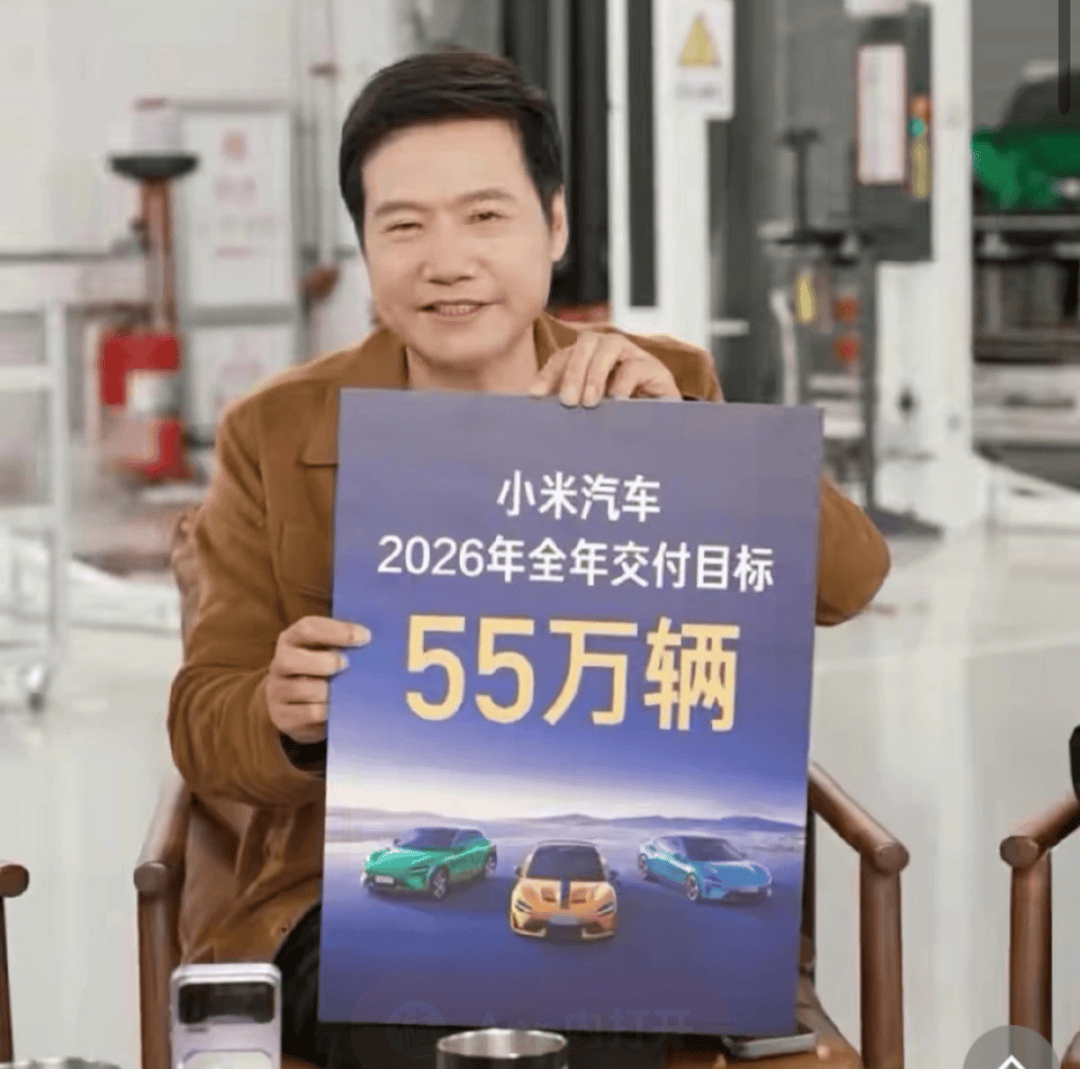
人老实话不多?小米汽车与雷军的成与败
Sou Hu Cai Jing· 2026-01-21 09:49
Core Viewpoint - Xiaomi's founder Lei Jun acknowledged the issue of "small print marketing" as an industry malpractice and committed to immediate rectification during the first live broadcast of 2026 [1][3][7]. Group 1: Sales Performance and Targets - In 2025, Xiaomi's automotive business exceeded its annual target by 17%, selling 411,800 units, with a sales target of 550,000 units set for 2026 [3][16]. - Predictions suggest that Xiaomi's electric vehicle sales could potentially surpass Tesla's in 2026, with Bloomberg forecasting a 100% increase, leading to an annual shipment of 782,000 units [16][20]. - Xiaomi's automotive business is expected to contribute 30% to the group's total revenue [20]. Group 2: Marketing Strategy Changes - Lei Jun's live broadcast included a four-hour session where an engineer disassembled a Xiaomi vehicle to showcase its core components, aiming for transparency [4]. - The company has reduced the number of promotional materials containing "small print" from 32 to 13 within a month, indicating a shift towards using larger fonts for better readability [10][12]. - Xiaomi's marketing strategy is evolving to emphasize transparency, with Lei Jun stating that specific voltage values will be clearly marked instead of using generalized terms [20][21].
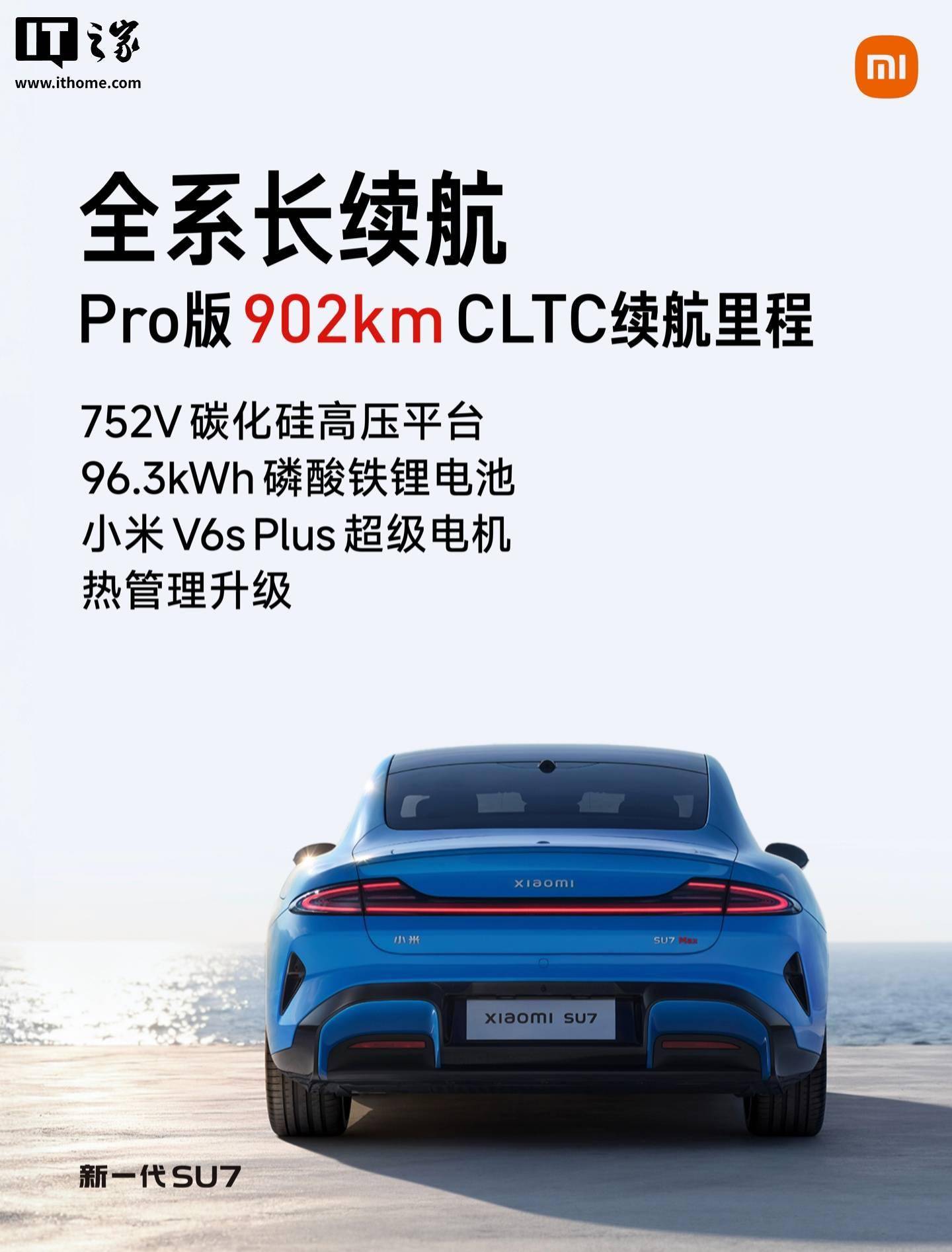
雷军谈新一代小米SU7汽车“752V、897V碳化硅高压平台”
Sou Hu Cai Jing· 2026-01-15 13:35
Group 1 - The core viewpoint of the article is that Xiaomi's founder and CEO Lei Jun emphasizes the importance of accurate marketing terminology, specifically criticizing the industry's practice of using inflated voltage numbers in electric vehicle specifications [1][5] - Lei Jun highlights that the new Xiaomi SU7 electric vehicle uses specific voltage figures like 752V and 897V instead of rounding them to 800V or 900V, indicating a commitment to transparency and accuracy in marketing [1] - The company aims to rectify the "small character marketing" issue, which Lei Jun describes as an industry habit, and is willing to adopt higher standards in its communications [5] Group 2 - Lei Jun questions the acceptability of using inflated voltage figures, asking if consumers would accept 600V being marketed as 800V, thereby challenging the industry's norms [5] - The company is taking immediate steps to correct its marketing practices, as Lei Jun previously mentioned in a live broadcast on January 3, indicating a proactive approach to addressing misconceptions about its marketing strategies [5] - Lei Jun asserts that any claims of false or excessive marketing regarding compliant practices are significant misunderstandings of Xiaomi's intentions [5]

被逼急的雷军,不再相信“清者自清”
电动车公社· 2026-01-09 16:05
Core Viewpoint - Xiaomi's aggressive marketing strategy and product upgrades with the new SU7 model have sparked significant interest in the automotive industry, indicating a shift from a conservative approach to a more dynamic one in 2026 [2][8]. Group 1: New SU7 Launch and Features - The new SU7 has been launched for pre-sale with a price increase of 10,000 to 14,000 yuan compared to the current model, which has generated considerable buzz in the automotive sector [2][8]. - The new SU7 emphasizes technological upgrades, including a significant enhancement in battery voltage platforms from 400V to 752V for standard and Pro versions, and to 897V for the Max version, leading to improved charging speed and energy efficiency [22]. - The Pro version's range has increased from 830 km to 902 km, making it the longest-range pure electric vehicle in its class, while other versions have seen a range increase of 20-35 km [24]. Group 2: Customer Engagement and Transition - Xiaomi has implemented a smooth transition plan for existing customers, allowing those who have locked in orders but not yet taken delivery to switch to the new SU7 model with added benefits [12][20]. - The company has closed sales of the old model immediately upon the new model's pre-sale announcement, which helps mitigate potential dissatisfaction among existing customers [13][20]. Group 3: Safety and Performance Enhancements - The new SU7 includes significant safety upgrades, such as enhanced structural integrity with high-strength steel and additional side airbags, emphasizing the company's commitment to safety [35][36]. - The vehicle now comes standard with advanced driver assistance systems, including laser radar and a comprehensive hardware setup for improved active safety features [29][30]. Group 4: Marketing Strategy Shift - Xiaomi's marketing approach has shifted from using "small print" tactics to more transparent and straightforward communication, as highlighted by the absence of small text in promotional materials [45][52]. - CEO Lei Jun expressed frustration over being labeled a "marketing master," emphasizing the importance of product quality over marketing gimmicks, and indicating a desire to protect customer interests against malicious criticism [55][62]. Group 5: Industry Context and Future Outlook - The automotive industry is expected to shift focus from internal competition to enhancing user experience, as companies face rising costs for materials like lithium and aluminum [42][44]. - Xiaomi's rapid success in the automotive market, despite challenges, reflects a strategic gamble by Lei Jun, who has committed significant personal and professional capital to this venture [68][73].

小米回应小字营销争议,称合规小字被误解为虚假宣传
Xin Lang Ke Ji· 2026-01-09 02:21
Group 1 - The core viewpoint of the article is that Xiaomi is addressing criticisms regarding its use of small print marketing, stating that it will eliminate this practice to enhance transparency and user experience [1] - Xiaomi acknowledges that the previous focus on legal compliance led to neglecting customer perceptions, and it aims to rectify this by using larger fonts for important information [1] - The company expresses gratitude for customer feedback and emphasizes its commitment to listening and making necessary changes [1]
雷军直播:新一代SU7真涨价但“炸裂”!KOL风波触及小米底线
Sou Hu Cai Jing· 2026-01-07 23:14
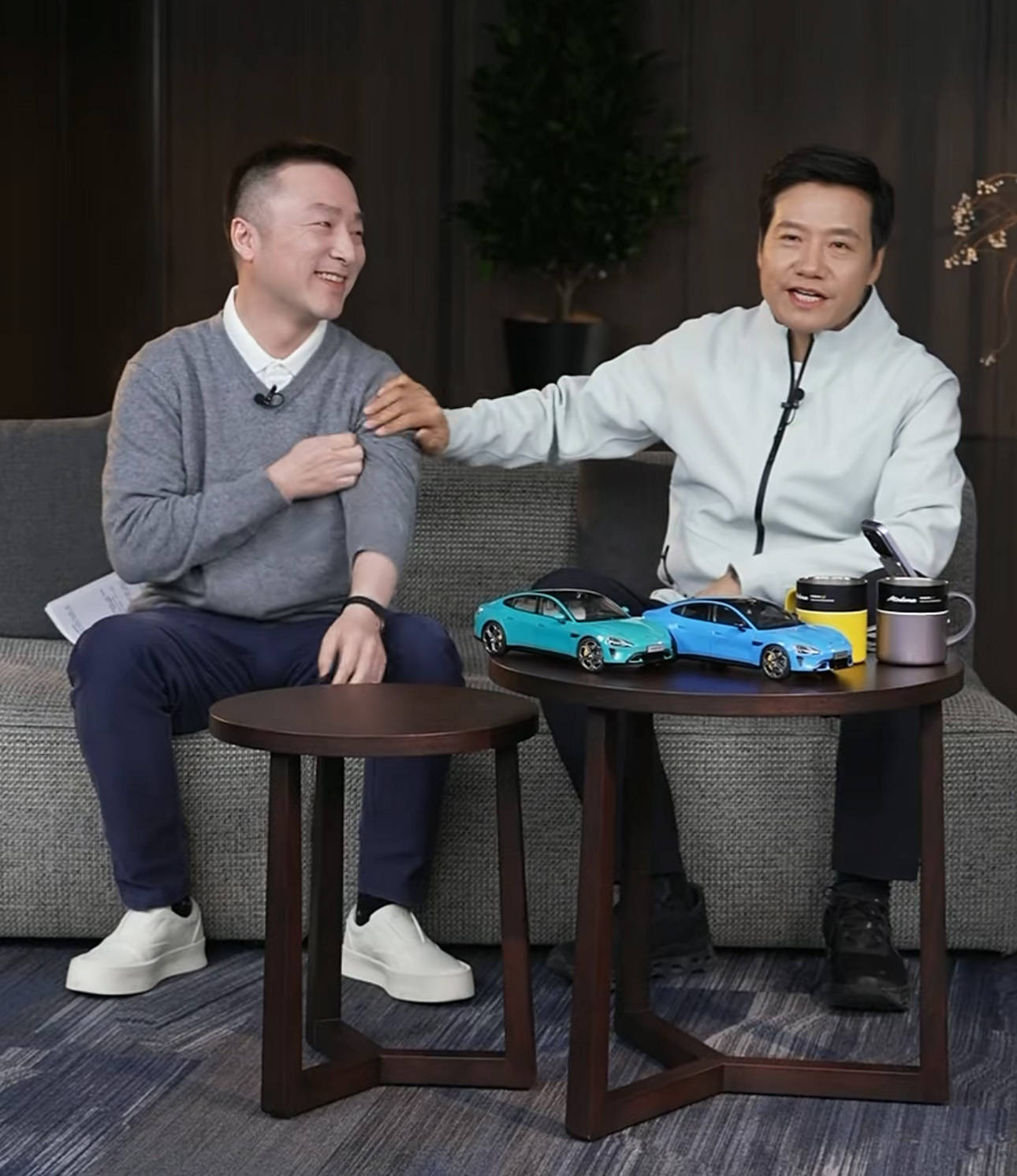
Core Viewpoint - Xiaomi's founder Lei Jun held two live broadcasts within a week focusing on Xiaomi's automotive developments, particularly the new generation SU7, while addressing various controversies surrounding the company and himself [1][13]. Group 1: New Generation SU7 - The new generation SU7 is described as a significant upgrade, with many enhancements yet to be revealed, and Lei Jun expressed 100% confidence in the product's capabilities [3][5]. - The new SU7 will be priced higher than its predecessor, with the standard and Pro versions increasing by 14,000 yuan to 229,900 yuan and 259,900 yuan respectively, while the Max version will rise by 10,000 yuan to 309,900 yuan [6]. - The new SU7 features advanced technology, including standard laser radar and 4D millimeter-wave radar, with a driving assistance computing power of 700 TOPS, and various safety features including nine airbags [10]. Group 2: Market Strategy and User Engagement - Lei Jun emphasized that the design changes in the new SU7, while subtle, are aimed at improving functionality and reflect user feedback, maintaining a competitive edge in the market [8]. - The company plans to deliver 410,000 vehicles by 2025 and aims for 550,000 in 2026, indicating a strong growth trajectory in the automotive sector [18]. Group 3: Controversies and Public Relations - Lei Jun addressed the recent KOL collaboration controversy, stating that Xiaomi cannot tolerate negative behavior towards its users and will take steps to protect its reputation [15]. - The company is committed to improving its public relations strategies and ensuring accurate communication to avoid misunderstandings [18].
雷军恐惧流言日
36氪· 2026-01-05 13:35
Core Viewpoint - The article discusses Xiaomi's recent live stream led by Lei Jun, where he addressed various controversies and criticisms surrounding the company, particularly focusing on the impact of "black water armies" (organized online attacks) on his public persona and the company's reputation [4][5][30]. Group 1: Controversies and Responses - Lei Jun expressed his frustration over the negative impact of online attacks, stating that they have caused him significant psychological distress and made him cautious about his public statements [5][8]. - The live stream served as a platform for Lei Jun and the new PR head, Xu Jieyun, to clarify misconceptions, including the misinterpretation of the vehicle's performance claims and the company's policies [14][15]. - Lei Jun highlighted the organized nature of the online attacks, mentioning that a few individuals manipulate thousands of accounts to spread false information about Xiaomi [14][30]. Group 2: Product Performance and Sales - In 2025, Xiaomi delivered 410,000 vehicles, exceeding the initial target of 350,000, indicating strong sales performance despite the controversies [34]. - The Xiaomi YU7 has seen high demand, but the delivery timeline remains long, with reports of up to seven to eight months for customers [32]. - The SU7 Ultra faced a significant drop in monthly sales from thousands to below 100 units due to previous controversies, reflecting the potential long-term impact of negative publicity on sales [31]. Group 3: Future Goals and Strategies - Lei Jun set ambitious goals for 2026, aiming for 550,000 vehicle deliveries, which he considers a challenging yet achievable target [34]. - The company plans to address the issue of "small font marketing" practices, which have drawn criticism, by committing to changes in their marketing strategies [20]. - Xiaomi's management is focused on combating the influence of "black water armies" while also addressing deeper issues within the company to restore its public image [30].
小米和雷军:总有刁民要害朕?
Sou Hu Cai Jing· 2026-01-04 12:08
Core Viewpoint - Xiaomi faces both challenges and opportunities in 2025, with increasing negative sentiment towards the company and its CEO Lei Jun, particularly regarding Xiaomi's automotive ventures [1] Group 1: Response to Negative Sentiment - Lei Jun and Xiaomi's new PR head Xu Jieyun publicly addressed widespread rumors about Xiaomi's cars, claiming that negative narratives are manipulated by a small group using multiple accounts to discredit the brand [3][5] - Lei Jun shared his personal experience of driving from Beijing to Shanghai, emphasizing the impressive range of Xiaomi's vehicles, and criticized the negative portrayal of the company's marketing claims [5] - Xu Jieyun acknowledged the issue of "small print marketing" as an industry norm, admitting it can mislead consumers and promising to improve communication by using clearer messaging [6] Group 2: Legal and Public Relations Strategy - Xiaomi has initiated legal actions against those spreading false information, indicating a commitment to protecting its brand reputation [3][8] - Lei Jun refuted claims of having a 7,000-member legal team, emphasizing the need for constructive criticism rather than baseless attacks [8] Group 3: Comparison with Competitors - The article compares Xiaomi's situation to Tesla, noting that while Tesla faces significant negative press, CEO Elon Musk does not attribute sales declines to external factors like "water armies," instead focusing on product adjustments [10] - The commentary suggests that Xiaomi should avoid falling into the trap of blaming external forces for its challenges and instead focus on improving product quality and public relations [10]