差异化发展

Search documents
吴清最新发声,完整版来了
Shang Hai Zheng Quan Bao· 2025-12-06 09:24
Core Viewpoint - The speech by Wu Qing emphasizes the need for the securities industry to enhance its service capabilities, focus on high-quality development, and adapt to the evolving financial landscape while ensuring investor protection and market stability [3][4][9]. Group 1: Industry Development and Responsibilities - The industry must prioritize serving the real economy and optimize business structures to support enterprise and industrial development [3]. - There is a call for the securities industry to enhance its governance effectiveness, prevent shareholder interference, and ensure the removal of unsuitable shareholders [7]. - The industry should focus on high-quality development rather than merely competing on scale and speed [9]. Group 2: Financial Innovation and Technology - The industry is encouraged to embrace financial technology innovations such as AI, big data, and blockchain to reshape the market ecosystem [5]. - Regulatory frameworks will be improved to facilitate innovation while ensuring risk management and monitoring [5]. Group 3: Wealth Management and Investor Relations - Investment banks are urged to enhance their wealth management services and establish a return-focused evaluation system [4]. - There is a need for better alignment of interests between investment banks and investors, promoting long-term investment strategies [4]. Group 4: Market Structure and Differentiation - The industry is witnessing a shift towards differentiated development, with smaller firms encouraged to focus on niche markets and unique client segments [12]. - The importance of reputation management and corporate culture is highlighted, with a focus on ethical practices and long-termism [11]. Group 5: Market Size and Growth - The total assets of 107 securities firms have reached 14.5 trillion yuan, with net assets growing by over 60% in the past four years [10]. - The number of clients served by securities firms has increased to over 240 million, reflecting a 26% growth [10]. Group 6: Institutional Strength and Global Positioning - The industry must cultivate top-tier financial talent and enhance its capabilities in global capital allocation and governance [14]. - There is a call for the securities industry to play a crucial role in China's financial strength and to adapt to international market dynamics [14].

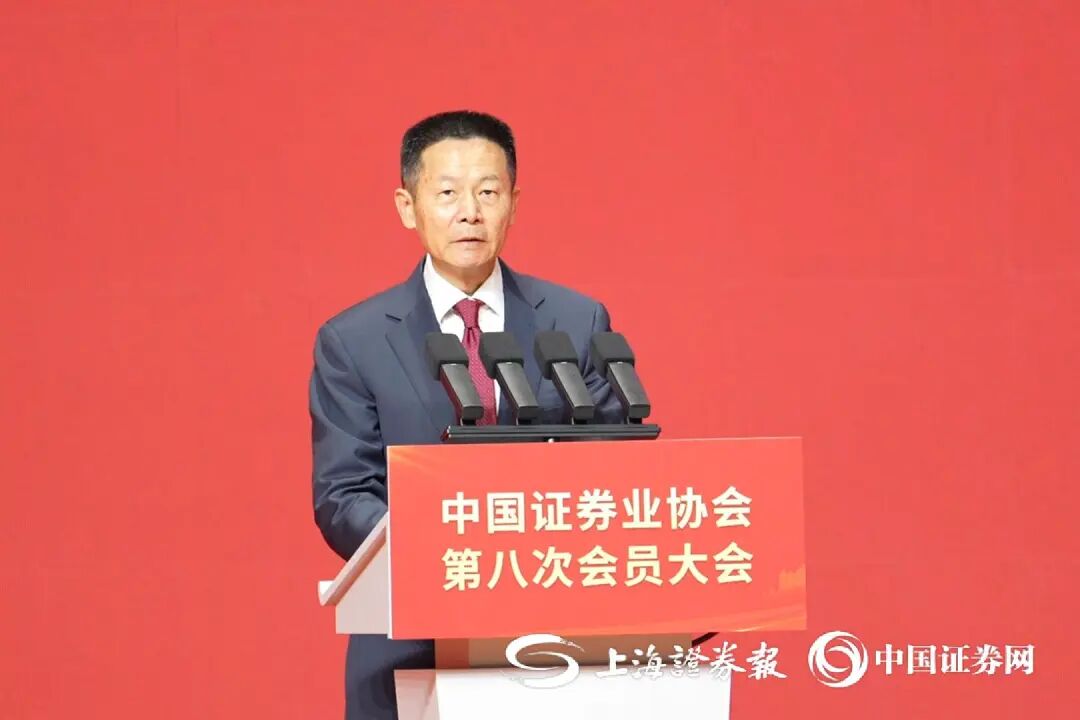
证监会主席吴清:中小机构加快从同质化经营向差异化发展转变
Sou Hu Cai Jing· 2025-12-06 08:56
Core Viewpoint - The Chairman of the China Securities Regulatory Commission, Wu Qing, highlighted the continuous optimization of the industry structure, with significant mergers like Guotai Junan and Haitong Securities demonstrating initial success in achieving a "1+1>2" effect [1] Group 1: Industry Developments - The industry is witnessing notable restructuring cases, such as the merger of Guotai Junan and Haitong Securities, which indicates a positive trend in industry consolidation [1] - Leading companies are playing a more prominent role in guiding the market, enhancing their influence within the industry [1] Group 2: Market Dynamics - Smaller institutions are focusing on niche markets and achieving breakthroughs, transitioning from homogenized operations and unhealthy competition to differentiated development [1] - Foreign institutions are accelerating their business expansion in China, with 11 foreign-owned or controlled securities firms now operating domestically [1]
发挥金融三重功能 赋能绿电园区发展
Zheng Quan Ri Bao Wang· 2025-12-05 10:45
Group 1 - China's manufacturing industry plays a crucial role in promoting new industrialization, with its manufacturing value-added accounting for nearly 30% of the global total and maintaining the world's largest scale for 15 consecutive years [1] - In 2024, 178 national high-tech zones are expected to contribute 14.3% to the national GDP, gathering 33% of the country's high-tech enterprises and 46% of specialized "little giant" enterprises [1] Group 2 - The development of green electricity parks is essential for the carbon neutrality process, supported by international policies and technological advancements [2] - Since 2010, the average cost of electricity from photovoltaic and onshore wind power has decreased by approximately 90% and 70%, respectively, indicating a significant economic benefit for green electricity parks [2] Group 3 - China has a high dependence on foreign oil and gas resources, with dependency rates of about 72% for crude oil and 38% for natural gas, making the transition to a renewable energy-dominated "electrification era" a strategic choice [3] - By 2024, China's global market share in polysilicon, silicon wafers, battery cells, and modules is projected to reach 93.2%, 96.6%, 92.3%, and 86.4%, respectively, showcasing its strong competitive edge in green electricity manufacturing [3] Group 4 - Financial services are essential for the development of industrial parks, transitioning from optional to necessary, with a focus on fundraising, risk diversification, and resource allocation [4] - Financial institutions can facilitate the transformation of capital expenditures into operational expenditures, helping operators initiate projects with lower capital [4] Group 5 - Various financing tools are available for green electricity park construction, including loans, bonds, equity financing, and innovative models [6] - Public finance tools and bank loans are primary funding sources for construction projects, while equity financing tools like park equity funds are gaining importance [6][7] Group 6 - Financial institutions should provide comprehensive services throughout the lifecycle of industrial parks, addressing different financial needs at various stages, from planning to operation [8][9] - In the operational phase, financial products like REITs and ABS can be utilized to support ongoing development [9] Group 7 - The dual approach of "financing" and "intelligence" is crucial for creating a comprehensive service system that supports both funding and value creation [11][12] - Financial institutions can leverage their expertise in value discovery and cultivation to become true "industry investment banks" and "patient capital" [12] Group 8 - Financial innovation should focus on "one park, one policy" strategies tailored to the unique characteristics of different industrial parks, addressing specific development challenges [15] - This approach aims to match financial supply with rapidly evolving industrial demands, fostering a virtuous cycle of industrial and financial growth [15][16]
浙江众成:众立合成材料最近两年一直在转型调整产品结构
Zheng Quan Ri Bao· 2025-12-04 14:12
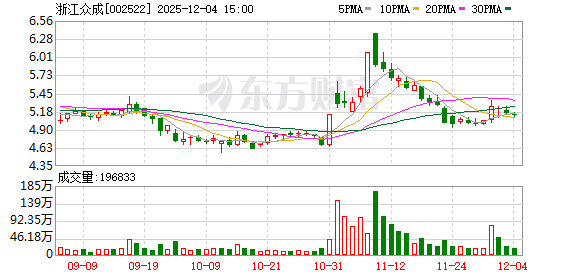
Core Viewpoint - Zhejiang Zhongcheng is undergoing a transformation in product structure, focusing on differentiated and domestically produced alternatives, with gradual market application expected in the coming years [2] Group 1: Company Developments - Zhongli Composite Materials has been adjusting its product structure for the past two years, aiming for differentiation and the development of domestic substitute products [2] - The company has already begun applying related products in the cosmetics sector [2] - There are currently no applications of the company's products in the robotics skin field [2] Group 2: Future Outlook - The company plans to continue its innovation and differentiation strategy through 2026, striving to overcome challenges and provide returns to shareholders [2]

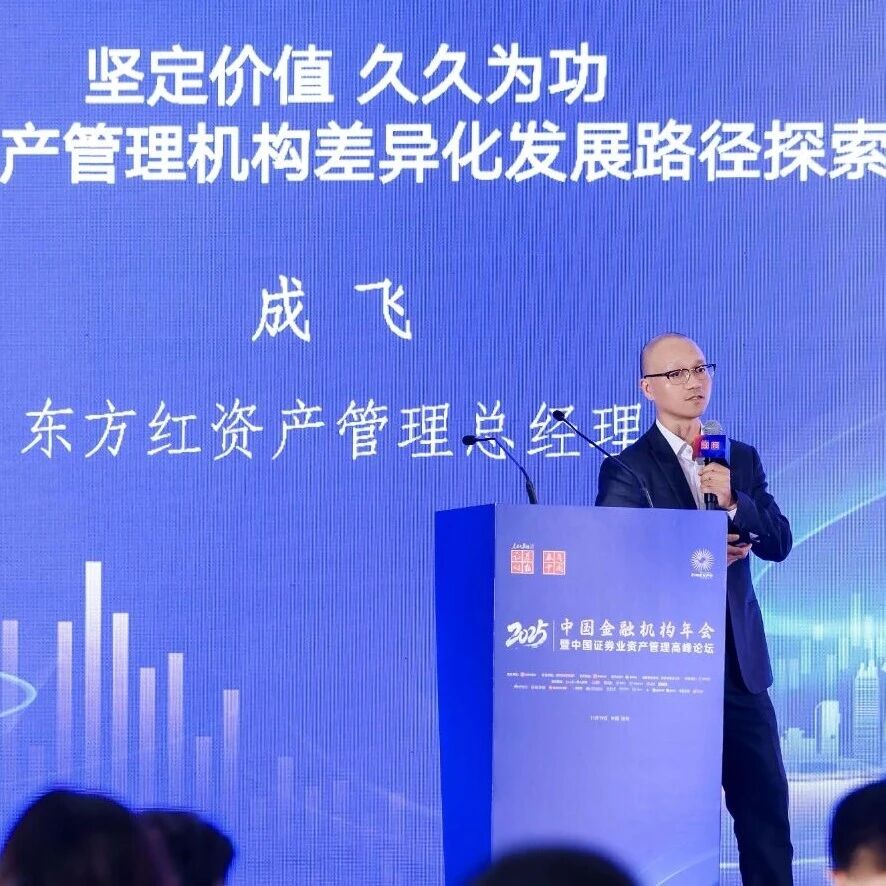
东方红资管总经理成飞: 资管机构应构建 “好投资+好服务+好品牌”护城河
Zheng Quan Shi Bao Wang· 2025-12-02 23:33
Core Insights - The asset management industry is entering a new phase of high-quality development, requiring institutions to explore differentiated paths while focusing on investment, service, and brand building [1][2]. Industry Overview - The overall scale of the asset management industry has exceeded 160 trillion yuan, with structural differentiation becoming evident among various segments [1]. - Public funds, insurance asset management, bank wealth management, and trusts have collectively surpassed 30 trillion yuan, intensifying the Matthew effect, while private equity, securities asset management, and futures asset management face severe competition [1]. Securities Asset Management - The entrusted scale of securities asset management is stable at 7 trillion yuan, but the industry needs new growth breakthroughs due to the end of large collective rectifications and declining fixed-income asset yields [2]. - Only 14 securities firms and their asset management subsidiaries have public fund management qualifications, holding a mere 2% market share in the public fund sector, with a similar incremental share for the year [2]. Development Path of Oriental Red Asset Management - The company emphasizes a customer-centric approach to build core competitiveness [2]. - It practices value investing and active management, establishing a comprehensive research and investment system across equity, fixed income, fund of funds (FOF), and quantitative fields, achieving good long-term investment returns [2]. - The company prioritizes customer experience through its "Oriental Red Long March" service system, enhancing service quality and reputation [2][3]. Brand Building and Challenges - The "Oriental Red Long March" initiative has conducted over 14,500 customer service events, reaching 2.09 million participants over the past 10 years [3]. - The company has consistently invested in brand building since its inception, aiming to accumulate brand assets and create a sustainable competitive advantage [3]. - Despite facing challenges in its differentiated development, the company believes that a successful asset management strategy is driven by "good investment + good service + good brand" [3]. Future Outlook - The company asserts that the asset management industry in China allows for diverse development paths, encouraging institutions to focus on core values and create differentiated competitive advantages [3].
以投资者获得感为核心 走有特色的高质量发展之路
Zhong Guo Zheng Quan Bao· 2025-12-02 20:22
Core Viewpoint - The public fund industry in China is undergoing a significant transformation from scale expansion to quality improvement, focusing on enhancing investor experience as the core measure of high-quality development [1][2] Industry Transformation - The introduction of the "Action Plan for Promoting High-Quality Development of Public Funds" addresses long-standing issues in the industry, requiring fund companies to be accountable not only for the investment process but also for the final returns experienced by investors [2] - Small and medium-sized fund companies face unique challenges in this transformation, including survival difficulties and the need to establish sustainable core competitiveness rather than relying on short-term trends [2][3] Pathways for Small and Medium-Sized Fund Companies - The policy encourages small and medium-sized institutions to pursue "specialized operations and differentiated development," allowing them to leverage their unique resources and expertise to compete effectively [3] - Financial companies like Caitong Fund must focus on differentiation and excel in their areas of expertise to carve out a niche in a competitive market [3] Investment Research and Product Development - Caitong Fund emphasizes the importance of a robust investment research system as the foundation for sustainable returns, focusing on talent development and long-term performance metrics [4] - The fund has doubled its research team size over the past three years, with research personnel now constituting one-third of the total workforce [4] - Caitong Fund has achieved leading performance metrics, with 13 of its funds ranking in the top 5% of their categories over the past year [5] Product Strategy - The company aims to create a diverse product lineup that connects investment capabilities with investor needs, focusing on specialized value creation rather than being a "jack of all trades" [5] - Caitong Fund has developed a range of equity products centered on growth, catering to different risk preferences, and has also introduced flexible fixed-income products to meet evolving investor demands [5][6] Service Enhancement - The company believes that exceptional research and products must be complemented by effective service to translate into real investor satisfaction [6] - Caitong Fund has launched the "With Finance Along" service brand, focusing on professional insights, diverse activities, and refined operations to enhance the investor experience [7] Future Outlook - The public fund industry is expected to enter a new phase of high-quality development, with increased competition and pressure on institutions lacking distinctive features and core competitiveness [8] - Caitong Fund plans to implement a "Transformation and Restructuring Year" in 2025, focusing on strategic planning, organizational structure, and customer operations to align with regulatory requirements and enhance investor satisfaction [8][9][10]
长三角古镇转型的品牌顶层设计和产业底层运营
Jing Ji Guan Cha Bao· 2025-12-01 02:59
Core Insights - The article discusses the challenges and opportunities faced by ancient towns in the Yangtze River Delta, emphasizing the need for clear brand design and effective operational strategies for transformation [1][14]. Group 1: Challenges - Homogenization of ancient towns has led to a loss of unique characteristics, making it difficult for them to stand out in a competitive market [2][10]. - Increased market competition has resulted in price wars and reduced profit margins, affecting the sustainability of tourism resources [11]. - The evolving demands of tourists for personalized and diverse experiences have not been adequately met by many ancient towns, further weakening their market position [11]. Group 2: Opportunities - The application for UNESCO World Heritage status presents a significant opportunity for ancient towns to enhance their cultural value and attract more visitors [13][14]. - Successful examples of differentiation strategies, such as night tourism in Xitang and unique culinary offerings in Cicheng, provide a roadmap for other towns to follow [15][34]. Group 3: Transformation Strategies - The transformation of ancient towns requires a dual focus on brand design and operational execution, with an emphasis on unique positioning and cultural heritage [3][39]. - The integration of digital economy elements and innovative projects can help ancient towns attract new demographics and enhance their appeal [38][56]. - A comprehensive approach involving collaboration among various brand types (industry, city, park, and enterprise) is essential for successful transformation [46]. Group 4: Case Studies - Xitang's night tourism combines traditional elements with modern leisure activities, significantly increasing visitor engagement and spending [16][18]. - Cicheng's focus on its unique rice cake has created a strong local brand and boosted the economy through a full industry chain [20][21]. - The Wuzhen Theatre Festival merges professional arts with local culture, enhancing the town's international profile and economic benefits [24][25]. Group 5: Future Directions - Other ancient towns should learn from successful differentiation strategies and adapt them to their unique characteristics to foster sustainable tourism development [35][56]. - The implementation of a structured brand design and operational strategy framework can guide towns in navigating the complexities of transformation [36][56].
东方红资产管理成飞:优秀的资产管理机构应构建“好投资+好服务+好品牌”的护城河
券商中国· 2025-11-28 04:00
Core Viewpoint - The asset management industry is entering a new phase of high-quality development, where institutions must explore differentiated development paths while focusing on investment, service, and brand cultivation to build a sustainable competitive advantage [2]. Industry Overview - The overall scale of the asset management industry has exceeded 170 trillion yuan, with structural differentiation becoming evident among various segments [2]. - Public funds, insurance asset management, bank wealth management, and trusts have collectively surpassed 30 trillion yuan, highlighting an intensifying "Matthew Effect" [2]. - Private equity, securities asset management, and futures asset management are facing severe competition, indicating a challenging environment for these institutions [2]. Securities Asset Management Insights - The entrusted scale of securities asset management has stabilized at 7 trillion yuan, but the industry is in urgent need of new growth breakthroughs due to the end of large collective rectifications and declining fixed-income asset yields [2]. - Only 14 securities firms and their asset management subsidiaries have public fund management qualifications, holding a mere 2% market share in the public fund sector, with a year-to-date incremental share of 2% [2]. Development Path of Dongfanghong Asset Management - Dongfanghong Asset Management emphasizes a customer-centric approach to build core competitiveness [3]. - The firm practices value investing and active management, establishing a comprehensive investment research system across equity, fixed income, fund of funds (FOF), and quantitative fields, achieving good long-term investment returns [3]. - The company prioritizes customer experience through its "Dongfanghong Wanli Xing" service system, having conducted over 14,500 customer service events, reaching 2.09 million participants over the past decade [3]. Brand Building and Challenges - Since its inception, Dongfanghong has focused on brand establishment, continuously investing in brand assets to create a competitive moat [3]. - The company has faced challenges in its differentiated development journey but believes that maintaining faith and positioning is crucial for long-term success [3]. Strategic Insights - The belief is that excellent asset management is driven by a combination of good investment, good service, and good branding [4]. - Differentiation is not about being ostentatious but about maximizing core advantages [4]. - The development of asset management institutions will undergo three levels of transition: from strategy to licensing, and finally to brand elevation, allowing for diverse development paths within the industry [4].
立足村落特色,实现差异发展(记者手记)
Ren Min Ri Bao Hai Wai Ban· 2025-11-24 02:21
Group 1 - The article highlights the transformation of rural residents, showcasing how individuals like Jiao Guotai have shifted from traditional labor roles to cultural performers, indicating a positive impact on their income and quality of life [1] - It emphasizes the importance of both "shaping" and "soul-casting" in rural revitalization, with examples from various villages in Jin Cheng that leverage local resources and cultural heritage to foster sustainable development [2] - The narrative calls for a balance between aesthetic appeal and cultural depth, advocating for the integration of culture and industry to rejuvenate rural areas [3] Group 2 - The article illustrates the diverse approaches to rural development, such as the integration of intangible cultural heritage with e-commerce and the use of technology to enhance cultural tourism experiences [2] - It suggests that there is no one-size-fits-all model for rural revitalization, highlighting the need for community involvement and cultural empowerment to achieve differentiated and sustainable growth [2] - The overall message is a call for more rural areas to embrace both visual attractiveness and cultural richness, fostering a new vitality through the synergy of culture and industry [3]
2025年中国塑料软包装行业发展现状及趋势
Sou Hu Cai Jing· 2025-11-23 20:41
Industry Overview - The plastic flexible packaging industry in China utilizes resins such as PP, PE, and PVC to produce various films like BOPP and BOPET, widely used in food, pharmaceuticals, and clothing sectors [1][2] - Products are typically composed of a base layer, functional layer, and heat-seal layer, with varying performance requirements based on end-use applications [1] Current Industry Status - From 2020 to 2025, plastic film prices are expected to rise initially and then decline, with an overall downward trend by 2025; BOPA prices are the highest [2][20] - Profit margins have been shrinking over the past five years, with an anticipated overall negative margin in 2024 and 2025, particularly for BOPA [2][25] - The industry is concentrated in East, South, and North China, with Jiangsu, Zhejiang, and Guangdong as core production areas; new production lines in Central and Southwest China are filling gaps [2][31] Future Development Directions - The industry is expected to see six major trends: increased scale, accelerated integration of the supply chain, focus on differentiated development, elimination of less efficient production facilities, emphasis on park-based development, and active exploration of overseas markets [3] Market Forecast - Supply and demand will dominate the market in Q4 2025 and 2026, with macro policies and demand being significant influencing factors; international crude oil prices may decline, leading to seasonal fluctuations in plastic film prices [4]