
教育数字化转型

Search documents
AI赋能!海珠教育绘就智慧未来新图景
Nan Fang Du Shi Bao· 2025-12-15 06:15
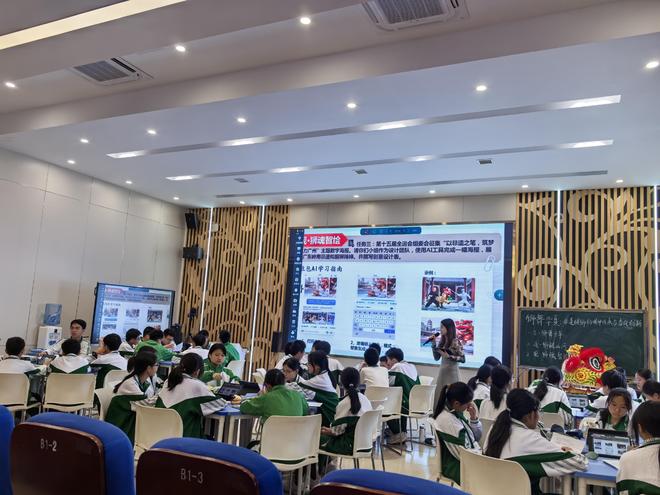
南都讯 在广州海珠区的校园里,人工智能不再只是前沿科技概念,而是化身为课堂上的"智能学伴"、 教师手中的"数据导航"、校园管理的"智慧中枢",更是连接千年岭南文脉与未来创新人才的桥梁。海珠 区以系统性的规划与扎实的实践,回应时代对教育数字化转型的呼唤,正勾勒出一幅"科技赋能、人文 浸润"的智慧教育新画卷。 课程贯通是基础,海珠区实现人工智能教育在1至8年级的全覆盖,通过构建"AI通识+学科应用"的双轨 课程框架;文化融合是特色,根植于深厚的岭南文化底蕴,海珠区正着力开发10个以上"AI+非遗"等本 土文化主题课程,打造"科技+人文"特色品牌;教学创新是关键,2027年前实现生成式人工智能 (GAI)工具在80%以上学校常态化应用,从根本上改变传统教学的面貌,激发课堂新活力;素养提升 是根本,海珠区建立科学、动态的学生人工智能素养评价体系,促进学生全面发展。 尤为引人注目的是,近期,海珠区在省级教研活动中系统展示了"海珠区课堂教学评价指数模型"(即 AI课堂CT智能扫描仪),推动课堂从"经验观察"迈向"基于证据的精准教研",为区域教育数字化提供 了可复制的"海珠样本"。 AI深度融入"五育并举",教学成效数据说 ...

政策红包砸向教育!板块直线拉升,中公教育涨停,职教赛道迎风口
Jin Rong Jie· 2025-12-10 06:57
Core Insights - The A-share education sector has experienced a significant surge, becoming a key highlight in the consumer services sector, characterized by a "leading stocks rallying and multiple points blooming" active pattern [1] - The vocational education market is projected to exceed 1 trillion yuan, with policies driving industry expansion, supported by a robust compound annual growth rate of 15.3% from 2025 to 2030 [1][2] - The demand for public service training has surged, with a notable increase of 400,000 applicants for civil service exams, indicating a clear trend towards "public service fever" [2] Group 1: Vocational Education - The vocational education market is expected to grow to approximately 1.12 trillion yuan by 2025, with an online vocational education market projected to reach 780 billion yuan and a user base exceeding 320 million [1][2] - The "1+X" certificate system is being fully promoted, establishing vocational education as equally important as general education, providing solid policy support for industry development [1] - The vocational skills certification market is anticipated to exceed 30 billion yuan by 2025, with the "1+X" certificate system covering over 50% of vocational skill areas [3] Group 2: Private Higher Education - Private higher education institutions are becoming the main providers of new higher education demand as public universities reduce expansion efforts, with policies encouraging compliance in private education development [2][3] - The flexibility in program offerings and depth of industry-education integration positions private colleges favorably, with potential for increased enrollment and tuition pricing [3] Group 3: Education Information Technology - The education information technology sector is benefiting from technological advancements, with 5G and AI driving the intelligent upgrade of online vocational education platforms [3] - Investment in education information technology is expected to account for 18% of total vocational education expenditure by 2025, indicating a growing trend towards digital transformation in education [3] - Companies like All-in Education and Dou Shen Education are well-positioned to benefit from the digitalization of education, particularly in personalized learning scenarios [3]

通讯:探访煤炭大市鄂尔多斯的教育逆袭密码
Zhong Guo Xin Wen Wang· 2025-11-22 09:41
Core Insights - The article highlights the significant educational advancements in Ordos City, particularly in the Kangbashi District, where 75% of the fiscal revenue is allocated to education, leading to a total investment of 3.646 billion yuan during the 14th Five-Year Plan period [1][5] - Kangbashi District has achieved a high-quality education development index, ranking second nationally, and has been recognized as a model for balanced education development [7][8] Education Investment - Over the past five years, Kangbashi District has invested 3.646 billion yuan in education, which has been termed the "Kangbashi phenomenon" in the education sector [1][5] - The district has established six educational groups to enhance the group-based schooling model, resulting in improved educational outcomes across newly built schools and previously underperforming institutions [5][8] Teacher Qualifications - The current teaching staff in Kangbashi District boasts a high level of education, with 98.55% holding a bachelor's degree or higher, and 20.3% possessing a master's degree [3] - The district has seen a significant influx of graduates from top-tier universities, with 37.72% of teachers coming from "Double First-Class" institutions [3] Educational Achievements - In 2024, Kangbashi District was recognized as one of the first regions in Inner Mongolia to achieve quality balanced development in compulsory education [7] - The district has hosted multiple national education conferences, receiving positive feedback from education officials [5] Community Engagement - The local community places a high value on education, with a notable portion of the population being students or parents of students, indicating strong community support for educational initiatives [8] - The district's educational reforms have led to a balanced development across various schools, ensuring that all institutions maintain a high standard of education [8] Vocational Education - Ordos City has made strides in vocational education, adding 50 new programs and implementing a "2+2+2" model for integrated training, which has resulted in approximately 2,000 students being trained annually through school-enterprise cooperation [9] - The city has also established partnerships with universities to enhance higher education offerings, including the establishment of research institutes [9]

教育部最新公示!南京2所学校入选
Yang Zi Wan Bao Wang· 2025-11-11 13:15
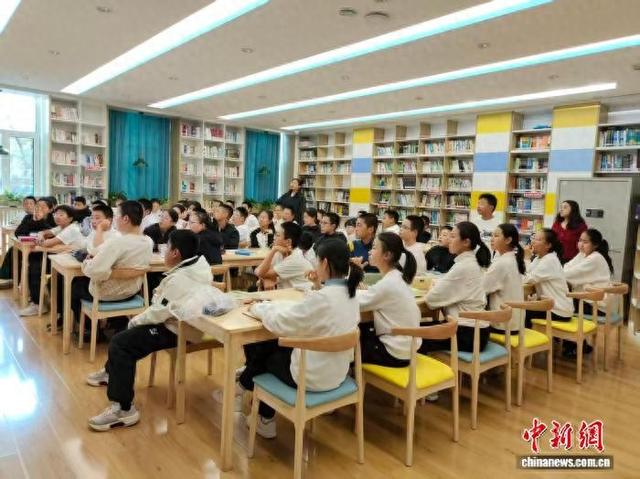
Core Insights - The Ministry of Education has announced the second batch of primary and secondary school artificial intelligence education bases, with Nanjing being the only city in the province to have two schools selected, bringing the total to three schools in Nanjing, the highest in the province [1] Group 1: Nanjing Schools Selected - Nanjing Keliwa Middle School has established the "Keliwa AI Wisdom Institute," focusing on a comprehensive AI education approach that covers all students, subjects, and aspects of campus life [3] - Nanjing Deaf School, founded in 1927, has integrated AI into its teaching, creating a "least restricted" educational environment for hearing-impaired students, and has developed a three-tier AI curriculum system [6] - Nanjing Jinling Experimental Primary School was recognized as the first city-level innovative education base focusing on AI education in 2019 and was later designated as a national AI education base in February 2024 [8] Group 2: AI Curriculum and Teacher Development - Nanjing Keliwa Middle School has developed a diverse AI curriculum system that includes popularization, integration, and innovation courses to enhance students' AI literacy [3] - Nanjing Deaf School has formed a digital learning team to promote teacher professional growth and has achieved notable success in digital literacy competitions [6] - Nanjing Jinling Experimental Primary School has implemented innovative practices in AI course offerings and teacher training to foster a new learning model for children [8] Group 3: Educational Innovation and Impact - Nanjing Keliwa Middle School aims to create a new ecosystem for intelligent education by integrating AI into all aspects of teaching and management [3] - Nanjing Deaf School's AI-driven approach has provided a reference model for the digital transformation of special education institutions [6] - The initiatives taken by Nanjing Jinling Experimental Primary School reflect a commitment to nurturing innovative talents equipped for the digital age [8]
华为擎云亮相第86届教装展:以“双核心”构建教育新基建
Huan Qiu Wang· 2025-10-24 08:28
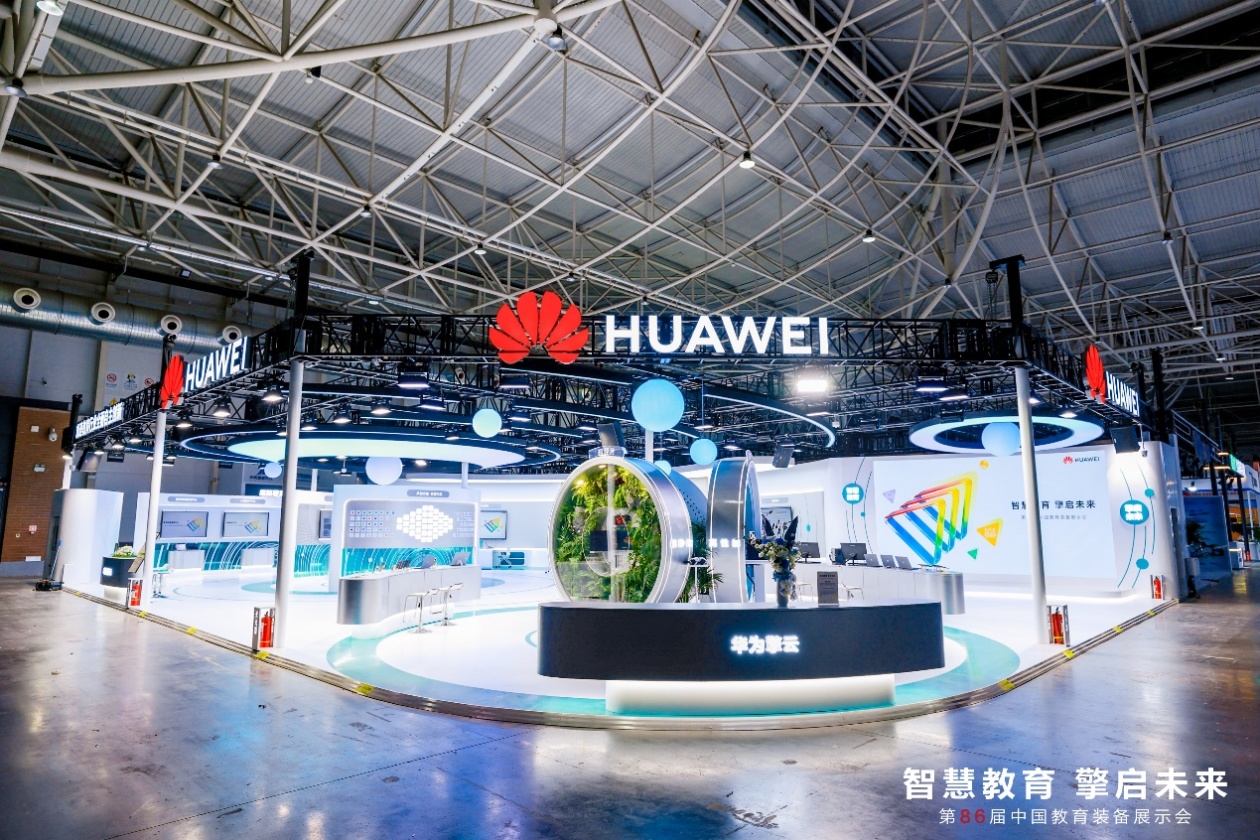
Core Insights - The 86th China Educational Equipment Exhibition, the largest in the domestic education sector, is themed "Artificial Intelligence Leading High-Quality Development of Educational Equipment" and showcases leading companies and innovative results in the education equipment field [1] - Huawei's commercial terminal brand, Huawei Qingyun, presents its smart education solutions and self-innovated terminals, emphasizing "true autonomy and controllability" and "easy deployment and management" as key advantages to drive high-quality development in the education sector [1][21] Digital Transformation Challenges - The integration of AI and big data into education has led to a digital transformation that is essential for high-quality development, but it also reveals pain points such as data security risks and fairness in examination processes [2][4] - The widespread use of digital terminals in schools has increased the volume of teaching data and student information, raising concerns about data breaches and the integrity of examination processes [2][6] Technical and Management Efficiency Issues - Many schools face challenges with complex deployment and management of educational equipment, which increases the workload for teachers and IT staff, potentially affecting teaching quality [6][12] - The need for lightweight and efficient solutions that cater to different teaching scenarios is critical for the digital transformation of education [6][12] Huawei Qingyun's Solutions - Huawei Qingyun focuses on core teaching scenarios to ensure the security of educational digital assets and fairness in teaching through its smart education solutions [7][12] - The "Qingyun Smart Education - Computer Classroom" utilizes self-innovated desktop computers certified for information security, supporting over 50 teaching tools and enabling centralized management to prevent unauthorized software installations [7][12] - In examination scenarios, the "Qingyun Smart Education - Examination Room" employs multiple security measures, including biometric sign-in and network denial, to eliminate cheating risks and ensure fair grading [9][12] Value Proposition of Huawei Qingyun - Huawei Qingyun's solutions safeguard essential digital assets, including vast amounts of student data and valuable teaching resources, establishing a "trust baseline" for stakeholders in the education sector [12][18] - The emphasis on "easy deployment and management" addresses the tactical concerns of teachers and students, allowing them to focus on teaching rather than technical complexities [12][18] - The "Qingyun Smart Education - Smart Classroom" and "AI Learning Machine" highlight the importance of lightweight and controllable solutions that enhance learning environments while preventing distractions [13][15] Future Outlook - The exhibition serves as a platform for Huawei Qingyun to demonstrate its commitment to driving digital transformation in education, with a focus on continuous innovation and the establishment of a new infrastructure standard for education [21] - Huawei Qingyun aims to integrate "true autonomy and controllability" with "easy deployment and management" to support the high-quality development of the education sector in China [21]
教育数字人正在接管讲台,但真正的挑战才刚开始
3 6 Ke· 2025-10-22 08:27
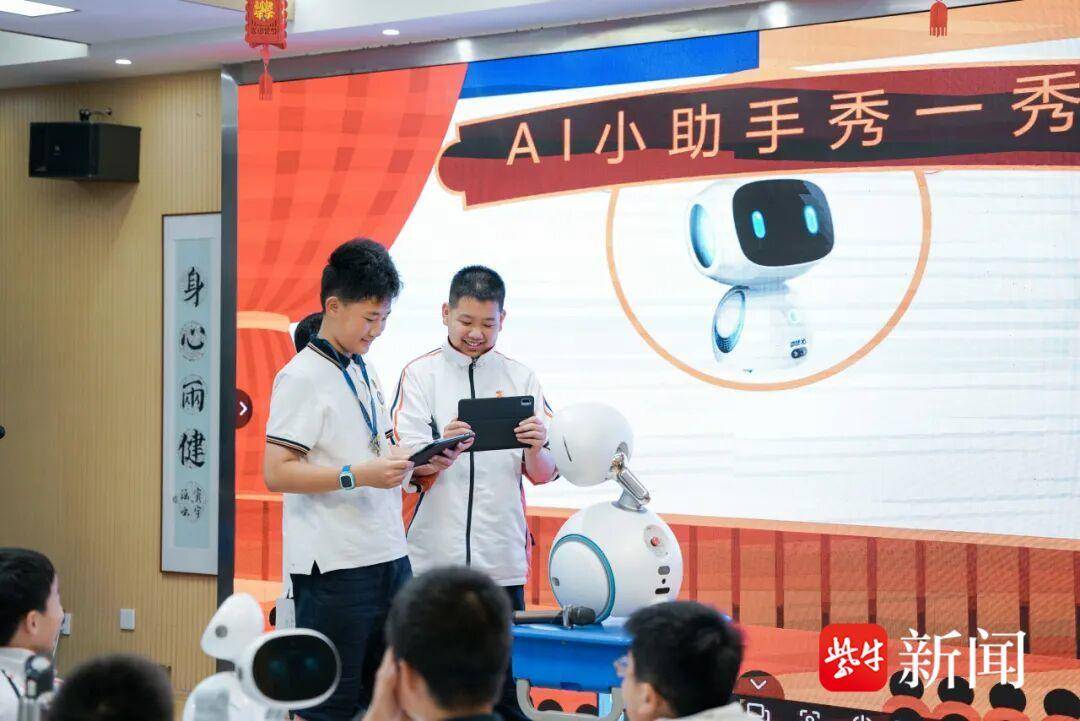
Core Insights - The emergence of digital educators, such as "Fan Fan," signifies a structural transformation in the education sector, moving from entertainment applications to genuine teaching roles [1][2] - The evolution of educational digital humans from mere content delivery tools to cognitive teaching assistants highlights the integration of advanced technologies [2][4] - The implementation of digital educators in various educational settings reveals both their potential benefits and the challenges they face in real-world applications [4][5] Group 1: Evolution of Educational Digital Humans - Initially, educational digital humans served as video production tools, primarily replacing human teachers for standardized content delivery [2] - With advancements in generative AI and multimodal perception, digital humans have developed teaching comprehension capabilities, allowing for real-time interaction and personalized feedback [2][4] - This transition positions digital humans as cognitive teaching assistants, actively participating in the entire teaching process [2] Group 2: Practical Applications and Feedback - Digital humans are being utilized in vocational education for tasks such as answering questions and course reviews, allowing human teachers to focus on deeper engagement with students [4][5] - In fields like medicine and engineering, digital humans enhance experimental teaching through three-dimensional visual aids, improving student understanding and classroom efficiency [4] - In basic education, digital humans are generating micro-courses and personalized explanations, particularly in areas with unequal educational resources, showing potential for enhancing educational equity [5] Group 3: Challenges and Ethical Considerations - The reliance on digital humans raises concerns about the accuracy of content generation and the potential for students to become overly dependent on them, diminishing interaction with real teachers [5][6] - The anthropomorphism of digital educators can lead to misplaced authority, as students may attribute teacher-like credibility to them despite their lack of accountability [6][7] - The absence of standardized protocols for data collection and processing in the use of digital humans poses risks to student rights and privacy [6][9] Group 4: Institutional Framework and Future Directions - The rapid development of educational digital humans outpaces the establishment of industry standards and policies, creating fragmentation and potential risks [9][10] - There is an urgent need for national-level initiatives to create a comprehensive framework for educational digital humans, covering aspects like capability grading and ethical boundaries [9] - Future competition in the field will hinge on system integration capabilities and educational outcomes rather than superficial attributes [10][11]

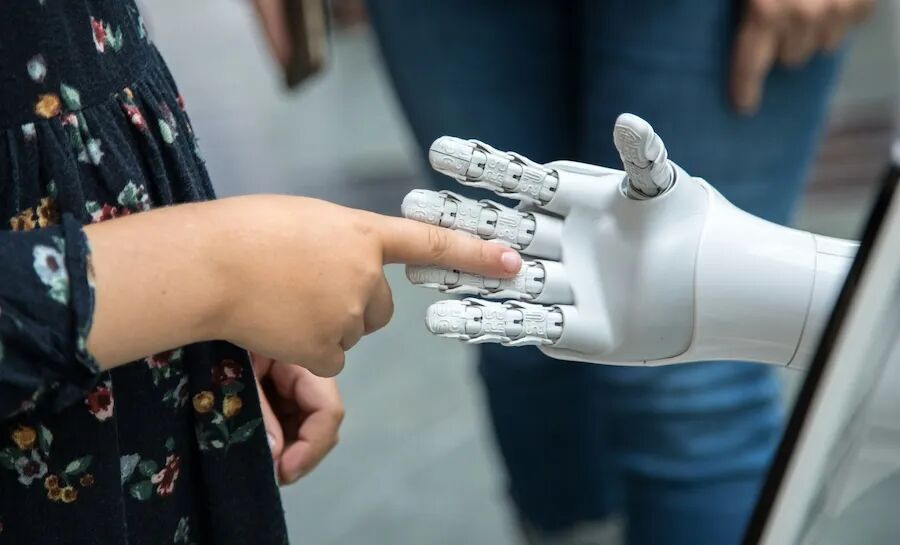
破局作业批改困局 AI赋能精准教学迈入新阶段
Huan Qiu Wang Zi Xun· 2025-10-21 04:23
Core Insights - The article discusses the development and implementation of a fault diagnosis label system for high school mathematics, aimed at addressing long-standing challenges in educational assessment and personalized learning [1][3]. Group 1: Educational Challenges - Traditional assignment grading is burdensome for teachers and often only provides binary feedback, failing to uncover the cognitive roots of errors [1]. - Students struggle with understanding the reasons behind their mistakes due to a lack of specific feedback, leading to a superficial understanding of concepts [1]. Group 2: System Development and Application - The fault diagnosis label system is a pioneering approach that transforms daily teaching data into analyzable "fault" dimensions, supporting teaching optimization and personalized learning [3]. - The system is based on national curriculum standards and has been systematically constructed to efficiently identify errors and evaluate complex cognitive tasks [3][4]. Group 3: Empirical Evidence and Effectiveness - The system has been validated through extensive empirical research, analyzing data from 20 million student responses across 200 schools and 3,000 teachers [4]. - Third-party evaluations show a machine grading accuracy of 97% and a 96% consistency rate in fault diagnosis between human and machine assessments [4]. Group 4: Innovative Educational Solutions - The fault diagnosis label system has been integrated into the "Spark Intelligent Grading Machine," which offers rapid feedback and precise diagnostics for various educational scenarios [5]. - This innovation not only upgrades grading tools but also transforms teaching methodologies, facilitating a shift from a one-size-fits-all approach to personalized education [5].
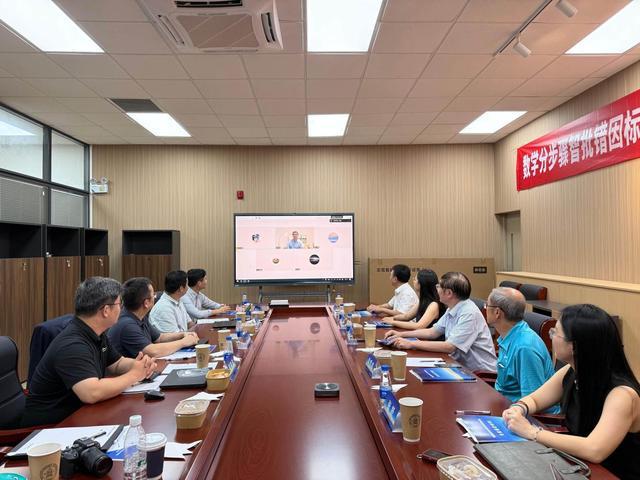
湖南沅陵:千余名教师竞逐AI教育创新,绘就县域教育数字化新图景
Huan Qiu Wang Zi Xun· 2025-09-30 04:59
Core Insights - The event highlighted the successful implementation of an AI education application competition for teachers in Yuanling County, which attracted 1,462 participants and resulted in 539 awarded projects, benefiting over 50,000 students [1][2] Group 1: Competition Overview - The competition included two main categories: Information Literacy Competition focusing on AI teaching skills and Application Case Competition emphasizing practical innovation [1] - The event aimed to create a replicable model for digital transformation in education, termed the "Yuanling Model" [1] Group 2: Teacher Training Initiatives - A teacher training program will commence in December 2024, starting with 70 key information technology teachers, followed by a second phase in March 2025 involving over 1,300 teachers across all subjects [1] - The training will cover practical skills such as intelligent lesson preparation, virtual experiment design, and AI learning analysis, transitioning teachers from users of technology to innovators in education [1] Group 3: Impact and Future Plans - The AI teaching cases developed by trained teachers have already been implemented in 60 schools within the county, establishing a digital education framework [2][4] - The county plans to continue enhancing digital transformation in education, improving teachers' information literacy and teaching quality, and creating a unique AI education ecosystem [5]
全球海事创新的“中国智慧”:法律与科技双轮驱动
第一财经· 2025-09-25 03:07
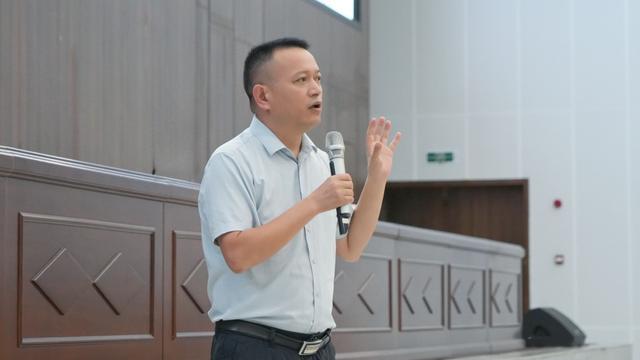
Core Viewpoint - The article emphasizes the need for legal and institutional innovation in the maritime sector to address challenges posed by geopolitical shifts, artificial intelligence, and carbon neutrality, with China actively contributing to the development of maritime arbitration and legal technology [1][3]. Maritime Arbitration Innovation - The Shanghai Maritime University is advancing arbitration system innovation through a dual-track approach of institutional and technological innovation, focusing on maritime arbitration and smart arbitration platform development [4][6]. - A team at Shanghai Maritime University is working on arbitration system innovation, leveraging local legislative powers, industry ecosystem, and talent cultivation to enhance judicial applications in maritime arbitration [6][5]. - The integration of artificial intelligence in arbitration processes is being explored, with collaborations aimed at creating an intelligent arbitration assistant to improve efficiency and facilitate system innovation [6][5]. Legislative Development - The article discusses the need for legislative reforms in maritime law, particularly the revision of the Maritime Code and the Special Procedures for Maritime Litigation, to align with the evolving maritime industry [8][9]. - Initial discussions on revising the Maritime Code have taken place, with a focus on incorporating industry insights and adapting to contemporary maritime practices [9][10]. - The establishment of a comprehensive Shipping Law is deemed necessary to provide a legal framework for international maritime trade, reflecting China's growing maritime influence [9][10]. Digital Transformation in Education - The "Cloud Maritime University" initiative represents a significant step in maritime education reform, aiming to integrate digital technology into teaching and research, and to extend maritime education internationally [13][14]. - The university's digital infrastructure is designed to facilitate data governance and enhance educational outcomes, promoting continuous interaction between students and faculty [14][13]. - The initiative aims to create a platform for lifelong learning and interaction, distinguishing it from traditional educational models [14].

产教深度融合启新程 数字商业共绘职教蓝图
Xin Hua Ri Bao· 2025-09-22 07:05
Core Viewpoint - The conference emphasized the importance of integrating vocational education with industry development, particularly in the context of digital transformation in education [1] Group 1: Conference Highlights - The event was hosted by the National Digital Business Industry-Education Integration Community and focused on new models of industry-education integration in the digital business sector [1] - Experts discussed the need to shift from superficial connections to a restructured mechanism for industry-education integration, advocating for joint standard-setting, resource sharing, and collaborative innovation [1] - The conference showcased case studies that provided replicable and promotable practices for industry-education integration [1] Group 2: Educational Standards and Development - The release of three standardization projects, including international professional teaching standards and curriculum, marked a significant step towards standardization and internationalization in digital business education [1] - The conference highlighted the role of vocational education in supporting national strategies and enhancing talent cultivation quality to bolster the digital economy and regional industrial upgrades [1] - The event demonstrated the "Jiangsu practice" of industry-education integration and explored new pathways for high-quality development of vocational education in the context of building a strong educational nation [1]