文明对话

Search documents
专访丨在文明对话中携手走向未来——访法国国民议会前第一副议长博纳尔
Xin Hua Wang· 2025-07-12 07:20
Group 1 - The core viewpoint emphasizes the importance of dialogue between civilizations, with China providing valuable proposals for global peace and development, particularly through initiatives like the Global Civilization Initiative and the Belt and Road Initiative [1][2] - The historical and philosophical depth of both France and China is highlighted as a foundation for collaboration in addressing global challenges, showcasing the unique cultural styles that contribute to a harmonious coexistence [2] - The rapid technological advancements in China, especially in green development and the electric vehicle industry, are noted as beneficial references for France's industrial ecological transformation [2] Group 2 - The role of media in facilitating civilizational interaction is underscored, with a call for new communication methods to effectively share diverse cultural narratives [3] - The significance of maintaining strong bilateral relations between the EU and China is stressed, particularly in trade, environmental protection, and cultural exchanges, which are essential for mutual benefit [3]
专访丨文明对话是化解危机的“金钥匙”——访伊拉克库尔德斯坦共产党前总书记卡瓦·马哈茂德
Xin Hua Wang· 2025-07-11 13:12
Group 1 - The global civilization dialogue ministerial meeting successfully held is a significant practice of the global civilization initiative, promoting the exchange and mutual learning of world civilizations and human progress [1][2] - The development of civilization has historically been an open and inclusive process, where dialogue is essential for eliminating misunderstandings and overcoming barriers between different civilizations [1] - The current complex global situation, characterized by regional conflicts, poses a challenge to global stability and peace, with some countries promoting isolationism and the theory of civilization conflict [1] Group 2 - The global civilization initiative emphasizes the common attributes of civilization, advocating for mutual respect and exchange among different civilizations, and highlights the importance of dialogue and cooperation in resolving conflicts [1] - China has historically been a practitioner of civilization dialogue and mutual learning, serving as a bridge for cultural exchange between the East and West [2] - The theme of the global civilization dialogue ministerial meeting is "Maintaining Human Civilization Diversity and Promoting World Peace and Development," with over 600 attendees from around 140 countries and regions [2]
专访|希腊前总统畅谈“文明的对话”
Xin Hua Wang· 2025-07-11 13:12
Core Viewpoint - The former Greek President Prokopis Pavlopoulos emphasizes the importance of cultural dialogue between Greece and China, highlighting China's role in promoting mutual understanding and cooperation among civilizations [1][2]. Group 1: Cultural Relations - The relationship between Greece and China is likened to a flourishing tree, with its roots in both economic and cultural ties [1]. - The deepening of bilateral relations is attributed to the cultural connections established over many years, which transcend differences in social systems, history, and geography [1]. - The shared values of humanism and the concept of a peaceful and just society form the moral foundation of Greece-China cooperation [1]. Group 2: Institutionalization of Dialogue - The mutual visits of the leaders of Greece and China in 2019 marked a significant milestone in institutionalizing cultural dialogue between the two nations [2]. - Pavlopoulos firmly opposes the notion of "civilizational conflict," arguing that it is a narrative amplified by geopolitical forces to create a false atmosphere of global civilizational conflict [2]. - He advocates for continued dialogue based on civilization, which he believes will benefit not only Greece and China but all of humanity [2].
朱锋:变乱交织的世界更需要文明对话
Huan Qiu Wang· 2025-07-09 22:47
Group 1 - The year 2025 holds significant strategic importance in world history, marking the 80th anniversaries of the end of World War II, the victory of the Chinese people in the War of Resistance, and the founding of the United Nations [1] - The current international situation is characterized by unprecedented fragility and turmoil, with ongoing conflicts such as the Russia-Ukraine war and the Israel-Hamas conflict posing severe risks to global peace and development [2][3] - The U.S. government is aggressively pursuing trade and tariff wars, with recent legislation accelerating a comprehensive transformation of domestic, economic, and defense policies, leading to increased unilateralism and protectionism [3] Group 2 - The Global Civilization Initiative proposed by President Xi Jinping aims to provide strategic guidance and action plans for navigating the current international turmoil, emphasizing the importance of building a community with a shared future for mankind [4][6] - The initiative promotes respect for the diversity of world civilizations, advocating for equality, mutual learning, dialogue, and inclusivity to transcend civilizational barriers and conflicts [6][7] - It emphasizes the importance of international cultural exchanges and cooperation to foster understanding and friendship among peoples, thereby contributing to the progress of human civilization [7][8] Group 3 - The Global Civilization Initiative has been recognized as a significant aspect of China's foreign policy, promoting peaceful coexistence and respect for diverse cultures while calling for equal dialogue to strengthen the foundation of peace and stability [9][10] - The establishment of an International Day of Civilizational Dialogue on June 10, as proposed by China and over 80 other countries, reflects a global desire to promote civilizational dialogue and human progress [9] - The initiative is seen as a practical and forward-looking approach to enhance global governance and prevent conflicts, advocating for a multipolar world and inclusive economic globalization [10]
新华鲜报 | 感知中华文明!全球文明对话部长级会议嘉宾中国行
Xin Hua She· 2025-07-09 14:02
Core Points - The article highlights the cultural exchange and dialogue facilitated by the Global Civilization Dialogue Ministerial Meeting held in Beijing from July 10 to 11, showcasing China's rich historical and modern cultural heritage [1] Group 1: Cultural Heritage - The visitors experienced ancient Chinese civilization through various cultural sites, including the Liangzhu Museum in Hangzhou, which features artifacts from 5,000 years ago, impressing international guests with the sophistication of ancient Chinese society [2] - The significance of ancient Chinese inventions, such as papermaking and printing, was emphasized, with guests from Madagascar expressing a desire to share their own traditional paper culture as a gesture of cultural exchange [2] Group 2: Artistic Expression - The immersive experience at the Mogao Caves in Dunhuang allowed guests to appreciate Buddhist art, with an Indian expert expressing deep admiration for the historical significance of the artwork [3] - Traditional Chinese music was blended with global music styles during performances in Shanghai, showcasing the power of cultural dialogue and the fusion of different musical traditions [3][4] Group 3: Innovative Cultural Experiences - Guests engaged with modern technology, such as scanning QR codes to view 3D representations of historical sites, enhancing their understanding of Chinese cultural architecture [5] - The article describes various performances and experiences across different regions, including a water dance show in Hangzhou and a culinary experience in Xi'an, illustrating the dynamic and evolving nature of Chinese culture [5]
从农产品贸易到文明共鸣,纳米比亚前总统姆本巴解码中纳经贸新机遇
Di Yi Cai Jing· 2025-07-08 06:51
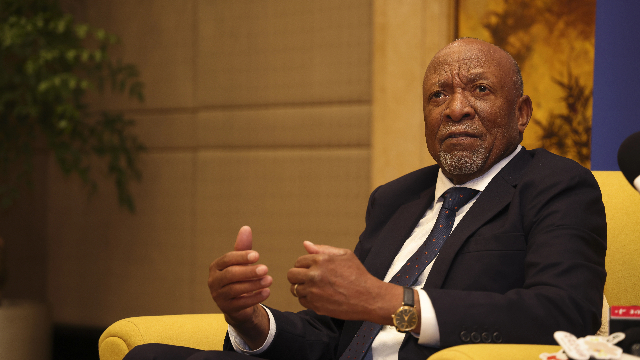
Economic Cooperation - Agriculture and mining are highlighted as the two main areas of economic cooperation between China and Namibia [1][4] - Namibia has a strong livestock sector, with beef production being a significant contributor to its economy, accounting for over half of the agricultural income [3] - Namibia became the first African country approved to export beef to China in 2015, and in September 2024, it was announced that sheep and goat meat from Namibia would also be allowed for import into China [3] Agricultural Highlights - Namibia's favorable climate conditions contribute to high-quality beef production, which is well-received in markets such as the EU and South Africa [3] - The country is looking to expand its agricultural exports to China, with plans to introduce grapes to the Chinese market, taking advantage of the differing harvest seasons [3] Mining Sector - The mining industry is a crucial pillar of Namibia's economy, with significant contributions to the GDP, reaching 14.4% in 2023 [4] - Namibia is the third-largest uranium producer globally, with uranium reserves of approximately 280,000 tons, accounting for over 11% of global production [4] Historical Context - The historical ties between China and Namibia date back to the 1960s, with China providing substantial support during Namibia's struggle for independence [5] - The former president of Namibia, who has a background in education and science, emphasizes the importance of the relationship and ongoing dialogue between the two nations [5][6]


金砖舞台的外交智慧:小罐茶如何用一杯茶连接世界
Zhong Guo Shi Pin Wang· 2025-07-08 04:08
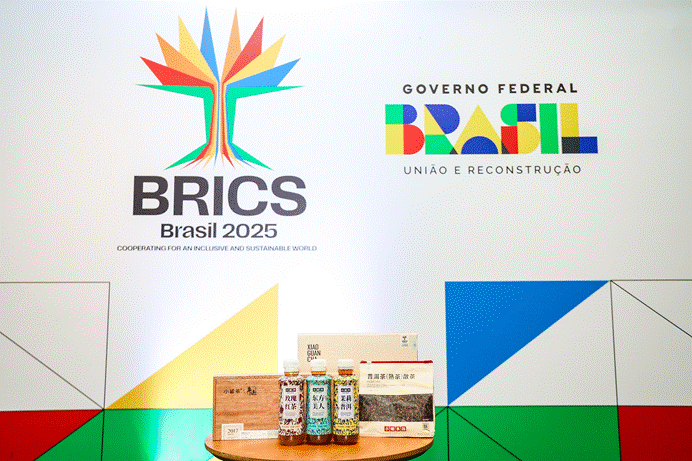
Core Points - The BRICS Summit held in Rio de Janeiro showcased the "Big BRICS" new lineup, emphasizing multilateralism, common development, and global governance [1] - The Chinese tea brand, Xiaoguan Tea, served as the "official designated tea" for the event, representing a significant cultural exchange and exploration of Chinese culture on the global stage [1] Company Highlights - Xiaoguan Tea presented a full range of brands, including high-end Chinese tea, aged tea, and ready-to-drink tea products, demonstrating the ecological diversity of the tea industry [3] - The brand combined traditional tea brewing with modern consumption styles, creating an innovative expression that transcended cultural boundaries and showcased the multifaceted charm of Chinese tea [3][9] - Professional tea artists performed traditional tea ceremonies, allowing international guests to appreciate the aesthetics and cultural significance of Chinese tea [4][9] Cultural Significance - Xiaoguan Tea's brand director emphasized the goal of showcasing Chinese hospitality and innovation through tea culture, aiming to let the world see China through a cup of tea [6] - The unique "Tea Branch Pattern" design, inspired by traditional motifs, served as a fashionable cultural symbol, bridging ancient tea culture with contemporary aesthetics [10][12] - The event facilitated a multidimensional dissemination of Chinese tea culture, allowing guests to experience the depth and modern vitality of this tradition [12]
良渚罗马古城对话 中意人士冀合作共促遗产保护
Zhong Guo Xin Wen Wang· 2025-07-07 01:01
Core Viewpoint - The dialogue event "Liangzhu and the World - Liangzhu Ancient City and Roman Ancient City" emphasizes the importance of cultural heritage protection and the potential for collaboration between China and Italy in this area, particularly in utilizing technology for cultural promotion and enhancing tourism experiences [1][2]. Group 1: Cultural Heritage Significance - Liangzhu Ancient City is highlighted as a testament to over 5,000 years of Chinese civilization, while the Roman Ancient City represents a model for cultural heritage protection in Italy [1]. - Both ancient cities are described as "open-air museums" and "living laboratories" for cultural heritage protection, indicating their value in global cultural dialogue [1]. Group 2: Collaborative Efforts - Italian representatives express a commitment to improving public access to cultural heritage and its benefits through digital means, as well as enhancing infrastructure for cultural heritage protection [2]. - The Liangzhu Museum plans to host various exhibitions, including those focused on Spanish, Greek, and Egyptian civilizations, to promote cultural exchange and mutual understanding [1].
荷兰羊角村共话运河文化
Xin Hua She· 2025-07-04 07:55
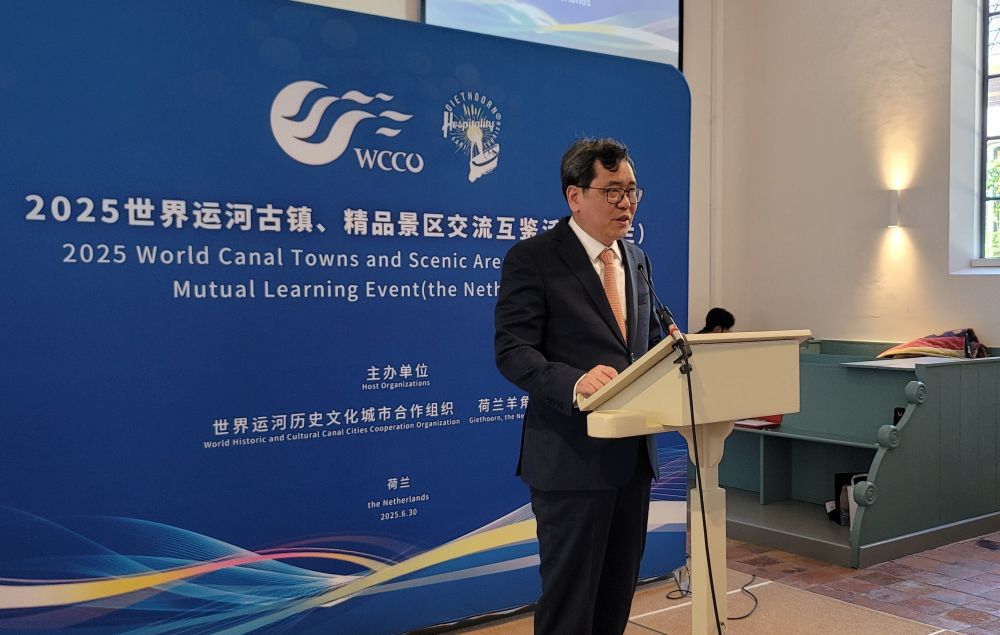
Core Points - The event held in the Netherlands focused on the exchange and mutual learning of canal culture and tourism development among countries including China, the Netherlands, Ireland, and Belgium [2][3] - The Chinese ambassador emphasized the importance of water as a bridge for cultural dialogue and human exchange, highlighting the innovative spirit in water resource management across different countries [2][3] - The event resulted in multiple cooperation agreements among representatives from various media and tourism sectors, aiming to enhance international communication of canal culture [11][12] Group 1: Event Overview - The 2025 World Canal Town and Boutique Scenic Area Exchange and Mutual Learning event took place in the Netherlands, attracting around 60 representatives from various sectors [2] - The event was co-hosted by the World Canal Historical and Cultural City Cooperation Organization (WCCO) and the village of Giethoorn [2] Group 2: Key Speeches - The former Irish Prime Minister highlighted the significance of the Grand Canal in Ireland and its cultural parallels with China's Grand Canal, encouraging European visitors to experience it [5] - WCCO Vice Chairman discussed the challenges faced by global canal cities, including climate change and tourism transformation, and noted the innovative practices in water resource management in Giethoorn [7] - An expert advisor from the International Organization for Inland Waterways emphasized sustainable tourism development through innovative visitor experiences in Giethoorn [8] Group 3: Cooperation and Agreements - The event led to the signing of cooperation agreements among media representatives and tourism sectors, focusing on international communication and collaboration [11][12] - The 2026 World Canal Town Cooperation Mechanism rotating chair unit was selected, with Beijing Tongzhou Huixian Town Yulin Village designated as the host for the 2026 conference [13]
陕西兵马俑亮相澳大利亚
Ren Min Ri Bao Hai Wai Ban· 2025-07-01 01:10
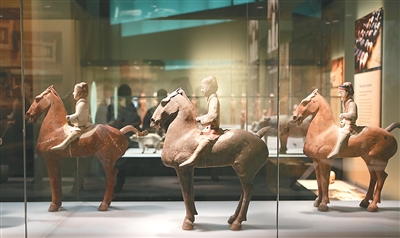
Core Insights - The "Terracotta Warriors - Shaanxi Qin and Han Civilization" exhibition has opened at the Western Australian Museum in Perth, marking the largest museum exhibition in Western Australia in recent years [1] - The exhibition features over a hundred artifacts, including jewelry, utensils, musical instruments, and weapons, along with life-sized terracotta warriors and ornate chariots, utilizing digital technology for an immersive experience [1] - The exhibition is a significant example of cultural cooperation between Australia and China, aimed at enhancing the understanding of Chinese culture among Australians and promoting exchanges in trade and culture [1] Exhibition Details - The exhibition is divided into seven sections, showcasing artifacts from over 2000 years ago [1] - Interactive designs include features such as coloring replicas of terracotta warriors using tablets, digital sand tables, and virtual tombs [1] - The exhibition will run until February 22, 2026 [2] Cultural Significance - The CEO of the Western Australian Museum, Alec Coles, emphasized the exhibition's role in deepening cultural ties and understanding between Australia and China [1] - The Chinese Consul General in Perth, Long Dingbin, stated that the exhibition will strengthen the cultural bond between the two nations and inject new momentum into people-to-people connections [1]