
法治政府建设

Search documents
证券期货监管办法发布:设防火墙厘清边界,快速通道处置紧急风险
2 1 Shi Ji Jing Ji Bao Dao· 2026-01-02 06:16
21世纪经济报道 记者 崔文静 运行超过17年的证券期货市场监管措施程序规范,完成从"试行"到"正式"的关键一跃。 日前,中国证监会正式发布《证券期货市场监督管理措施实施办法》(以下简称《实施办法》),将于2026年6月30日起施行, 2008年发布的试行办法同步废止。 此次《实施办法》的出台,不仅是对原有试行规定的全面升级与固化,更是对监管实践中长期存在的程序模糊地带进行的一次 系统性廓清,核心在于为监管执法行为本身"立规矩"。 《实施办法》共二十五条,以规章形式明确了监管措施的种类、实施原则与全套程序要求。 其中最受市场关注的亮点在于:清晰界定了监管措施与行政处罚的适用关系,为大量"中间地带"执法行为提供了明确的程序指 引;同时,构建了兼顾当事人权利保障与风险处置效率的弹性机制,特别是在应对紧急风险时设置了快速处置通道。这标志着 中国证监会在落实法治政府建设要求、推进监管执法规范化精细化方面迈出实质性一步。 从"试行"到"规章":监管工具箱的法治化升级 监管措施,是区别于行政处罚的另一类重要监管手段,以"责令改正""出具警示函""监管谈话"等为代表,其目的在于及时矫正违 法行为、防范风险扩散,具有更强的纠 ...

泾阳法院 | 同堂培训提能力 多元协作解争议
Xin Lang Cai Jing· 2025-12-30 15:03
Group 1 - The core objective of the training session is to unify standards and enhance efficiency in administrative dispute resolution, focusing on common issues and typical cases in high-frequency administrative dispute areas [2][3] - The training emphasized the importance of administrative litigation, administrative review, and administrative enforcement working in coordination to effectively resolve administrative disputes [3] - The court introduced a "six-step method" for effectively resolving administrative disputes, highlighting the need for strict examination of facts, legal procedures, and applicable laws [2] Group 2 - The meeting called for ongoing communication and collaboration between the court and administrative agencies to enhance the capacity for resolving administrative disputes [3] - Future activities will include regular training sessions and case discussions to promote high-quality development in law enforcement, review, and adjudication [3] - The initiative aims to support the construction of a law-based government and improve the legal business environment, contributing to the high-quality development of the local economy and society [3]

德州“信用审批”模式跑出加速度,入选全国示范
Qi Lu Wan Bao· 2025-12-30 13:59
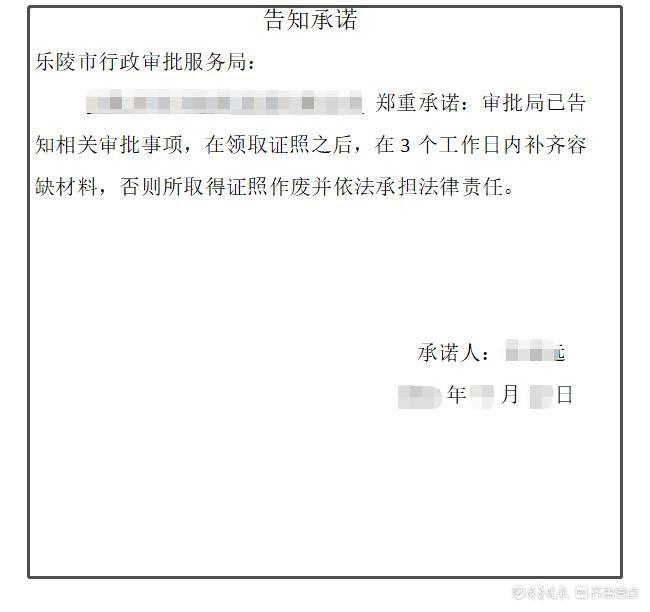
Core Viewpoint - The article highlights the recognition of Dezhou's "Credit + Commitment + Deficiency" reform project as a national model for legal government construction, showcasing the integration of legal governance and credit system development [1] Group 1: Credit Mechanism Innovation - Dezhou has introduced a "credit mechanism" to address the common issue of missing materials in traditional approval processes, allowing for expedited approvals based on the creditworthiness of applicants [2] - The "credit approval" system has facilitated the swift processing of major projects, such as the Dezhou Food Smart Technology Industrial Park, by allowing companies to start construction while committing to submit missing documents later [2][3] Group 2: Batch Processing Service - Dezhou has launched a "bulk processing" service for healthcare institutions, enabling them to register multiple healthcare workers with a single comprehensive commitment letter, significantly reducing paperwork and processing time [3] Group 3: Closed-loop Management - The efficient operation of the "credit approval" model relies on a comprehensive management system that includes pre-approval credit verification, in-process credit checks, and post-approval credit supervision [4][6] - A mechanism has been established to ensure that applicants are aware of their commitments and that their compliance is monitored, enhancing accountability [6] Group 4: Reform Outcomes - Since the implementation of the credit approval reform, Dezhou has expanded the number of credit approval items to 2006, with 1459 materials exempt from submission and 368 materials allowed to be submitted later, resulting in an average reduction of 60% in approval time and 30% in required materials [7] - The reform has benefited approximately 210,000 individuals, establishing a societal consensus that better credit leads to easier approvals [7] Group 5: Future Plans - Dezhou plans to further expand credit application scenarios and enhance data sharing and risk prevention, including cross-regional credit recognition to simplify approval processes [8] - The city aims to collaborate with banks to innovate and share data, thereby enhancing the value of credit [8]
省司法厅交出“十四五”亮眼法治答卷
Xin Lang Cai Jing· 2025-12-26 21:01
Group 1 - The core viewpoint of the news is that Qinghai Province has made significant progress in building a rule of law system, providing a solid legal guarantee and quality legal services for the modernization of the region during the "14th Five-Year Plan" period [1][2][3] Group 2 - The construction of a high-standard rule of law in Qinghai has reached a new level, with a comprehensive legal governance system established, including a "1+4+8+N" work model involving provincial leadership and collaboration among various sectors [1] - Over the past five years, 54 local regulations and rules have been completed, with 24% focused on ecological and environmental protection, reinforcing legal safeguards for the region known as the "Water Tower of China" [1] - The number of administrative review cases accepted in 2024 has increased by 153% year-on-year, with a 73% increase this year, and over 90% of resolved cases did not re-enter litigation [2] - The number of people mediation organizations has exceeded 6,000, with over 140,000 disputes mediated and a success rate of over 99% [2] - Public legal services have been enhanced with over 460 legal service stations established, and legal aid cases exceeding 43,000 during the "14th Five-Year Plan" period [3] - The satisfaction rate for public legal services has reached 92.01%, with significant improvements in the efficiency of notarization processes [3]
完成法治政府建设收官任务
Xin Lang Cai Jing· 2025-12-25 19:23
本报海南讯 (记者 潘玲) 12月24日,记者从海南藏族自治州司法局获悉,2025年,海南州全面落实上 级决策部署,顺利完成《海南州法治政府建设实施方案(2021—2025年)》收官任务,为现代化新海南 建设筑牢法治根基。 海南州风险化解与基层治理成效凸显,行政复议案件办结90件,纠错率11.11%,行政诉讼一审案件少 于行政复议受理数,应诉率100%。四级公共法律服务平台提供法律咨询服务2436人次,调解矛盾纠纷 17688次、案件1690件,涉及金额6814.63万元。同时,监督制约不断强化,评查执法案卷1365卷,办理 人大建议396件、政协提案360件,主动公开政府信息6000余条。推行扫码入企检查,检查次数同比减少 4503次。查办轻微违法不予或免予行政处罚582件,罚没款收入下降35%。 此外,海南州开展法治培训8次,313人通过行政执法资格考试。在全省率先启用"智能开评标舱",群众 办事"零跑腿"覆盖率达97%,医保基金追损挽损1868.25万元。 海南州通过制定法治政府建设工作要点、召开推进会破解实施难题,落实党委(党组)中心组学法等制 度,不断提升领导干部运用法治思维和法治方式化解矛盾、应对 ...
重塑执法体系助力打造营商环境最优省
Xin Lang Cai Jing· 2025-12-25 18:25
转自:法治日报 加快推进法治政府建设 "利用'预约式'指导服务来一次'全面体检',助力我们更好地合规安全经营,我们也觉得挺方便。"宁波 路林水产冷链发展有限公司负责人老李笑着说。 不久前,宁波市江北区孔浦综合行政执法队联合应 急、消防、市场监管、卫健等部门来到路林水产批发市场,针对冷链车间存在的人车不分流、部分消防 设施即将临期、地面防水防滑不到位、排水设置等问题,提供了有效的解决办法。 双向预约、双向奔 赴的形式,对于企业和职能部门来说都提供了便利和专业。宁波市综合行政执法局坚持"管住风险、无 事不扰、有呼必应"原则,全面推行执法服务并重模式,进一步增强企业和群众获得感。 近年来,浙江 坚持民有所呼、我有所应,以行政执法小切口、可感知的发展变化回应民生关切,打造执法服务并重模 式,持续提升食品药品、生态环境、安全生产等关系人民群众切身利益的重点领域执法力度和执法效 能,把服务意识扎根下去、服务理念提升上来,让企业和群众真切感受到严法之外有温情、有服务。 今年,浙江累计提供精准指导服务超2.31万件,协助整改重点隐患超2.83万个,实现涉企检查频次同比 下降67%,问题检出率从6%大幅跃升至35%。 夜幕之下 ...
张勇作为行政机关负责人出庭应诉
Xin Lang Cai Jing· 2025-12-25 15:18
转自:海口发布 12月25日,海口市中级人民法院第九审判庭内,一起行政诉讼案件公开开庭审理。市委副书记、市长张 勇作为行政机关负责人出庭应诉,市、区有关职能部门负责人旁听庭审。 庭审中,合议庭引导各方当事人围绕争议焦点有序举证、质证,充分发表辩论意见,审判长宣布将根据 事实证据及法律规定择期宣判。 行政机关负责人出庭应诉是践行习近平法治思想、推动法治政府建设的重要制度抓手。近年来,海口严 格落实行政机关负责人出庭应诉制度,有力推动"告官能见官、出庭又出声、出声有效果"成为常态,全 市行政机关负责人出庭应诉率连续三年保持100%,推动一批行政争议高效、多元、实质化解。 来源:海口市融媒体中心 记者:严子惟 编辑:王河燕 张勇在最后陈述中表示,行政诉讼是维护公民、法人和其他组织合法权益、监督行政机关依法行政的重 要法治途径。此次出庭应诉,既是支持人民法院依法审理行政案件的具体行动,也是加强和改进市政府 依法行政工作的重要举措。针对本案原告诉求,市政府将会同有关部门与原告加强协商沟通,争取行政 争议实质性化解。如协商不成,市政府也将尊重人民法院依法判决,自觉维护司法权威。 ...
《行政执法监督条例》公布 强化监督乱收费乱罚款等行为
Xin Lang Cai Jing· 2025-12-24 04:23
Core Viewpoint - The newly announced Administrative Law Enforcement Supervision Regulations aim to strengthen and standardize administrative law enforcement supervision, promoting strict, standardized, fair, and civilized law enforcement, thereby enhancing the level of law-based administration and reinforcing the construction of a law-based government [1][2]. Group 1: Overview of the Regulations - The regulations consist of 7 chapters and 44 articles, establishing administrative law enforcement supervision as a fundamental method for coordinating law enforcement work and an important part of the party and state supervision system [1]. - The regulations emphasize the principles of balancing standardization and guidance, prevention and correction, as well as supervision and guarantee, to address issues in administrative law enforcement and improve its quality and effectiveness [1][2]. Group 2: Scope and Methods of Supervision - The regulations clarify the scope of administrative law enforcement supervision, which includes monitoring the implementation of major decision-making deployments by the central government, adherence to various administrative law enforcement systems, and lawful execution of administrative enforcement [2]. - Various methods of supervision are outlined, including daily supervision, key supervision, and special supervision, with specific measures such as designated supervision and elevated supervision for significant issues raised by enterprises and the public [2]. Group 3: Handling and Safeguarding of Supervision - The regulations standardize the handling of issues identified during supervision, allowing for the issuance of administrative law enforcement supervision notices, opinions, or decisions to prompt corrections based on different circumstances [2]. - There is a focus on strengthening the construction of the administrative law enforcement supervision team and enhancing the integration of supervision information through advanced technologies like big data, cloud computing, and artificial intelligence for efficient and real-time monitoring [3].
陕西推动法治政府建设纵深发展
Shan Xi Ri Bao· 2025-12-24 00:42
提升政务服务水平。全面推进政务公开,建成地方性法规、政府规章、行政规范性文件统一公开查 询平台,迭代升级"秦务员""秦政通"平台功能,建设权责清单统一发布平台,上线"高效办成一件事"事 项35个。(记者:陶玉琼 见习记者:李畅) 推进依法科学决策。认真执行《重大行政决策程序暂行条例》,严格公众参与、专家论证、风险评 估等法定程序。制定陕西省党政机关法律顾问工作暂行规定和评价暂行办法,实现县级以上政府法律顾 问全覆盖。组建省政府法律专家库,为重大决策及涉法事务提供法律意见及时率、采用率保持100%。 强化行政权力监督。出台《陕西省行政执法监督条例》,实现行政执法协调监督体系省市县乡四级 全覆盖。深入实施提升行政执法质量三年行动,推动52个省直部门梳理行政执法事项5497项,确定行政 裁量权基准事项7107项。开展规范涉企行政执法专项行动,纠治问题3299个。推行"综合查一次"模式, 全省涉企行政检查同比下降65.2%。严格执行新修订的行政复议法,全省累计办理行政复议案件4.57万 件,纠正违法行政行为6948件。规范行政应诉管理,行政机关负责人出庭应诉率提升到99.45%,行政 案件败诉率持续下降。组织开展旁听 ...
司法部负责人就 《行政执法监督条例》答记者问
Xin Lang Cai Jing· 2025-12-23 22:11
Core Viewpoint - The State Council of China has issued the "Administrative Law Enforcement Supervision Regulations," aimed at enhancing the supervision of administrative law enforcement practices across various government agencies [1] Group 1: Scope of Administrative Law Enforcement Supervision - The regulations stipulate supervision over the implementation of major decisions and policies related to administrative law enforcement by relevant agencies [2] - There is an emphasis on strengthening qualification management and supervision of law enforcement entities and personnel [2] - The regulations also focus on behavioral supervision to address issues such as failure to register cases, bureaucratic delays, and improper enforcement practices [2] Group 2: Methods of Administrative Law Enforcement Supervision - The regulations define supervision methods, including daily, key, and special supervision to ensure comprehensive and ongoing oversight of law enforcement activities [3] - Key supervision will involve targeted oversight of significant enforcement issues that have a major social impact, based on public feedback [3] - Special supervision will be conducted by provincial-level administrative law enforcement supervision bodies on specific issues that affect economic and social development [3] Group 3: Handling of Administrative Law Enforcement Supervision - The regulations standardize handling procedures for issues identified during supervision, including issuing corrective notices and opinions [4] - There is a focus on utilizing the results of administrative law enforcement supervision as a key metric for evaluating the effectiveness of the rule of law in government [4] - Enhanced collaboration between administrative law enforcement supervision and other oversight mechanisms is emphasized to improve overall supervisory effectiveness [4] Group 4: Support for Administrative Law Enforcement Supervision - The regulations call for strengthening the capacity of the administrative law enforcement supervision team, enhancing both political and professional skills [5] - There is a push for the establishment of standardized practices in administrative law enforcement [5] - The regulations highlight the importance of information technology in improving the efficiency and effectiveness of law enforcement supervision through advanced technologies [5]