铭记历史

Search documents
记忆深处 历史永存
Ren Min Ri Bao· 2025-12-11 22:11
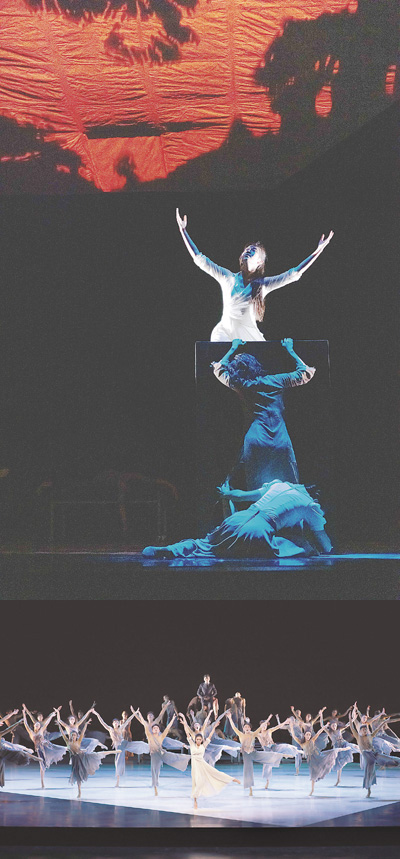
Core Viewpoint - The dance drama "Memory Deep" serves as a poignant artistic expression to commemorate the victims of the Nanjing Massacre, emphasizing the importance of remembering historical atrocities to prevent their recurrence [3][11]. Summary by Sections Historical Context and Creation - The dance drama is inspired by the historical events of the Nanjing Massacre in 1937, highlighting the atrocities committed by Japanese invaders and the efforts of international friends who protected the victims [3][4]. - Zhang Chunru, a key figure in raising awareness about the Nanjing Massacre, published "The Nanjing Massacre" in 1997, which became the first comprehensive English account of the event, significantly impacting global understanding [3][4]. Artistic Expression - "Memory Deep" does not follow a traditional act structure but instead uses the character of Zhang Chunru to interact with historical figures, conveying the emotional weight of the massacre through physical movement and storytelling [4][5]. - The choreography reflects the pain and struggles of various characters, including the "guardians" who tried to protect civilians, the "survivors" who fought back, and the "perpetrators" grappling with guilt [4][5]. International Reception and Impact - The international version of "Memory Deep" premiered in Paris, receiving high acclaim and drawing attention to the Nanjing Massacre, thereby fostering a deeper understanding of this historical tragedy among global audiences [7][9]. - The production aims to convey a universal message of peace and the importance of remembering history, resonating with audiences and prompting reflections on the consequences of war [9][11]. Collaboration and Understanding - The collaboration involved foreign dancers who were educated about the historical context through original diaries and visits to memorial sites, enhancing their performances with a deeper emotional connection to the material [10][11]. - The production emphasizes the need for collective remembrance and the role of art in addressing historical injustices, aiming to build a community that values peace and mutual support [11][12].

铭记历史,吾辈当自强(感言)
Ren Min Ri Bao· 2025-12-11 22:11
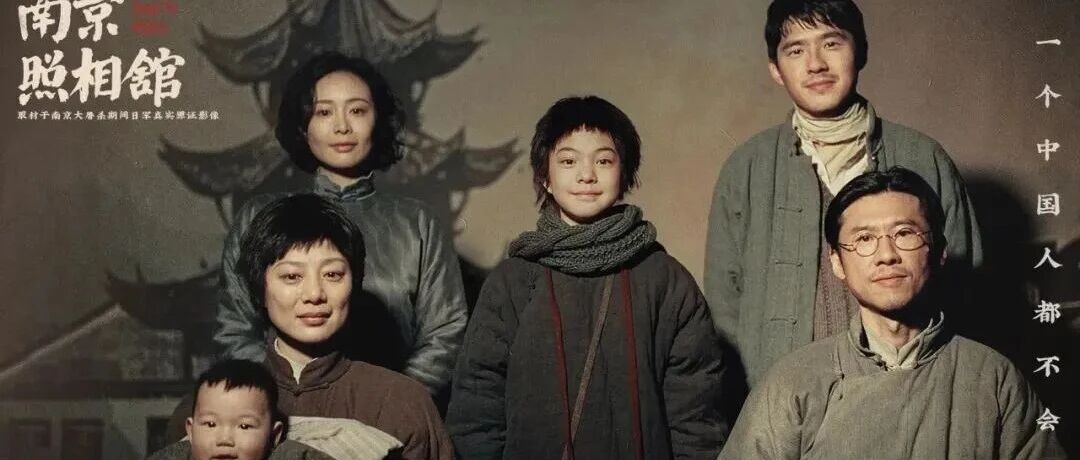
Core Viewpoint - The Nanjing Massacre is a dark chapter in human civilization and a heavy suffering for the Chinese nation, emphasizing the importance of preserving historical truth and honoring the dignity of life to defend human peace [1]. Group 1: Historical Preservation - The Nanjing Massacre Memorial Hall serves as a guardian of memory, focusing on historical truth and the dignity of life rather than perpetuating hatred [1]. - The preservation of artifacts and historical materials is crucial for restoring the truth of history, with efforts to research and narrate anti-war stories to convey historical warnings [1]. Group 2: Film and Historical Reflection - The film "Nanjing Photo Studio" aims to reflect on a real historical period, focusing on ordinary people in Nanjing during the massacre, with a desire for the imagery to possess historical texture and documentary attributes [2]. - The film serves as a reminder to always remember historical pain and cherish current peace, creating a resonance that transcends time [2]. Group 3: Research and Education - Young researchers are committed to enriching historical details through new studies, highlighting the individual stories of those who resisted during the Nanjing Massacre [2]. - There is a call for younger generations to engage with history, understand the struggles of the past, and contribute to a stronger nation through knowledge and skills [3].
在抗日英雄的家乡,历史从未被遗忘
Xin Hua She· 2025-12-06 09:32
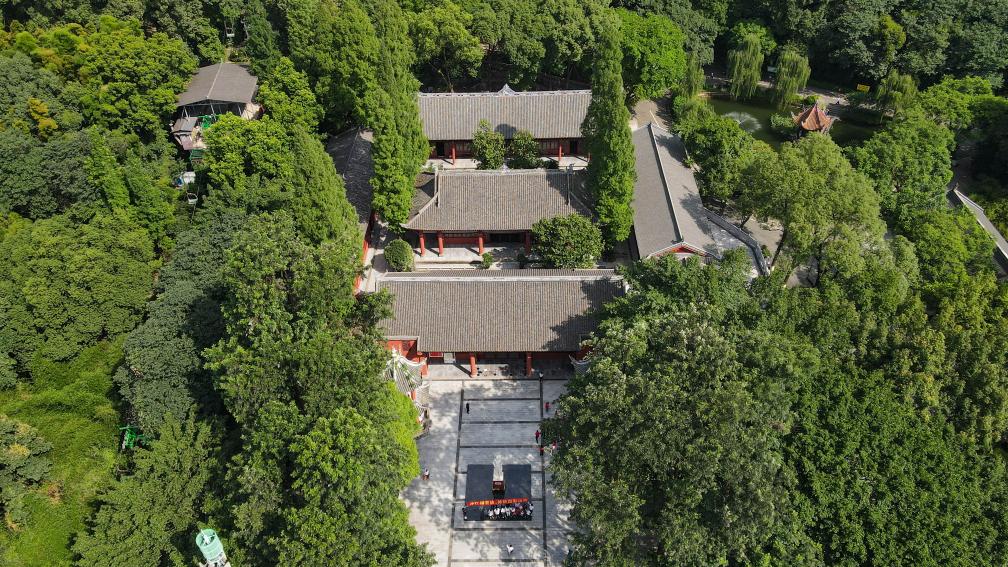
今年是抗日英雄赵一曼诞辰120周年。在她的故乡四川省宜宾市,赵一曼纪念馆参观人数大幅增长,今年以来接待访客近60万人次,较往年翻 倍。 "赵一曼从未真正离开我们。在宜宾,孩子们是听着她的故事长大的。"纪念馆讲解员杨帆说。 纪念馆位于宜宾城区翠屏山,常年绿荫环绕,既是本地居民和外地访客常去的参观场所,也是学生们接受爱国主义教育的课堂。 近年来,为更好讲述赵一曼的故事,纪念馆进行了升级扩容。"最新的展览增加了关于她后代的内容,展示了英雄血脉的传承。"杨帆介绍。 8岁小学生串瑾萱又一次在家人带领下来到纪念馆。她已经记不清这是第几次来了。"每次来都能看懂更多东西。"她指着展墙说,"以前不认 识的字,现在慢慢明白了。赵一曼很勇敢。我为她感到骄傲。" 这是位于四川省宜宾市翠屏山腰的赵一曼纪念馆(资料照片)。新华社记者 胥冰洁 摄 新华社成都12月6日电 题:在抗日英雄的家乡,历史从未被遗忘 王健、吴晓、余里 距离抗日战争胜利已经过去80年,在中国西南长江上游的一座城市,一位出生于此的女烈士,依然活在人们的记忆中。 查阅过档案的杨帆说,日军对赵一曼使用了多种酷刑,包括电击、竹签钉手指、灌辣椒水等,手段极其残忍。 这些被记录 ...
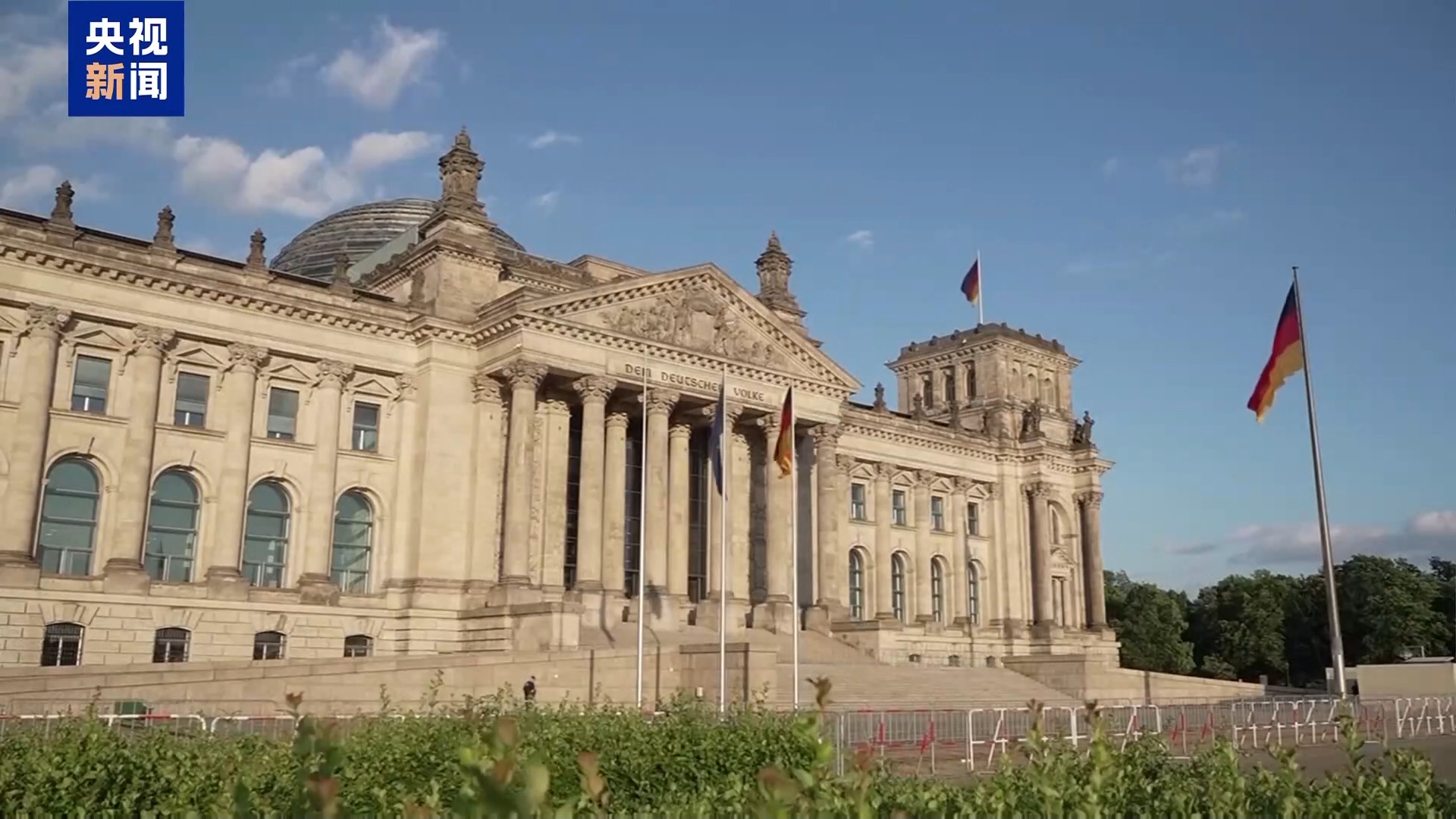
视频丨德国总理:铭记历史、正视过去永无止境
Yang Shi Xin Wen Ke Hu Duan· 2025-12-02 07:19
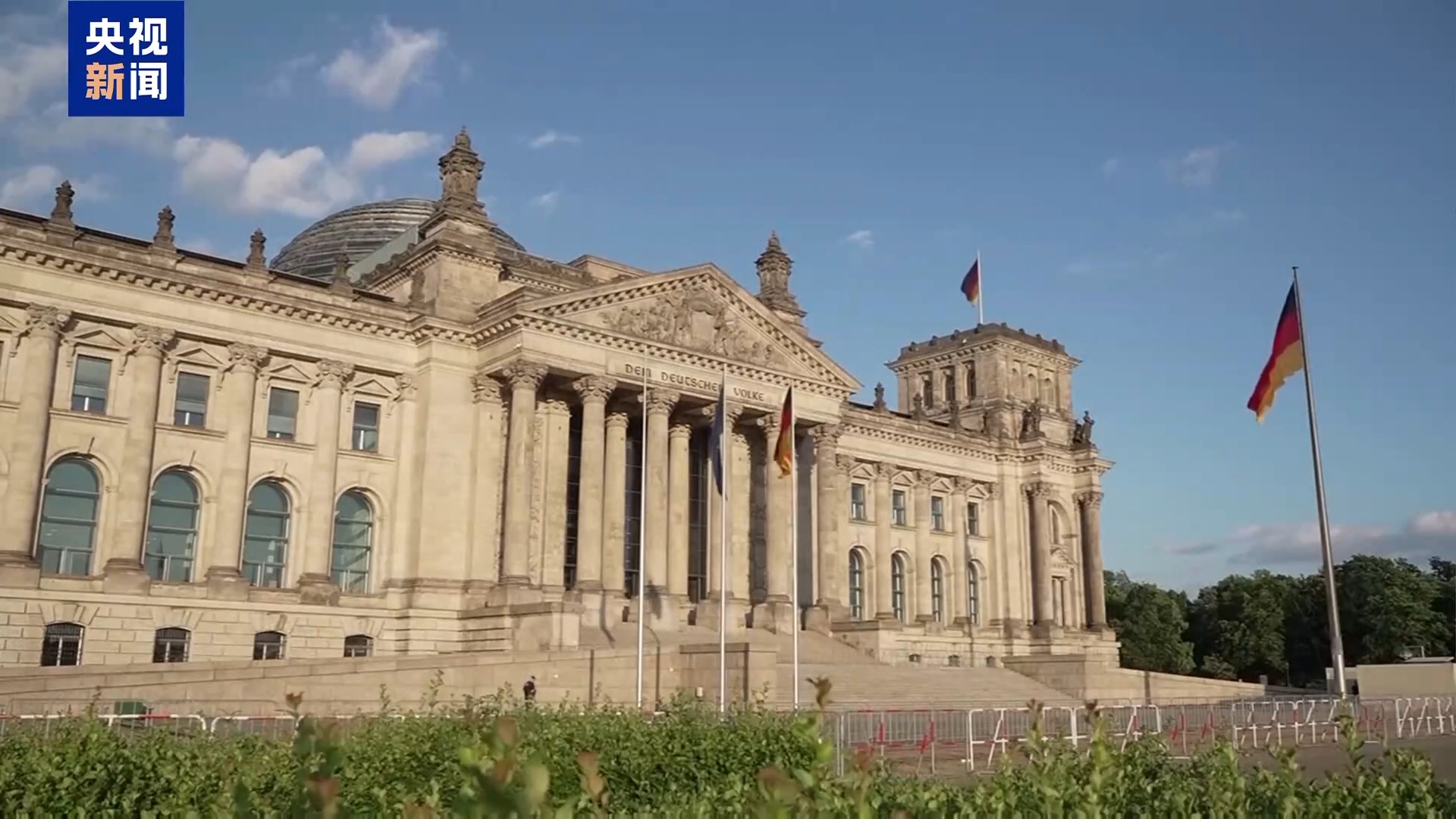
默茨表示,德国过去已向纳粹侵略期间的幸存者提供了约20亿欧元的援助,德国和波兰双方正在探讨德国向波兰人民提供类似人道主义援助的可能性。虽然 他没有透露未来支付的金额,但是默茨称,铭记历史、反思纳粹政权的暴行,对德国而言永无止境,德国也正是本着这种精神与波兰进行对话。 德国总理 默茨:我们谈论的第三个重点是铭记历史,德波议程应当着眼未来,但我们不能也不会忽视历史,我们必须铭记历史,包括那些痛苦的记忆。今 天我们启动了为1939年至1945年间,在纳粹暴政和第二次世界大战中遇难的波兰公民建造永久纪念碑的工程。德方相应的方案征集工作即将开始,我们正在 加快归还波兰文化财产的进程,联邦外交部将成立一个专门的工作组。 相较于日本对二战历史的歪曲、回避态度,德国政府在二战结束后一直敢于正视历史,承认纳粹德国在战争犯下的罪行,并愿意承担相应责任。12月1日, 德国总理默茨在首都柏林会见到访的波兰总理图斯克后表示,德国将永远铭记在二战期间纳粹德国对波兰造成的伤害,未来德国和波兰之间的关系除了专注 安全防务和基础设施建设以外,铭记历史也是重要的内容。默茨表示,铭记历史、正视过去,永无止境。 德国总理 默茨:首先我想谈谈赔偿问题 ...
德国总理:铭记历史、正视过去永无止境
Yang Shi Xin Wen· 2025-12-02 06:10
默茨表示,德国过去已向纳粹侵略期间的幸存者提供了约20亿欧元的援助,德国和波兰双方正在探讨德国向波兰人民提供类似人道主义援助的可能性。 虽然他没有透露未来支付的金额,但是默茨称,铭记历史、反思纳粹政权的暴行,对德国而言永无止境,德国也正是本着这种精神与波兰进行对话。 相较于日本对二战历史的歪曲、回避态度,德国政府在二战结束后一直敢于正视历史,承认纳粹德国在战争犯下的罪行,并愿意承担相应责任。12月1 日,德国总理默茨在首都柏林会见到访的波兰总理图斯克后表示,德国将永远铭记在二战期间纳粹德国对波兰造成的伤害,未来德国和波兰之间的关系除了 专注安全防务和基础设施建设以外,铭记历史也是重要的内容。默茨表示,铭记历史、正视过去,永无止境。 德国总理 默茨:首先我想谈谈赔偿问题,德国政府对此的立场众所周知,历届德国政府也始终坚持这一立场。从德国的角度来看,赔偿问题在法律和 政治层面早已解决,然而我们也清楚地认识到,对我们而言,铭记历史,正视过去永无止境。德国始终恪守其历史责任,我们也在与波兰政府就这些问题进 行磋商。 0:00 / 1:53 德国总理 默茨:我们谈论的第三个重点是铭记历史,德波议程应当着眼未来,但我们不 ...
通讯|“军国主义曾把人变成杀戮机器”——反映南京大屠杀史实舞剧《记忆深处》在法国巴黎演出侧记
Xin Hua She· 2025-11-24 11:24
Core Viewpoint - The contemporary dance drama "Memory Deep" reflecting the historical facts of the Nanjing Massacre was performed in Paris, emphasizing the importance of remembering history and its relevance to today's world [1][2][3] Group 1: Performance and Reception - The performance took place from November 21 to 23 in Paris, receiving warm applause from the audience, especially during the tribute to international friends who protected Nanjing citizens during the invasion [1] - The lead actor, Fukuyama Kai, described his role as a Japanese soldier who committed war crimes but later repented, highlighting the heavy significance of the performance [1][2] - Audience reactions varied, with some expressing deep emotional responses and a desire to learn more about the Nanjing Massacre, indicating the educational impact of the performance [2] Group 2: Artistic and Educational Significance - The dance drama is not only about history but also about how contemporary society perceives it, with performers feeling a sense of duty to voice these historical narratives [2] - The production features international actors portraying historical figures from their own countries, creating a connection between past and present [3] - The narrative is driven by the exploration of the truth behind the Nanjing Massacre, aiming to commemorate the victims and promote a message of peace [3]
反映南京大屠杀史实舞剧《记忆深处》在巴黎上演
Xin Hua She· 2025-11-22 08:35
Core Viewpoint - The contemporary Chinese dance drama "Memory Deep" based on the Nanjing Massacre is being performed in Paris, aiming to commemorate the victims and emphasize the importance of remembering history and cherishing peace [1] Summary by Relevant Sections Performance Details - "Memory Deep" is making its European debut at the historic Paris Opera Comique, with performances scheduled for November 22 and 23 [1] - The narrative follows the journey of Chinese-American author Zhang Chunru in uncovering the truth about the Nanjing Massacre [1] Audience Reactions - Audience member Clodina expressed being deeply moved by the portrayal of human tragedy and plans to read more about China's resistance during the war, emphasizing that "history cannot be forgotten" [1] - Another audience member, Fedi, remarked on the horrific actions of the Japanese military during World War II and noted Japan's failure to confront its historical responsibilities, highlighting the importance of art in commemorating history to prevent its repetition [1] Commemorative Elements - The performance included a projection of the names of Nanjing Massacre survivors and portraits of international friends who risked their lives to protect the local population and document the atrocities [1] - Each performer concluded the show by holding candles in remembrance of the victims, creating a poignant silent tribute [1]
铭记历史,夯实和平与团结的基石(国际论坛)
Ren Min Ri Bao· 2025-11-16 22:10
Core Viewpoint - The importance of remembering history as a source of inspiration for future generations and the continuous effort required to build peace [2][3][5] Group 1: Historical Significance - The year marks the 80th anniversary of the victory in the World Anti-Fascist War and the 50th anniversary of diplomatic relations between China and France, emphasizing the need to reaffirm historical truths [2] - China played a crucial role as the main battlefield in the East during the World Anti-Fascist War, with over 35 million casualties and significant contributions to the final victory [2][3] Group 2: Lessons from History - Forgetting history can lead to the resurgence of extremism and new tragedies, highlighting the necessity of remembering the painful lessons of World War II [3] - The victory in the World Anti-Fascist War led to the establishment of the United Nations and a new international order, reflecting a collective will to prevent the repetition of past tragedies [3] Group 3: Education and Youth Engagement - The youth are seen as the bearers of historical memory, and it is a collective responsibility to ensure that this memory is passed on through various educational initiatives [4] - Efforts in museum construction, academic exchanges, and inter-school visits are being emphasized to strengthen historical memory education across borders [4] Group 4: International Relations and Peacebuilding - Acknowledging China's historical position in World War II is essential for honoring the victims and promoting a just international order [5] - The concept of shared historical memory transcends national boundaries, reminding nations of their ability to unite against barbarism and defend peace [5]

中国记者节丨这一次,镜头转向我们自己
Yang Guang Wang· 2025-11-08 06:43
Group 1 - The articles highlight the dedication and passion of journalists in their pursuit of truth and storytelling, emphasizing the importance of their work in society [1][2][3][4][5][6][7][8][9][10][11][12][13][14][15][16][17][18][19][20][21][22][23][24][25][26][27][28][29][30][31][32][33][34][35][36][37] - Various journalists share personal experiences that illustrate the challenges and rewards of their profession, including live reporting, in-depth interviews, and the emotional impact of their stories [2][3][4][5][6][7][8][9][10][11][12][13][14][15][16][17][18][19][20][21][22][23][24][25][26][27][28][29][30][31][32][33][34][35][36][37] - The narratives reflect a commitment to social responsibility, with journalists aiming to drive change and raise awareness about important issues through their reporting [6][10][12][13][14][15][16][17][18][19][20][21][22][23][24][25][26][27][28][29][30][31][32][33][34][35][36][37] Group 2 - The articles emphasize the evolving nature of journalism, with many reporters adapting to new technologies and platforms, such as live streaming and social media [19][20][21][22][23][24][25][26][27][28][29][30][31][32][33][34][35][36][37] - There is a focus on the emotional and human aspects of reporting, showcasing how journalists connect with their subjects and the impact of their stories on audiences [2][3][4][5][6][7][8][9][10][11][12][13][14][15][16][17][18][19][20][21][22][23][24][25][26][27][28][29][30][31][32][33][34][35][36][37] - The importance of storytelling in journalism is highlighted, with many journalists expressing their belief that the most compelling stories often come from everyday experiences and ordinary people [28][29][30][31][32][33][34][35][36][37]

《南京照相馆》在韩国主要城市的200余家影院上映
第一财经· 2025-11-06 05:26
Core Viewpoint - The film "Nanjing Photo Studio," which depicts the Nanjing Massacre, has resonated strongly with audiences in South Korea, highlighting the shared historical pain and the importance of remembering history [3][4]. Company Performance - The film has grossed over 3 billion yuan domestically, becoming the box office champion of the summer season in 2025, and will represent mainland China in the race for the Best International Feature Film at the 98th Academy Awards [5]. - The film's success has significantly boosted the profits of its main production company, China Film (600977.SH), which reported a third-quarter revenue of 1.212 billion yuan, a year-on-year increase of 35.61%, and a net profit of 177 million yuan, a staggering year-on-year increase of 1463.17% [5].