
台独

Search documents
散播“台独”分裂谬论 国家安全部公布3名“水军”身份信息
Yang Shi Xin Wen· 2025-10-09 23:32
王苡儒,男,1985年12月12日生,台湾王氏研创艺术公司负责人,接受林子育指挥,多次向林子育提交 反宣破坏活动方案和报告。 记者从国家安全部了解到,长期以来,民进党当局为推行其"台独"分裂图谋,暗中豢养网络"水军",潜 伏在境内外各类网络社交平台,炮制虚假信息,散播"台独"分裂谬论,蓄意挑起两岸对立对抗、破坏台 海和平稳定。台湾王氏研创艺术公司充当民进党当局爪牙,处心积虑、肆无忌惮对大陆开展反宣破坏活 动。国家安全机关坚决打击"台独"分裂活动,彻查幕后黑手,肃清危害隐患,坚决捍卫国家安全。 撕开"水军"的虚假伪装 国家安全机关工作发现,境内外多个网络社交平台存在一批关联性强的可疑网络"水军"账号,频繁编造 发布虚假信息,散播"台独"分裂谬论,煽动网民对立情绪,呈现内容相似、账号联动、煽动性强等特 征。经国家安全机关调查,相关账号由台湾王氏研创艺术公司管理运营,该公司长期接受台湾军情局指 挥,对大陆开展反宣破坏活动。相关活动的"指挥官"和"操盘手"包括: 林子育,女,化名林晓菲,1989年11月21日生,台湾军情局三处中校情战官,直接指挥台湾王氏研创艺 术公司对大陆开展反宣破坏活动。 ——炮制散播虚假信息。台 ...


国台办正告赖清德及民进党当局 统一必胜,“台独”必亡
Ren Min Ri Bao· 2025-10-09 00:54
[ 责编:徐皓 ] 陈斌华指出,台湾是中国领土的一部分,大陆和台湾同属一个中国,这是不容置疑的历史和法理事实, 也是不容改变的两岸现状。我们珍爱和平,但决不容忍"台独"分裂,决不坐视"台独"势力卖台毁台。我 们有坚定的意志、坚强的决心、强大的能力,粉碎一切"台独"分裂行径和外来干涉,维护国家主权和领 土完整,维护台湾民众的安全和福祉。 他表示,正告赖清德及民进党当局,统一大势不可阻挡,"倚外谋独"注定失败,"以武谋独"加速灭亡。 凡是倚仗外部势力的行径都将自取其辱,凡是背叛民族的罪人都将遭到正义审判,凡是分裂祖国的图谋 都将遭到坚决反制。统一必胜,"台独"必亡。赖清德、"台独"势力不过是撼树蚍蜉,终将被扫入历史的 垃圾堆。 《 人民日报 》( 2025年10月09日 08 版) 本报北京10月8日电 (记者张烁)国台办发言人陈斌华8日就赖清德再度宣扬"新两国论"答记者问。 有记者问:台湾地区领导人赖清德日前接受美国广播节目专访时再度宣扬"两岸互不隶属"的"新两国 论",诬称大陆军事演习破坏"印太"区域和平稳定,鼓噪提高台湾防务预算、与"民主阵营"共同对大陆 发挥"威慑力量"。对此有何评论? 陈斌华指出,赖清德 ...
统一必胜,“台独”必亡
Ren Min Ri Bao· 2025-10-08 22:11
他表示,正告赖清德及民进党当局,统一大势不可阻挡,"倚外谋独"注定失败,"以武谋独"加速灭亡。 凡是倚仗外部势力的行径都将自取其辱,凡是背叛民族的罪人都将遭到正义审判,凡是分裂祖国的图谋 都将遭到坚决反制。统一必胜,"台独"必亡。赖清德、"台独"势力不过是撼树蚍蜉,终将被扫入历史的 垃圾堆。 本报北京10月8日电 (记者张烁)国台办发言人陈斌华8日就赖清德再度宣扬"新两国论"答记者问。 他表示,赖清德上台一年多来,违背岛内主流民意,顽固坚持"台独"立场,大肆宣扬分裂谬论,不断煽 动"反中抗中",持续升高两岸对立对抗、加剧台海紧张局势,穷兵黩武、"备战谋独",把台湾推向兵凶 战危的险境。与此同时,无原则媚外、无底线卖台,大肆挥霍民脂民膏,对外部势力卖身投靠、输诚跪 舔,任由外部势力予取予求,严重损害台湾企业、民众的切身利益,不惜葬送台湾经济命脉和发展前 景。 陈斌华指出,台湾是中国领土的一部分,大陆和台湾同属一个中国,这是不容置疑的历史和法理事实, 也是不容改变的两岸现状。我们珍爱和平,但决不容忍"台独"分裂,决不坐视"台独"势力卖台毁台。我 们有坚定的意志、坚强的决心、强大的能力,粉碎一切"台独"分裂行径和外 ...
国台办发言人就赖清德再度宣扬“新两国论”答记者问
Xin Hua She· 2025-10-08 07:57
陈斌华指出,台湾是中国领土的一部分,大陆和台湾同属一个中国,这是不容置疑的历史和法理事实, 也是不容改变的两岸现状。我们珍爱和平,但决不容忍"台独"分裂,决不坐视"台独"势力卖台毁台。我 们有坚定的意志、坚强的决心、强大的能力,粉碎一切"台独"分裂行径和外来干涉,维护国家主权和领 土完整,维护台湾民众的安全和福祉。 他表示,正告赖清德及民进党当局,统一大势不可阻挡,"倚外谋独"注定失败,"以武谋独"加速灭亡。 凡是倚仗外部势力的行径都将自取其辱,凡是背叛民族的罪人都将遭到正义审判,凡是分裂祖国的图谋 都将遭到坚决反制。统一必胜,"台独"必亡。赖清德、"台独"势力不过是撼树蚍蜉,终将被扫入历史的 垃圾堆。 陈斌华指出,赖清德又在颠倒黑白、大放厥词,又在渲染"大陆威胁",又在兜售"台独"分裂谬论,又在 鼓噪"以武谋独""倚外谋独",又在蒙骗台湾民众和国际舆论,充分暴露其"两岸和平破坏者""台海危机 制造者"的"台独"本性。 他表示,赖清德上台一年多来,违背岛内主流民意,顽固坚持"台独"立场,大肆宣扬分裂谬论,不断煽 动"反中抗中",持续升高两岸对立对抗、加剧台海紧张局势,穷兵黩武、"备战谋独",把台湾推向兵凶 战 ...
“以美谋独”还想不花钱?美国加税20%,台湾这代价早该想到
Sou Hu Cai Jing· 2025-10-02 03:42
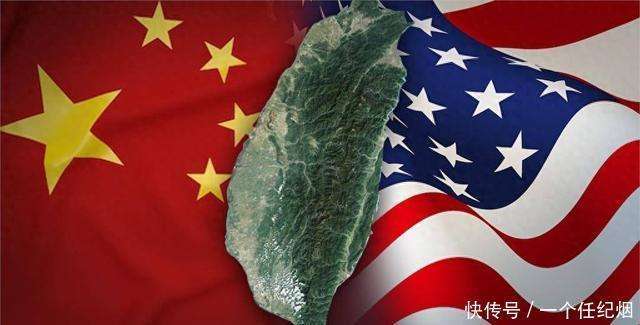
Core Viewpoint - The recent 20% tariff imposed by the U.S. on Taiwan is seen as a "protection fee" for Taiwan's alignment with U.S. interests, particularly regarding independence from China [1][3]. Group 1: Economic Implications - The 20% tariff represents a direct cost for Taiwan's pursuit of independence, indicating that the U.S. expects tangible benefits in return for its support [3][5]. - If Taiwan finds the tariff burdensome, the simplest solution would be to acknowledge the "One China" principle, which could lead to better negotiations with the U.S. [3][5]. Group 2: Political Dynamics - The article suggests that Taiwan's current reliance on the U.S. is akin to being a "giant baby," expecting rewards without providing substantial returns [3][8]. - The U.S. views Taiwan not as a strategic asset but as a disposable tool, which could lead to Taiwan being abandoned once it has served its purpose [5][8]. Group 3: Historical Context - Historical precedents indicate that the U.S. has previously distanced itself from Taiwan after providing limited support, suggesting a pattern of abandonment [5][6]. - The article warns that Taiwan's path towards independence is ultimately a dead end, leading to increased economic and political vulnerability [5][10].
外交部:敦促有关国家停止为“台独”分子活动提供平台
Yang Shi Xin Wen Ke Hu Duan· 2025-09-30 08:17
(总台央视记者 黄惠馨) 责编:黄之安、王珊宁 9月30日,外交部发言人郭嘉昆主持例行记者会。有记者就台湾地区相关人员窜访波兰一事提问。对 此,郭嘉昆表示,世界上只有一个中国,台湾是中国领土不可分割的一部分,一个中国原则是中国和建 交国建立和发展外交关系的政治基础,也是国际关系的基本准则和国际社会的广泛共识。 郭嘉昆指出,中方一贯坚决反对建交国同中国台湾地区开展任何形式的官方往来。我们敦促有关国家严 格恪守一个中国原则,停止为"台独"分子活动提供平台,不向"台独"分裂势力发出任何错误信号。我们 要再次强调,近期赖清德当局频繁打着各种幌子四处窜访,散播"台独"分裂谎言谬论,渲染所谓"大陆 威胁",翻炒所谓"民主对抗威权"的谬论,诱拉外部势力为其谋"独"恶行壮胆,刻意挑动对立对抗,唯 恐世界不乱,险恶用心昭然若揭。无论民进党当局说什么做什么,都改变不了台湾是中国领土一部分的 历史和法理事实,撼动不了国际社会坚持一个中国原则的基本格局,更阻挡不了中国终将统一、也必将 统一的历史大势。 ...
外交部:敦促有关国家切实将坚持一个中国原则落到实处
Xin Hua She· 2025-09-29 10:40
郭嘉昆表示,我们要再次强调,世界上只有一个中国,台湾是中国领土不可分割的一部分,中华人民共 和国政府是代表全中国的唯一合法政府。这是国际社会普遍共识和国际关系基本准则。一个中国原则是 中国与所有国家建立和发展外交关系的前提和基础。个别西方政客出于一己私利,执意与台进行官方交 往,势必影响双边互信和互利合作。"我们敦促有关国家遵守对华政治承诺,切实将坚持一个中国原则 落到实处,约束有关政客与'台独'分裂分子划清界限,不要执意站在14亿多中国人民的对立面。" 郭嘉昆说,中国人民实现国家统一的正义事业不可阻挡,国际社会坚持一个中国的格局不可撼动。任何 妄图挑战一个中国原则、挑战国际法治和国际秩序的行径,必将遭到全体中国人民和所有热爱和平、支 持正义的各国人民的共同反对。 新华社北京9月29日电(记者袁睿、邵艺博)外交部发言人郭嘉昆29日表示,一个中国原则是中国与所 有国家建立和发展外交关系的前提和基础。敦促有关国家遵守对华政治承诺,切实将坚持一个中国原则 落到实处,约束有关政客与"台独"分裂分子划清界限,不要执意站在14亿多中国人民的对立面。 当日例行记者会上,有记者问:近期,台湾当局派员以不同名义和身份窜访有关国 ...
外交部:敦促有关国家约束有关政客与“台独”分裂分子划清界限
Zhong Guo Xin Wen Wang· 2025-09-29 08:20
我们要再次强调,世界上只有一个中国,台湾是中国领土不可分割的一部分,中华人民共和国政府是代 表全中国的唯一合法政府。这是国际社会普遍共识和国际关系基本准则。一个中国原则是中国与所有国 家建立和发展外交关系的前提和基础。个别西方政客出于一己私利,执意与台进行官方交往,势必影响 双边互信和互利合作。我们敦促有关国家遵守对华政治承诺,切实将坚持一个中国原则落到实处,约束 有关政客与"台独"分裂分子划清界限,不要执意站在14亿多中国人民的对立面。 中国人民实现国家统一的正义事业不可阻挡,国际社会坚持一个中国的格局不可撼动。任何妄图挑战一 个中国原则、挑战国际法治和国际秩序的行径,必将遭到全体中国人民和所有热爱和平、支持正义的各 国人民的共同反对。(完) 中新网北京9月29日电 (记者 曾玥 郭超凯)外交部发言人郭嘉昆29日主持例行记者会。 有记者提问:近期,台湾当局派员以不同名义和身份窜访有关国家。发言人对此有何评论? 郭嘉昆:我们注意到有关情况。赖清德当局打着经贸、科技、文化等幌子,或以所谓私人身份、非官方 身份窜访有关国家,大肆散播"台独"分裂谎言谬论,极力诱拉外部势力为其谋"独"恶行壮胆,妄图通过 自吹自擂掩盖 ...
史观错乱,背叛民族——赖清德和民进党媚日谬论遭台湾各界挞伐
Xin Hua She· 2025-09-26 13:11
Core Viewpoint - The article criticizes the Democratic Progressive Party (DPP) and its leader Lai Ching-te for their pro-Japan stance and historical revisionism, particularly regarding the narrative of Taiwan's history during the Japanese occupation and the Second Sino-Japanese War [1][2][3]. Group 1: Political Stance and Historical Interpretation - Lai Ching-te's use of the term "end of war" instead of "victory in the war of resistance" is seen as aligning with Japanese militarism and betraying historical truth [1][2]. - The DPP's leadership is accused of promoting a post-colonial mindset that seeks to legitimize Japan's colonial rule over Taiwan [1][2]. - Public sentiment in Taiwan is increasingly against the DPP's handling of cross-strait relations, with a reported 63% dissatisfaction rate, a significant increase of 20 percentage points from the previous year [3]. Group 2: Public Reaction and Criticism - Taiwanese commentators express that Lai Ching-te's statements distort Taiwan's political situation and history, leading to ridicule on the international stage [2]. - A poll conducted by a Taiwanese news outlet showed over 95% of respondents disapproved of the DPP's recent comments regarding historical events [2]. - The DPP's approach to governance, particularly in disaster response, is criticized as being more focused on anti-China rhetoric rather than effective disaster management [2][3].