循环经济

Search documents
中建环能一资源利用项目开工 拟将污泥“变废为宝”! 日处理500吨
Zheng Quan Shi Bao Wang· 2025-12-23 03:44
证券时报·e公司记者获悉,12月22日,国能(成都金堂)龙源环保火电协同污泥资源化利用项目(下 称"火电协同污泥资源化项目")在四川金堂经开区正式开工。项目由国能龙源环保主导实施,中建环能 (300425)具体承建。按照规划,该项目系践行"双碳"目标、推动循环经济发展的生动实践,将致力于 打造成为西南地区污泥低温干化协同燃煤电厂掺烧的示范工程。 据了解,火电协同污泥资源化项目采用"热泵低温带式高效干化+电厂燃煤锅炉耦合掺烧"核心工艺,建 设日处理500吨、年处理16万吨的污泥干化处理设施,通过"污泥干化—焚烧发电—灰渣利用"全链条资 源化模式,真正实现污泥"变废为宝"。项目全面投运后,将显著提升区域污泥无害化、减量化、资源化 处置能力,有效缓解传统填埋与焚烧带来的环境压力,为成都市"无废城市"建设提供强有力的技术支撑 和工程示范。 资料显示,中建环能主要从事环境治理、离心分离机械等业务。围绕环境治理领域,公司在厂网河湖整 体网联、城镇污水高效处理、污泥低碳干化焚烧、钢铁煤炭废水回用等场景有深厚的积累。 国能龙源环保董事长杨艳春指出,作为国家能源集团在固废综合处理领域重点打造的全国性3.0版本升 级项目,该项目 ...

长江有色:市场多空力量僵持资金减仓下行 23日铅价或涨跌不大
Xin Lang Cai Jing· 2025-12-23 03:34
龙头企业:聚焦资源与循环,拓展新增长 面对行业结构性矛盾,龙头企业战略方向明确。一是持续强化资源保障,通过矿山运营与回收网络建设 巩固原料优势。二是加大在储能、新国标适配等新兴领域的研发与市场开拓,培育新动能。三是推动循 环经济,完善"生产-回收-再生"体系,以应对环保与成本双重压力,构筑长期竞争壁垒。 今日走势预测: 整体而言,铅价在成本与需求间寻找平衡,短期走势取决于传统淡季需求强度与再生铅原料紧张的博 弈,预计短期内铅价或涨跌不大。 【ccmn.cn铅期货市场】隔周伦铅收跌,开盘报1986美元/吨,高点报1986美元,低点报1965美元,尾盘 收于1970美元,下跌14.5美元;成交量3547手。国内夜盘沪期铅高位窄幅震荡,尾盘小幅收涨,主力合 约沪铅2601收报16960元/吨,涨幅为0.03%。长江铅业网(pb.ccmn.cn)今日现货铅价行情预估:国内宏观 面相对平稳,年末资金面逐步收紧,但低库存对铅价形成阶段性支撑,政策层面暂无直接影响铅产业链 的新增调控措施,市场聚焦年底企业资金回笼节奏。海外宏观面核心扰动来自两大因素:一是美联储降 息乐观情绪消退,宏观资金从大宗商品市场阶段性撤离,压制有色金 ...


在龙江,金融如何托起农业现代化?
Jin Rong Shi Bao· 2025-12-23 03:23
Group 1: Agricultural Development in Heilongjiang - Heilongjiang Province is a key national grain base and a pioneer in agricultural modernization, leading the country in total grain output and transfer volume [1] - The province has achieved a comprehensive mechanization rate of over 99% for crop farming, with a contribution rate of agricultural technology progress at 70.8% [1] - The province is focusing on value-added transformation in agriculture, emphasizing the integration of technology and green practices [1] Group 2: Fuernongyi Company - Fuernongyi is a leading seed company in China, specializing in research, production, processing, and sales of various crops, and is the second-largest supplier of soybean seeds in the country [2] - The company has established strategic partnerships with major research institutions to enhance its breeding capabilities and accelerate the commercialization of new varieties [3] - Fuernongyi has invested over 200 million yuan in research, dedicating over 20 million yuan annually for over a decade to long-term R&D efforts [3][4] Group 3: Financial Support for Agricultural Enterprises - The Agricultural Development Bank has provided significant credit support to Fuernongyi, with cumulative loans reaching 428 million yuan since 2006 [4][5] - The bank's support has enabled Fuernongyi to maintain long-term R&D investments despite the seasonal nature of its income [4][5] - Financial services have improved the cash flow for farmers, allowing them to purchase seeds with cash rather than on credit, benefiting Fuernongyi's financial stability [5] Group 4: Huida Technology Company - Huida Technology has developed a digital solution for agricultural operations, enhancing the efficiency of subsidy distribution for straw return [6][7] - The company has expanded its product line to include smart agricultural machinery, with projected revenues of 600 million yuan by 2025 [7] - Huida Technology has faced challenges in capital accumulation due to the low added value of agriculture, prompting a shift towards controlling production costs and seeking external funding [8][9] Group 5: Jiamusi National Agricultural High-tech Zone - The Jiamusi National Agricultural High-tech Zone aims to enhance the value of agricultural products through technological innovation and financial support [10][11] - A long-term loan of 127 million yuan has been allocated to support the development of the agricultural high-tech zone [11] - The zone is focusing on high-value applications for agricultural by-products, such as extracting anthocyanins from black rice husks [12] Group 6: Longjiang Fufeng Biotechnology Company - Longjiang Fufeng is engaged in corn deep processing, producing amino acids and crystalline sugar while adopting a circular economy model [13][14] - The company has received 3.9 billion yuan in short-term loans from the Agricultural Bank to balance its cash flow and support sustainable development initiatives [14][15] - Despite external market pressures, the bank has continued to support Longjiang Fufeng's operations and transformation efforts [15]

裹着爱心的旧衣回收绝不能做成违法生意
Xin Lang Cai Jing· 2025-12-23 02:31
Core Viewpoint - The so-called old clothing charity recycling has become a facade for scams, undermining public goodwill, disrupting market order, and involving multiple legal violations, necessitating urgent regulation and rectification [1][2]. Group 1: Industry Issues - Some live-streaming platforms are selling low-quality second-hand clothes under the guise of "brand tail goods" and "unique sample clothing," misleading consumers [1][2]. - Old clothing recycling boxes, labeled with terms like "charity donation" and "love donation," are being used to collect residents' donated clothes, which are then sold without proper cleaning or disinfection [1][2]. - The recycling of old clothes is part of a larger trust crisis in the industry, as these practices exploit public goodwill and create a gray industrial chain [1][2]. Group 2: Regulatory Challenges - The sale of uncleaned and unsanitized old clothes violates product quality laws, as they lack essential information such as manufacturer details and quality inspection certificates, posing health risks [2]. - National policies emphasize the need to combat illegal recycling practices and promote orderly old clothing transactions, indicating a clear regulatory direction [2]. - Effective regulation is complicated by the involvement of multiple sectors, including charity, market supervision, and environmental protection, requiring a collaborative approach to establish a comprehensive governance system for old clothing recycling [2]. Group 3: Importance of Proper Recycling - Old clothing recycling holds both environmental value and social significance, impacting the development of a circular economy and the proper placement of public goodwill [3]. - The illegal commercialization of charity-based old clothing recycling must be addressed promptly to ensure that the goodwill of the public is not exploited [3].
2025年中国废旧汽车循环利用行业发展历程、产业链、拆解总量、利用价值量、竞争格局及发展趋势分析:市场竞争格局正处于动态调整期,报废量持续扩大将推动产业进入高质量发展阶段[图]
Chan Ye Xin Xi Wang· 2025-12-23 01:22
Core Viewpoint - The rapid increase in the number of scrapped vehicles in China, driven by the surge in car ownership, aging vehicles, and supportive policies, is significantly boosting the automotive recycling industry, transitioning from incremental to stock-based resource supply [1][4]. Group 1: Industry Definition and Processing Flow - The automotive recycling industry focuses on efficiently utilizing and recycling scrapped vehicles' parts and materials, adhering to the principles of reduction, reuse, and recycling [2][3]. - The processing flow begins with the end user of the scrapped vehicle and ends with final processing companies, involving key steps such as recovery, dismantling, remanufacturing, and shredding [3]. Group 2: Current Industry Status - The automotive recycling industry is closely linked to the expansion of the automotive sector and the promotion of environmental policies, having evolved through four stages: spontaneous, preliminary regulation, transformation, and high-quality development [4]. - In 2024, approximately 10.24 million vehicles are expected to be scrapped in China, with a recovery rate of 76.84%, projected to rise to 13.75 million vehicles and a recovery rate of 78.06% by 2025 [4][6]. Group 3: Recycling Volume and Value - The total dismantling weight of scrapped vehicles in 2024 is estimated at 10.831 million tons, with steel accounting for 78.5% and a recycling value of approximately 44.682 billion yuan [1][6]. - By 2025, the dismantling weight is expected to reach 14.77 million tons, with a recycling value of around 60.419 billion yuan [1][6]. Group 4: Industry Chain - The upstream of the recycling industry includes vehicle supply and initial recovery services, primarily from individual car owners and commercial operators [8]. - The midstream consists of the core processing industry, including dismantling and remanufacturing, while the downstream encompasses various applications of recycled products, particularly in the automotive manufacturing sector [8]. Group 5: Competitive Landscape - The market is currently undergoing dynamic adjustments, with a trend towards concentration among leading firms driven by policy and technological innovation [12]. - Key players in the industry include Huahong Technology, Tianqi Co., Huanxin Environmental Protection, and others, forming a competitive landscape characterized by state-owned leaders and emerging private firms [12]. Group 6: Future Development Trends - The transition from incremental to stock-based automotive markets will provide a continuous resource supply for the recycling industry, with stricter regulations encouraging vehicles to return to the formal market [12][13]. - The global push for green development and carbon reduction is creating significant market opportunities for the recycling industry, as it aligns with the demand for recycled materials in automotive manufacturing [13].


中国初步建立全球最大、覆盖品类最全的资源回收和再生利用体系
Zhong Guo Xin Wen Wang· 2025-12-23 00:38
全国人大常委会副委员长王东明22日表示,中国资源回收体系日益完善,初步建立全球最大、覆盖品类 最全的资源回收和再生利用体系。 当天,王东明向十四届全国人大常委会会议作常委会执法检查组关于检查《中华人民共和国循环经济促 进法》实施情况的报告。 报告指出,循环经济法治保障不断健全。中国国务院及其有关部门成立发展循环经济部际联席会议制 度,出台《废弃电器电子产品回收处理管理条例》《报废机动车回收管理办法》等行政法规规章,制定 和完善节能、节水、节材和废弃物再利用、资源化等600余项国家标准。 关于再利用和资源化水平,报告指出,2024年中国资源循环利用产业总产值突破4万亿元人民币,从业 人员超过3500万,成为新的经济增长点和吸纳就业的新领域。 王东明表示,从执法检查的情况看,法律实施和循环经济发展中仍存在一些突出问题和短板弱项,需要 重点关注、研究解决。比如:法定职责未完全落实到位、废弃物回收行业不规范和内卷竞争问题突出、 资源化和再利用水平有待提高、科技支撑和政策激励仍需加强、循环经济法律制度建设滞后。 谈及下一步意见建议,王东明指出,要以循环经济助力经济社会发展全面绿色转型,深入推进循环经济 高质量发展,着力 ...
执法检查报告显示我国资源回收体系日益完善
Xin Hua She· 2025-12-22 15:02
新华社北京12月22日电(记者 高敬)22日,全国人大常委会执法检查组关于检查循环经济促进法 实施情况的报告提请全国人大常委会会议审议。报告显示,我国资源回收体系日益完善,初步建立全球 最大、覆盖品类最全的资源回收和再生利用体系。 报告指出,在循环经济促进法有力推动下,全国资源利用效率持续提高,我国循环经济发展取得明 显成效。各地坚持减量化优先原则,推动在生产、流通和消费各环节减少资源消耗和废弃物产生。 报告透露,我国资源回收体系日益完善。加强生活垃圾分类收集,全国地级及以上城市居民小区基 本设立可回收物投放收集设施,2024年全国新增智能化社区回收设施1.1万余个。推进社会领域废旧物 资回收,建成回收网点约15万个,各类大型分拣中心约1800个。建设国家"城市矿产"示范基地,提升再 生资源聚集加工能力。深入实施大规模设备更新和消费品以旧换新,报废机动车、废旧家电等回收和规 范拆解量大幅增长,为资源回收利用创造了有利条件。 同时,再利用和资源化水平稳步提升,激励政策措施不断强化。2024年我国资源循环利用产业总产 值突破4万亿元,从业人员超过3500万,成为新的经济增长点和吸纳就业的新领域。 报告指出,法律实 ...
人大常委会丨执法检查报告显示我国资源回收体系日益完善
Xin Hua Wang· 2025-12-22 13:29
报告指出,在循环经济促进法有力推动下,全国资源利用效率持续提高,我国循环经济发展取得明显成 效。各地坚持减量化优先原则,推动在生产、流通和消费各环节减少资源消耗和废弃物产生。 报告透露,我国资源回收体系日益完善。加强生活垃圾分类收集,全国地级及以上城市居民小区基本设 立可回收物投放收集设施,2024年全国新增智能化社区回收设施1.1万余个。推进社会领域废旧物资回 收,建成回收网点约15万个,各类大型分拣中心约1800个。建设国家"城市矿产"示范基地,提升再生资 源聚集加工能力。深入实施大规模设备更新和消费品以旧换新,报废机动车、废旧家电等回收和规范拆 解量大幅增长,为资源回收利用创造了有利条件。 同时,再利用和资源化水平稳步提升,激励政策措施不断强化。2024年我国资源循环利用产业总产值突 破4万亿元,从业人员超过3500万,成为新的经济增长点和吸纳就业的新领域。 新华社北京12月22日电(记者高敬)22日,全国人大常委会执法检查组关于检查循环经济促进法实施情 况的报告提请全国人大常委会会议审议。报告显示,我国资源回收体系日益完善,初步建立全球最大、 覆盖品类最全的资源回收和再生利用体系。 报告指出,法律实施 ...
2025第四届影响力国际气候创新大会在海口闭幕
Xin Lang Cai Jing· 2025-12-22 13:12
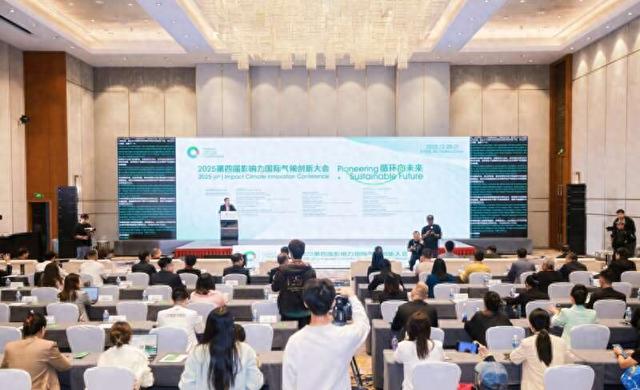
在"绿水青山'变现'之道:乡村振兴与循环新商机"分论坛上,自然伙伴计划发起人、中国计量大学碳中 和与绿色发展研究中心主任虞伟发表主题演讲。他以四川省雷波县自然伙伴计划实验区为例,阐述了如 何通过"自然-气候-社区"协同的"自然伙伴计划",将生态保护、气候应对与乡村发展深度融合,实现生 态价值向经济社会的有效转化,为乡村振兴提供了可复制的创新模式。 虞伟介绍,其中象山-雷波东西部协作以精准帮扶与可持续发展为核心,通过产业、人才、品牌、市场 等多维度深度融合,为雷波县乡村振兴注入强劲动力,形成了"产业赋能、品牌引领、人才支撑、生态 增值"的可持续协作样板,真正实现了从"输血"到"造血"的跨越。 大会通过一系列演讲与对话,深化了各界对循环经济系统性解决方案的认识,促进了跨界交流与合作, 为加速全球绿色低碳转型贡献智慧与力量。 中国青年报客户端讯(中青在线记者 朱仪杰)12月21日,为期两天的2025第四届影响力国际气候创新 大会在海口落下帷幕。本届大会以"循环向未来"为主题,汇聚了来自政府、企业、学术界和社会组织的 不同代表,共同探讨绿色低碳转型路径,推动循环经济从战略规划走向产业落地。 大会设置了开幕式暨主旨论坛 ...
总投资50亿重大项目落地潍坊 “变废为宝”解锁绿色循环新路径
Xin Lang Cai Jing· 2025-12-22 11:20
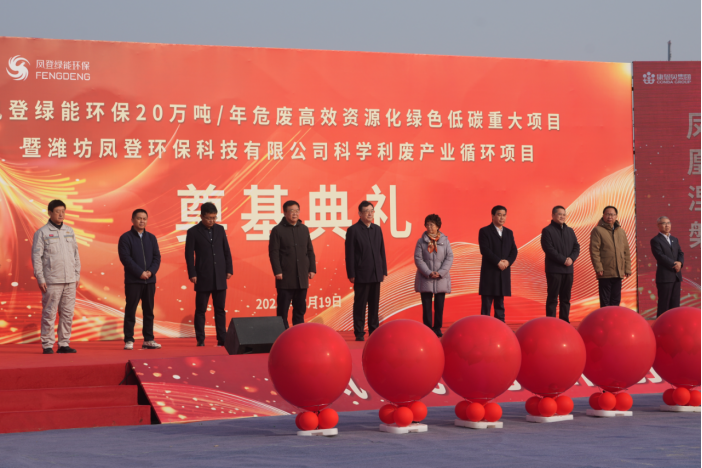
各方嘉宾出席开工奠基仪式 "现在,我宣布,'凤飞九州一号工程'、潍坊凤登环保科技有限公司科学利废产业循环项目开工奠基!"12月19日10时50分,伴随着康恩贝集团有限公司董 事长、首席执行官胡季强的隆重宣布,各方嘉宾共同持铲,为该项目一期工程奠基。 潍坊市政协主席、党组书记李爱杰,中国化工环保协会理事长周献慧,潍坊市滨海经济技术开发区党工委书记、管委会主任韩文宏,康恩贝集团有限公司 董事长、首席执行官胡季强,凤登绿能环保董事长、总裁章磊,滨海经济技术开发区党工委委员、管委会副主任陈强,新和成精化科技有限公司副总经理 严晖,中国石化集团资本有限公司投资经理金岩,中国天辰工程有限公司党委委员、副总经理卞明,潍坊凤登环保科技有限公司总指挥陈林等嘉宾出席开 工奠基仪式。开工奠基仪式由凤登绿能环保总裁助理谢六英主持。 当日上午,康恩贝集团有限公司旗下浙江凤登绿能环保股份有限公司(以下简称"凤登绿能环保")在国家级开发区、潍坊滨海经济技术开发区绿色化工园 举行了首个浙江省外重点示范项目的开工奠基仪式。这一总投资50亿元重大项目的正式启动,标志着凤登绿能环保在全国资源循环利用产业布局上迈出关 键一步。 凤登绿能环保董事长、 ...