
多边主义

Search documents
加强经贸合作交流,推动欧中关系发展,欧洲关注爱尔兰总理访华“探路”
Huan Qiu Shi Bao· 2026-01-05 23:26
据欧洲《现代外交》杂志网站5日报道,此次接触凸显了在中国与欧盟关系紧张之际,中方采取的逐个与欧盟成员国接触的策略。随着中欧在 贸易、技术和关税方面的争端升级,北京方面视爱尔兰为缓解摩擦的潜在桥梁。对爱尔兰而言,此次会谈正值中国对欧盟乳制品加征关税,影 响到其关键出口部门之际,这使得在欧盟内部平衡开放贸易与政治立场变得更加重要。 文章称,预计马丁在前往上海进行访问期间,双方将继续进行磋商,贸易、技术合作和多边问题将是重点议题。尽管关税紧张局势依然存在, 爱尔兰可能会利用其欧盟轮值主席国的身份,推动北京和布鲁塞尔之间的对话。中爱关系的进一步加强能否转化为中欧关系的更广泛改善,将 取决于双方如何处理日益加剧的经济和战略分歧。 刘春生认为,爱尔兰的欧盟轮值主席国身份为中欧关系提供了新的沟通桥梁与对话窗口。爱尔兰一贯秉持务实、开放的对华态度,理解并支持 欧中发展建设性关系。在其担任轮值主席国期间,有望推动中欧在气候变化、数字治理、经贸平衡等议题上增进理解、探索合作。 据爱尔兰广播电视台5日报道,马丁随后参观了北京故宫。在北京期间,他还将与爱中商界领袖等进行会面。报道称,此次访问正值欧盟与中 国之间贸易紧张局势加剧之际, ...

《环球时报》社评:“搬不走的重要近邻”有了务实合作新起点
Bei Jing Ri Bao Ke Hu Duan· 2026-01-05 23:23
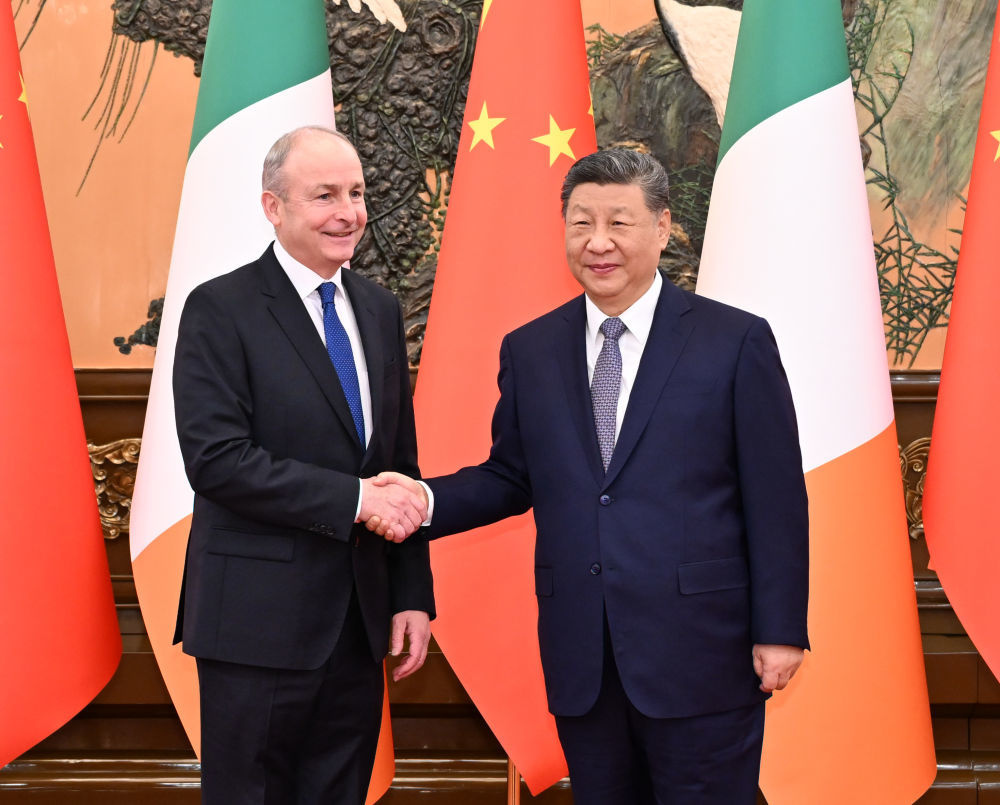
习近平主席在会谈中强调,作为朋友和邻居,中韩应该多走动、常来往、勤沟通;要加强发展战略对接 和政策协调,做大共同利益蛋糕;要增进人员往来,让正面叙事成为民意主流;应当坚定站在历史正确 一边,作出正确战略选择;要共同反对保护主义,践行真正的多边主义。这一重要论述以战略高度精准 概括了中韩关系的本质,也为巩固中韩关系全面恢复发展势头提供了指引。 转自:北京日报客户端 1月5日下午,国家主席习近平在北京人民大会堂同来华进行国事访问的韩国总统李在明举行会谈。习近 平主席指出,我和李在明总统已两次见面并实现互访,体现了双方对中韩关系的重视。会谈后,双方共 同见证签署科技创新、生态环境、交通运输、经贸合作等15份合作文件。韩国媒体普遍将此访视为"务 实外交"在新年的重要开局,认为其为中韩关系全面恢复发展提供了现实支点。 去年11月习近平主席与李在明总统在韩国庆州会晤时指出:"中韩是搬不走的重要近邻。"是邻居就应该 常来常往。中韩现在各自实施了对对方公民的单方面免签政策,"周末去上海"掀起热潮,《原神》《鸣 潮》《燕云十六声》等中国游戏火爆韩国,见证着"多走动"的民生温度;大湾区韩国氢能科创企业"走 进来",中韩合作绿色技 ...
视频丨中国代表:强烈谴责美方对委内瑞拉的单边、非法、霸凌行径
Yang Shi Xin Wen Ke Hu Duan· 2026-01-05 23:16
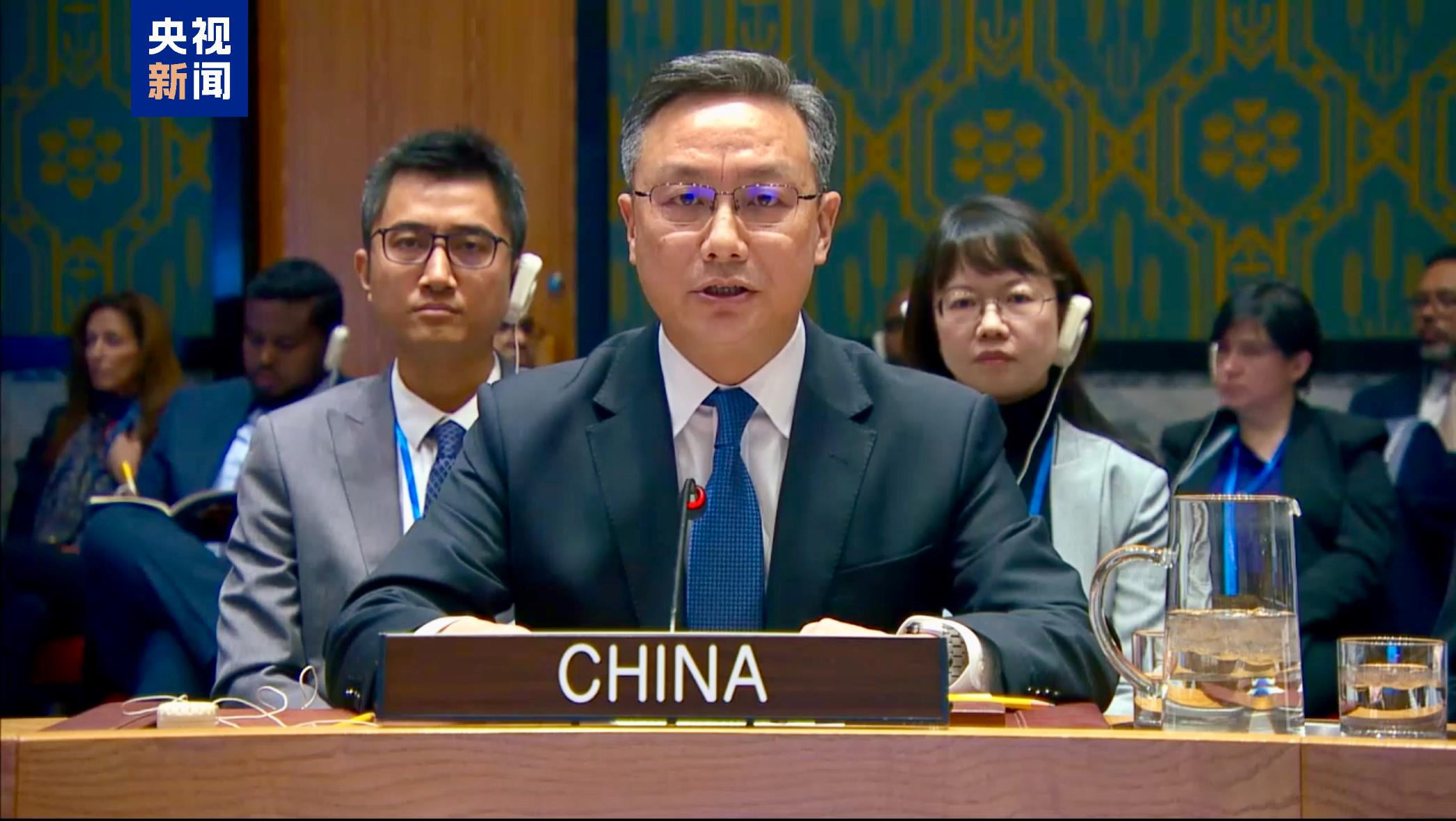
孙磊指出,历史教训殷鉴不远,军事手段不是解决问题的出路,滥用武力只会导致更大的危机。美国曾绕过安理会对伊拉克发动军事行动,悍然袭击伊朗核 设施,对拉美和加勒比地区多国实施经济制裁、军事打击甚至武装占领,造成持续冲突动荡和巨大民生苦难。 当地时间1月5日,中国常驻联合国代表团临时代办孙磊在安理会委内瑞拉局势紧急公开会上发言时表示,中方对美方的单边、非法、霸凌行径深表震惊,予 以强烈谴责。 孙磊表示,一段时间以来,国际社会多次对美方针对委内瑞拉的制裁封锁和武力威胁表示强烈担忧。安理会召开两次紧急会议,联合国秘书长古特雷斯、广 大安理会成员、地区国家和域外国家一致呼吁遵守联合国宪章和国际法,保持冷静克制,和平解决争端,推动局势降级,维护地区稳定。然而,美国作为安 理会常任理事国,无视国际社会严重关切,肆意践踏委内瑞拉主权安全和合法权益,严重违反主权平等原则,严重违反不干涉内政原则,严重违反和平解决 国际争端原则,严重违反在国际关系中不得使用武力原则。美方将自身强权凌驾于多边主义之上,将军事行动凌驾于外交努力之上,严重威胁拉美和加勒比 地区乃至国际和平与安全。中方对此坚决反对,国际社会也普遍表示严重关切,予以强烈谴责 ...
中方谴责美国4个严重违反
Xin Lang Cai Jing· 2026-01-05 22:58
Core Viewpoint - The Chinese representative at the UN, Sun Lei, criticized the United States for undermining Venezuela's sovereignty and violating key principles of international law, emphasizing the need for dialogue and respect for international norms [1][3]. Group 1: US Actions and International Principles - The US, as a permanent member of the UN Security Council, is accused of disregarding international concerns and violating principles such as sovereignty equality and non-interference in internal affairs [1][3]. - Sun Lei highlighted that the US's actions threaten peace and security in Latin America and the Caribbean, prioritizing military action over diplomatic efforts [1][3]. Group 2: Call for Dialogue and Respect - China urges the US to acknowledge the overwhelming calls from the international community to respect international law and cease actions that infringe on other nations' sovereignty [1][3]. - The Chinese government supports the UN Security Council's role in maintaining international peace and security and advocates for dialogue as a means to resolve the Venezuelan crisis [1][3]. Group 3: Critique of Military Solutions - Sun Lei emphasized that military solutions are not viable and that the misuse of force leads to greater crises, referencing past US military actions in Iraq and Iran that resulted in ongoing conflicts and humanitarian suffering [2][4]. - China firmly supports the Venezuelan government and its people's rights to sovereignty and security, calling for the US to stop its coercive actions and engage in respectful cooperation with regional countries [2][4].
马杜罗在纽约“出庭”,有三个关键问题!多艘油轮突破封锁,离开委水域
Mei Ri Jing Ji Xin Wen· 2026-01-05 22:53
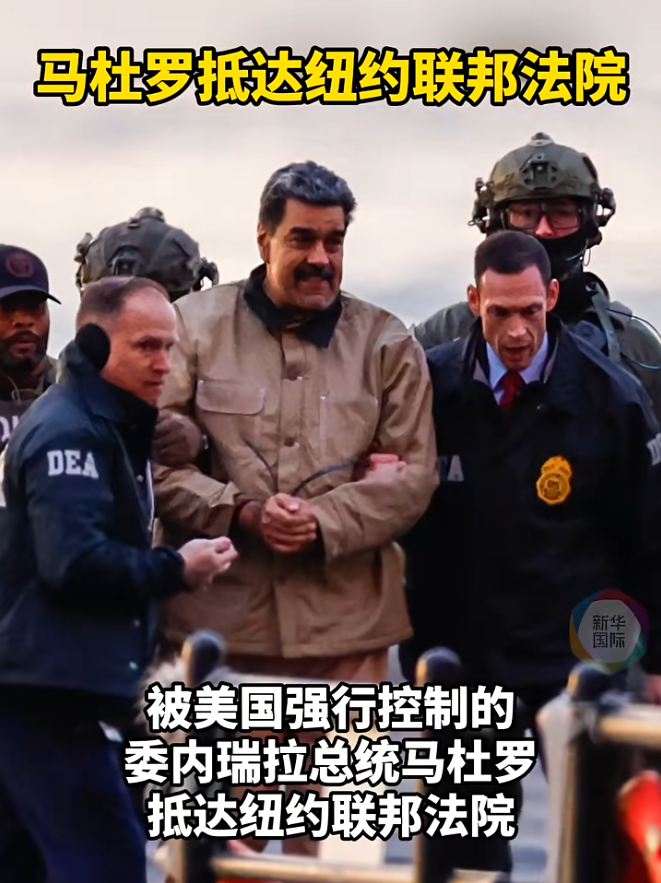
据新华社,美国东部时间5日上午,遭美国强行控制的委内瑞拉总统马杜罗及其夫人被全副武装的警卫从纽约布鲁克林一处拘留中心带出,随后经直升机 等转运,抵达纽约南区联邦地区法院。 据该法院网站此前发布的通知,北京时间1月6日凌晨1时,也就是美国东部时间5日中午12时,马杜罗将出现在美国的法庭上,接受所谓"审判"。 据央视新闻,抗议者当地时间1月5日在美国纽约南区联邦法院外聚集。他们高呼口号,举着"释放马杜罗""不要向委内瑞拉开战"等标语横幅。 马杜罗为什么会被美国指控?其实,美国早有谋划。早在2020年,美国司法部就曾起诉马杜罗及其夫人,指控他们领导一个名为"太阳集团"的贩毒组织。 2025年,美国特朗普政府更进一步,将该集团乃至马杜罗政府整体列为"外国恐怖组织"。 然而,美国专家及媒体指出,至今没有公开证据能直接证明马杜罗本人指挥或参与了具体的毒品走私活动。更矛盾的是,根据美国缉毒署近年来的报告, 委内瑞拉甚至并非美国境内毒品的主要来源地。 据央视新闻,中国现代国际关系研究院拉美研究所所长孙岩峰表示,把委内瑞拉与美国面临的毒品问题相连,尤其是把一个国家的元首与美国的毒品问题 相连接,非常荒唐。 1月3日,委内瑞拉遭 ...
站在历史正确一边 作出正确战略选择
Si Chuan Ri Bao· 2026-01-05 21:44
把握友好合作方向 ●中方愿同韩方一道,牢牢把握友好合作方向,秉持互利共赢宗旨,推动中韩战略合作伙伴关系 沿着健康轨道迈进,切实增进两国人民福祉,为地区乃至世界和平与发展正向赋能 习近平强调,中韩两国长期坚持"以和为贵""和而不同",超越社会制度和意识形态差异,相互成 就、共同发展。双方应延续这一优良传统,不断增进互信,尊重各自选择的发展道路,照顾彼此 核心利益和重大关切,坚持通过对话协商妥善解决分歧。中共二十届四中全会审议通过"十五 五"规划建议,为未来5年中国发展擘画蓝图,也为世界各国提供广阔机遇。中韩经济联系紧密, 产业链供应链深度互嵌,合作互惠互利,要加强发展战略对接和政策协调,做大共同利益蛋糕, 在人工智能、绿色产业、银发经济等新兴领域打造更多合作成果。双方要增进人员往来,开展青 少年、媒体、体育、智库、地方等方面交往,让正面叙事成为民意主流。 习近平指出,当前世界百年变局加速演进,国际形势更加变乱交织。中韩在维护地区和平、促进 全球发展方面肩负重要责任,有广泛利益交集,应当坚定站在历史正确一边,作出正确战略选 择。80多年前,中韩两国付出巨大民族牺牲,赢得抗击日本军国主义的胜利。今天更应携手捍卫 二 ...
哥伦比亚代表:美对委军事行动动摇战后国际秩序根基
Xin Hua She· 2026-01-05 20:18
Core Viewpoint - The representative of Colombia at the United Nations, Leonor Zalabata, condemned the U.S. military actions against Venezuela, warning that such actions pose a serious threat to the international order established after World War II [1] Group 1: U.S. Military Actions - The U.S. launched a large-scale military operation against Venezuela, targeting the capital Caracas and forcibly detaining President Maduro and his wife [1] - The Maduro couple appeared in a federal court in New York, rejecting all accusations made by the U.S. [1] Group 2: International Law and Order - Zalabata emphasized that a permanent member of the Security Council using force to unilaterally control another sovereign nation threatens regional stability and has serious implications for international peace and security [1] - The actions of the U.S. are seen as a clear violation of international law and a departure from the principles of the United Nations Charter [1] - The representative highlighted that the principle of power cannot override multilateralism, and democracy should not be promoted through violence or coercion [1]
中方强烈谴责美方对委的单边、非法、霸凌行径
Xin Lang Cai Jing· 2026-01-05 19:46
Core Viewpoint - The Chinese representative at the UN strongly condemns the unilateral and illegal actions of the United States regarding Venezuela, emphasizing the need for adherence to international law and the UN Charter [1][2]. Group 1: U.S. Actions and International Response - The international community has expressed significant concern over U.S. sanctions and military threats against Venezuela, with calls for peaceful resolution and respect for sovereignty [1][2]. - The U.S. is accused of disregarding international concerns and violating principles of sovereignty, non-interference, and peaceful dispute resolution [1][2]. Group 2: China's Position and Recommendations - China urges the U.S. to acknowledge the overwhelming international call for compliance with international law and to cease actions that undermine Venezuela's sovereignty [2][3]. - The Chinese representative emphasizes that military solutions are not viable and that the U.S. should return to dialogue and negotiation to resolve issues [2][3]. Group 3: Support for Venezuela and Regional Stability - China reaffirms its support for the Venezuelan government and people's rights to defend their sovereignty and dignity [3]. - The importance of Latin American and Caribbean nations in maintaining global peace and stability is highlighted, along with a call for mutual respect and cooperation among nations [3].
中国代表:强烈谴责美方对委内瑞拉的单边、非法、霸凌行径
Yang Shi Xin Wen· 2026-01-05 19:05
Core Viewpoint - China strongly condemns the unilateral and illegal actions of the United States regarding Venezuela, emphasizing the need for respect for international law and the sovereignty of nations [1][2]. Group 1: China's Position on U.S. Actions - China expresses deep shock and strong condemnation of the U.S. sanctions and military threats against Venezuela, highlighting the international community's concerns [1]. - The Chinese representative urges the U.S. to acknowledge the overwhelming calls from the international community to stop infringing on Venezuela's sovereignty and to return to dialogue for political resolution [2]. - Historical lessons indicate that military means are not a solution, as past U.S. actions have led to prolonged conflicts and humanitarian crises in various regions [2]. Group 2: Support for Venezuela and Regional Stability - Venezuela is recognized as an independent sovereign nation with the right to defend its sovereignty and dignity, and Latin American countries have the right to choose their development paths [3]. - China firmly supports the Venezuelan government and people in maintaining their sovereignty and legitimate rights, advocating for respect and non-interference in internal affairs [3]. - The call for the U.S. to change its approach emphasizes the importance of mutual respect and cooperation among nations in the region to maintain peace and stability [3].
中方指出美国4个严重违反
Xin Lang Cai Jing· 2026-01-05 17:41
Core Viewpoint - The United Nations Security Council held an emergency public meeting regarding the situation in Venezuela, where China's representative criticized the U.S. for violating international principles and threatening regional peace and security [1][2]. Group 1: U.S. Actions and International Principles - The U.S. is accused of disregarding international concerns and violating Venezuela's sovereignty, security, and legitimate rights, which undermines the principles of sovereign equality and non-interference in internal affairs [1]. - China's representative urged the U.S. to recognize the overwhelming calls from the international community to adhere to international law and the principles of the UN Charter, and to cease actions that infringe on other countries' sovereignty [1][2]. Group 2: Call for Dialogue and Cooperation - China emphasizes that military means are not a solution and that the abuse of force leads to greater crises, referencing past U.S. military actions in Iraq and Iran that resulted in ongoing conflicts and humanitarian suffering [2]. - China expresses firm support for the Venezuelan government and people in maintaining their sovereignty and security, advocating for a return to dialogue and cooperation based on mutual respect and non-interference [2].