
一个中国原则

Search documents
图谋武力干涉中国内政必遭迎头痛击(国际论坛)
Ren Min Ri Bao· 2025-11-17 22:01
今年是中国人民抗日战争暨世界反法西斯战争胜利80周年、联合国成立80周年,也是日本战败80周年。 在这一历史节点,日本首相高市早苗发表涉台危险言论并拒绝撤回,这是对战后国际秩序的公然挑衅, 更是对中日关系的严重破坏、对中国核心利益的公然挑衅。 台湾回归中国是二战胜利成果和战后国际秩序的重要组成部分。日本1894年发动甲午战争,次年强迫清 政府签订不平等的《马关条约》,霸占台湾50年。1945年,日本签署投降书,正式接受《开罗宣言》 《波茨坦公告》等规定台湾归还中国的国际法律文件,台湾作为日本窃取的中国领土,已从法律和事实 两个层面回归中国。 借炒作台湾问题实现强军扩武的政治企图、无视时代潮流与中国统一决心的军事冒险主义,必将遭到中 国人民的迎头痛击,必然遭到爱好和平的亚洲各国的共同反对 恪守一个中国原则是日本必须履行的严肃政治承诺。1972年中日邦交正常化时签署的《中日联合声明》 明确规定,日本政府充分理解和尊重中国政府关于台湾是中国领土不可分割的一部分的立场,坚持遵循 《波茨坦公告》第八条。1978年两国缔结《中日和平友好条约》,以法律形式确认了联合声明的各项原 则。1998年和2008年的中日第三、第四个 ...
新华时评|在台湾问题上生事,就是给自己找事
Xin Hua She· 2025-11-17 16:34
日本首相高市早苗近日公然发表涉台露骨挑衅言论,宣称若中国大陆对台湾动武可能构成日本"存亡危 机事态"。在中方多次严正交涉后,日方仍不思悔改,拒不撤回错误言论。上述言行严重违背一个中国 原则,粗暴干涉中国内政,向"台独"势力发出严重错误信号。台湾问题是中国核心利益中的核心,是不 容逾越的红线和底线。任何人、任何势力妄图介入台海局势、阻扰中国统一大业,必将自食苦果、玩火 自焚。 众所周知,日本在台湾问题上负有不可推卸的严重历史罪责。甲午战争后,日本强行侵占台湾并进行长 达半个世纪的殖民统治。日据时期,台湾人民灾难深重,数十万同胞被杀害,民众沦为"亡国奴",毫无 政治权利、信仰自由和文化自由,宝岛的矿产资源、民生物资遭疯狂掠夺。日本侵略者在台湾犯下的罪 行罄竹难书,是台湾历史最黑暗的一页。包括台湾同胞在内的全体中国军民浴血奋战,赢得抗日战争伟 大胜利,光复台湾,终结了日本对台湾的侵占掠夺,结束了台湾人民被压迫、被奴役的悲惨历史。 在台湾问题上生事,就是给自己找事 新华社记者 1943年中美英发表《开罗宣言》,明确规定要把日本所窃取的台湾等中国领土归还中国。1945年中美英 苏发表《波茨坦公告》,第八条规定《开罗宣言 ...
国防部新闻发言人就美对台军售答记者问
Xin Hua She· 2025-11-17 14:36
Core Viewpoint - The Chinese Ministry of National Defense strongly opposes the recent U.S. arms sale to Taiwan, which is valued at approximately $330 million, asserting that it violates the One China principle and undermines China's sovereignty and security interests [1][1][1] Group 1: U.S. Arms Sale to Taiwan - The U.S. State Department has approved an arms sale to Taiwan, including "non-standard aircraft parts" and maintenance services, totaling around $330 million [1] - The Chinese government views this action as a serious interference in China's internal affairs and a dangerous signal to pro-independence forces in Taiwan [1][1] Group 2: Chinese Government's Response - The Chinese Ministry of National Defense has expressed strong dissatisfaction and firm opposition to the arms sale, stating that it has lodged a serious diplomatic protest with the U.S. [1] - The spokesperson emphasized that attempts to support Taiwan's independence through military means will ultimately fail and warned the Taiwanese authorities against wasting public funds on weapons [1][1]
高市涉台错误言论极不负责、极其危险
Xin Hua She· 2025-11-17 13:41
新华社记者冯武勇 日本首相高市早苗7日在国会答辩中就日本安保法中的"存亡危机事态"悍然发表涉台挑衅言论,以 可能行使集体自卫权为名,公然干涉中国内政,进行武力威胁。内外压力下,高市10日对国会表示,日 本政府对"存亡危机事态"的既有口径没有改变,但坚持不撤回此前答辩言论。 一国首相在国会答辩中的任何发言,都会载入公文,具有官方性质。高市一方面宣称政府口径没有 变化,一方面拒绝撤回自己作为首相的答辩内容,显然自相矛盾。高市的答辩内容与此前日本政府相关 立场相左,没有任何狡辩余地,进一步加剧了外界对其政治诚信和政策稳定性的质疑。 新华社东京11月17日电 题:高市涉台错误言论极不负责、极其危险 这几天,日本社交媒体上,"高市下台""高市撤回发言""高市不得煽动战争"等话题标签快速增长, 足见日本各界对高市一意孤行的强烈不满。立宪民主党党首、日本前首相野田佳彦16日在党内会议上批 评高市涉台表态"言论越界,导致日中关系陷入非常严峻的局面,相当轻率"。 15日晚,日本民众在位于东京的首相官邸前抗议,手持标语、高呼口号,对高市近期错误言行表达 强烈不满,要求高市辞职。日本冲绳大学地域研究所特别研究员泉川友树也表示,高市 ...
刚刚,国防部发声!
中国基金报· 2025-11-17 13:08
来源: 国防部发布 国防部新闻发言人张晓刚就美对台军售答记者问 "国防部发布"11月17日消息,国防部新闻发言人张晓刚就美对台军售答记者问。 记者: 据报道,美国国务院批准总价值约3.3亿美元对台军售,包括相关机型"非标准航材零 部件"和维修服务。请问发言人有何评论? 利 好 刷 屏!拉 升 来 了 张晓刚: 美方向中国台湾地区出售武器,严重违反一个中国原则和中美三个联合公报,粗暴 干涉中国内政,损害中国主权和安全利益,向"台独"分裂势力发出严重错误信号。 我们对此 强烈不满、坚决反对,已向美方提出严正交涉。 需要强调的是, "以武助独"只会引火烧身,"以台制华"不会得逞。 我们敦促美方立即停止武 装台湾的恶劣行径,避免冲击影响两国两军关系发展;正告民进党当局,挥霍台湾老百姓血 汗钱买武器只是饮鸩止渴,"倚外谋独""以武拒统"注定失败。 我们将采取一切必要措施,坚 定捍卫国家主权和领土完整。 ...

国防部:将采取一切必要措施
财联社· 2025-11-17 13:05
Core Viewpoint - The article discusses the recent approval by the U.S. government for arms sales to Taiwan, emphasizing China's strong opposition and the implications for U.S.-China relations [2]. Group 1: U.S. Arms Sales to Taiwan - The U.S. State Department has approved arms sales to Taiwan valued at approximately $330 million, which includes "non-standard aircraft parts" and maintenance services [2]. - This action is viewed by China as a serious violation of the One China principle and the three joint communiqués between China and the U.S., constituting a severe interference in China's internal affairs [2]. Group 2: China's Response - China expresses strong dissatisfaction and resolute opposition to the arms sales, having lodged formal representations with the U.S. [2]. - The Chinese government warns that "using weapons to support independence" will lead to self-harm, and that attempts to "use Taiwan to contain China" will not succeed [2]. - The article highlights a warning to the Democratic Progressive Party (DPP) in Taiwan, stating that spending taxpayer money on weapons is a futile effort and that reliance on external forces for independence will ultimately fail [2].

日媒:中国的反应“超出预期”
Huan Qiu Shi Bao· 2025-11-17 07:44
在7日举行的众议院预算委员会会议上,当被问及"台湾有事"是否属于安全保障相关法规定中可行使集 体自卫权的"存亡危机事态",高市早苗表示,"如果涉及武力行使,我认为这可能属于'存亡危机事态'的 情形。"日本TBS电视台报道称,高市早苗10日在国会上辩称,该发言是"基于最坏情况的假设",且"与 政府以往立场一致",明确表示不打算撤回。 共同社16日在另一篇报道中称,立宪民主党政策调查会长本庄知史16日在富士电视台的一档节目中,批 评高市早苗"对安全保障相关法律的理解不够充分",称其对台湾问题等认知也存在不足。一同出演该节 目的自民党代理政策调查会长田村宪久表示,"首相也在反省未能充分说明背景的问题,今后应该不会 再有此类发言。" 【解局】中国连发留学预警与赴日提醒,为何让日本感到担忧? 日本首相高市早苗近日在国会公然发表涉台错误言论,粗暴干涉中国内政,引发中方多部门强烈抗议, 并采取相应措施。16日,教育部发布2025年第4号留学预警:建议中国公民谨慎规划赴日留学安排。早 些时候,外交部和中国驻日本使领馆郑重提醒中国公民近期避免前往日本,已在日中国公民密切关注当 地治安形势,提高安全防范意识,加强自我保护。多家航 ...
台湾社会各界:高市早苗言论对台有害 台湾问题不容外部势力干涉
Xin Hua She· 2025-11-17 01:42
Core Viewpoint - The provocative remarks made by Japanese Prime Minister Sanna Takashi regarding Taiwan have sparked significant discontent and criticism within Taiwanese society, with various figures emphasizing the need to protect Taiwan's interests and maintain peace in the Taiwan Strait [1][2][3] Group 1: Reactions from Taiwanese Political Figures - Former Kuomintang Chairman Ma Ying-jeou criticized Takashi's comments as reminiscent of Japan's militaristic past, suggesting that such statements threaten the peace and stability desired by the Taiwanese people [1] - Former Kuomintang Chairman Hung Hsiu-chu condemned Takashi's linking of Taiwan Strait tensions to Japan's "survival crisis," arguing that it exposes Japan's lingering militaristic tendencies and constitutes a dangerous provocation [2] - Taiwanese commentator Lai Yueqian stated that Takashi's remarks violate the One China principle and indicate a willingness to view mainland China as a military adversary, highlighting the militaristic undertones of her statements [2] Group 2: Media and Public Sentiment - The editorial from Taiwan's China Times cautioned against the Democratic Progressive Party's reliance on Takashi's rhetoric, warning that it could lead Taiwan into perilous situations [3] - Media personality Lin Gongzheng expressed concern that Takashi's hypothetical scenarios regarding mainland China's actions are designed to incite fear and hostility among Taiwanese people, reflecting a typical Japanese political stance that seeks to exacerbate tensions [3]
央视:错误言论、祸害重重,高市早苗恐将日本拖入“国家危机”
财联社· 2025-11-16 23:54
Core Viewpoint - The article discusses the backlash against Japanese Prime Minister Kishi Sanae for her controversial remarks regarding Taiwan, which have sparked protests and criticism from various political figures and the public in Japan, highlighting the potential risks to Japan-China relations and the implications for Japan's domestic and international standing [1][2][3]. Political Criticism - Kishi's statements suggesting that a crisis in Taiwan could trigger Japan's collective self-defense rights have been met with severe criticism from opposition parties, who argue that her understanding of security laws is inadequate and that her remarks could lead to a national crisis [2][4]. - Former Prime Minister Noda Yoshihiko described Kishi's comments as reckless and dangerous, emphasizing the need for caution in discussing military matters as the commander-in-chief of Japan's Self-Defense Forces [3][4]. Impact on Japan-China Relations - Multiple political figures in Japan have warned that Kishi's rhetoric could severely damage Japan-China relations, leading to reduced trade, strained diplomatic ties, and increased tensions [4][5]. - The Chinese government has issued travel warnings and advisories for its citizens regarding Japan, which could significantly impact Japan's tourism industry, as Chinese tourists are a major source of revenue [5]. International Reactions - Experts have criticized Kishi's approach as a challenge to the post-war international order, suggesting that her actions could provoke a backlash not only from China but also within Japan [6][7]. - Criticism has also emerged from Taiwan, where former officials have condemned Kishi's remarks as indicative of a resurgence of Japanese militarism and an unwarranted interference in Taiwan's affairs [9]. Economic Consequences - The potential fallout from Kishi's statements could lead to a decrease in trade and tourism, with estimates indicating that the total trade volume between Japan and China could be affected significantly, given that China is Japan's largest trading partner [5].
日本各界人士批评高市早苗错误言论(国际视点)
Ren Min Ri Bao· 2025-11-16 22:31
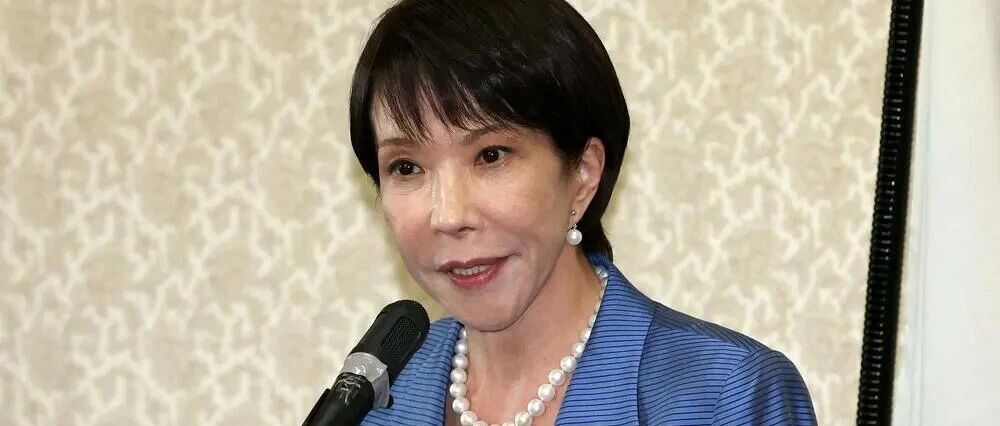
近日,日本首相高市早苗在国会发表涉台错误言论,在日本国内引发轩然大波。日本多方人士对其言论 的法律依据、政策逻辑及可能带来的地区安全风险表示担忧,认为相关判断缺乏事实和法理支撑,将误 导日本安全政策方向,进一步加剧日中关系紧张。多名日本政府消息人士还透露,高市正探讨在修订 《国家安全保障战略》等"安保三文件"时,对"无核三原则"中不引进核武器的原则进行修改。此举引发 多方质疑和担忧。 "台湾问题纯属中国内政,日本无权插手" 日本共产党籍众议员志位和夫在社交媒体上发文说,高市的涉台言论正演变为严重的国际问题。要想使 日中关系朝着积极方向发展,需要以两国确认的共识为基础,发挥智慧,冷静对话,而不是发表加剧紧 张局势的挑衅性言论。他再次要求高市撤回有关言论。 据日本《赤旗报》报道,日本共产党籍参议员山添拓在记者会上说,高市的言论加剧日中紧张关系并导 致互不信任。为避免日中关系进一步恶化,高市作为首相应撤回其言论。 东京都前知事、国际政治学者舛添要一在社交媒体上严厉批评高市的发言,称其为"重大失策"。他指 出,"首相及阁僚在国会回答自己不熟悉领域的问题时,不应凭一己想法作答",他进一步指出,高市此 次答辩"不慎重"。 ...