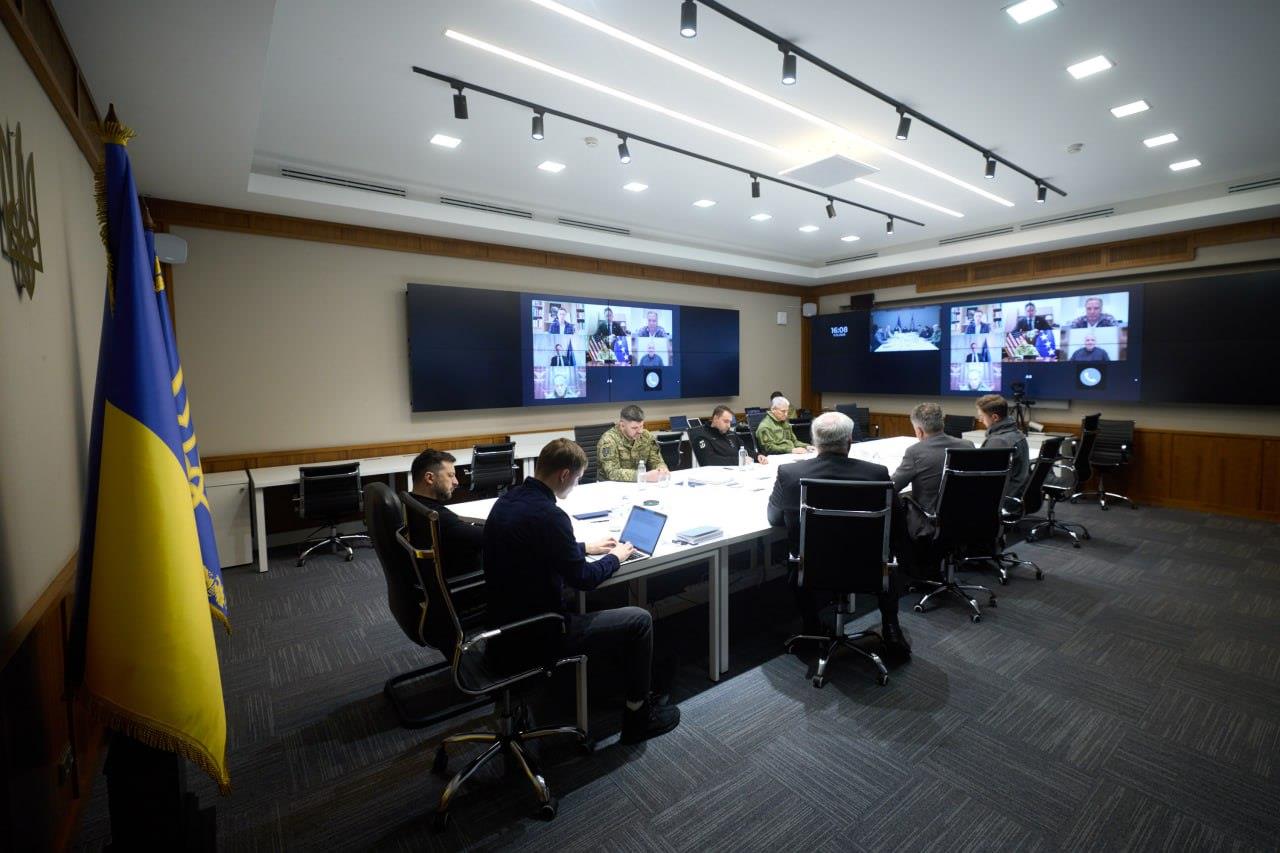
和平计划

Search documents
乌接受类“北约第五条”安全保障
第一财经· 2025-12-15 01:05
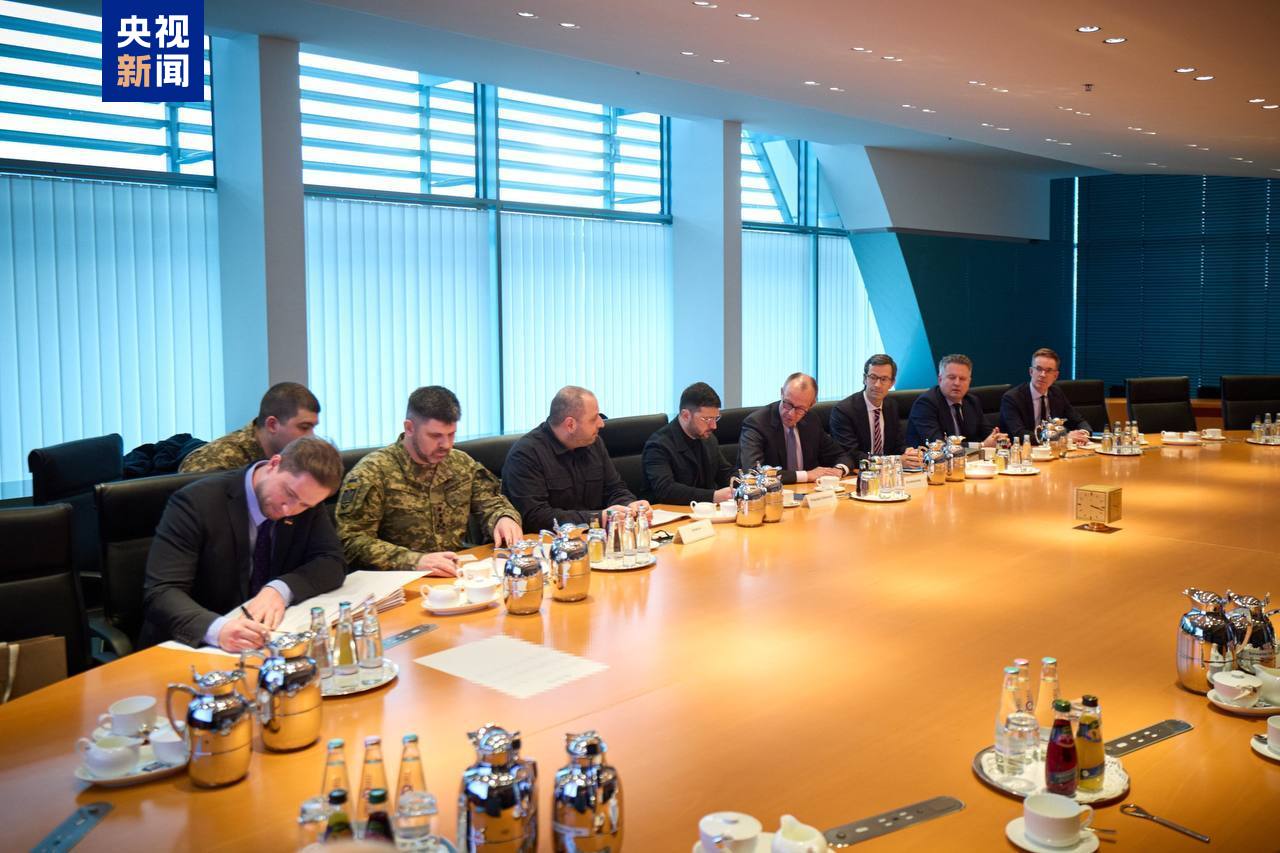
Core Viewpoint - The article discusses the recent closed-door talks between the U.S. and Ukraine in Berlin regarding a "peace plan" to end the Russia-Ukraine conflict, highlighting significant progress made during the discussions, particularly around security guarantees and territorial issues [2][3][6]. Group 1: Meeting Details - The U.S. and Ukraine held a five-hour meeting in Berlin to discuss the peace plan, with a follow-up scheduled for the next day [2]. - Key representatives included U.S. Special Envoy Witkoff, Jared Kushner, and NATO's Supreme Allied Commander in Europe, General Cavoli, alongside Ukrainian President Zelensky and other high-ranking officials [3]. Group 2: Security Guarantees - Ukraine has agreed to accept security guarantees similar to NATO's Article 5 collective defense clause, as a compromise due to the lack of support for NATO membership from the U.S. and some European partners [4][6]. - Zelensky emphasized the need for realistic expectations regarding the peace process, particularly in light of U.S. demands for Ukrainian military withdrawal from Eastern Ukraine [6]. Group 3: Territorial Issues - Territorial disputes remain a critical point of contention, particularly regarding the status of the Donetsk region and control over the Zaporizhzhia nuclear power plant [8]. - Analysts suggest that significant divisions still exist among the U.S., Ukraine, and Europe on these core issues, making breakthrough progress in the Berlin talks unlikely [8]. Group 4: European Concerns - European nations express concerns that Ukraine may make concessions under U.S. pressure that could jeopardize European security interests [10]. - French President Macron and UK Prime Minister Starmer have both communicated their support for Ukraine, emphasizing the importance of a stable and lasting peace for both Ukraine and Europe [10].


持续五个多小时 美国特使称美乌会谈取得“重大进展”!俄方发声
Mei Ri Jing Ji Xin Wen· 2025-12-14 23:34
Core Viewpoint - The ongoing discussions between Ukraine and the U.S. in Berlin focus on a "peace plan" that includes key issues such as territory, security guarantees, and the frozen assets of the Russian central bank. Both parties have made significant progress and plan to continue talks [1][3]. Group 1: Peace Plan Discussions - The meeting lasted over five hours, with a follow-up scheduled for the next day, indicating a commitment to resolving outstanding issues [1]. - Key representatives from both sides include U.S. Special Envoy Witkoff, Jared Kushner, and NATO's Supreme Allied Commander in Europe, General Cavoli, alongside Ukrainian President Zelensky and other high-ranking officials [1]. - The core topics of discussion are territorial integrity, security guarantees, and the status of Russian central bank assets frozen by the EU [1]. Group 2: NATO Membership and Security Guarantees - President Zelensky stated that Ukraine's primary goal is NATO membership, which is viewed as essential for true security, but this has not received support from the U.S. and some European nations [3][4]. - As a compromise, Ukraine is willing to accept bilateral security guarantees similar to NATO's Article 5, which would provide collective defense assurances without formal NATO membership [4]. - Zelensky emphasized the need for a robust mechanism to prevent future Russian aggression, indicating a shift in Ukraine's negotiation strategy [3][4]. Group 3: Military and Economic Considerations - Zelensky criticized the U.S. proposal for Ukraine to unilaterally withdraw troops from Eastern Ukraine and establish a "free economic zone," labeling it as unfair without clear management guidelines for the area [5]. - He suggested that any withdrawal of Ukrainian forces should be reciprocated by Russian troop withdrawals, highlighting the complexity of the situation [5]. - The establishment of a "buffer zone" with police presence instead of military forces was proposed as a simpler solution to maintain order [5]. Group 4: Political Preparedness - Zelensky has instructed members of the Ukrainian parliament to prepare for potential upcoming elections, indicating a proactive approach to political stability [6]. - He expressed a willingness to adapt to changes in leadership and emphasized the importance of security guarantees for the electoral process [6].

乌接受类“北约第五条”安全保障 美乌“和平计划”磋商15日继续
Yang Shi Xin Wen Ke Hu Duan· 2025-12-14 23:24
Group 1 - The core agenda of the talks included territorial issues, security guarantees, and the frozen assets of the Russian central bank [3][6] - The U.S. and Ukraine representatives discussed the "peace plan" and economic agenda, achieving "significant progress" according to U.S. envoy Witkoff, although specific details were not disclosed [3][4] - Ukraine's President Zelensky expressed willingness to accept security guarantees similar to NATO's Article 5, as a compromise given the lack of support for NATO membership from the U.S. and some European partners [4][6] Group 2 - Russian presidential aide Ushakov stated that Russia has not yet received a modified "peace plan" from Ukraine and would strongly oppose any unacceptable terms, particularly regarding territorial issues [5][6] - Analysts believe that significant divisions remain among the U.S., Ukraine, and Europe regarding territorial and security guarantees, making breakthrough progress in the Berlin talks unlikely [6][7] - European nations are concerned that Ukraine may make concessions under U.S. pressure that could jeopardize European security interests [7][8]
泽连斯基:乌已妥协,不入北约
Xin Jing Bao· 2025-12-14 22:52
Group 1 - The core demand of Ukraine is to join NATO as a key security guarantee, which has not received support from the US and some European countries [1] - Ukraine is currently working on establishing an alternative bilateral security guarantee system as a compromise [1] - The aim is to create an effective mechanism to prevent future conflicts initiated by Russia [1] Group 2 - The "peace plan" aimed at resolving the Russia-Ukraine conflict will involve various compromises and will not satisfy everyone [2] - Ukraine has submitted its latest opinions and amendments regarding the peace plan to the US, emphasizing that any compromises must be based on fairness [2] - The plan must be effective and not merely a formality, serving as a significant step towards ending the conflict [2] Group 3 - The peace plan must ensure that Russia cannot launch new military actions against the Ukrainian people after its signing [3] - German Chancellor Merz, along with leaders from several European countries, has proposed a peace plan to the US [3] - The US Middle East envoy will meet with President Zelensky and several European leaders to advance the proposed peace plan [3]
美国特使抵达柏林,欧盟冻结俄方资产,泽连斯基访德谈“有尊严的和平”
Huan Qiu Shi Bao· 2025-12-14 22:29
Group 1 - Ukrainian President Zelensky arrived in Berlin to meet with U.S. negotiators and European leaders to discuss the foundation for peace and a political agreement to end the war [1][2] - The U.S. is balancing demands from various parties, with President Trump expressing frustration over delays in negotiations [1][2] - German Chancellor Merz stated that the era of "American-led peace" is essentially over, emphasizing the need for Europe to protect its own interests [1] Group 2 - Russian officials have not seen the revised "peace plan" and express skepticism about constructive changes from Ukraine and Europe [2] - Zelensky indicated a compromise on security guarantees, accepting bilateral security assurances instead of direct NATO membership [2] - The U.S. proposed a "demilitarized" free economic zone in the Donbas region, which has raised concerns among European leaders about favoring Russia [3] Group 3 - The EU is considering using frozen Russian central bank assets to strengthen Ukraine's negotiating position, with assets valued at approximately €210 billion [4] - The EU's decision to indefinitely freeze Russian assets removes a significant barrier to using these funds for Ukraine's financial and military needs [4] - Russian officials condemned the EU's actions as illegal and a violation of international law, threatening to respond swiftly [4]
巴勒斯坦总统访问意大利 重申“两国方案”重要性
Yang Shi Xin Wen Ke Hu Duan· 2025-12-12 19:38
会见后,阿巴斯表示,实现地区稳定的唯一方案是"两国方案",巴勒斯坦国不会成为任何人的安全威 胁,相反该国将成为建设和平的伙伴。他还说,世界上已有160个国家承认巴勒斯坦国,希望意大利也 能顺势而为。这将进一步强化"两国方案"的原则。 (文章来源:央视新闻客户端) 梅洛尼表示,意大利支持巴勒斯坦民族权力机构进行改革,因为这些改革是推动重启巴以和平谈判、并 实现基于"两国方案"的公正持久和平所必需的前提。 当地时间12月12日,意大利总理梅洛尼在罗马会见了到访的巴勒斯坦总统阿巴斯。 双方讨论了中东局势的最新进展,以及通过完全落实美国总统特朗普提出的"和平计划"来巩固加沙地带 的停火。 ...
12月12日上期所沪金期货仓单较上一日持平
Jin Tou Wang· 2025-12-12 09:29
| 上期所指定交割金库 | 期货 | 增减 | | --- | --- | --- | | | 91302 | 0 | 据报道,北约秘书长吕特周四在柏林发出严厉警告,称西方必须为与俄罗斯的战争做好准备,其规模将 是"我们的祖辈或曾祖辈所经历过的"。他表示,俄罗斯总统弗拉基米尔·普京已将北约视为"下一个目 标",冲突已迫在眉睫。 上海期货交易所指定交割仓库期货周五(12月12日)仓单日报显示,黄金期货总计91302千克,今日仓 单较上一日持平。 沪金主力盘内高位回落,周五(12月12日)黄金期货开盘价958.90元/克,截至目前最高970.88元/克, 最低955.50元/克。截止发稿报970.66元/克,涨幅1.33%,成交量为291736手,持仓为203874手,日持仓 增加11696手。 上海期货交易所黄金期货仓单日报(单位:千克) 美国白宫新闻秘书卡罗琳·莱维特11日证实,总统特朗普已收悉乌克兰与欧洲多国协商制定的最新版20 点"和平计划"。乌欧方面希望本周末与美方在法国首都巴黎会商此计划,但尚未获美方确认。按美国媒 体说法,当前各方分歧集中于乌东地区的控制权及乌方所需安全保障。 ...
态度模糊 白宫暂未回应乌版“和平计划”
Xin Lang Cai Jing· 2025-12-12 08:02
海洋 美国白宫新闻秘书卡罗琳·莱维特11日证实,总统特朗普已收悉乌克兰与欧洲多国协商制定的最新版20 点"和平计划"。乌欧方面希望本周末与美方在法国首都巴黎会商此计划,但尚未获美方确认。 按美国媒体说法,当前各方分歧集中于乌东地区的控制权及乌方所需安全保障。 【美国态度不明】 态度模糊 白宫暂未回应乌版"和平计划" 莱维特11日说,特朗普"知悉"乌克兰10日提交的20点"和平计划",但她未披露特朗普对该计划的看法。 就本周末巴黎会晤,她说,只有在确信有切实可能达成和平协议的情况下,美方才会派代表出席,特朗 普"厌倦了仅为会晤而会晤"。 据知情人士向美国《政治报》网站披露,美国总统特使威特科夫有意出席本周末巴黎会晤。 按两名要求匿名的知情人士说法,特朗普当前依然认定乌克兰是俄乌冲突中的弱势方,近期乌总统办公 室前主任安德里·叶尔马克因涉嫌腐败去职一事,被白宫用作向乌总统泽连斯基施压的手段。 另据知情人士向美国《华尔街日报》披露,特朗普和德法英领导人均将双方10日的通话描述为言辞"激 烈",其间特朗普要求欧方向泽连斯基施加更多压力,接受美方已摆在桌面上的"和平计划",同时并未 显露修改美版计划的意愿。 特朗普10 ...
“若俄乌冲突持续 可能引发三战”!特朗普最新发声:只有泽连斯基不喜欢和平计划
Hua Xia Shi Bao· 2025-12-12 07:56
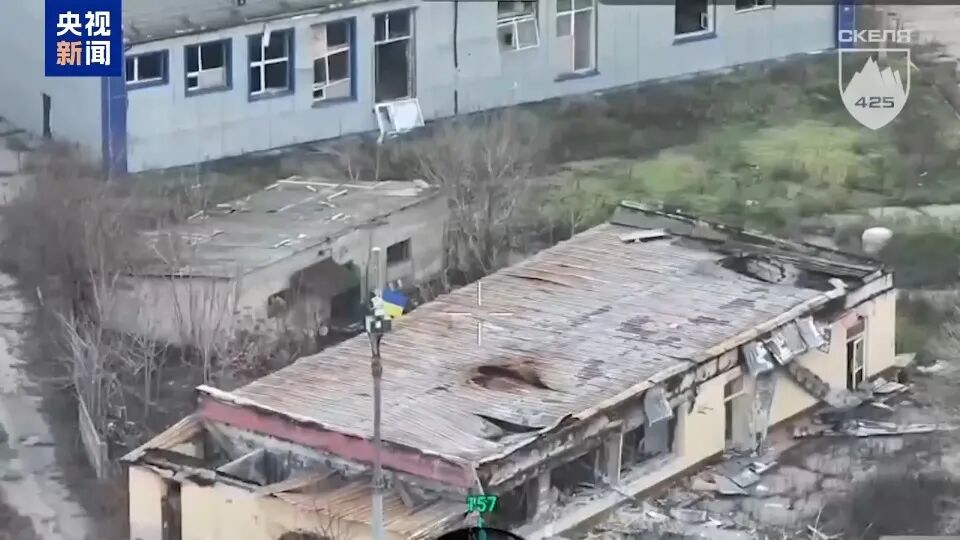
Core Viewpoint - The ongoing negotiations between the U.S., Ukraine, and Russia regarding the conflict are complex, with significant disagreements on territorial issues and military withdrawals, raising concerns about the potential for escalation into a larger conflict [1][2][3][5]. Group 1: U.S. and Ukraine Negotiations - President Trump indicated that the U.S. was close to an agreement with Russia and Ukraine, but emphasized the complexity of the territorial division involved [1]. - Ukrainian President Zelensky confirmed that he submitted a revised agreement to the U.S., which still demands significant territorial concessions from Ukraine [2]. - Zelensky highlighted two main points of contention: the territorial issues in the Donetsk region and the co-management of the Zaporizhzhia nuclear power plant [3]. Group 2: Territorial and Military Issues - Zelensky expressed that any proposed "free economic zone" or "demilitarized zone" must involve mutual military withdrawals from both sides, not just Ukraine [4]. - Discussions included the potential withdrawal of Russian forces from various regions and the freezing of contact lines between Ukrainian and Russian troops [4]. - The Ukrainian military is expected to maintain a force of 800,000, which has been agreed upon by both Ukrainian and U.S. military officials [4]. Group 3: Russian Position and European Concerns - Russian Foreign Minister Lavrov stated that Ukraine must remain neutral, non-aligned, and denuclearized as a starting point for resolving the conflict [5]. - European leaders, including those from Germany and France, have expressed caution regarding U.S. proposals, emphasizing that territorial concessions should be determined by Ukraine and its people [5][6]. - There are ongoing discussions among European leaders to support Ukraine in negotiations while addressing differences with the U.S. on handling Russian assets and security guarantees for Ukraine [6]. Group 4: Military Developments - Russian military claims to have fully controlled the city of Siversk and surrounding areas, which Ukraine denies, asserting that these areas remain under Ukrainian control [7][9]. - Ukrainian forces reported significant military engagements, with numerous air targets tracked and intercepted, indicating ongoing active conflict [9].
美俄乌欧“和平计划”四角博弈 乌总统更新5点信息
Yang Shi Xin Wen· 2025-12-12 04:39
Group 1 - The core viewpoint revolves around the ongoing negotiations for a "peace plan" to resolve the Russia-Ukraine conflict, with significant involvement from the US, Ukraine, and European nations [1][7] - President Trump has publicly urged Ukrainian President Zelensky to adopt a more realistic stance on the Russia-Ukraine issue, expressing a desire to reach an agreement by December 25 [1][7] - Zelensky has articulated a new position on the "peace plan," addressing key aspects such as elections, territorial issues, negotiation progress, ceasefire, and security guarantees [3][8] Group 2 - Zelensky is willing to support elections during wartime, contingent on sufficient international security guarantees, and has instructed lawmakers to prepare relevant legislative amendments [3][8] - The territorial issue is to be determined by the Ukrainian people through elections or a national referendum, indicating a potential for compromise [3][8] - Ukraine has submitted a revised peace plan to the US, reducing the original 28 points to 20, although it remains in draft form [3][8] Group 3 - Zelensky maintains that a ceasefire is a prerequisite for any agreement, emphasizing that this stance has not changed [3][8] - Constructive discussions regarding security guarantees have taken place between Ukrainian officials and a senior US delegation, with Zelensky highlighting the critical nature of security in subsequent steps [3][8] - There is no specific deadline set by the US for concluding the conflict or signing a peace agreement, contradicting Trump's earlier comments about a December 25 target [7][8] Group 4 - The "peace plan" has been divided into three documents: a 20-point framework agreement, a security guarantee document from the US and Europe, and a post-war reconstruction plan, although specific details remain undisclosed [8] - Zelensky has indicated a willingness to hold elections within 60 to 90 days if security can be assured by the US and Europe, despite current laws prohibiting elections during wartime [8][10] - European leaders, including German Chancellor Merz, have emphasized that any territorial concessions must be decided by the Ukrainian president and people, reflecting a collaborative approach to the peace negotiations [11][14]