城市可持续发展

Search documents
2025年世界城地组织理事会会议暨联合国工发组织“城市之桥”十周年特别活动在西安开幕
Xi An Ri Bao· 2025-10-17 02:25
10月16日,2025年世界城市和地方政府联合组织理事会会议暨联合国工业发展组织"城市之桥"十周 年特别活动在西安开幕。 省委常委、市委书记方红卫,世界城地组织主席、荷兰海牙市市长杨·范·赞能,联合国工发组织总 干事代表兼执行干事法图·海达拉,中国人民对外友好协会副会长卢向东,世界城地组织联合主席、市 长叶牛平,哥伦比亚住房、城市与国土部副部长艾迪·马尔凯萨·马西利亚·贝罗出席开幕式并致辞。世界 城地组织轮值主席、土耳其科尼亚市市长乌尔·易普拉辛·阿尔泰,世界城地组织联合主席、南非地方政 府协会主席贝赫·斯托菲尔,世界城地组织副主席、厄瓜多尔皮钦查省省长保拉·帕邦,省委外办主任姚 红娟,市委常委、市委秘书长和文全参加。市委常委、副市长许克涛主持。 方红卫表示,作为世界城地组织联合主席城市,西安正按照习近平主席指引的方向,认真践行共 建"一带一路"倡议,全面扩大高水平对外开放。希望大家携手共进,进一步丰富城市合作内涵,加强创 新合作,扩大开放融通,深化交流互鉴,共同把互鉴互利的理念构筑得更牢,把共建共享的成果落得更 实。 卢向东表示,让我们汇聚城市智慧与地方力量,推进创新转型、建设绿色低碳智慧城市,坚守以人 为 ...
36城可持续发展排名发布,重新定义中国城市十强
2 1 Shi Ji Jing Ji Bao Dao· 2025-10-17 00:09
Core Insights - The report released by the China Standardization Research Institute focuses on urban development indices aligned with the UN's 2030 Sustainable Development Goals, evaluating cities based on six specific indicators: innovative, livable, beautiful, resilient, civilized, and smart cities [1][2] Group 1: Overall Rankings - The report evaluates 36 sample cities, with Beijing, Shenzhen, and Shanghai ranking as the top three, while Jinan's high ranking at fifth is noted as surprising given its lower GDP ranking [2][5] - Shenzhen stands out as the only city to rank in the top 10 across all six indicators, demonstrating balanced development and strong performance in innovation, livability, beauty, civilization, and smart city initiatives [2][5] Group 2: Indicator-Specific Rankings - In the innovation city category, cities like Changsha, Wuhan, and Tianjin excelled, indicating a strong integration of industrial and technological innovation [6] - The livability and beauty indicators highlight that several smaller cities, such as Qingdao and Guiyang, performed well, while larger cities often fell short in these areas, emphasizing the need for a focus on urban "soft power" [7] - The resilience city rankings revealed that no city scored above 80 points, indicating a general weakness in public and medical services across cities [9] - In the civilized city category, cities like Yinchuan and Wuhan ranked well, showcasing effective governance and social environments [9] - The smart city rankings saw cities like Wuhan and Nanjing excel in digital infrastructure, particularly in 5G base station construction [9]
在多维度发展中展现出强劲综合实力
Nan Jing Ri Bao· 2025-10-16 02:25
Core Insights - The report indicates a positive trend in China's urban high-quality sustainable development, characterized by "leading head and overall improvement" [1] - Nanjing ranks eighth with a score of 78.3, demonstrating strong comprehensive strength across multiple dimensions of development [1] Summary by Sections Evaluation Framework - The report constructs an evaluation system that connects the United Nations' 2030 Sustainable Development Goals (SDGs) with China's latest urban policy requirements, serving as both a "health check" for urban sustainable development and a "navigation map" for promoting high-quality development [1] - A total of 36 major cities with mature development and publicly available data were selected as samples, ensuring the credibility and traceability of the results [1] Key Features and Indicators - The evaluation framework includes 90 practical indicators derived from international and national standards, organized into a "two-level framework with multi-dimensional coverage" [1] - Six characteristics are measured: innovative cities, livable cities, beautiful cities, resilient cities, civilized cities, and smart cities [1] Nanjing's Performance - Nanjing excels in several specific measures, ranking fourth nationally in both innovative and smart city categories, and sixth in civilized city ranking, indicating balanced strength in high-quality development [2] - The city shows a "good foundation but still faces challenges" in aligning with SDGs, achieving high levels in SDG4 (Quality Education), SDG9 (Industry, Innovation, and Infrastructure), and SDG11 (Sustainable Cities and Communities) [2] Specific Achievements - In terms of beautiful cities, Nanjing has made significant progress in ecological environment construction, enhancing its image as a "beautiful ancient capital" [2] - The city continues to improve public services and optimize housing security systems as part of its livable city initiatives [2] - Cultural integration and public welfare are promoted in the context of civilized city development, leveraging its rich cultural heritage [2] - The digital economy is a focal point for Nanjing's smart city initiatives, driving the digital transformation of industries [2] - Nanjing is leveraging its concentration of universities and research resources to accelerate innovation and the transformation of research outcomes, although it needs to continue improving municipal infrastructure for resilience [2]
一批新国标落地,涉及能源、家电等
中国能源报· 2025-10-10 06:06
Elderly and Child Care - The release of national standards for elderly care institutions specifically for individuals with cognitive impairments provides systematic guidance on service guarantees, content, and processes [2] - Seven national standards related to toy safety, children's care products, and children's riding equipment have been established to ensure the safety of children's products [2] - A national standard for baby food processors has been introduced to enhance product quality and safety, guiding enterprises in production and providing a scientific basis for government supervision [2] Daily Life - National standards for the quality evaluation of rice and cooking rice products have been published to meet the public's demand for high-quality rice [3] - New standards for electric washing machines, user experience evaluation of home appliances, and recycling services for old appliances aim to improve product requirements from design to user experience [3] - Seven national standards for public safety and emergency management, including community disaster reduction public information signs, have been released to enhance public disaster prevention and self-rescue capabilities [3] Manufacturing and Energy - National standards for vehicle stability testing, safety requirements for hazardous goods transport vehicles, and technical requirements for ships and aviation containers have been published to support the transportation equipment industry [4] - A total of 49 national standards have been established to support the high-quality development of traditional energy, including standards for petroleum product color measurement and natural gas metering system performance evaluation [4] - Six national standards related to aerospace industrial data product identification and traceability have been released to enhance the level of civil aviation [4] - Twenty national standards for wind energy generation systems, metal cutting machine tools, and earth-moving machinery have been introduced to improve equipment efficiency and lifespan [4] Emerging Fields - Twenty-eight national standards for smart interconnectivity, digital twins, robotics, and the Internet of Things have been published to promote the healthy development of cutting-edge technologies [5] - Forty-four national standards supporting the aerospace and communication industries have been established, covering areas such as space environment and fiber optics [5] Urban Development - Four national standards for urban sustainable development, including requirements for urban light environment assessment, have been released to guide healthy and orderly urban construction [6] Service Industry - National standards for agricultural product wholesale market service technology have been introduced to enhance service clarity and upgrade the agricultural circulation industry [7] - Fourteen national standards related to consumer rights protection and optimizing the consumption environment have been published to continuously improve service quality [7] - Two standards for motor vehicle driver training institutions and training grounds have been released to optimize training requirements and facilities, guiding the driver training industry towards quality improvement [7]

60家全球初创科技企业汇聚新加坡,中国这些高校都来了
Di Yi Cai Jing· 2025-09-30 08:10
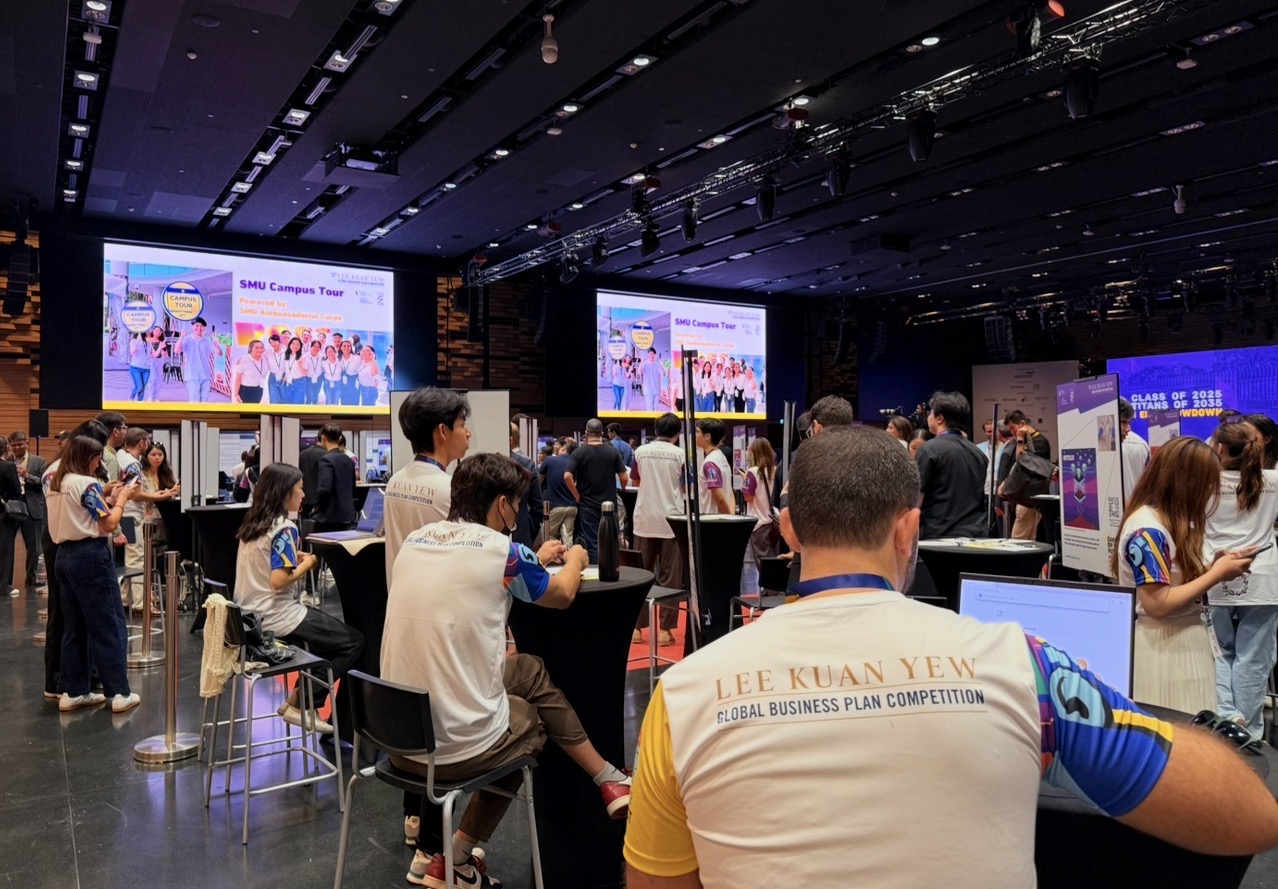
Group 1 - The "Urban Sustainability Accelerator" has been launched by Singapore Management University (SMU) to support tech startups, with a total prize pool exceeding 2.5 million SGD [1][3] - 60 tech startups from global universities, including those from Tsinghua University and Shanghai University of Science and Technology, are participating in the competition [1][4] - The initiative aims to address challenges such as decarbonization and energy transition, aligning with Singapore's "Green Plan 2030" [3][4] Group 2 - The accelerator will provide startups with funding guidance, industry referrals, recruitment assistance, and access to lab validation and certification channels [3][4] - SMU emphasizes the importance of connecting global startup talent with local ecosystems to enhance knowledge and skill transfer [3][4] - Singapore ranks fourth in the 2025 Global Startup Ecosystem Index, having risen 12 places since 2020, and attracts nearly 60% of Southeast Asia's venture capital deals [4] Group 3 - Chinese startups participating in the competition include Zhiwei Chuangxin, Photon Chip, Yiru Biology, and Qingbu Zero Carbon, focusing on sectors like chips, AI, new materials, and energy [6] - Zhiwei Chuangxin, founded by teams from Southeast University and Tsinghua University, aims to enhance IC design efficiency using AI models, targeting a new market [6] - Yiru Biology, co-founded by a Shanghai University of Science and Technology alumnus, is leveraging sustainable materials for applications in clothing and bags, and is exploring international markets [7]
第七届广州奖启动 面向全球征集城市创新案例
2 1 Shi Ji Jing Ji Bao Dao· 2025-09-29 06:11
从左至右依次为:广州市政府外办主任、世界大都市协会亚太区秘书长杨勇,世界大都市协会秘书长乔 尔迪·巴克尔,世界大都市协会主席、摩洛哥拉巴特市市长法蒂哈·艾尔·穆德尼,广州市副市长胡浩,世 界城地组织秘书长艾米莉亚·塞兹,全国友协友好城市和文化交流部主任卿伯明,以及广州奖国际顾 问、广州国际城市创新研究会执行主任游建华。 广州奖由广州市与世界城地组织(UCLG)、世界大都市协会(Metropolis)于2012年联合创设,通过 表彰和推广全球城市治理创新实践,促进城市可持续发展与国际交流合作。广州奖每两年举办一届,迄 今已成功举办六届,累计收录案例超过1600个,逐步发展成为全球城市治理经验交流互鉴、共享先进实 践的重要平台。 巴克尔和塞兹秘书长肯定了广州奖在推动全球城市创新与交流互鉴方面的作用,并回顾了广州奖在促进 成员城市合作与可持续发展中的努力与成就。他们表示,广州奖已成为展示地方治理经验、落实全球议 程的重要平台,并鼓励更多城市踊跃申报案例,共同应对气候变化、社会公平与包容发展等全球性挑 战,携手建设更加可持续、更具韧性的未来城市。 启动仪式上,来自广州市、世界城地组织、世界大都市协会及全国友协等机构的 ...
“江流之心 全球启新”世界水岸城市滨江发展论坛即将启幕
Xin Lang Cai Jing· 2025-09-23 01:58
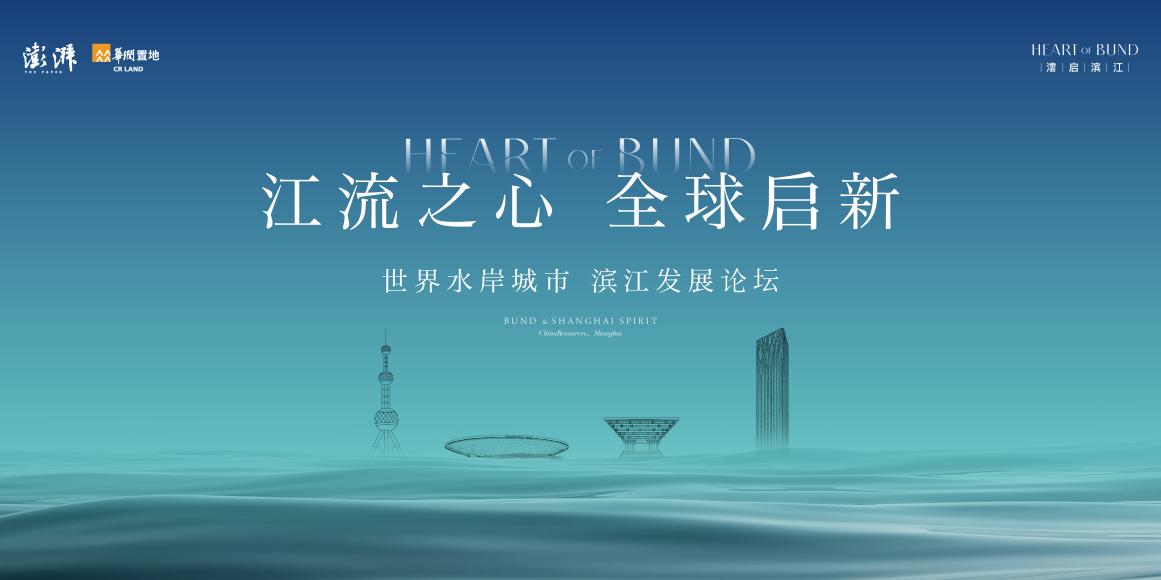
Core Insights - The development of the Shanghai waterfront area, particularly along the Huangpu River, reflects the city's modernization and transformation, showcasing its historical significance and future potential [1][4][6] Group 1: Forum and Discussion - The "Heart of the River, Global Renewal" forum will be held on September 24, focusing on waterfront urban planning, ecological construction, cultural renewal, and economic vitality [3] - The forum aims to gather global perspectives to explore ways to enhance the vibrancy of waterfront areas and shape a world-class waterfront with global influence [3][4] Group 2: Urban Development and Planning - The Huangpu River's transformation from industrial zones to vibrant public spaces illustrates Shanghai's urban upgrade, emphasizing ecological and public accessibility [6][11] - The waterfront area is seen as a crucial resource for urban development, integrating ecological, economic, cultural, and social functions [4][6] Group 3: Potential of the Houtan Area - The Houtan area, identified as the last bay of the Huangpu River, is strategically positioned to connect major urban developments and attract significant resources [7][11] - The area is planned to include residential, commercial, educational, and green spaces, indicating a comprehensive approach to urban living [7][9] Group 4: Infrastructure and Connectivity - The Houtan area benefits from enhanced transportation links, including rapid access routes and a connected greenway, improving accessibility and quality of life for residents [9][11] - The integration of various transport modes and scenic corridors enhances the overall urban experience along the waterfront [9] Group 5: Role of China Resources Land - China Resources Land has been a key player in Shanghai's urban development for over 30 years, significantly influencing the evolution of the waterfront area [11][13] - The company has developed several landmark projects that contribute to the economic vitality and sustainable development of the waterfront, positioning itself as a builder of urban vibrancy [13]

云浮获联合国认可,全球首个“三位一体”综合试点启航
2 1 Shi Ji Jing Ji Bao Dao· 2025-09-19 03:03
Core Viewpoint - Yunfu City has been officially selected as a "UN Sustainable City Standard Demonstration Zone," marking it as the first city to comprehensively implement the UN's sustainable urban and community standards since their release in 2018 [1][2]. Group 1: Sustainable Development Initiatives - Yunfu City has set clear goals and strategic plans for building a "green international city," focusing on the integration of urban and natural landscapes, and has achieved significant results in various fields of sustainable development [2]. - The UN SUC project management committee recognizes both challenges and opportunities in Yunfu's journey to establish a demonstration zone, highlighting potential improvements in energy consumption per GDP, digital city construction, non-fossil energy use, green economy development, and resource recycling [2][3]. Group 2: Implementation Strategies - The city plans to fully apply the UN Sustainable City and Community Standards while innovating locally, focusing on urban construction, community development, and industrial clustering through the establishment of an international sustainable development indicator system and strategic planning [3]. - Over the next two years, Yunfu aims to achieve significant breakthroughs in constructing an international management system for sustainable development, pilot projects for future communities, and the development of emerging industries [3]. - In late November, Yunfu's leaders will participate in international forums and training sessions in Istanbul to globally present their pilot indicator system, implementation plans, and strategic framework [3].
国家市场监督管理总局:将持续推进住宅老旧电梯更新改造
Mei Ri Jing Ji Xin Wen· 2025-09-18 05:59
Core Viewpoint - The National Market Supervision Administration emphasizes the ongoing efforts to promote the renovation and upgrading of old residential elevators, which is crucial for urban sustainable development and enhancing residents' quality of life [1][2]. Group 1: Progress and Initiatives - The National Market Supervision Administration has reported on the progress of the "Quality Strong County (District, Town)" initiative and the renovation of old elevators [1]. - There are currently 12 million elevators in operation across the country, with over 240 billion yuan allocated for subsidies to renovate 160,000 old elevators [1]. Group 2: Importance of Elevator Renovation - The renovation of old residential elevators is highlighted as an important livelihood project that directly impacts residents' safety when using elevators [1]. - The administration is focusing on safety assessments and building a collaborative long-term model to ensure effective implementation of these renovations [1].
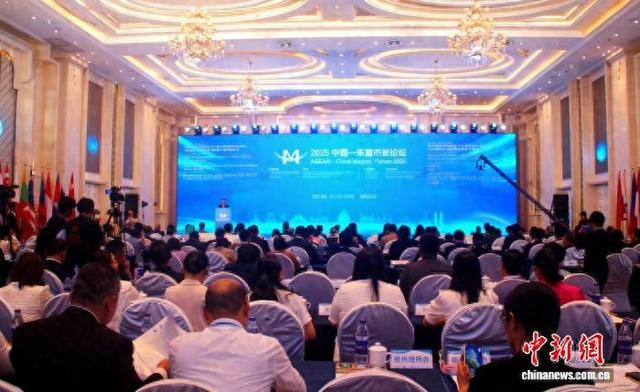
2025中国—东盟市长论坛聚焦城市可持续发展
Zhong Guo Xin Wen Wang· 2025-09-17 07:02
Group 1 - The 2025 China-ASEAN Mayors Forum opened in Guilin, Guangxi, focusing on sustainable urban development and topics such as urban renewal, new city construction, and cultural heritage protection [1] - China's Ministry of Housing and Urban-Rural Development emphasized the importance of cities in modernization and the need for innovative, livable, beautiful, resilient, civilized, and smart urban development [1] - The forum highlighted China's rapid urbanization over the past decades and the ongoing construction of new cities and infrastructure improvements [1] Group 2 - The Vice Secretary-General of the Guangxi Zhuang Autonomous Region proposed initiatives to enhance AI cooperation between China and ASEAN countries, aiming to establish an AI innovation cooperation center [2] - The forum included mayors from eight ASEAN countries and representatives from the ASEAN Secretariat, discussing urban governance, green ecology, digital transformation, and urban planning [2] - Attendees visited the China-ASEAN Architectural Technology Exhibition and examined projects related to water system governance, urban renewal, and traditional building protection [2]