
流感防治

Search documents
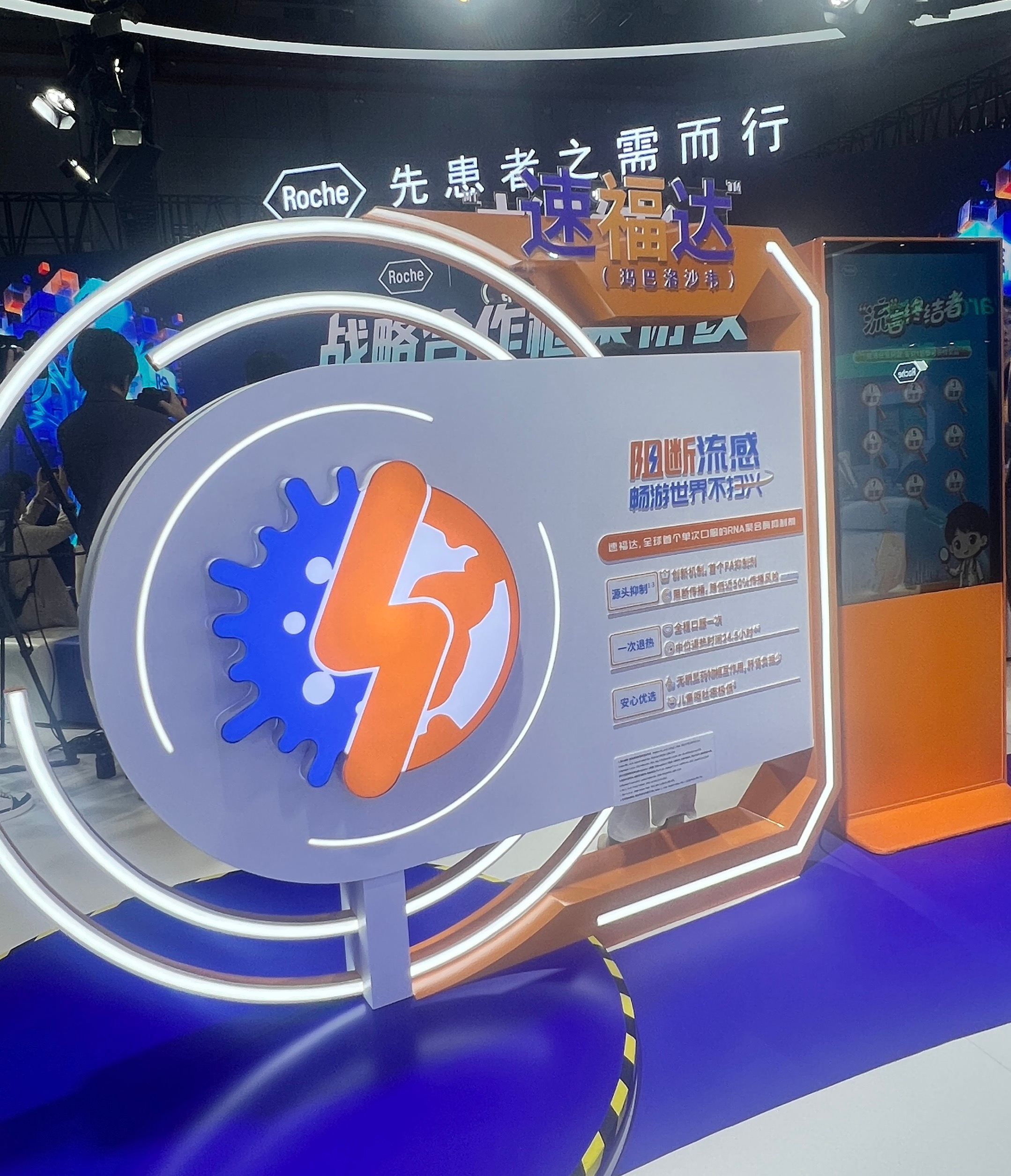
速福达家庭流感阻断新数据亮相进博,携手多方共筑健康“防护链”
Guo Ji Jin Rong Bao· 2025-11-08 05:35
Core Insights - Roche Pharmaceuticals China launched the innovative flu drug, Baloxavir Marboxil (速福达), at the 8th China International Import Expo, highlighting its latest clinical data on family transmission prevention and cross-border health protection solutions [1][10] Group 1: Flu Prevention and Treatment Ecosystem - Roche China collaborates with the China Population Welfare Foundation, medical experts, and digital platform partners to create a comprehensive flu prevention and treatment ecosystem covering prevention, detection, treatment, and assurance [4] - The global flu season, from October to March, sees 3 to 5 million severe cases and 290,000 to 650,000 deaths annually, with increased cross-border movement heightening flu transmission risks [6] Group 2: Vaccination and Public Awareness - In China, the flu vaccination rate remains low at 3.84% for the 2022-2023 season, significantly lower than in Europe and the U.S., indicating a need for improved public awareness and vaccination efforts [8] - The China Population Welfare Foundation initiated a global travel protection campaign for the flu season, aiming to enhance public understanding of flu prevention [6] Group 3: Baloxavir Marboxil Efficacy - Clinical data shows that the family treatment regimen of Baloxavir Marboxil can reduce household flu infection rates from 54.45% to 6.93% and shorten symptom duration from 1.14 days to 0.11 days [10] - The drug's single-dose oral administration improves adherence compared to multi-day regimens, addressing challenges in pediatric medication where 43% of children face difficulties [10][11] Group 4: Pediatric Considerations - Children are particularly vulnerable to flu, with longer illness duration and higher viral shedding, necessitating specialized formulations for effective treatment [10] - The Baloxavir Marboxil pediatric formulation is designed for ease of use, allowing precise dosing based on weight, thus enhancing the medication experience for children [11] Group 5: Commitment to Public Health - Roche emphasizes its commitment to public health and the "Healthy China 2030" initiative, aiming to enhance flu prevention and treatment through scientific advancements and collaboration with various sectors [11]

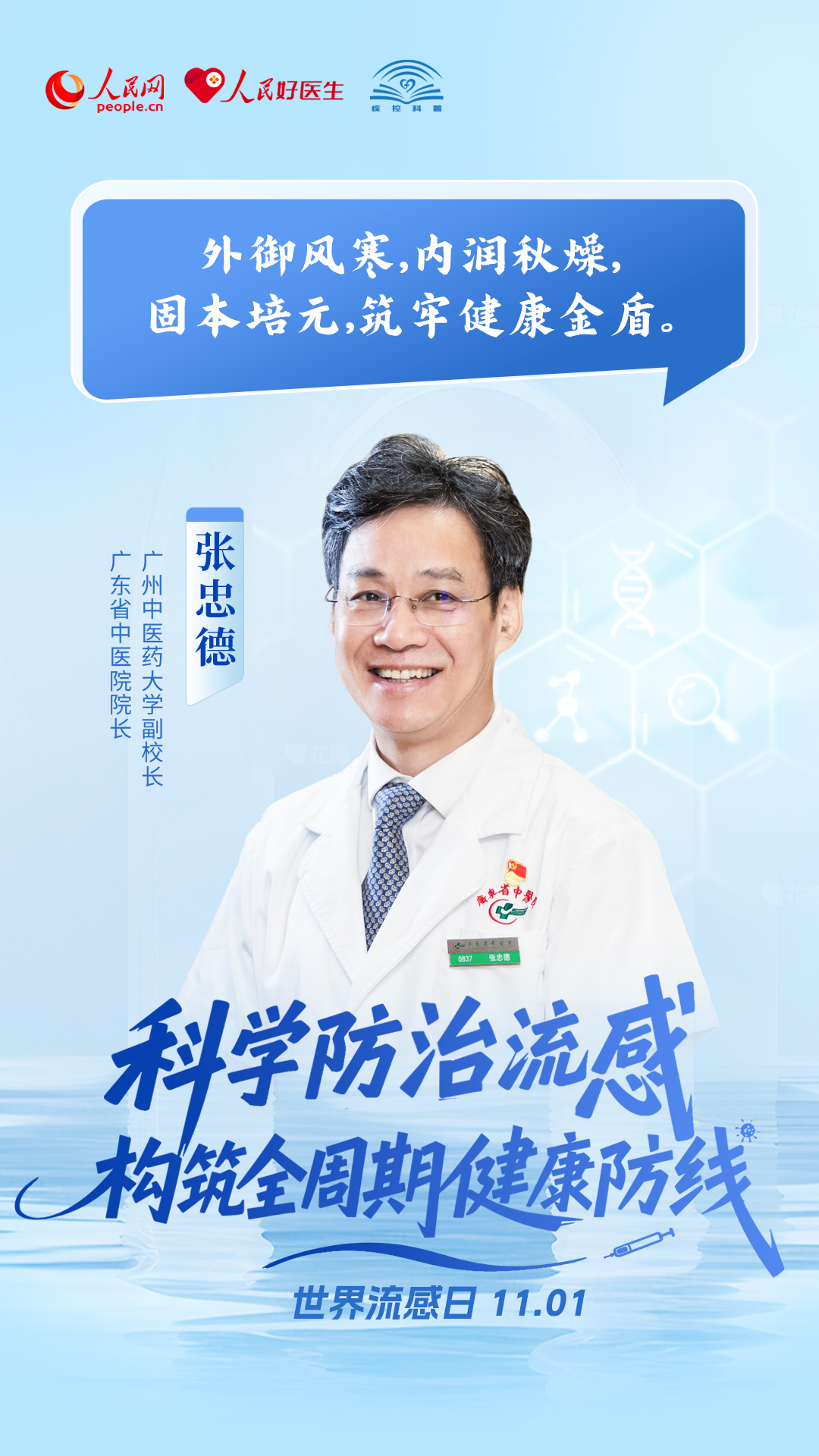
世界流感日|科学防治流感 构筑全周期健康防线
Ren Min Wang· 2025-11-01 01:21
Core Points - The article emphasizes the importance of public awareness and protective measures against influenza as the flu season approaches [1] - A special influenza awareness campaign has been launched in collaboration with the People's Daily and the Chinese Center for Disease Control and Prevention [1] - Experts in respiratory and infectious diseases provide practical health advice on prevention, treatment, and recovery from influenza [1] Prevention - Regular hand washing and maintaining good ventilation in crowded places are recommended to reduce virus transmission [10][13] - Timely vaccination against influenza is highlighted as a crucial preventive measure [18] Treatment - Early diagnosis and prompt medication are identified as key factors in effectively combating influenza [19] Recovery - The article suggests that maintaining a strong immune system is essential for recovery, with advice on nurturing the body and protecting respiratory health [6][16]
流感“抬头” 疫苗、抗病毒药物需求升温
财联社· 2025-10-25 11:06
Core Viewpoint - The flu season in China is expected to arrive earlier this year, with a significant increase in infection rates anticipated due to the emergence of the H3N2 strain as the dominant virus, replacing last year's H1N1 strain [6][11][12]. Group 1: Flu Season and Virus Strain - The proportion of flu-like cases in emergency departments reached 3.3%, with a flu positivity rate of 5.8%, marking a 2.2% increase from the previous week [6][7]. - Experts predict that the flu season may start earlier this year, with the H3N2 strain expected to dominate, leading to a higher number of infections [6][12]. - The flu season's early onset is influenced by factors such as virus mutation, low immunity in the population against H3N2, and unusual climate conditions [12][13]. Group 2: Market Dynamics and Investment Opportunities - The early flu season signals a shift in market dynamics, prompting a surge in flu prevention-related stocks, with some stocks even hitting their daily limit [8]. - The flu vaccine market has seen a decline, with the market size dropping from 101 billion yuan in 2021 to an estimated 88 billion yuan in 2023, and further projected to decrease to 80 billion yuan in 2024 [14][24]. - In contrast, the antiviral drug market is expanding, with the market size nearing 20 billion yuan in 2023, driven by increased demand for antiviral treatments [14][25]. Group 3: Vaccine and Antiviral Drug Market - The penetration rate of flu vaccines in China is approximately 3%, significantly lower than the nearly 50% in Europe and the U.S., indicating a substantial growth opportunity in the vaccine market [22][24]. - The market for antiviral drugs, particularly neuraminidase inhibitors like Oseltamivir, is currently dominated by a few key players, with a notable increase in demand for new RNA polymerase inhibitors [25][26]. - The introduction of new RNA polymerase inhibitors, such as Marbofloxacin, is expected to reshape the market dynamics, enhancing patient willingness to use these medications due to their improved convenience and safety [26][28].


玛舒拉沙韦片上市,百余专家共商流感防、诊、治
Bei Ke Cai Jing· 2025-05-19 10:36
Core Viewpoint - The launch of Mashu Lashawei tablets (brand name: Yisuda) by Qingfeng Pharmaceutical Group represents a significant advancement in the treatment of influenza in China, providing a new therapeutic option for clinicians and addressing the challenges of influenza management [1][2]. Group 1: Product Overview - Mashu Lashawei tablets are the first domestically developed PA inhibitor class influenza innovative drug in China, demonstrating unique advantages in combating drug resistance [2]. - The clinical research data from the Phase III trial indicates that the drug effectively inhibits the RNA polymerase PA subunit of the influenza virus, allowing for rapid symptom relief with a single dose throughout the entire treatment course [2]. Group 2: Clinical Implications - The drug has shown good safety and tolerability, with an overall resistance mutation rate of less than 1%, significantly lower than international counterparts targeting the same mechanism [2]. - Current indications do not cover children under 12 years, who are a high-risk group for influenza, highlighting the urgency for further clinical research to include this demographic [2]. Group 3: Future Directions - Qingfeng Pharmaceutical Group plans to advance clinical research for children under 12, conduct resistance testing, and work on insurance directory inclusion to enhance drug accessibility [2].
