
保交楼

Search documents
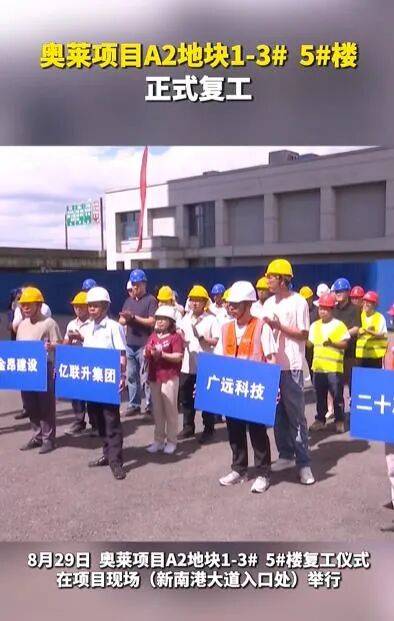
68.35亩、1659套!福州知名烂尾楼复工
Sou Hu Cai Jing· 2025-08-30 13:05
Group 1 - The A2 plot of the Outlet Project covers an area of 68.35 acres with a total construction area of 146,600 square meters, comprising 1,659 units, including 1,588 office units and 71 commercial units, with the main structure already topped out [2] - The project is expected to have a construction period of 8 months, with the project team leveraging "guaranteed delivery" experience to expedite construction progress [2] - The Tianze Outlet Project is a key initiative under the provincial "guaranteed delivery" task, with 16 buildings included in the "guaranteed delivery" construction scope, involving over 2,330 households [5] Group 2 - The Tianze Outlet Project is located in Nantong Town, Minhou County, near the confluence of Dazhang Creek and Wulong River, adjacent to the Fuyin Expressway, developed by Tianze Real Estate, a brand under Lijia Group [5] - The B2 plot's first batch of four buildings (35, 38, 39, 42) is scheduled for delivery in December 2023, with a second batch of 10 high-rise buildings expected to be delivered in November 2024 [7] - The project had been stalled for approximately five years due to the developer's financial issues, with the A and B plots resuming work after a significant delay [5]

华夏幸福发布半年报,“保交楼”有新进展
Bei Jing Ri Bao Ke Hu Duan· 2025-08-26 03:04
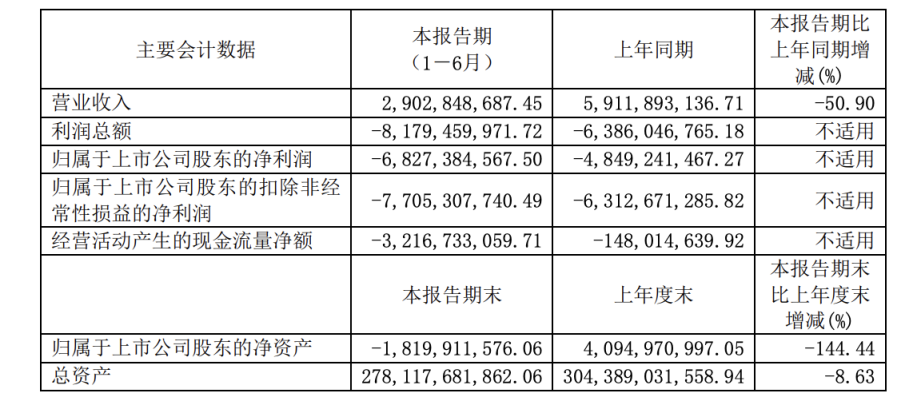
Core Viewpoint - 华夏幸福 reported a significant decline in revenue and an increase in net losses for the first half of 2025, primarily due to reduced project turnover in the real estate sector [1][2][3]. Financial Performance - The company's revenue for the first half of 2025 was 2.903 billion yuan, a decrease of 50.90% compared to the same period last year [2]. - The net loss attributable to shareholders was 6.827 billion yuan, compared to a loss of 4.849 billion yuan in the previous year [1][2]. - Basic earnings per share were a loss of 1.75 yuan [1]. Asset and Debt Management - The company is focusing on "guaranteeing delivery" and debt restructuring as core tasks for the first half of 2025 [3]. - As of the report date, the company had completed the delivery of all residential projects since the end of 2020, with 12,000 remaining apartment units to be delivered [3]. - The debt restructuring plan has seen approximately 1,926.69 billion yuan of financial debt restructured through various agreements [3]. - The company has also initiated significant asset impairment provisions, including a bad debt provision of 2.154 billion yuan [3]. Governance and Controversies - A board member expressed opposition to the large-scale asset impairment provision, citing concerns over the prudence of the proposed asset swap strategy for debt management [4].

华夏幸福: 华夏幸福2025年半年度报告
Zheng Quan Zhi Xing· 2025-08-25 17:05
Core Viewpoint - The report highlights the significant financial challenges faced by the company, including a substantial decline in revenue and net profit, while outlining strategic initiatives for transformation and debt restructuring. Company Overview and Financial Indicators - The company reported a total revenue of approximately 2.90 billion yuan for the first half of 2025, a decrease of 50.90% compared to the same period last year [2] - The total profit for the period was a loss of approximately 8.18 billion yuan, compared to a loss of 6.39 billion yuan in the previous year [2] - The net profit attributable to shareholders was a loss of approximately 6.83 billion yuan, compared to a loss of 4.85 billion yuan in the previous year [2] - The company's total assets decreased by 8.63% to approximately 278.12 billion yuan compared to the end of the previous year [2] Management Discussion and Analysis - The company is committed to the "guaranteeing delivery of buildings" initiative, actively working to mitigate project risks and ensure the completion of residential projects [3] - A debt restructuring plan has been implemented, with a total restructuring amount of approximately 192.67 billion yuan, including domestic and international bond restructuring [3] - The company is focusing on enhancing its operational capabilities while transitioning to a "new city service provider" model, emphasizing industrial development services [3][4] - The company has signed 65 new investment projects with a total contract area of approximately 187,000 square meters during the reporting period [3] Industry Overview - The macroeconomic environment shows a GDP growth of 5.3% in the first half of 2025, with a notable decline in new housing sales area by 3.5% [4] - The real estate market is experiencing a contraction, with a 11.2% decrease in real estate development investment [10] - The demand for industrial park operations and enterprise services is increasing, driven by the need for innovation and development in the industry [8] - The REITs market is expanding, providing new asset sources and development opportunities for industrial parks [7] Business Model and Strategy - The company adopts a comprehensive area development model, focusing on high-quality sustainable development through partnerships with government and social capital [19] - The business model includes various service fees based on the services provided, such as planning, land consolidation, and infrastructure construction [17][18] - The company aims to enhance its residential business by creating high-quality living environments and improving customer service [19]
2024年业绩概览及“十五五”规划下房地产行业展望
EY· 2025-08-20 05:56
Investment Rating - The report does not explicitly state an investment rating for the real estate industry in 2024 Core Insights - The average revenue of the top 30 listed real estate companies in China is projected to decline by approximately 13.83% in 2024, totaling around RMB 2.77 trillion [9] - The average gross margin for these companies is expected to decrease to about 14.42%, down by 1.86% from the previous year [13] - The average net profit margin is projected to be around -10.81%, reflecting a significant decline of 12.45% compared to the previous year [16] - The average return on equity is expected to drop to approximately -20.75%, a decrease of 16.44% from 2023 [59] Summary by Sections 1. Revenue Overview - The total revenue for the top 30 listed real estate companies in 2024 is estimated at RMB 2.77 trillion, a decline of 13.83% year-on-year [9] - Financial Street leads the revenue growth with an increase of 51.74%, reaching RMB 190.75 billion [8] - 20 companies experienced revenue declines, with Midea Real Estate facing the largest drop at 94.94% [9] 2. Gross Margin Overview - The average gross margin for the top 30 companies is projected to be 14.42%, down 1.86% from the previous year [13] - Midea Real Estate shows the highest increase in gross margin at approximately 24.21% [14] - 23 companies reported a decline in gross margin, with Jinhui experiencing the largest drop of 30.80% [13] 3. Net Profit Overview - The average net profit for the top 30 companies is expected to be a loss of RMB 11.65 billion, a decline of 62.09 billion from a profit of RMB 50.44 billion in 2023 [23] - China Resources leads in net profit with RMB 336.78 billion, although this represents a 9.72% decrease from the previous year [24] - Over 70% of companies reported a decline in net profit, with Vanke transitioning from a profit of RMB 204.56 billion to a loss of approximately RMB 487.04 billion [23] 4. Inventory Overview - The total inventory for the top 30 companies is projected to be approximately RMB 60.85 billion, a decrease of 13.58% year-on-year [33] - Only one company, Ruian, reported an increase in inventory, with a growth of 16.03% [33] - Midea Real Estate experienced the largest inventory decline at 99.11% [33] 5. Liquidity Ratios - The average current ratio for the top 30 companies is expected to be 152.86%, a slight increase of 0.15% from the previous year [42] - 16 companies reported a decline in their current ratios, with Xinda showing the largest drop of 39.17% [42] 6. Cash Short-term Debt Ratio - The average cash short-term debt ratio is projected to be 1.52, a decrease of 0.11 from the previous year [54] - Ocean Group has the lowest cash short-term debt ratio at 0.01, while Binhai has the highest at 5.53 [54] 7. Return on Equity Overview - The average return on equity is expected to be -20.75%, a decline of 16.44% from 2023 [59] - Only two companies, Jinmao and New Town, are expected to report positive returns on equity [59]





恒大退市冲击烂尾楼业主,房贷压身家难成,不安漩涡中盼曙光
Sou Hu Cai Jing· 2025-08-15 17:59
Group 1 - The news highlights the plight of homeowners trapped in unfinished buildings due to the Evergrande crisis, emphasizing their financial struggles and emotional distress as they face heavy mortgage payments without a completed home [1][5] - Homeowners are seeking legal recourse and relying on government policies aimed at ensuring the completion of their homes, reflecting their desperation and hope for resolution [1][5] - The banking sector's role is scrutinized, questioning whether banks adequately assessed project risks during loan approvals, as homeowners are left to bear the financial burden despite the banks' initial assessments [3][5] Group 2 - Regulatory failures are identified, with a lack of accountability in the approval and oversight processes that allowed developers to mismanage funds and delay projects, leading to widespread financial distress among buyers [3][5] - The crisis is attributed to aggressive expansion by developers, which ultimately places the burden on innocent homebuyers who merely sought to secure a stable living environment [5] - Government initiatives like "guaranteeing delivery of homes" are being prioritized, but the focus must also be on clarifying responsibilities among developers, banks, and regulatory bodies to restore market trust [5]
恒大退市引爆债务炸弹!162万套烂尾楼业主及供应商追债无门
Xin Lang Cai Jing· 2025-08-14 06:45
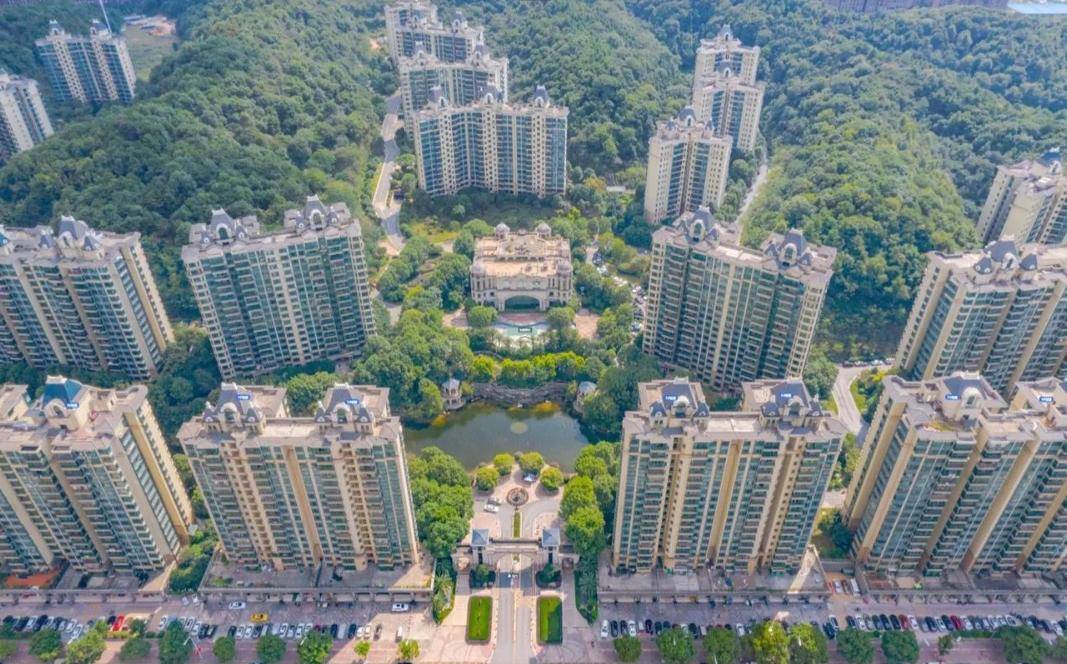
Group 1 - China Evergrande officially delisted from the Hong Kong Stock Exchange on August 25, ending its 16-year capital journey, with a debt burden of 2.4 trillion yuan impacting various stakeholders including investors, suppliers, and homebuyers [1] - 1.62 million unfinished properties affect 6 million homeowners, who face a 25% drop in property value while still repaying mortgages, leading to financial distress and loss of educational opportunities for their children [1] - Suppliers are severely impacted, with Evergrande owing over 900 billion yuan in construction payments, causing significant disruptions in the supply chain, including near bankruptcy for Nantong Sanjian and restructuring for Guotian Group due to bad debts [1] Group 2 - Investors have lost their investments, with retail investors holding 34% of shares seeing their stocks become worthless post-delisting, and state-owned shareholder Shenzhen Talent Housing Group losing a total investment of 25 billion yuan [1] - Evergrande's liquidatable assets are only 2 billion Hong Kong dollars, placing shareholders at the bottom of the repayment hierarchy [1] - The crisis highlights the dangers of high-leverage business models and exacerbates the "guarantee delivery of homes" issue, further eroding social trust [2]
中国恒大将被香港联交所除牌退市
Nan Fang Du Shi Bao· 2025-08-12 23:10
Core Viewpoint - China Evergrande (HK.03333) is set to be delisted from the Hong Kong Stock Exchange on August 25, 2025, following the announcement that it will not appeal the delisting decision, marking a significant event in the company's ongoing liquidation process [1]. Group 1: Delisting Process - The delisting of China Evergrande was widely anticipated in the market, seen as an inevitable outcome due to the company's inability to meet the resumption requirements after being suspended since January 29, 2024 [2]. - According to Hong Kong's listing rules, a company can be delisted if its securities are suspended for 18 months without meeting the criteria for resumption, which China Evergrande failed to do [2]. - From 2018 to June 2025, a total of 167 companies were forcibly delisted from the Hong Kong main board, with an average of over 30 companies delisted annually from 2022 to 2024 [2]. Group 2: Impact on Creditors and Operations - The delisting does not affect the rights of creditors, who can still assert their claims during the ongoing liquidation process [3]. - The delisting will not impact the operational status of Evergrande's subsidiaries, such as Evergrande Auto (HK.00708) and Evergrande Property (HK.06666), which will continue their normal operations [3]. - The liquidation process will proceed as planned, with creditors able to engage with the liquidators regarding the status of their claims [3]. Group 3: Real Estate Operations - Evergrande's management has stated that the delisting will not directly affect the company's real estate operations, and they will continue to fulfill their commitments to deliver properties [4]. - Some of Evergrande's subsidiaries have already entered bankruptcy proceedings, reflecting a market trend of eliminating companies that no longer meet listing requirements [4].
中国恒大将被香港联交所除牌退市,专家称符合市场预期
21世纪经济报道· 2025-08-12 11:56
Core Viewpoint - China Evergrande is set to be delisted from the Hong Kong Stock Exchange on August 25, 2025, following the announcement that it will not appeal the delisting decision [1][3]. Group 1: Delisting Process and Market Implications - The delisting of China Evergrande was widely anticipated and is seen as a necessary outcome of market dynamics, reflecting the accelerated metabolism of the Hong Kong capital market [4][5]. - According to Hong Kong's listing rules, a company can be delisted if its securities are suspended for 18 months, which applies to China Evergrande as it has been suspended since January 29, 2024, due to a court-ordered liquidation [5]. - From 2018 to June 2025, a total of 167 companies were forcibly delisted from the Hong Kong main board, with an average of over 30 companies delisted annually from 2022 to 2024 [5]. Group 2: Impact on Creditors and Operations - The delisting does not affect the rights of creditors, as they can still assert their claims during the liquidation process, and the liquidation will continue unaffected [6]. - China Evergrande's stock will remain suspended until its delisting is finalized, and the company has been unable to find a restructuring plan to meet the requirements for resuming trading [6]. - The real estate operations of China Evergrande are not directly impacted by the delisting, as the company continues to focus on completing housing deliveries [7]. Group 3: Bankruptcy Proceedings - Some subsidiaries of China Evergrande, such as Kailong Real Estate, have entered bankruptcy proceedings, which is viewed as a natural outcome of market selection [7].

解码六大行中报三大关键词
Xin Hua Wang· 2025-08-12 06:19
Group 1: Digital Transformation - Digital transformation has become an inevitable trend in the banking industry, especially accelerated by the pandemic, highlighting the advantages of online channels [2][3] - Major banks are prioritizing digital transformation as a key development strategy, with efforts focused on scenario finance and open banking to reduce customer acquisition costs and improve efficiency [2][4] - Agricultural Bank of China reported a daily active user count of 28 million for its mobile banking platform, indicating a significant shift towards digital interactions [3] Group 2: Protecting Housing Deliveries - Major banks have disclosed their exposure to the "protect housing deliveries" issue, with Industrial and Commercial Bank of China reporting a non-performing loan balance of 63.7 million yuan related to stalled projects, representing only 0.01% of its total mortgage loans [5][6] - Agricultural Bank of China identified 1,112 risk-laden properties, with overdue mortgage loans totaling 1.23 billion yuan, accounting for 0.023% of its personal housing loan balance [5] - The overall growth of personal housing loans among the six major banks has significantly decreased, with a total increase of 415.5 billion yuan in the first half of 2022 compared to 2.4843 trillion yuan in 2021 [6] Group 3: Pension Finance - The development of pension finance has gained momentum, with banks recognizing the urgency to enhance their offerings in this area [8][9] - Construction Bank has proposed a "1314" strategy for pension finance, aiming to provide comprehensive services throughout customers' lives [8] - Several banks, including Agricultural Bank of China, have launched pension financial products, with positive market reception and plans for further product development [9][10]






支持房地产市场平稳健康发展 中信银行与多家房地产企业签订战略合作协议
Xin Hua Wang· 2025-08-12 06:17
Core Viewpoint - Recently, Citic Bank signed strategic cooperation agreements with ten real estate companies, aiming to provide comprehensive financial services and support reasonable financing needs in the real estate sector [1] Group 1: Strategic Cooperation - Citic Bank has entered into "total-to-total" strategic cooperation agreements with ten real estate enterprises, including China Overseas Land & Investment, China Merchants Shekou, and Country Garden [1] - The cooperation will leverage Citic Group's resources to offer services such as real estate development loans, acquisition loans, bond underwriting and investment, and pre-sale fund supervision guarantees [1] Group 2: Policy Alignment - The signing of these agreements is seen as a step to implement the central government's policies, emphasizing that housing is for living, not speculation [1] - The parties involved aim to promote the stable and healthy development of the real estate market and protect the legitimate rights of housing consumers [1] Group 3: Economic Support - Citic Bank is actively supporting the national strategy to stabilize the economy, focusing on ensuring housing delivery and maintaining people's livelihoods [1] - The bank is committed to meeting the reasonable financing needs of real estate companies, particularly private enterprises, in line with the requirements set by the People's Bank of China and the China Banking and Insurance Regulatory Commission [1]
