教育强国

Search documents
人工智能重塑技工教育新图景——全国百所院校无锡共话产教融合新路径
Yang Zi Wan Bao Wang· 2025-10-27 13:51
Core Viewpoint - The forum focused on the theme of "Pathways and Directions for Industry-Education Integration in the Context of Artificial Intelligence," highlighting the opportunities and challenges faced by vocational education in the AI era [1][2]. Group 1: Forum Highlights - The forum was hosted by Wu Jing, a member of the Expert Committee of the China Vocational Association, emphasizing the need for deeper integration of industry and education as a strategic move for the future [2]. - Shao Weijun, Vice President of the China Vocational Association, stressed the importance of addressing the national mission of "Strengthening Education and Skills for the Country" through collective efforts [2]. Group 2: Institutional Contributions - Zhang Wenhua, Vice President of Wuxi Technician College, reviewed the institution's 70-year history, highlighting its commitment to national development and the cultivation of high-quality technical talent, with a graduate employment rate exceeding 98% [3]. - The college aims to focus on cultivating composite talents and building a modern vocational college that is nationally leading and regionally strong [3]. Group 3: Practical Innovations - Representatives from six vocational colleges shared their unique practices, such as AI-enabled teacher training and the integration of AI in traditional manufacturing sectors [4]. - Notably, the Hubei Folk Craft Technician College showcased its "AI + Intangible Cultural Heritage" model, merging traditional crafts with modern technology to create a new educational paradigm [4]. Group 4: Future Outlook - The forum facilitated deep discussions on the role of small and medium enterprises in industry-education integration and the cultivation of digital skills in specific industries [5]. - Participants agreed that the forum served as a platform for sharing experiences and building consensus, aiming to enhance vocational education in the context of AI [5][6].
中国人民大学党委书记张东刚等6位大学书记畅谈学习体会
Bei Jing Ri Bao Ke Hu Duan· 2025-10-25 08:28
Core Viewpoint - The 20th Central Committee's Fourth Plenary Session outlines a strategic blueprint for China's development over the next five years, emphasizing the construction of an education powerhouse alongside advancements in technology and talent [1][2][5]. Group 1: Education Strategy - The session emphasizes the integration of education, technology, and talent development as a unified strategy to enhance China's educational quality and support national goals [1][2][4]. - Universities are tasked with aligning their development plans with the national strategy, particularly focusing on the "14th Five-Year Plan" to enhance their contributions to national rejuvenation and modernization [2][3][5]. Group 2: Institutional Commitment - University leaders express a commitment to deeply understand and implement the spirit of the Fourth Plenary Session, ensuring that educational practices reflect the new strategic directives [2][3][4]. - Institutions like China Renmin University and Shanghai Jiao Tong University highlight their unique disciplinary strengths and the importance of fostering innovative talent to support national objectives [1][2]. Group 3: Regional and National Integration - Universities are encouraged to actively engage with regional development and national strategies, particularly in areas like ecological protection and high-quality development [2][5]. - The focus is on creating a synergy between educational institutions and local industries to drive innovation and support the broader goals of modernization [2][4].
新华鲜报·“十四五”亮点|输送5500万人才!中国建成规模最大且高质量教育体系
Xin Hua She· 2025-10-23 06:46
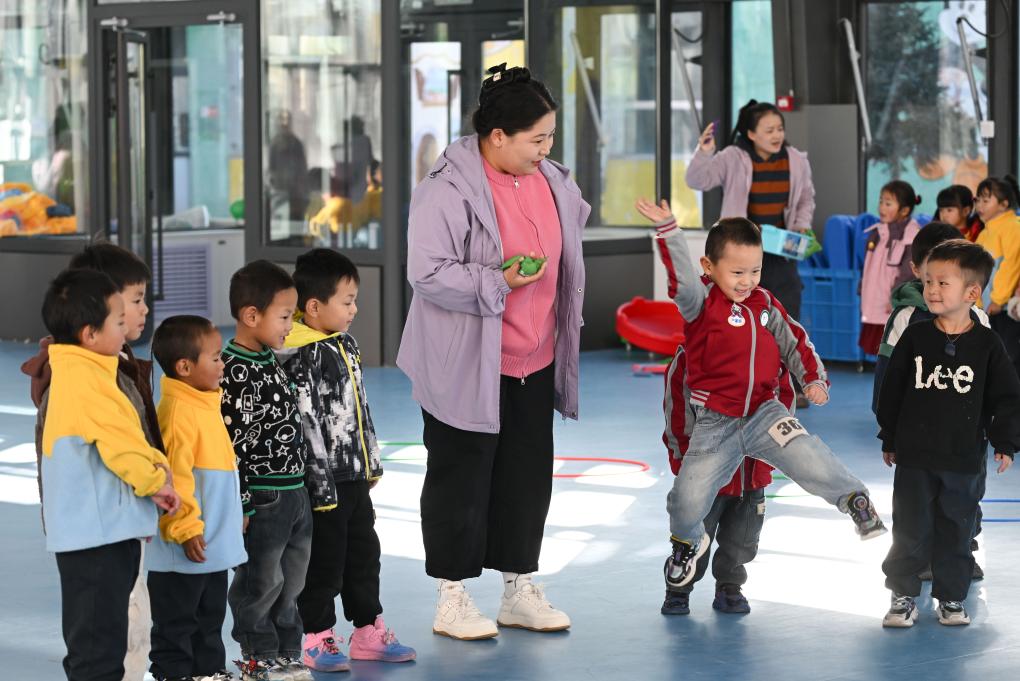
Group 1 - The core viewpoint emphasizes that education is crucial for national development and people's livelihoods, with significant achievements in various educational sectors during the "14th Five-Year Plan" period [1] - Higher education has produced 55 million talents, with a gross enrollment rate of 92% in preschool education and basic balance achieved in compulsory education across 2,895 counties [1] - The implementation of free preschool education this autumn benefits approximately 12 million children, and the enrollment rate for disabled children's compulsory education has reached 97% [1] Group 2 - The article highlights that the competition in today's world is fundamentally a competition for talent and education, with significant advancements in space exploration linked to educational development [2] - During the "14th Five-Year Plan" period, over 75% of national natural science awards and over 55% of technological invention awards were awarded to universities, showcasing their contributions to innovation in fields like life sciences and artificial intelligence [2] - Vocational education is noted for supplying over 70% of new high-quality skilled talents for modern industries, supporting the transition from "Made in China" to "Created in China" [2]
“十四五”亮点:输送5500万人才!中国建成规模最大且高质量教育体系
Xin Hua Wang· 2025-10-23 04:11
Group 1 - The core viewpoint emphasizes that education is crucial for national development and people's livelihoods, with significant achievements in various educational sectors during the "14th Five-Year Plan" period [1] - Higher education has produced 55 million talents, with a gross enrollment rate of 92% in preschool education and basic balance achieved in compulsory education across 2,895 counties [1] - The government is progressively implementing free preschool education, benefiting approximately 12 million children this autumn semester, and the enrollment rate for disabled children's compulsory education has reached 97% [1] Group 2 - The article highlights that the competition in today's world is fundamentally a competition for talent and education, with significant advancements in space exploration linked to educational development [2] - During the "14th Five-Year Plan" period, universities received over 75% of national natural science awards and technology invention awards, and over 55% of technology progress awards, particularly excelling in life sciences, quantum technology, and artificial intelligence [2] - Vocational education is crucial for industrial innovation, supplying over 70% of new high-quality skilled talents for modern industries, supporting the transition from "Made in China" to "Created in China" [2]
输送5500万人才!中国建成规模最大且高质量教育体系
Xin Hua She· 2025-10-23 02:20
Group 1 - The core viewpoint emphasizes the importance of education as a national strategy and a means of improving people's livelihoods, highlighting the significant achievements in China's education system during the "14th Five-Year Plan" period [1] - The higher education system has produced 55 million talents, with a gross enrollment rate of 92% in preschool education and basic balance achieved in compulsory education across 2,895 counties [1] - The government is gradually implementing free preschool education, benefiting approximately 12 million children this autumn semester, and the enrollment rate for disabled children's compulsory education has reached 97% [2] Group 2 - The article discusses the need to strengthen teacher quality and ethics, with a focus on cultivating educational values and reducing teachers' burdens by over 65% [2] - It highlights the comprehensive development of students through a well-rounded education system that includes moral, intellectual, physical, aesthetic, and labor education [2] - The article notes that the competition in the modern world is fundamentally a competition for talent and education, with significant contributions from higher education institutions in various scientific fields [4] Group 3 - Vocational education is identified as a crucial driver for industrial innovation, providing over 70% of new high-quality skilled talents for modern industries [6] - The integration of vocational and general education is emphasized as a means to cultivate skilled workers and craftsmen essential for national modernization [6] - The article concludes by asserting that education is foundational for national prosperity and the happiness of the people, reinforcing the commitment to building a strong education system [6]

新华鲜报·“十四五”亮点丨输送5500万人才!中国建成规模最大且高质量教育体系
Xin Hua She· 2025-10-23 01:32
Group 1 - The education system in China has become the largest and highest quality during the "14th Five-Year Plan" period, contributing to the supply of 55 million talents to society [1] - The gross enrollment rate for preschool education has reached 92%, and 97% of disabled children have access to compulsory education [3] - The government has increased support for education in underdeveloped areas, making educational public services more inclusive and high-quality [3] Group 2 - The competition in the modern world is fundamentally a competition for talent and education, with significant achievements in various fields such as life sciences, quantum technology, and artificial intelligence during the "14th Five-Year Plan" [5] - Over 75% of national natural science awards and technical invention awards, as well as 55% of scientific and technological progress awards, have been awarded to universities [5] - Vocational education contributes over 70% of the newly added high-quality skilled talents for modern industries, supporting the transition from "Made in China" to "Created in China" [6] Group 3 - The education system aims to cultivate well-rounded individuals through a comprehensive development framework that includes moral, intellectual, physical, aesthetic, and labor education [3] - The focus on teacher ethics and reducing their burdens has led to a new atmosphere in teaching, with a significant reduction in social affairs in schools by over 65% [3] - The integration of vocational and general education is essential for nurturing skilled workers and craftsmen, which is crucial for China's modernization [6]
“十四五”亮点丨输送5500万人才!中国建成规模最大且高质量教育体系
Xin Hua She· 2025-10-23 01:23
Core Insights - Education is a crucial aspect of national strategy and people's livelihood, with significant achievements in higher education, early childhood education, and compulsory education during the "14th Five-Year Plan" period [1][3]. Group 1: Education Achievements - A total of 55 million talents have been trained through higher education, with a gross enrollment rate of 92% in preschool education, and basic balance achieved in compulsory education across 2,895 counties [1]. - Approximately 12 million people benefited from the implementation of free preschool education in the current academic year, and the enrollment rate for disabled children's compulsory education reached 97% [3]. Group 2: Teacher Development - Emphasis on cultivating the spirit of educators, promoting ethical standards, and reducing teachers' burdens by cutting social affairs in schools by over 65% [3]. - A new approach to teacher development is being adopted, focusing on moral integrity, dedication, and comprehensive education [3]. Group 3: Integration of Education and Innovation - The competition in the modern world is fundamentally about talent and education, with significant contributions from educational institutions in various fields, including space exploration and technology [5]. - Over 75% of national natural science awards and 55% of technological advancement awards were obtained by higher education institutions during the "14th Five-Year Plan" period, particularly in life sciences, quantum technology, and artificial intelligence [5]. Group 4: Vocational Education - Vocational education plays a vital role in driving industrial innovation, supplying over 70% of new high-quality skilled talents for modern industries [7]. - The integration of vocational and general education is essential for cultivating skilled workers and supporting China's modernization efforts [7].
教育部教育家精神巡回宣讲活动在港举行
Xin Hua Wang· 2025-10-22 12:21
Core Points - The event "Education Spirit Tour" was held in Hong Kong, attended by over 300 principals and teachers from Hong Kong and Macau [1] - The theme of the event focused on fostering a strong educational spirit to contribute to the development of a powerful education nation [1] - The Director of the Teacher Work Department emphasized the importance of nurturing national consciousness and social responsibility among educators [1] Group 1 - The event was guided by the Ministry of Education and hosted by the Hong Kong Education Bureau [1] - Presentations were made by educators from the mainland and Hong Kong, highlighting the significance of educational spirit in contemporary times [1] - The Director encouraged educators to enhance their professional skills and foster collaboration, leveraging Hong Kong's unique position to build a talent hub [1] Group 2 - During the event, a ceremony was held to award the "2024-2027 New Era Primary and Secondary School Famous Teachers and Principals Training Program" to Hong Kong and Macau members [2] - A certificate presentation ceremony for the national display activity "Telling My Educational Story" was also conducted [2]
“教育强国与创新创业高质量发展”2025年学术年会在沪召开
Zhong Guo Jing Ji Wang· 2025-10-21 07:44
Core Points - The conference focused on the high-quality development of innovation and entrepreneurship education in higher education under the context of building a strong educational nation [1][2] - The new leadership aims to enhance the capacity to serve the construction of a strong educational nation through academic focus and talent cultivation [1][2] - The event included nine academic exchange activities covering various topics related to innovation and entrepreneurship education [3] Group 1 - The conference gathered over 600 representatives from universities to discuss the mission of innovation and entrepreneurship education in the context of national educational goals [1] - The president of the China Higher Education Association emphasized the importance of integrating moral education and industry-education collaboration in higher education [1] - The Shanghai Municipal Education Commission highlighted the city's commitment to innovation and entrepreneurship education as a key support for national strategies [2] Group 2 - The Shanghai Lingang Economic Development Group is working on creating a comprehensive ecosystem for original innovation and entrepreneurship, collaborating with universities [2] - The newly elected chairman of the innovation and entrepreneurship education association plans to enhance member services and international cooperation [2] - The conference featured discussions on various aspects of innovation and entrepreneurship education, including curriculum development and social entrepreneurship [3]

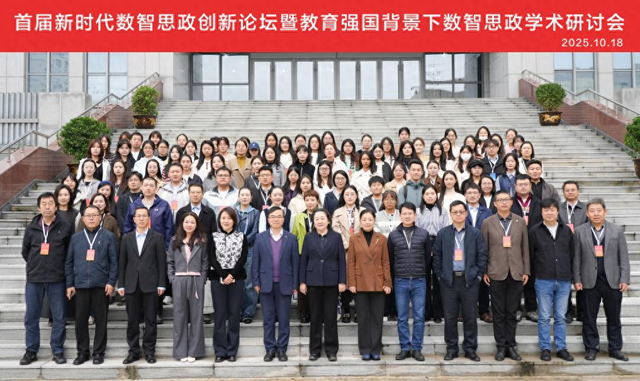
西安电子科技大学成功举办首届新时代数智思政创新论坛暨教育强国背景下数智思政学术研讨会
Huan Qiu Wang· 2025-10-20 08:45
来源:环球网 10月18日,西安电子科技大学马克思主义学院主办的"首届新时代数智思政创新论坛暨教育强国背景下 数智思政学术研讨会"在北校区会议中心顺利召开。本次论坛汇聚了国内知名专家学者与科技工作者, 围绕教育强国背景下数智思政发展这一核心命题展开深入讨论。校党委常委、副校长李赞应邀出席大 会,来自全国各地近百名专家学者、思想政治教育工作者以及研究生参加了本次大会。大会开幕式由校 党委常委、宣传部部长季庆阳主持。 开幕式上,李赞代表学校致辞,对各位与会人员表示热烈欢迎。她在致辞中指出,作为以传承红色基因 为使命,以服务国家战略为己任的工程技术院校,西安电子科技大学始终紧扣教育强国战略目标,积极 探索思想政治教育数字化转型的创新路径。她强调,我们应当紧紧围绕教育强国建设目标,着力打 造"数智思政"创新高地,既要充分发挥学校在电子信息、人工智能等学科领域的领先优势,推动思想政 治教育与前沿技术深度融合;又要立足"大思政课"综合改革,系统构建"数字赋能、协同育人"的新生 态。智能时代带来了前所未有的机遇与挑战,她期待借助此次会议,搭建教育界、科技界的集体智慧与 协同攻关平台,为推动新时代思政教育守正创新、高质量发展 ...