
电信诈骗

Search documents
女子当面给骗子200万现金
Xin Lang Cai Jing· 2026-01-06 12:15
【#女子当面给骗子200万现金#】1个月前,辽宁大连警方获得涉电诈案线索,沿途布控堵截,抓获嫌疑 人张某臣,在其车上缴获200万元诈骗资金。但民警发现,张某臣仅是一名听从远程指令、专门负责收 取并转移赃款的"车手",与被害人并不认识。#警方寻人谁被骗了200万# 当地反诈中心便发布一则特殊 的寻人启事,全市寻找将200万现金交给他人的被害人。最终,民警上门找到了被害人王女士,她还未 察觉到自己被骗……原来,王女士被"无话不谈的网友"诱导,对方声称有"稳赚理财"渠道,王女士便把 200万现金当面交给了伪装成金融机构工作人员的张某臣。[话筒]警方提醒:凡是以各种理由要求大额 取现并当面交付给指定人员或运送到指定地点的都是诈骗!(央视) ...
突然收到“沪江网校退费公告”短信?平台客服回应:系电信诈骗
Yang Zi Wan Bao Wang· 2026-01-05 15:50
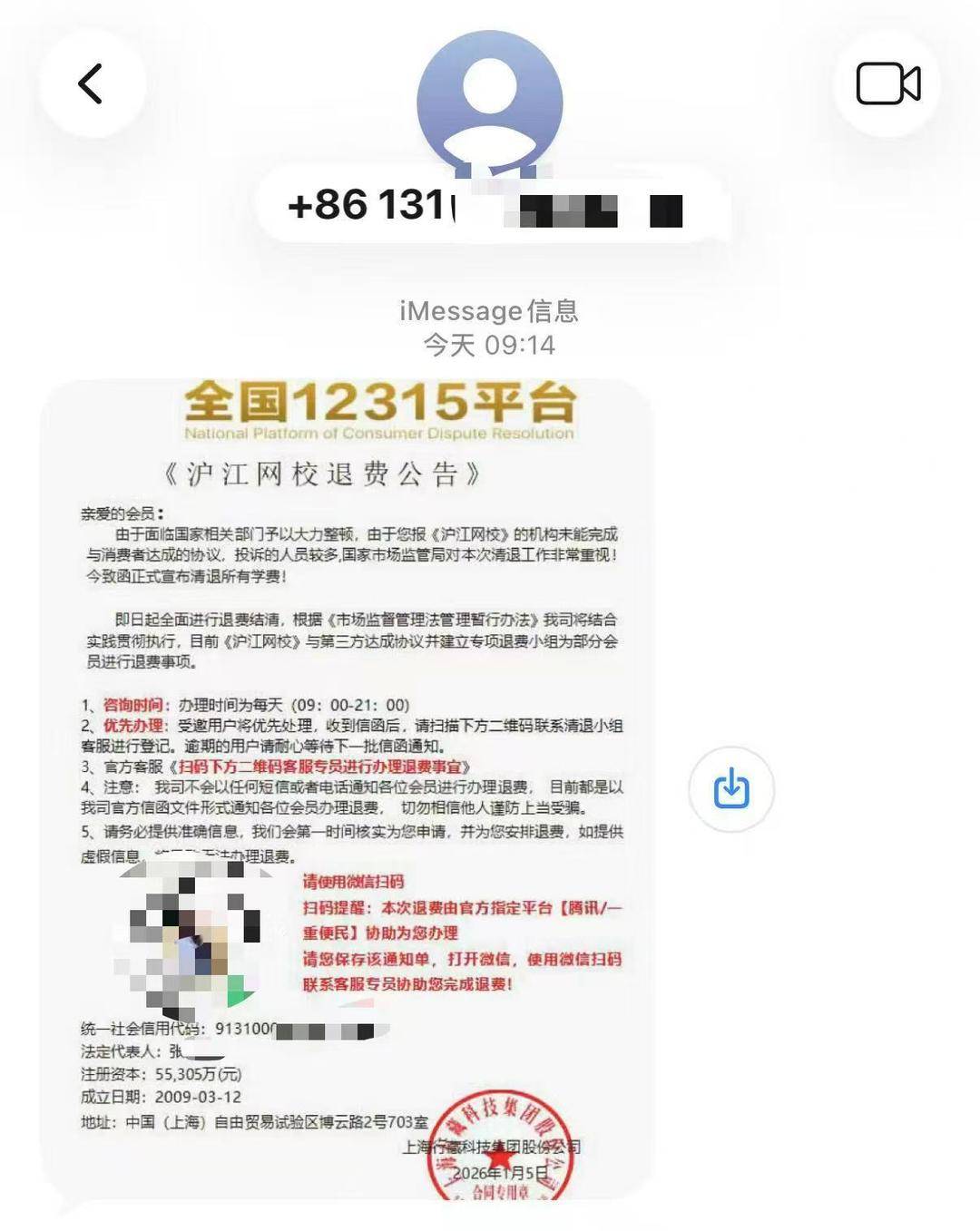
"突然收到一条退费公告短信,标题还写着全国12315发布,这是什么情况?"近日,南京市民刘女士(化名)向扬子晚报/紫牛新闻记者反映,自己收到一 条落款为沪江网校关联公司的退费短信,短信详细描述了退费依据和流程,还附有小程序二维码引导办理。但令刘女士疑惑的是,她从未在该平台充值消 费,且短信发送号码为归属地云南的私人手机号。沪江网校官方客服对此回应称:"我们从未泄露任何学员信息,这是常见的电信诈骗手法,如已受骗, 请立即报警。"记者搜索发现,此类退费诈骗并非个例,已有多地市民遭遇类似骗局。 记者看到,刘女士收到的这份"沪江网校退费公告"称:"由于您报《沪江网校》的机构未能完成与消费者达成的协议,投诉的人员较多……即日起全面进 行退费结清,根据《市场监督管理法管理暂行办法》我司将结合实践贯彻执行,目前《沪江网校》与第三方达成协议并建立专项退费小组为部分会员进行 退费事项。"此外,公告要求受邀用户扫描附带的小程序二维码,联系客服专员办理退费。 刘女士回忆,自己此前虽然的确注册过沪江网校账号,但从未充值或报名任何课程,"而且我也已经好几年没用过这个平台了,不知道何来退费一说"。此 外,刘女士还注意到,该条短信的发送方 ...

凌晨3点手机突然自动转账!她的操作堪称“范本”
Xin Lang Cai Jing· 2026-01-05 09:28
进一步沟通 (来源:中国妇女网) 转自:中国妇女网 近日 浙江从事货运的贺女士接到一单生意 对方要求互加微信 同时给她发过来一个"软件" 对方告诉贺女士"你扫描这个二维码,下载这款软件,明天装货要用的。" 但贺女士扫码下载后,软件却无法打开,在对方的指导下,尝试了好几次都没成功,她便没再理会。 没想到凌晨三点贺女士发现她的手机屏幕亮起,开始"自动转账"。 "手机像是被别人远程控制了!"贺女士马上反应过来,白天那个打不开的软件有问题。接下来,她的一系列操作堪称"反诈自救范本"。 01 "三步操作+报警" 避免财产损失 ▶第一步:火速断网 贺女士第一时间拔掉手机卡,断开手机网络,阻止可能的远程操控与信息窃取。 ▶第二步:紧急转移资金 贺女士使用丈夫的手机,迅速将自己银行卡里的钱转到一张未绑定任何线上支付的卡里。由于转账限额,她又立即将所有银行卡全部解绑,彻底锁死资金流 出通道。 ▶第三步:彻底清除威胁 为避免信息持续泄露,贺女士果断将手机恢复出厂设置,格式化清除潜在病毒。 ▶同时:立即报警 完成紧急处置后,贺女士立即赶往派出所报案,向警方说明全过程,寻求专业协助。 浙江省嘉兴市桐乡市公安局崇福派出所民警听后,称赞 ...
电诈洗钱套路已进化到5.0版本:遥控车变“运钞车”,雇佣未成年当赃款“车手”,中老年人被利用成了“工具人”
Xin Jing Bao· 2025-12-30 02:16
Core Viewpoint - The article highlights the evolution of money laundering techniques used by telecom fraudsters, indicating a shift from traditional methods to more sophisticated approaches, including the use of remote-controlled cars for cash transfers and the recruitment of "runners" to facilitate cash withdrawals [1][16][20]. Group 1: Evolution of Money Laundering Techniques - The laundering methods have progressed from using bank transfers to more complex schemes involving physical cash and goods, reflecting an adaptation to increased law enforcement scrutiny [1][6]. - The current predominant method involves "runners" who withdraw cash on behalf of fraudsters, which has become a significant focus for law enforcement [1][12]. - The introduction of remote-controlled cars for cash collection represents a new level of sophistication in evading detection during money laundering operations [16][20]. Group 2: Impact on Law Enforcement - Law enforcement agencies have intensified their efforts to combat telecom fraud and money laundering, leading to the arrest of over 600 individuals involved in cash withdrawal operations [20]. - The emergence of "runners" has provided law enforcement with new opportunities for tracking and apprehending fraudsters, as traditional investigative methods can be applied effectively [19][20]. - Continuous public awareness campaigns are deemed essential to educate citizens about fraud schemes and money laundering tactics, aiming to reduce the number of victims [2][20]. Group 3: Case Studies and Examples - The article presents several case studies of elderly victims who were manipulated into becoming unwitting participants in money laundering schemes, illustrating the emotional and financial toll of such frauds [3][4][5]. - Specific instances of fraud, such as the use of shopping cards and gold purchases for laundering, demonstrate the diverse strategies employed by fraudsters to obscure the origins of illicit funds [10][11]. - The involvement of minors and unemployed individuals as "runners" highlights the socio-economic factors that contribute to the perpetuation of these schemes [14][15].
岁末守平安,防非护钱袋 平安人寿山东分公司开展“岁末年初”防范非法金融活动
Qi Lu Wan Bao· 2025-12-29 23:58
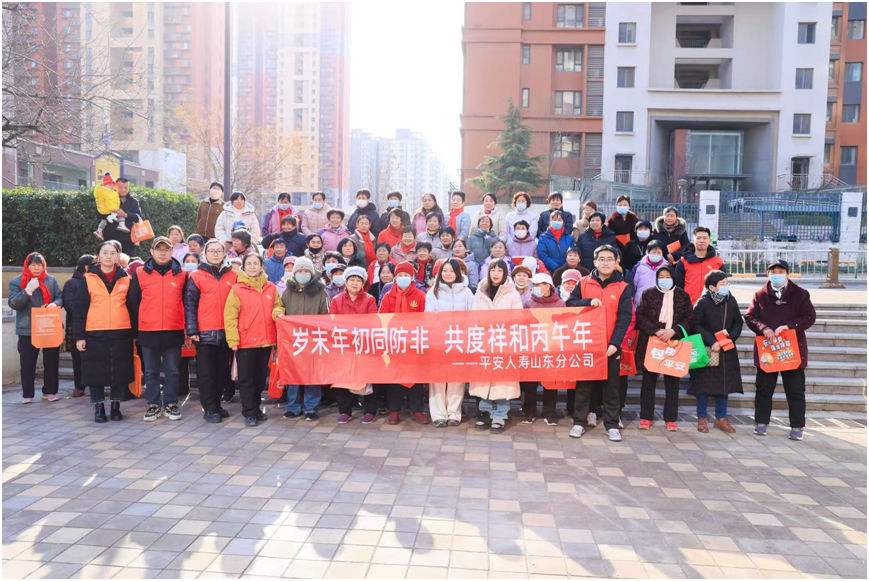
Core Viewpoint - The article highlights a community event organized by Ping An Life Insurance Shandong Branch to enhance residents' awareness and ability to prevent financial fraud and risks, focusing on both financial safety and emergency health training [1][12]. Group 1: Financial Fraud Prevention - The event featured financial knowledge volunteers who educated residents on avoiding illegal fundraising, telecom fraud, and recognizing money laundering traps through practical examples [3]. - Volunteers used real-life cases to illustrate the tactics of fraudsters, such as scams disguised as "retirement investments" or "community group buying rebates" [3]. - A warning was issued regarding high-return, low-risk investment schemes, which are often fronts for illegal fundraising, emphasizing the importance of choosing legitimate financial institutions [3]. Group 2: Emergency Training - The "Orange Heart Guardians Team" provided practical training on emergency skills, including CPR and the Heimlich maneuver, allowing residents to practice these life-saving techniques [9]. - Participants expressed that hands-on experience significantly improved their understanding of how to respond in critical situations [9]. Group 3: Ongoing Community Engagement - The event is part of a broader initiative by Ping An Life Insurance to establish a "grid-based" financial knowledge promotion mechanism, aiming to enhance financial literacy and risk prevention across multiple communities in Jinan [12]. - The company is committed to ongoing efforts in financial safety and community well-being, reinforcing the message that financial security is a continuous responsibility [13].

泰州警方通报,女子假冒“中国书法家协会主席”被抓
Xin Lang Cai Jing· 2025-12-29 06:53
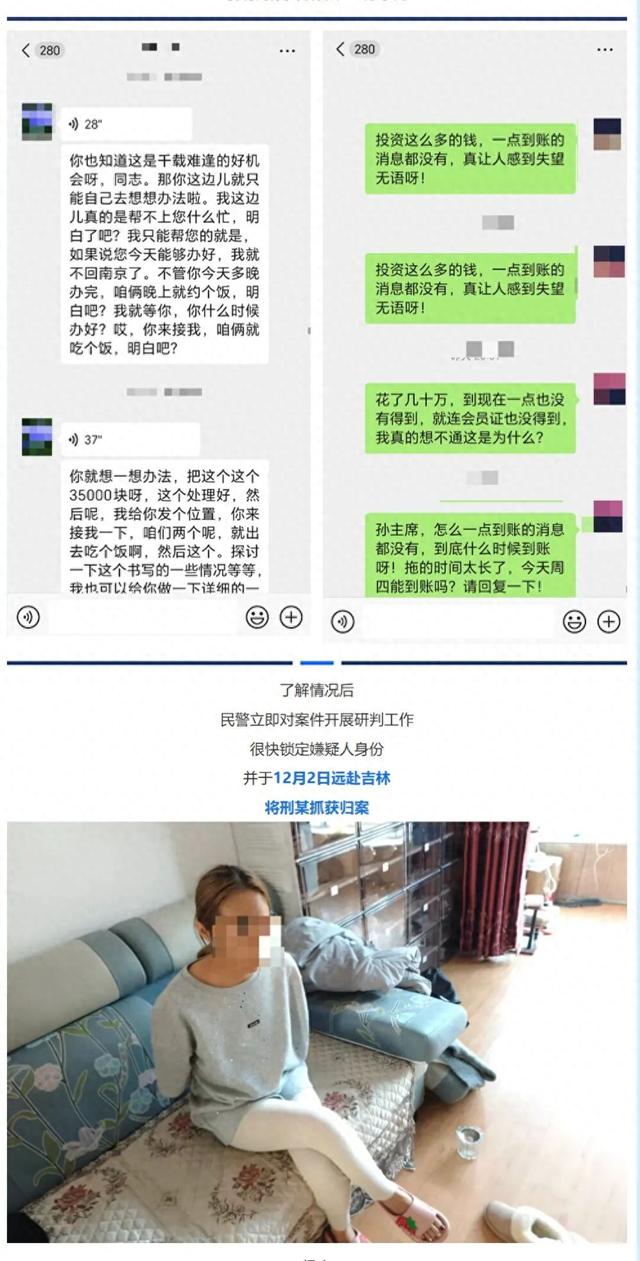
消息显示,近日泰州市公安医药高新区分局口岸派出所成功破获一起假冒"中国书协主席"实施诈骗的案 件,抓获犯罪嫌疑人1名。 11月20日,辖区群众周某报警,称自己近期向"中国书协"转账20余万元入会费,但目前迟迟未入会,怀 疑遭遇电信诈骗。 本文转自【人民网江苏】; 据"平安泰州"消息,近日,书法爱好者周大爷"莫名其妙"地收到来自 "中国书法家协会" 的入会邀请, 激动的心、颤抖的手,一番操作下,转账22万余元,结果协会不仅没入成,结识的"协会主席"也销声匿 迹了。 "我啥也不知道啊,'孙主席'说他有办法入会,我就信了。现在退款不了,人也联系不上。"周某几日前 在网络平台认识一名网友,对方自称是"中国书法家协会主席",因周某本身是书法爱好者,两人便就 此"聊开了"。对方随后提出帮助周某入会,先后以办理会员证、缴纳活动赞助费为由,引诱周某陆续转 账22万余元。 警方提醒,任何个人或机构,若以协会入会名义索要钱财,均属诈骗行为,请务必提高警惕,保护个人 财产安全,谨防上当受骗。 来源|人民网江苏综合 平安泰州 了解情况后,民警立即对案件开展研判工作,很快锁定嫌疑人身份,并于12月2日远赴吉林将刑某抓获 归案。 经查, ...
长期冒充“中国书法家协会主席”的骗子被抓
Xin Lang Cai Jing· 2025-12-29 05:51
智通财经记者 岳怀让 近日,"平安泰州"微信公众号发布一则消息,书法爱好者周大爷"莫名其妙"地收到来自 "中国书法家协 会" 的入会邀请,激动的心、颤抖的手,一番操作下,转账22万余元,结果协会不仅没入成,结识 的"协会主席"也销声匿迹了。 消息介绍,近日,泰州市公安医药高新区分局口岸派出所成功破获一起假冒"中国书协主席"实施诈骗的 案件,抓获犯罪嫌疑人1名。 11月20日,辖区群众周某报警,称自己近期向"中国书协"转账20余万元入会费,但目前迟迟未入会,怀 疑遭遇电信诈骗。 "平安泰 州"微信公众号截图 近年来,中国书法家协会遭冒充的情况已有多起。 例如,2019年6月,浙江金华武义县融媒体中心就曾发布一则武义县书法家协会的通告:从公安部门获 悉,潘惠平(男,武义县柳城畲族镇人)因使用伪造的社会团体证件,冒充中国书法家协会副主席,根 据《中华人民共和国治安管理处罚法》被武义县公安局行政拘留。 "我啥也不知道啊,'孙主席'说他有办法入会,我就信了。现在退款不了,人也联系不上。"周某几日前 在网络平台认识一名网友,对方自称是"中国书法家协会主席",因周某本身是书法爱好者,两人便就 此"聊开了"。对方随后提出帮助 ...
俄联邦安全局:一女子受电诈胁迫试图引爆军官车辆 被当场抓获
Yang Shi Xin Wen· 2025-12-26 08:51
Core Viewpoint - The Russian Federal Security Service (FSB) has thwarted a terrorist attack targeting a military officer, detaining a female suspect who was allegedly directed by Ukrainian intelligence [2] Group 1: Incident Details - The suspect was found in possession of a homemade explosive device with a power equivalent to 400 grams of TNT, intended to be placed on a vehicle near a military camp [2] - The suspect was apprehended while attempting to carry out the attack [2] Group 2: Background Information - The investigation revealed that the suspect had been a victim of telecom fraud earlier in December, where criminals used threats of fabricated criminal prosecution to manipulate her into agreeing to execute the terrorist act [2] - The FSB has initiated criminal proceedings against the detainee under relevant articles of the Russian Criminal Code concerning the conspiracy to commit terrorism and the illegal storage and manufacture of explosives [2] - The suspect has reportedly confessed and expressed remorse for her actions [2]
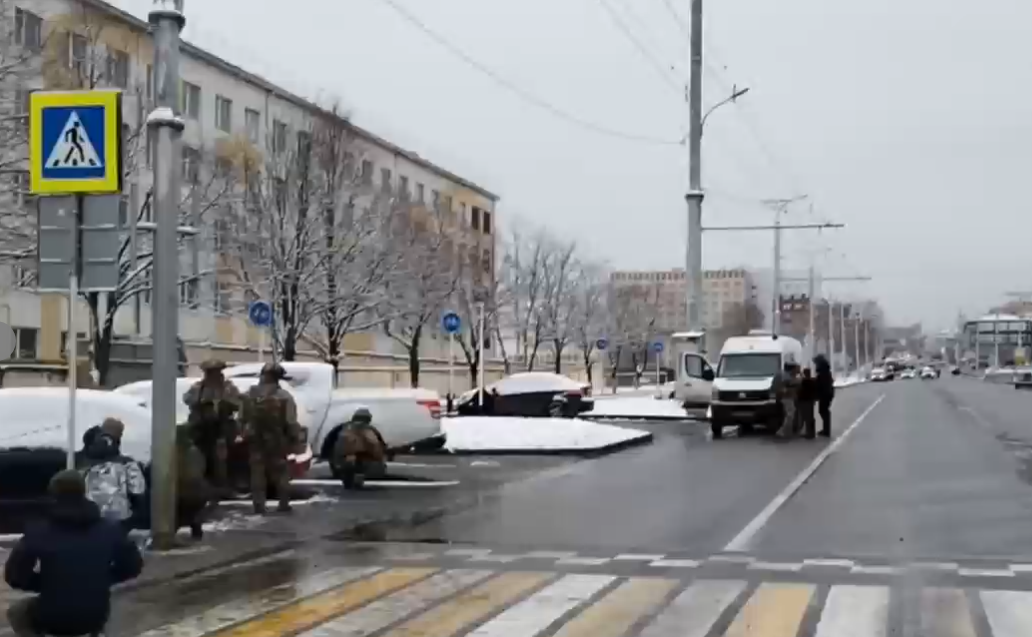
冒充晚辈诈骗案件高发 警方提醒:三种诈骗话术要警惕
Yang Shi Xin Wen Ke Hu Duan· 2025-12-25 06:54
法治在线丨冒充晚辈诈骗案件高发 警方提醒:三种诈骗话术要警惕 今天来关注一类电诈类型:冒充亲属诈骗。犯罪嫌疑人在这类诈骗案件中往往会假扮成被害人的亲人、 朋友、领导,通过电话、短信、网络等方式与被害人接触。这类诈骗案件有个显著的特点,就是被害人 年龄分布较广。 以北京为例,在今年7月以来接报的全部冒充熟人类诈骗案件中,被害人年龄最小的只有10岁,年龄最 大的为93岁。警方特别提示,其中冒充子女晚辈身份诈骗老年人的案件近期多发,这些案件普遍成案时 间短,从拨打诈骗电话到上门取现最快20分钟,最慢的也只有6小时。 诈骗分子为什么能够在这么短时间屡屡得手,让我们通过近日发生的一起案例了解一下。 八旬老人轻信来电 急忙去银行取款8万元 当天中午,84岁的李大妈独自来到银行,她想把存折里的8万元定期存款全部提前取出来。 李大妈说自己知道会损失利息,但之所以提前支取也是没有其他办法了。 通过小区内的公共视频可以看到,接到电话一个小时之后,李大妈下了楼,因为慌张与焦急,此时的她 连大衣外套都没顾上穿。这时,一名戴着帽子和口罩的年轻男子向李大妈走来,对方自称是北京的警 察,前来协助湖南交警取钱。 北京市公安局西城分局刑侦支队 ...
“硬核”拦截百万巨款 警银联动破获“案中案” ——南京银行南京金盛路支行成功阻断电信网络诈骗
Yang Zi Wan Bao Wang· 2025-12-24 11:18
Core Viewpoint - Nanjing Bank successfully intercepted a telecom fraud case involving 1 million yuan, showcasing the effectiveness of the police-bank cooperation mechanism in preventing financial crimes [1][2]. Group 1: Incident Overview - On November 4, a customer attempted to transfer 1 million yuan at Nanjing Bank's Jinsheng Road branch, raising suspicions due to vague explanations regarding the transfer purpose and recipient information [1]. - The bank staff, trained in fraud detection, activated the police-bank cooperation mechanism and reported the case to local police [1]. Group 2: Investigation and Outcome - Upon police investigation, the customer could not provide valid proof of the transaction, leading to the identification of a typical telecom fraud case [1]. - Further investigation revealed that the large transfer was linked to another fraudulent scheme disguised as a loan, resulting in the freezing of the involved funds and the dismantling of the fraud network [2]. Group 3: Institutional Response - The successful interception of the funds reflects Nanjing Bank's commitment to anti-fraud efforts and employee training, as well as the effective operation of the police-bank cooperation mechanism [2]. - The bank plans to continue enhancing collaboration with law enforcement and improving anti-fraud processes to safeguard customer assets [2].
