
电诈洗钱

Search documents
“八折机票团购”背后:电诈洗钱+杀猪盘?
3 6 Ke· 2026-01-27 09:16
Core Viewpoint - The article discusses a new type of ticket distribution scheme in the airline industry, characterized by "high prepayment, ultra-low discounts, and private transactions," which is deemed a potential scam rather than a legitimate business model [1][2]. Group 1: Ticket Distribution Scheme - The "80% ticketing" scheme often starts in WeChat groups or industry forums, where operators claim to offer group purchases at a discounted price, requiring participants to prepay a significant "group fee" [1][2]. - The scheme lacks formal contracts, stamped documents, or compliant GDS configurations, relying solely on informal communication methods like WeChat [2]. Group 2: Risks and Criminal Activities - The complexity of ticket sales and the allure of "internal channels" lead agents to lower their guard, despite the fact that such discounts are unsustainable unless linked to money laundering activities [3]. - Criminal groups may use this scheme to launder money, purchasing tickets at full price with illicit funds and selling them at a discount to agents, who unknowingly handle "clean money" [3][4]. Group 3: Consequences for Agents - If airlines' risk control systems detect abnormal funding sources, tickets may be voided, leading to investigations for both travelers and agents involved [4]. - Initially, the promised discounts may be honored to build trust, but once the operation becomes unsustainable, the operators may disappear with the funds, leaving agents with significant losses [5]. Group 4: Industry Context - In a highly transparent airline market, legitimate agent commission rates are typically between 1% and 3%, with many routes moving towards fixed or zero commissions, making the promised "80% discount" model logically untenable [5].
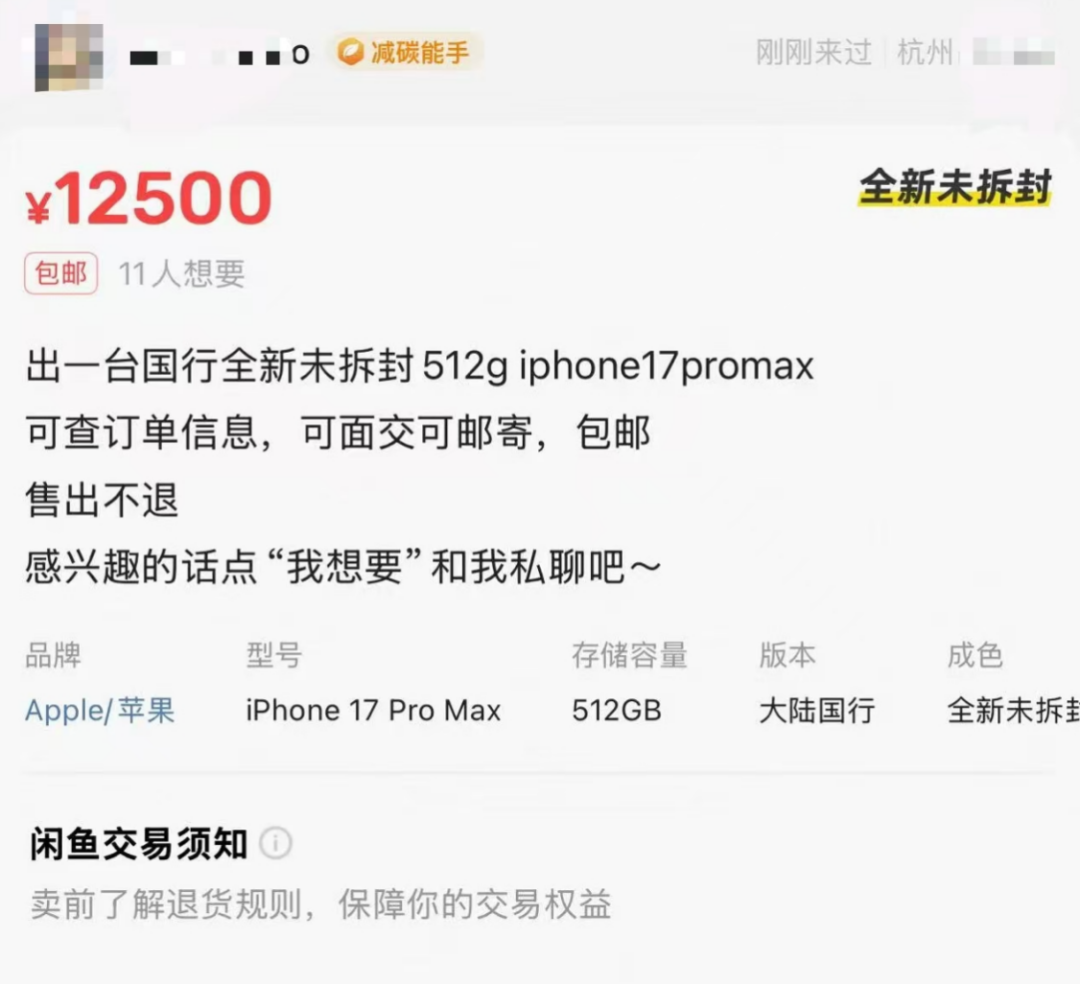
电诈洗钱手段升级:商家货款成“赃款”,账户变“一级涉案卡”,“钱货两空”该谁买单?
Xin Jing Bao· 2025-12-31 01:30
Core Viewpoint - The article highlights the challenges faced by legitimate businesses and individuals who unknowingly receive funds linked to fraud, resulting in their bank accounts being frozen and funds being seized, disrupting their operations and daily lives [1][2][3]. Group 1: Impact on Businesses - Multiple merchants in industries such as food, electronics, and jewelry report that their bank accounts were frozen after receiving payments deemed as fraud-related by law enforcement [1][2]. - Business owners express confusion and frustration over being labeled as accomplices in fraud despite conducting normal transactions [2][3]. - The legal process for these businesses to prove their innocence and reclaim their funds is complicated and varies by region, leading to prolonged disputes [2][24]. Group 2: Case Studies - A grain factory owner, after completing a sale, found his account frozen due to a payment linked to a fraud case, resulting in significant operational disruptions [4][5]. - An individual selling a phone faced a similar situation where his account was frozen after a transaction, leading to a lengthy battle to prove he was unaware of the fraudulent nature of the funds [6][9]. - Another seller of gold jewelry experienced his funds being seized after a transaction, despite having followed proper procedures and providing evidence of the sale [16][17]. Group 3: Legal and Procedural Challenges - The legal framework requires businesses to demonstrate "good faith acquisition" of funds, which is difficult to prove in practice due to varying standards and enforcement practices across regions [2][24][26]. - The process of recovering funds is often hindered by law enforcement's focus on recovering stolen assets rather than protecting the rights of innocent parties [24][25]. - Experts suggest that the current system lacks clear guidelines for recognizing "good faith acquisition," leading to inconsistent outcomes for similar cases [24][26]. Group 4: Recommendations and Solutions - Experts recommend that businesses maintain thorough documentation of transactions, including contracts and communication, to support claims of good faith [30]. - There is a call for more standardized procedures and regulations to protect innocent parties while effectively combating fraud [28][29]. - The introduction of local regulations, such as those in Zhejiang Province, aims to clarify the treatment of funds received from legitimate transactions and expedite the release of frozen accounts [28][29].

电诈洗钱套路已进化到5.0版本:遥控车变“运钞车”,雇佣未成年当赃款“车手”,中老年人被利用成了“工具人”
Xin Jing Bao· 2025-12-30 02:16
Core Viewpoint - The article highlights the evolution of money laundering techniques used by telecom fraudsters, indicating a shift from traditional methods to more sophisticated approaches, including the use of remote-controlled cars for cash transfers and the recruitment of "runners" to facilitate cash withdrawals [1][16][20]. Group 1: Evolution of Money Laundering Techniques - The laundering methods have progressed from using bank transfers to more complex schemes involving physical cash and goods, reflecting an adaptation to increased law enforcement scrutiny [1][6]. - The current predominant method involves "runners" who withdraw cash on behalf of fraudsters, which has become a significant focus for law enforcement [1][12]. - The introduction of remote-controlled cars for cash collection represents a new level of sophistication in evading detection during money laundering operations [16][20]. Group 2: Impact on Law Enforcement - Law enforcement agencies have intensified their efforts to combat telecom fraud and money laundering, leading to the arrest of over 600 individuals involved in cash withdrawal operations [20]. - The emergence of "runners" has provided law enforcement with new opportunities for tracking and apprehending fraudsters, as traditional investigative methods can be applied effectively [19][20]. - Continuous public awareness campaigns are deemed essential to educate citizens about fraud schemes and money laundering tactics, aiming to reduce the number of victims [2][20]. Group 3: Case Studies and Examples - The article presents several case studies of elderly victims who were manipulated into becoming unwitting participants in money laundering schemes, illustrating the emotional and financial toll of such frauds [3][4][5]. - Specific instances of fraud, such as the use of shopping cards and gold purchases for laundering, demonstrate the diverse strategies employed by fraudsters to obscure the origins of illicit funds [10][11]. - The involvement of minors and unemployed individuals as "runners" highlights the socio-economic factors that contribute to the perpetuation of these schemes [14][15].
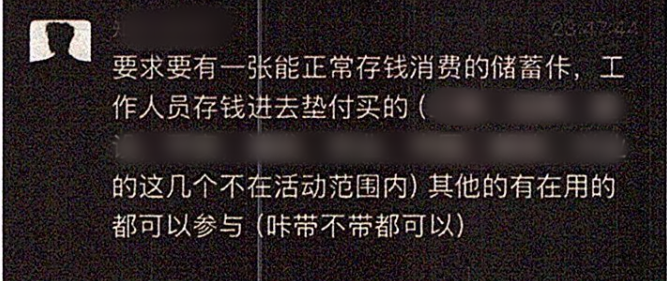
“兼职代购”成电诈洗钱新骗局:“佣金350开新账户”非法转账
Bei Ke Cai Jing· 2025-11-20 05:44
Core Points - The article discusses a new type of money laundering scam disguised as a "part-time purchasing agent" opportunity, where fraudsters lure individuals into providing their bank account information under the pretense of using shopping platform discounts to buy electronic products [1][4][7]. Group 1: Scam Mechanism - Fraudsters post fake high-paying "part-time purchasing agent" job ads online, claiming that individuals can earn commissions by using discount quotas to purchase items like drones [1][7]. - A recent case involved a young woman who was convinced to open a new bank account for this purpose, highlighting the vulnerability of recent graduates to such scams [3][6]. - The scam's essence is to trick individuals into providing their bank account details, which are then used as receiving accounts for illicit funds from other scams [7]. Group 2: Law Enforcement Response - The Shanghai police successfully apprehended a suspect involved in this scam, demonstrating the effectiveness of the "police-bank cooperation" mechanism in preventing such frauds [2][8]. - Law enforcement has been proactive in identifying and stopping potential victims before they fall into the trap, as seen with another university student who was also approached with a similar scam [6][7]. - The suspect admitted to using the guise of legitimate job offers to exploit young people's eagerness for employment, thus revealing the ongoing challenge of combating such deceptive practices [7][8].
警惕诈骗新手法,不做电诈“工具人”!
招商银行App· 2024-07-19 09:53
将万元现金做成"鲜花"装进礼盒,送给母亲做生日礼物;在所谓结婚纪念日,定制内藏数万元现金的 蛋糕送给妻子……这些"大孝子""好丈夫"送的礼物,怎么就让商家掉进了圈套? 警惕诈骗新手法 不做电诈工具人 电诈"工具人"常见形式 ● 用助益 做成花束, 真浪漫 你有一些 5. 2万元的 现金花订单 诈骗分子通过线上订单或线下派人到店的方式,订购 现金花束、现金蛋糕,或是购买巨额黄金、手机等, +11+ 次 △ "这是电诈分子的新型洗钱方式。电诈分子向商家提出定制礼盒等大额消费需求后,以付款为由得到商家 银行卡号,随后将卡号转发给电诈受害人。"公安部刑事侦查局有关负责人介绍,"货款"其实就是电诈案 件的赃款,电诈分子借此快速洗钱。 面对花样百出、防不胜防的诱骗手法,公安机关呼吁公众提高警惕。2024年"全民反诈在行动"集 中宣传月主题即为"警惕诈骗新手法 不做电诈工具人"。 什么是电诈"工具人"?是否涉及违法犯罪? 0 1 电诈"工具人"是一种比喻,是对帮助电诈团伙实施违法犯罪行为相关人员的统称。 警惕诈骗新手法 不做电诈工具人 电诈"工具人"常见形式 ● 帮人取钱, 就能挣佣金, 真划算 键行卡收到 一笔5万元 的 ...