
绿色金融

Search documents
中国银河证券薛军:发挥桥梁作用 构建全球南方绿色转型赋能体系
Zhong Guo Zheng Quan Bao· 2026-03-25 23:20
Core Viewpoint - The establishment of a green transition empowerment system aimed at the Global South is crucial for balanced global climate governance and sustainable development in developing countries [1] Group 1: Green Capital Flow Challenges - Current cross-border green capital flows face three major obstacles: insufficient regulatory coordination, high risk premiums due to low credit ratings in many Global South countries, and an incomplete cross-border service system lacking specialized green capital intermediaries [2] - Financial institutions are encouraged to take responsibility by enhancing green financial innovation and service levels, focusing on creating suitable green financial products for the Global South [2] Group 2: Innovative Financial Products - In 2024, China Galaxy Securities and its subsidiary Galaxy International launched the "CGT-ESG Bond Portfolio," which adapts international standards to local needs, identifying green attributes based on seven key industries and 96 economic activities recognized by the EU-China Common Classification [3] - This innovative practice addresses the challenges of inconsistent standards and cross-border recognition for green projects in the Global South [3] Group 3: Demonstrative Cases - China Galaxy Securities successfully introduced the "One Yuan Carbon Sink" project to the Hong Kong market in 2022, marking the first cross-border sale of a carbon sink project in China, which supports local ecological protection and poverty alleviation [4] - The company has developed a comprehensive ESG service ecosystem that includes compliance disclosure, rating enhancement, and long-term governance, providing targeted solutions for local enterprises [4] Group 4: Integrated Empowerment System - The establishment of an integrated empowerment system requires clear positioning of various stakeholders, including financial institutions, think tanks, technology companies, and enterprises, to complement each other's strengths [5] - In 2025, Galaxy International assisted a state-owned capital operation company in Quzhou to issue $470 million in green and sustainable bonds, marking the company's debut in the international green bond market [5] Group 5: Expanding Green Financial Practices - China Galaxy Securities has been expanding its green financial practices, including the issuance of green financial bonds for local governments and projects aimed at pollution prevention and clean energy [6] - The company aims to continue playing a bridging role in capital markets to promote a fair and inclusive green capital flow system for the Global South [6]

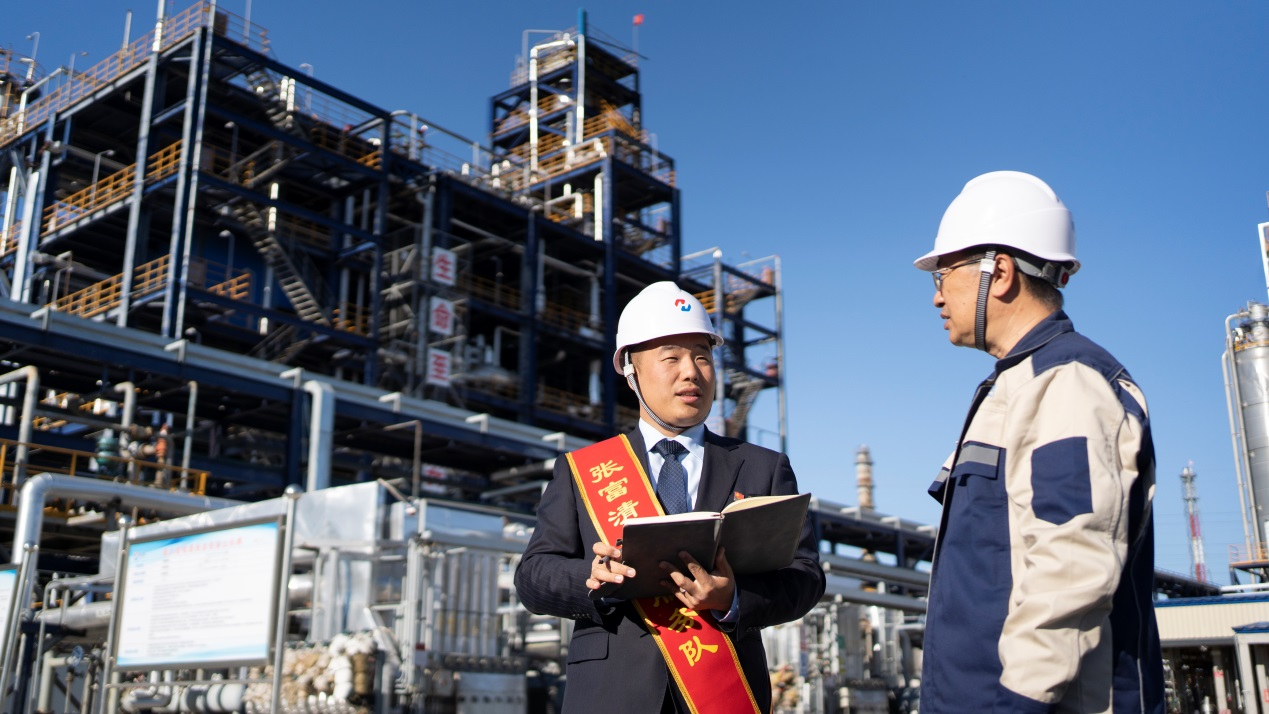
回望奋进路 再启新篇章——建设银行黑龙江省分行为区域发展贡献力量
Zhong Guo Jin Rong Xin Xi Wang· 2026-03-25 23:11
Core Viewpoint - The Construction Bank of Heilongjiang Province is committed to supporting local economic development through financial services focused on food security, industrial upgrades, technological innovation, and public welfare during the "14th Five-Year Plan" period [2][5]. Financial Support and Achievements - The bank has allocated over 600 billion yuan in loans and underwritten local government bonds exceeding 100 billion yuan during the "14th Five-Year Plan" [5]. - Agricultural loans have reached 54.8 billion yuan, marking a 60% increase since the end of 2020 [5]. - The bank has provided significant funding for high-end equipment manufacturing, digital transformation projects, and infrastructure loans to support major projects [5]. Technological and Green Finance Initiatives - The bank established a unique "technology flow" evaluation system for credit assessment, serving 2,525 technology enterprises with a technology loan balance of 28.6 billion yuan, an increase of 23.5 billion yuan since the end of 2020 [6]. - Green credit balance has reached 28.3 billion yuan, growing fourfold since the end of 2020, with a focus on clean energy and environmental protection [6]. Inclusive and Digital Finance - The bank has developed innovative financial products to address the financing challenges faced by small and micro enterprises, facilitating quick loan approvals [7]. - A digital transformation strategy has been implemented, providing credit support of 19.4 billion yuan to 67 core enterprises through an online supply chain platform [7]. Community Engagement and Social Responsibility - The bank has engaged in various volunteer activities, serving over 5 million people through its "Laborer’s Harbor" initiative, providing essential services to outdoor workers [8]. - A total of 1.4 million yuan has been invested in community support initiatives, including assistance for students and contributions to rural revitalization [11].


中国银行与伦敦金融城共同举办自然相关信息披露实践研讨会
Xin Lang Cai Jing· 2026-03-25 13:18
Core Viewpoint - The Bank of China, in collaboration with the British Embassy in China and the City of London, hosted a seminar on nature-related information disclosure, focusing on financial risk identification, management, and disclosure [1][2]. Group 1: Event Overview - The seminar took place on March 25 at the Bank of China's headquarters, featuring speeches from key figures such as Vice President Wu Jian and Lord Mayor of London, Sir Peter Estlin [1][2]. - Representatives from both Chinese and British government departments, financial institutions, and academic organizations participated, sharing insights and building consensus on nature-related financial issues [1][2]. Group 2: Discussion Topics - Key discussions included global trends and application progress of the Taskforce on Nature-related Financial Disclosures (TNFD), as well as methods and practical implementations within the Chinese context [1][2]. - Participants engaged in extensive discussions regarding the experiences, challenges, and opportunities faced by Chinese and British financial institutions in information disclosure [1][2]. Group 3: Future Directions - The Bank of China has established a stable cooperative relationship with the UK in the field of green finance and is the first Chinese financial institution to officially join the TNFD [1][2]. - The bank will continue to support the implementation of outcomes from the 10th China-UK Economic and Financial Dialogue and promote the practical application of TNFD in China, enhancing Sino-British green finance cooperation [1][2].

绿润天府,金助振兴:新网银行以精准金融活水助力乡村绿色基建
清华金融评论· 2026-03-25 12:19
Core Viewpoint - Xinwang Bank actively extends its financial services to the forefront of agricultural modernization and green infrastructure construction, aligning with national strategies for rural revitalization and carbon neutrality goals [2]. Group 1: Financial Support and Services - Xinwang Bank successfully supported a modern agricultural development company in Chengdu with its funding needs for rural green infrastructure, contributing to the "Beautiful and Livable Countryside" initiative [3]. - The company transitioned from a focus on agricultural product marketing to rural infrastructure construction in 2021, which is crucial for improving living conditions and efficient resource utilization in rural areas [3]. - Xinwang Bank tailored a comprehensive financial service plan to address the company's funding and management challenges during its transition, providing specialized credit support for key areas such as rural road upgrades and ecological restoration [3]. Group 2: Green Risk Management and Impact - Xinwang Bank established a green risk management mechanism throughout the loan lifecycle, ensuring the company's role as a key player in rural revitalization while preventing risks, achieving a win-win for commercial sustainability and environmental benefits [4]. - The projects funded by Xinwang Bank have successfully improved rural appearances, promoted urban-rural integration, and protected the ecological environment, enhancing the carbon sink capacity of the regional ecosystem and increasing income for surrounding farmers [4]. Group 3: Future Outlook - Xinwang Bank plans to deepen its green finance strategy, continuously improving its product and service system to better support green and low-carbon projects, contributing positively to achieving carbon peak and carbon neutrality goals [4].
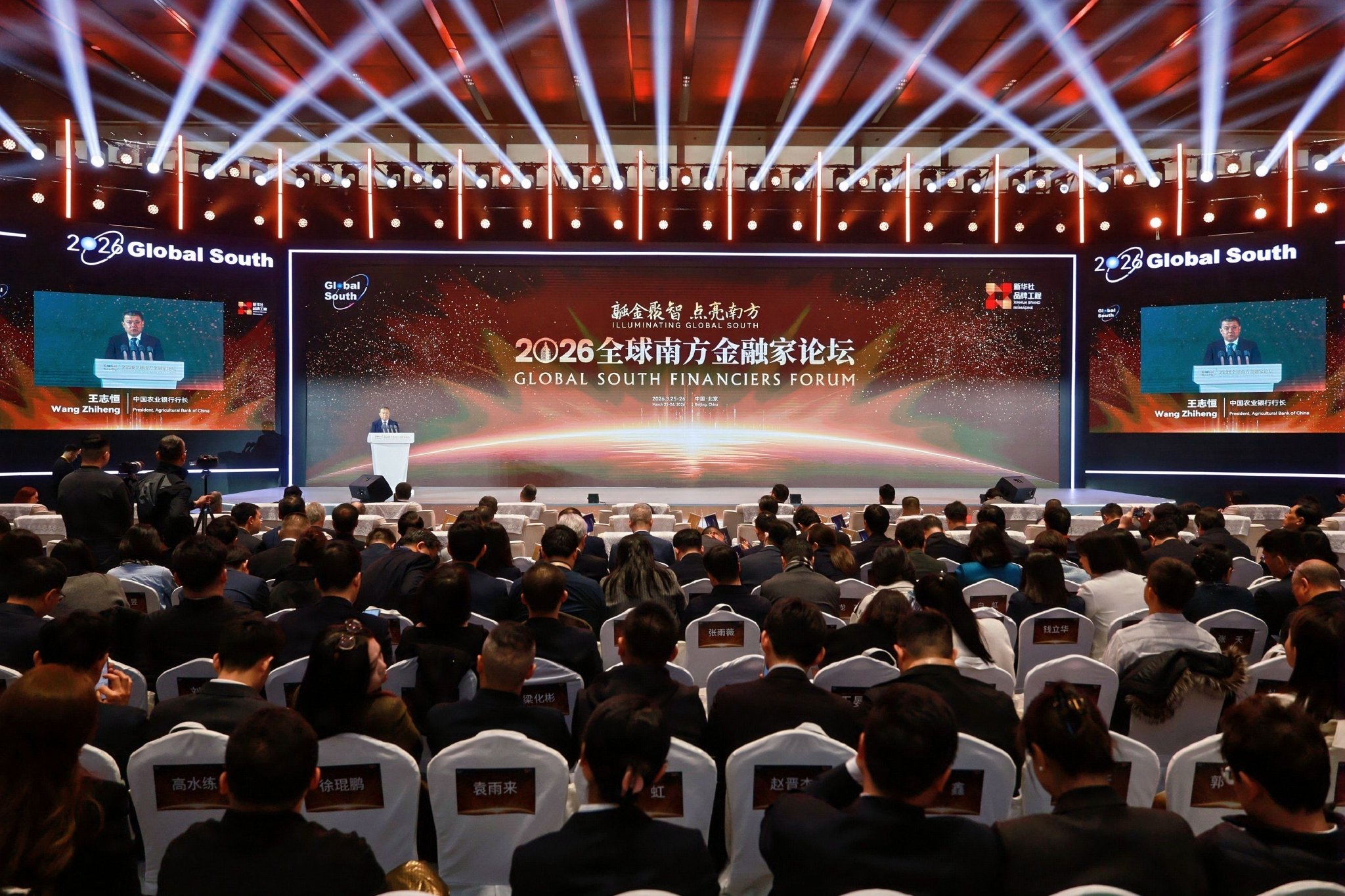
农业银行:汇聚金融力量 加快全球南方绿色发展
Zhong Guo Jin Rong Xin Xi Wang· 2026-03-25 11:05
Core Viewpoint - The 2026 Global South Financial Forum emphasizes the importance of financial resources flowing into green development in the Global South, highlighting the region's unique resource endowments and development potential as a high-value area for green investment [3][4]. Group 1: Financial Commitment and Achievements - China Agricultural Bank is committed to supporting green development in the Global South, with a green loan balance of nearly 6 trillion RMB and leading positions in green bond underwriting and investment [4]. - The bank has received international awards such as the "IFF Global Green Finance Award" and "Best Green Finance Bank" from "Asiamoney," establishing itself as a key player in global green finance [4]. Group 2: Initiatives and Projects - The bank is expanding green funding supply while supporting China's dual carbon strategy, with investments in projects like the 1.1 GW wind power project in Egypt and the solar project in Malaysia [4]. - Innovative financial services are being provided to enhance South-South cooperation, including the establishment of a "Pan-Asia Business Center" in Yunnan, which collaborates with 22 banks to facilitate trade and financing for green foreign trade enterprises [4]. Group 3: Infrastructure and Capacity Building - The bank is enhancing financial systems and training local financial talent in the Global South, exemplified by the establishment of the China-Congo (Brazzaville) Bank, which has over 90% of its clients as local individuals [5][7]. - The bank's efforts have significantly supported local projects like the Mungulu Hydropower Station while providing practical training opportunities for local youth [5]. Group 4: Future Directions and Collaborations - Three key initiatives for deepening South-South green financial cooperation were proposed: building consensus on green development, enhancing financial collaboration, and activating green capital [5]. - The forum launched the "Global South Finance" international journal and established a council to further translate consensus into actionable steps for building a community with a shared future [5][6].

建设银行行长张毅:三方面深化合作 引领国际资本绿色流动
Xin Hua Cai Jing· 2026-03-25 05:42
Core Viewpoint - The China Construction Bank (CCB) aims to deepen cooperation in three key areas to lead the green flow of international capital, as stated by President Zhang Yi at the 2026 Global Southern Financial Forum [1]. Group 1: Cooperation Areas - CCB is committed to discussing standards to enhance communication in green finance among different countries, sharing practices in project identification and information disclosure [1]. - The bank seeks to identify opportunities for efficient project-capital matching by enhancing information exchange with financial institutions globally and exploring joint financing and cross-border collaboration [1]. - CCB emphasizes the importance of risk management in addressing climate challenges, proposing to share experiences in climate stress testing and ESG risk management to improve collective capabilities [1]. Group 2: Focus on Green Development - CCB focuses on key regions and industries for green development, supporting national strategies like the Yangtze River Delta ecological integration and the Yellow River basin's ecological protection [2]. - The bank is exploring a "circle-chain-group" operational model to provide comprehensive green services across production, circulation, and consumption, exemplified by its support for the electric vehicle industry [2]. - CCB has innovated financial tools, promoting an integrated commercial and investment banking model, successfully underwriting landmark projects like carbon-neutral bonds, with over 2.7 trillion yuan allocated to green sectors [2]. Group 3: Cross-Border Green Financing - CCB is actively participating in the formulation of regulatory transformation financial standards and assisting key clients in preparing and disclosing transformation plans for international markets [2]. - The bank has expanded its overseas branch network across 28 countries and regions, increasing financial support for green projects along the Belt and Road Initiative [2]. - CCB organizes cross-border matching events to connect China's green production capacity and technological solutions with the green needs of partner countries [2]. Group 4: Risk Management - CCB prioritizes risk management as a vital aspect of sustainable development, conducting climate risk stress tests to assess impacts on key industries and regions [2]. - The bank integrates ESG risk management requirements throughout its investment and financing processes, utilizing GIS technology to prevent ecological risks from the source [2]. - CCB has maintained an AAA rating from MSCI ESG, distinguishing itself as the only bank among the top ten global banks by market capitalization to achieve this highest rating [2].
国泰君安期货商品研究晨报:绿色金融与新能源-20260325
Guo Tai Jun An Qi Huo· 2026-03-25 01:55
2026年03月25日 国泰君安期货商品研究晨报-绿色金融与新能源 观点与策略 | 镍:宏观与矿端矛盾分歧,短线多空博弈加剧 | 2 | | --- | --- | | 不锈钢:海外宏观压制,现实成本支撑 | 2 | | 碳酸锂:关注市场情绪面因素 | 4 | | 工业硅:弱势格局 | 6 | | 多晶硅:下跌回落为主 | 6 | 国 泰 君 安 期 货 研 究 所 请务必阅读正文之后的免责条款部分 1 期货研究 商 品 研 究 2026 年 3 月 25 日 镍:宏观与矿端矛盾分歧,短线多空博弈加剧 不锈钢:海外宏观压制,现实成本支撑 【基本面跟踪】 镍基本面数据 | | | 指标名称 | T | T-1 | T-5 | T-10 | T-22 | T-66 | | --- | --- | --- | --- | --- | --- | --- | --- | --- | | | | 沪镍主力(收盘价) | 133,480 | 500 | -2,460 | -3,570 | -1,710 | 18,790 | | 期 | | 不锈钢主力(收盘价) | 14,290 | 255 | 195 | 65 | 43 ...
观点与策略:国泰君安期货商品研究晨报-绿色金融与新能源-20260324
Guo Tai Jun An Qi Huo· 2026-03-24 02:51
Report Overview - The report is a commodity research morning report by Guotai Junan Futures, focusing on green finance and new energy futures, including nickel, stainless steel, lithium carbonate, industrial silicon, and polysilicon [1][2] Group 1: Stainless Steel Core View - Overseas macro factors exert downward pressure, while current costs provide support [2][5] Key Points - **Fundamental Data**: The closing price of the stainless - steel main contract was 14,035, down 30 from the previous day. The trading volume was 232,842, down 93,283 from the previous day [5] - **Macro and Industry News**: Indonesia plans to revise the benchmark price formula for nickel ore products, and a Swiss company plans to restart its nickel mine in Guatemala. There are also production quota adjustments and various incidents in the nickel industry [5][6][8] Group 2: Lithium Carbonate Core View - Attention should be paid to the bottom support [13] Key Points - **Fundamental Data**: The closing price of the 2605 contract was 149,040, up 5,180 from the previous day. The trading volume was 228,178, down 30,098 from the previous day [15] - **Macro and Industry News**: Rongjie Co., Ltd. established a subsidiary to engage in lithium - ion battery anode material business, and Tianjin Lishen Battery applied for a patent related to solid - state electrolytes [16][17] Group 3: Industrial Silicon and Polysilicon Core View - For industrial silicon, attention should be paid to inventory changes; polysilicon is in bottom - range oscillation [18][19] Key Points - **Fundamental Data**: The closing price of the Si2605 contract was 8,575 yuan/ton, up 120 from the previous day. The industrial silicon - social inventory (including warehouse receipt inventory) was 55.3 million tons. The closing price of the PS2605 contract was 35,435 yuan/ton, down 2,330 from the previous day [19] - **Macro and Industry News**: Tongwei signed a 1GW component cooperation agreement with a Polish distributor, which will deepen its layout in the European market [20]
恒指低开低走,收市跌894点
Guodu Securities Hongkong· 2026-03-24 02:10
Group 1: Market Overview - The Hang Seng Index closed down 894 points or 3.54%, ending at 24,382 points, with a total market turnover of 368.68 billion [3] - The decline was influenced by geopolitical tensions and rising oil prices, leading to a significant drop in the Hong Kong stock market, which fell below the 25,000 mark [4] - The decline in the market was part of a broader trend, with the Hang Seng Index experiencing a cumulative drop of 1,642 points or 6.31% over three consecutive days [4] Group 2: Economic Forecasts - Hang Seng Bank raised its economic growth forecast for Hong Kong from 2.5% to 3.1% due to increased local and external demand, which is expected to support overall economic performance [8] - The bank noted that the recovery in consumer demand reflects strong performance in asset markets, particularly in the stock and property sectors [8] Group 3: Company News - Country Garden expects a profit of between 1 billion to 2.2 billion RMB for the year ending December 2023, primarily due to non-cash gains from debt restructuring [12] - WuXi AppTec reported a 38% increase in profit to 1.48 billion RMB for the year ending December 2023, with revenue rising by 46.69% to 5.944 billion RMB [13] - Henderson Land Development reported a 38% drop in basic profit, with shareholder profit at 5.653 billion RMB, attributed to reduced gains from land sales compared to the previous year [14] - Lao Poo Gold announced a significant profit increase of 2.3 times to 4.868 billion RMB, with revenue growing by 2.21 times to 27.303 billion RMB [15]




观点与策略:国泰君安期货商品研究晨报-绿色金融与新能源-20260323
Guo Tai Jun An Qi Huo· 2026-03-23 03:07
1. Report Industry Investment Rating No information provided regarding the report industry investment rating. 2. Core Views of the Report - Nickel: There are contradictions and differences between the macro - environment and the mining end, and the short - term long - short game intensifies [2][4]. - Stainless steel: Overseas macro factors exert pressure, while the actual cost provides support [2][4]. - Lithium carbonate: Attention should be paid to the lower support level [2][12]. - Industrial silicon: The cost is on the rise [2][17]. - Polysilicon: The spot price is falling [2][18]. 3. Summaries According to Relevant Catalogs Nickel and Stainless Steel - **Fundamental Data**: The closing price of the Shanghai nickel main contract is 133,160, with a change of 1,610 compared to T - 1; the closing price of the stainless - steel main contract is 14,065, with a change of 210 compared to T - 1. Other data such as trading volume, prices of related products, and spreads are also presented [4]. - **Macro and Industry News**: The Indonesian government will revise the benchmark price formula for nickel ore in early 2026, considering cobalt as an independent commodity for royalty collection; a Swiss company plans to restart its nickel - mining business in Guatemala; the approved nickel - ore production quota in Indonesia is between 260 million and 270 million tons; some companies' production and operations are affected by various factors such as landslides, fuel shortages, and sanctions [4][5][7][8][9]. - **Trend Intensity**: The trend intensity of nickel and stainless steel is 0, indicating a neutral outlook [11]. Lithium Carbonate - **Fundamental Data**: The closing price of the 2605 contract is 143,860, with a change of 1,260 compared to T - 1. Data on trading volume, open interest, basis, and prices of related lithium - salt products are also provided [14]. - **Macro and Industry News**: Xiaomi's new - generation SU7 locked 15,000 orders in 34 minutes after its release; in 2025, China implemented 190 vehicle recalls, involving 6.846 million vehicles, with a decline in both the number of recalls and the number of affected vehicles compared to the previous year [15][16]. - **Trend Intensity**: The trend intensity of lithium carbonate is 0, indicating a neutral outlook [16]. Industrial Silicon and Polysilicon - **Fundamental Data**: The closing price of the Si2605 contract is 8,455, with a change of 170 compared to T - 1; the closing price of the PS2605 contract is 37,765, with a change of - 785 compared to T - 1. Data on trading volume, open interest, basis, prices, profits, and inventories of industrial silicon and polysilicon are presented [18]. - **Macro and Industry News**: In February 2026, China's industrial silicon exports were 47,520.111 tons, with a year - on - year increase of 7.53% and a month - on - month decrease of 27.44%. The cumulative export volume from January to February was 113,008 tons, with a year - on - year increase of 16.88% [19]. - **Trend Intensity**: The trend intensity of industrial silicon is 0 (neutral), and the trend intensity of polysilicon is - 1 (weakly bearish) [20].