
药品集中带量采购

Search documents
第十一批集采拟中选结果公示:445家企业竞逐55种药品,明年2月全国患者能用上质优价宜的中选药
Mei Ri Jing Ji Xin Wen· 2025-10-28 17:31
Core Points - The eleventh round of national organized drug procurement has been completed, involving 55 types of drugs across various therapeutic areas, with 445 companies participating and 453 products proposed for selection [1][10] - The procurement aims to achieve goals of stabilizing clinical needs, ensuring quality, preventing excessive competition, and avoiding collusion among bidders [1][7][8] Group 1: Procurement Details - A total of 4.6 million medical institutions participated in the bidding process, with 272 companies' products meeting the proposed selection criteria [1] - The average selection rate for products is approximately 57%, with about 60% of participating companies achieving selection [10] - The procurement process has seen a record number of participating companies, indicating heightened competition in the pharmaceutical sector [5][10] Group 2: Goals and Achievements - The selected products align closely with the needs of medical institutions, with 75% of procurement requests being met [7] - The threshold for bidding companies has been raised to ensure quality, requiring experience in producing similar drugs and compliance with production quality standards [7][8] - Measures have been implemented to guide rational pricing, including the introduction of a "reference price" to prevent extreme low pricing [7][8] Group 3: Market Implications - The procurement process encourages companies to focus on product quality and brand building rather than solely on cost-cutting strategies [11] - Companies that previously relied on aggressive pricing strategies may need to reassess their market approach due to changes in procurement dynamics [11] - Several listed pharmaceutical companies have disclosed their proposed selected products, indicating potential positive impacts on their market performance and brand influence [12]

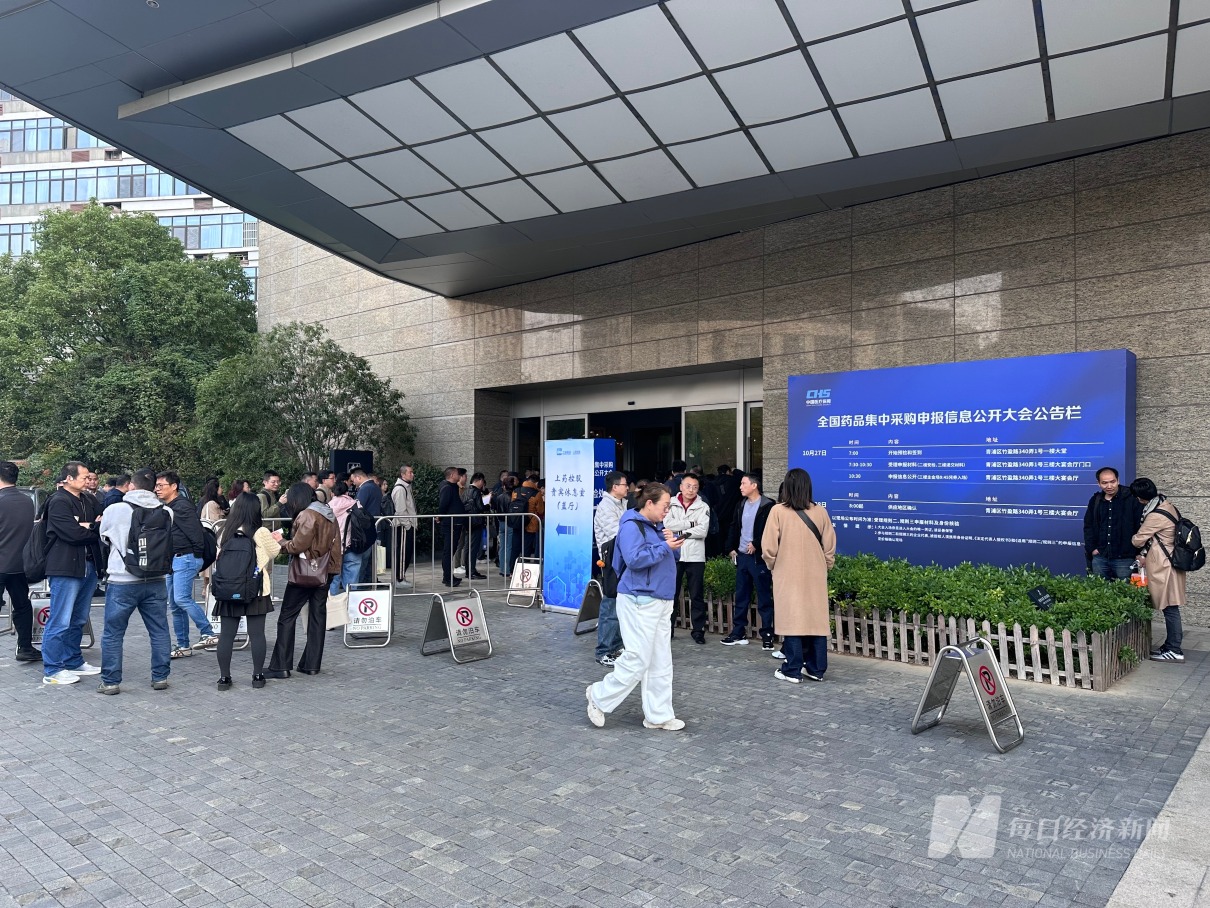
直击第十一批国采:企业报价平稳,453个产品获拟中选资格
2 1 Shi Ji Jing Ji Bao Dao· 2025-10-28 13:21
Core Insights - The eleventh round of national organized drug procurement has selected 55 drugs, enhancing accessibility for essential medications across various therapeutic areas [1][2] - The procurement process aims to stabilize clinical drug supply and ensure quality, with measures in place to prevent price undercutting and collusion among companies [4][5] Group 1: Procurement Details - A total of 4.6 million medical institutions participated, with 445 companies submitting bids, resulting in 453 products from 272 companies being shortlisted [1] - The selected drugs include notable medications such as Dapagliflozin and Pravastatin, which are expected to exceed sales of 1 billion yuan in 2024 [1] - The procurement process has successfully achieved its goals of maintaining clinical stability, ensuring quality, and preventing excessive competition [2] Group 2: Market Dynamics - The competitive intensity in this round of procurement has increased significantly, with measures implemented to maintain a reasonable pricing structure and prevent extreme low bids [4][5] - The introduction of a price anchor mechanism and restrictions on companies with related interests aims to foster fair competition and prevent collusion [5] - The procurement rules allow medical institutions to report quantities based on either generic names or specific brands, aligning with clinical practices and enhancing drug availability [6] Group 3: Impact on Pharmaceutical Industry - The procurement process is expected to indirectly empower innovation by controlling profits from generic drugs, thus encouraging companies to invest in research and development [8] - The new "revival mechanism" allows companies that do not win bids to still secure a portion of the market, reducing the impact of pricing errors [8] - The focus on quality and safety in drug procurement is expected to drive the pharmaceutical industry towards higher standards and innovation, with a notable increase in the number of innovative drug applications in recent years [8]

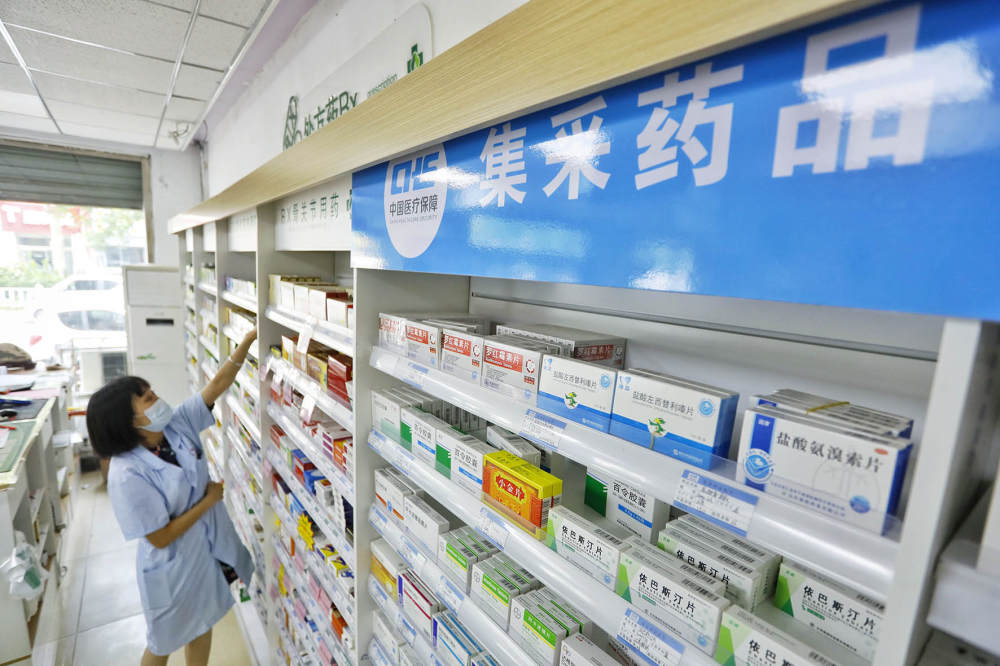
药品集采再扩容!成功采购55种
Xin Hua Wang· 2025-10-28 11:52
Core Insights - The latest round of national organized drug procurement has successfully selected 55 drugs, expanding the total to 490 drugs covered by the program [1][5] - The selected drugs address a wide range of clinical needs, including anti-infection, anti-tumor, pediatric, and chronic disease medications [2][5] - The procurement process has seen significant competition, with up to 40 companies bidding for some products, indicating a robust pharmaceutical industry [3][4] Group 1: Drug Procurement Details - A total of 272 companies submitted 453 products for the latest procurement, all of which were successfully selected [1] - The new batch includes essential medications such as anti-allergy, diabetes, and antiviral drugs, highlighting the program's focus on public health needs [2] - Special attention has been given to pediatric medications, with adjustments made to encourage the supply of smaller dosage forms [2] Group 2: Market Dynamics - The procurement process involved 445 companies and 794 products, showcasing a highly competitive environment [3] - The selection mechanism includes a "revival opportunity" for bidders, allowing for a more inclusive approach rather than a strict lowest-price selection [3] - The emphasis on quality assurance and supply chain stability aims to enhance the overall reliability of the procurement process [3][4] Group 3: Regulatory Improvements - Recent updates to procurement rules aim to improve transparency and align with clinical needs, enhancing the overall quality of the drugs procured [4] - The iterative nature of the procurement rules reflects a commitment to meet both patient needs and industry development [4] - The program has been ongoing for over seven years, successfully integrating a wide range of medical supplies beyond just pharmaceuticals [4]
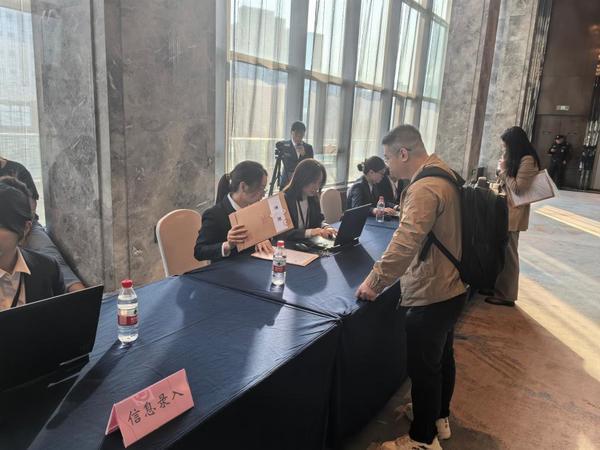
国家医保局:本次集采总体实现“稳临床、保质量、反内卷、防围标”预期目标
Bei Jing Shang Bao· 2025-10-28 11:02
二是提高投标企业资质门槛,促进"保质量"。要求投标企业具有同类型药品生产经验,同时要求投标药 品所在生产线2年内不存在违反药品生产质量管理规范等情况,后期药监部门将对中选产品开展全覆盖 监督检查。 三是引导企业理性报价,旗帜鲜明"反内卷"。本次集采竞争激烈程度远高于前十批集采,但通过1亿元 以下规模产品不集采、设置"锚点价"防止极端低价冲击、引入复活机制、事前反复宣介引导企业科学报 价等措施,保持了较高中选率,中选产品平均价差较此前批次明显缩小。 北京商报讯(记者 丁宁)10月28日晚间,国家医保局公告显示,10月27日,第十一批国家组织药品集 中带量采购产生中选结果。国家医保局表示,本次集采认真落实国务院常务会议作出的"推动集采工作 规范化制度化常态化开展"决策部署,总体实现"稳临床、保质量、反内卷、防围标"预期目标。 一是中选产品与医疗机构需求更加匹配,强化"稳临床"。医疗机构既可以按通用名报量,也可以按厂牌 报量,从中选结果看,医疗机构要求采购产品报量的75%得到满足,中选品牌与临床需求匹配度高。供 应能力强、质量有保障的主流企业多数中选,每个地区均有多家中选企业供应,中选品种更加丰富多 元。 四是全链 ...
55种药品进集采
财联社· 2025-10-28 10:35
Core Viewpoint - The eleventh batch of national organized drug procurement has been announced, including 55 commonly used drugs across various fields, achieving the goals of stabilizing clinical use, ensuring quality, preventing internal competition, and avoiding collusion [1][2] Group 1: Procurement Details - The procurement includes drugs for infection, allergy, tumor treatment, blood sugar, blood pressure, and blood lipid management [1] - 75% of the procurement demand from medical institutions has been met, indicating a strong alignment with actual needs [1] Group 2: Bidder Requirements - The bidding process has raised the qualification threshold for participating companies, requiring them to have production experience with similar types of drugs and a clean record in the last two years regarding production quality management [1] - Future supervision will involve comprehensive checks by drug regulatory authorities on selected products [1] Group 3: Competitive Landscape - The competition in this round of procurement is significantly more intense than in previous batches, with measures in place to maintain a high selection rate despite the competitive environment [1] - The average price difference for selected products has notably decreased compared to earlier batches, aided by strategies such as excluding products with a scale below 100 million and setting "anchor prices" to prevent extreme low-price impacts [1] Group 4: Participation and Impact - A total of 46,000 medical institutions participated in the reporting process, with 445 companies submitting 794 products for bidding, of which 272 companies and 453 products received proposed selection qualifications [2] - The new batch of quality and reasonably priced selected drugs is expected to be available to patients nationwide by February 2026 [2]
55种药品纳入!第十一批国家组织药品集采开标
第一财经· 2025-10-28 10:28
Core Viewpoint - The eleventh batch of national organized drug procurement has been announced, including 55 types of commonly used drugs across various fields, achieving the expected goals of stabilizing clinical use, ensuring quality, preventing excessive competition, and avoiding collusion [1][2]. Group 1: Procurement Details - The selected products in this procurement align more closely with the needs of medical institutions, with 75% of procurement requests being met [2]. - The qualification threshold for bidding enterprises has been raised, requiring experience in producing similar types of drugs and ensuring compliance with production quality management standards [2]. - The competition level in this procurement is significantly higher than in previous batches, with measures such as excluding products below 100 million yuan from procurement and setting "anchor prices" to prevent extreme low-price impacts [2]. Group 2: Regulatory and Oversight Measures - A comprehensive supervision and inspection mechanism will be implemented for selected products, ensuring adherence to quality standards [2]. - The procurement process has been standardized to prevent collusion, treating companies with related interests as a single entity to avoid price-fixing [2]. - A total of 46,000 medical institutions participated in the procurement, with 445 companies submitting bids, resulting in 272 companies having 453 products proposed for selection [2].
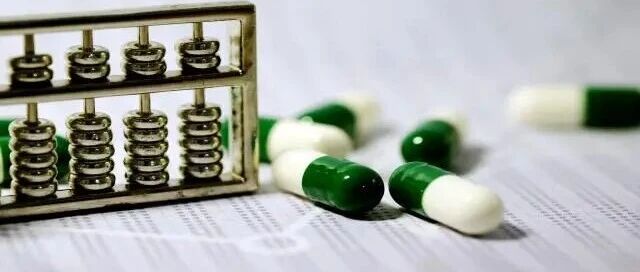
55种药品纳入!第十一批国家组织药品集采开标
Yang Shi Xin Wen· 2025-10-28 10:19
Core Insights - The 11th batch of national organized drug procurement results has been announced, including 55 types of commonly used drugs across various fields such as anti-infection, anti-allergy, anti-tumor, blood sugar reduction, blood pressure reduction, and blood lipid reduction, achieving the expected goals of "stabilizing clinical use, ensuring quality, preventing internal competition, and avoiding collusion" [1][2] Group 1 - The selected products in this procurement are more aligned with the needs of medical institutions, reinforcing the goal of "stabilizing clinical use." Medical institutions can report quantities based on either generic names or brand names, with 75% of procurement quantity requirements being met [1] - The procurement process has raised the qualification thresholds for bidding companies, requiring them to have production experience with similar types of drugs and ensuring that the production line of the bidding drugs has not violated quality management regulations in the past two years. Regulatory authorities will conduct comprehensive supervision and inspection of the selected products [1] - The level of competition in this procurement is significantly higher than in the previous ten batches, but measures such as excluding products with a scale below 100 million, setting "anchor prices" to prevent extreme low-price impacts, and introducing a revival mechanism have maintained a relatively high selection rate, with the average price difference of selected products noticeably reduced compared to previous batches [1] Group 2 - The procurement process has standardized bidding behavior across the entire chain, adhering to the principle of "preventing collusion." Companies with equity relationships, commissioned production, or license transfers are treated as a single entity to prevent collusive pricing. A total of 46,000 medical institutions participated in the reporting process, with 445 companies submitting bids for 794 products, of which 272 companies with 453 products have obtained proposed selection qualifications [2] - The official announcement of the proposed selection results is expected, with nationwide patients anticipated to access a new batch of high-quality and reasonably priced selected drugs by February 2026 [2]
第十一批国家组织药品集采开标 纳入55种药品
Yang Shi Xin Wen Ke Hu Duan· 2025-10-28 10:05
Core Insights - The eleventh batch of national organized drug procurement has announced the selection results, including 55 types of commonly used drugs across various fields such as anti-infection, anti-allergy, anti-tumor, blood sugar reduction, blood pressure reduction, and blood lipid reduction, achieving the expected goals of "stabilizing clinical use, ensuring quality, preventing internal competition, and avoiding collusion" [1][2] Group 1 - The selected products in this procurement align more closely with the needs of medical institutions, reinforcing the goal of "stabilizing clinical use." Medical institutions can report quantities based on either generic names or brand names, with 75% of procurement quantity requests being met [1] - The procurement has raised the qualification thresholds for bidding companies, requiring them to have production experience with similar types of drugs and ensuring that the production line of the bidding drugs has not violated quality management regulations in the past two years. Regulatory authorities will conduct comprehensive supervision and inspection of the selected products [1] - The level of competition in this procurement is significantly higher than in the previous ten batches, but measures such as excluding products with a scale below 100 million yuan, setting "anchor prices" to prevent extreme low-price impacts, and introducing a revival mechanism have maintained a relatively high selection rate, with the average price difference of selected products noticeably reduced compared to previous batches [1] Group 2 - The procurement process has standardized bidding behavior and adhered to the principle of "preventing collusion." Companies with equity relationships, entrusted production, or license transfers are treated as a single entity to prevent collusive pricing. A total of 46,000 medical institutions participated in the reporting, with 445 companies submitting 794 products for bidding, of which 272 companies' 453 products received proposed selection qualifications [2] - The official announcement of the proposed selection results is expected to be released soon, with the new batch of quality and affordable selected drugs anticipated to be available to patients nationwide by February 2026 [2]
复星医药(600196.SH):第三季度净利润为8.21亿元,同比增长4.52%
Ge Long Hui A P P· 2025-10-28 09:29
格隆汇10月28日丨复星医药(600196.SH)发布2025年第三季度报告,第三季度营收为98.79亿元,同比下 降5.46%;净利润为8.21亿元,同比增长4.52%。前三季度净利润为25.23亿元,同比增长25.5%。本期营 收下降主要受药品集中带量采购续标及部分地方药品集中带量采购开展的影响,但同期创新药品收入稳 健增长。 ...
复星医药(02196)发布前三季度业绩,归母净利润25.23亿元 同比增加25.5%
Zhi Tong Cai Jing· 2025-10-28 09:28
2025年前三季度利润总额及归属于上市公司股东的净利润、基本及稀释每股收益同比增加,主要系出售 和睦家剩余权益以及其他非核心资产的收益贡献。 2025年前三季度及本报告期(7–9月)营业收入同比减少,主要受药品集中带量采购续标及部分地方药品 集中带量采购开展的影响,但同期创新药品收入稳健增长。 智通财经APP讯,复星医药(02196)发布截至2025年9月30日止9个月业绩,该集团取得营业收入293.93亿 元,同比减少4.91%;归属于上市公司股东的净利润25.23亿元,同比增加25.5%;基本每股收益0.95元。 ...