货币政策体系

Search documents
央行:维护股市、债市、汇市等金融市场平稳运行
财联社· 2025-10-24 11:16
Core Viewpoint - The article emphasizes the importance of the 20th Central Committee's Fourth Plenary Session in shaping China's financial policies and strategies for the next five years, focusing on the modernization of the financial system and the support for economic stability and growth [1][2]. Group 1: Financial Policy and Economic Stability - The People's Bank of China (PBOC) has implemented a series of monetary policy measures to maintain liquidity and support the stability of financial markets, contributing to economic growth [1][2]. - The PBOC aims to enhance the effectiveness of financial services to the real economy, reflecting a significant improvement in the financial sector's strength and international competitiveness [2][3]. Group 2: Strategic Financial Framework - The meeting outlined the need for a scientific and robust monetary policy framework that balances short-term and long-term goals, ensuring the health of the financial sector while supporting economic growth [3][4]. - A comprehensive macro-prudential management system is to be established to monitor and mitigate systemic financial risks, ensuring the stability of stock, bond, and foreign exchange markets [4]. Group 3: Financial Sector Reforms - The article highlights the importance of deepening structural reforms in the financial supply side, focusing on areas such as technology finance, green finance, and digital finance to better serve the economy [4]. - The PBOC is committed to advancing high-level financial openness while safeguarding national financial security, promoting the internationalization of the Renminbi, and enhancing cross-border payment systems [5]. Group 4: Implementation and Education - The PBOC is tasked with promoting the spirit of the 20th Central Committee's Fourth Plenary Session through various educational activities, aligning its actions with the session's directives to contribute to national development [6].


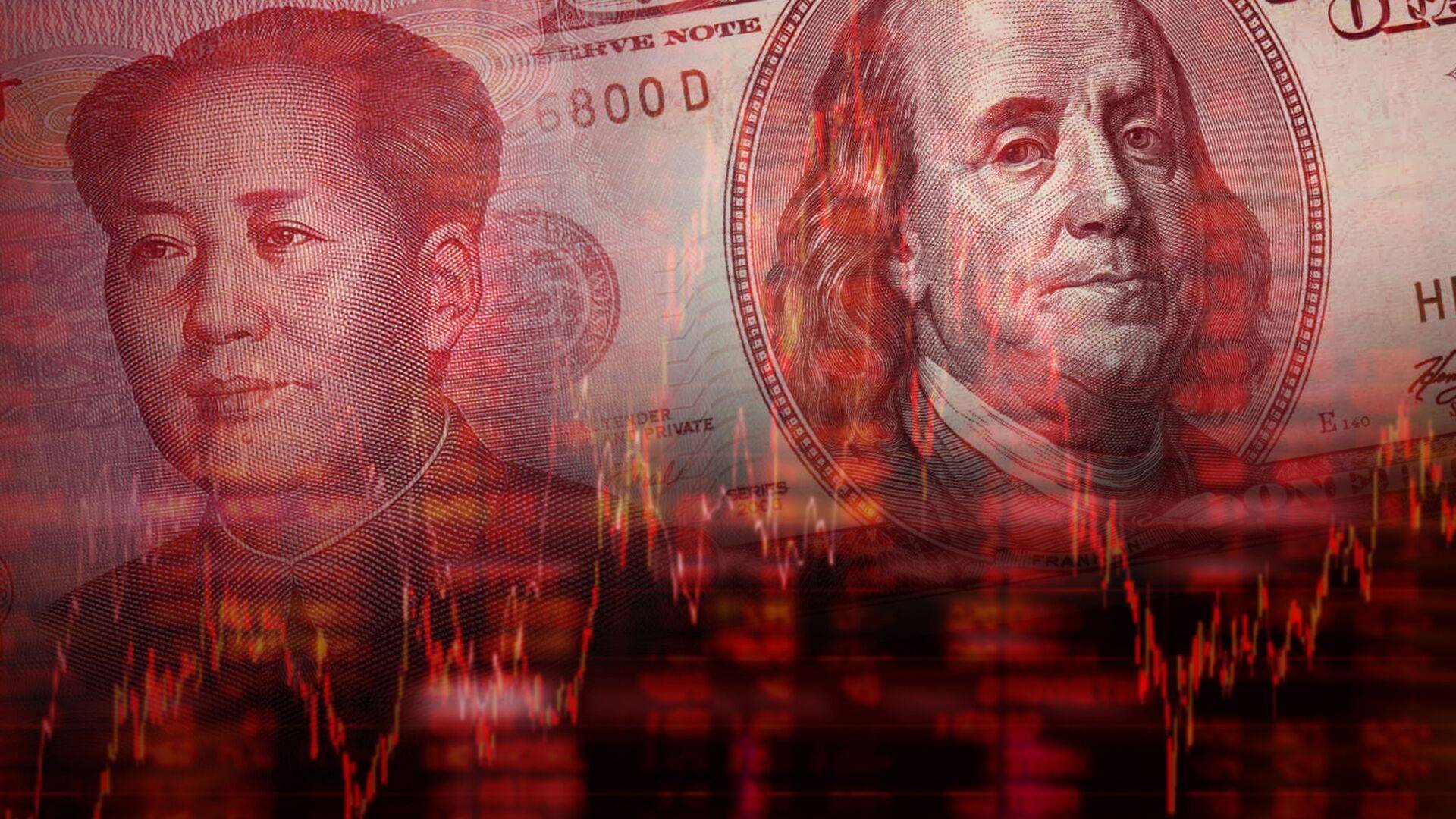
货币战争全面开打,亚洲沦为新战场,美联储降息前,中国先动手了
Sou Hu Cai Jing· 2025-05-12 09:09
Group 1 - The recent decline of the US dollar index, which fell below 100, indicates a potential continuation of a "weak dollar" trend, impacting global financial dynamics, especially for export-dependent entities and forex investors facing asset devaluation pressures [1][3] - The depreciation of the dollar leads to wealth erosion for holders of dollar-denominated assets, prompting many investors to convert dollars into other currencies, resulting in significant inflows into Asian currencies, with the Japanese yen rising by 8.5%, the South Korean won by 7.21%, the New Taiwan dollar by 9.55%, and the Thai baht by 4.36% [3] - The stability of the Chinese yuan, which has only appreciated by 1.93%, is attributed to strong economic fundamentals and effective policy adjustments by the People's Bank of China [3] Group 2 - Significant fluctuations in currency exchange rates can negatively impact a country's export competitiveness, as a stronger domestic currency makes goods more expensive for foreign buyers, while a weaker currency can undermine investor confidence and lead to capital flight [5] - The recent appreciation of Asian currencies is largely a result of the passive weakening of the dollar rather than improvements in the underlying economic fundamentals of these countries, indicating a high degree of external influence and unpredictability [5] - In the context of the ongoing US-China trade tensions, currency stability is crucial for maintaining investor confidence and demonstrating resilience against external shocks [5] Group 3 - In response to external pressures, the People's Bank of China has implemented a 0.5 percentage point reduction in the reserve requirement ratio and a 0.1 percentage point decrease in policy interest rates, which will lower deposit interest rates and mortgage burdens for consumers [7] - The interest rate cuts may reduce the attractiveness of the yuan for investors holding dollars, thereby mitigating excessive speculation against the yuan and lowering the risk of it being shorted [7] - China's proactive monetary policy signals a shift away from passive alignment with US monetary policy, reflecting its growing independence and ability to manage its foreign exchange reserves effectively [7] Group 4 - The ongoing US-China trade conflict has escalated into a currency war, with China actively working to reduce its reliance on the dollar, which may signify the beginning of a new cycle in the global financial landscape [9] - The long-term weakening of the dollar could indicate a relative decline in its influence, as emerging economies rise and the global economy becomes more multipolar [9] - As the world's second-largest economy and the largest exporter, China has both the capability and necessity to establish an independent monetary policy framework to lessen the impact of external shocks [9]