宏观审慎管理体系

Search documents
宣昌能:中国经济长期向好的支撑条件和基本趋势没有改变
Bei Jing Shang Bao· 2026-02-28 04:26
Core Viewpoint - The G20 meeting emphasized the need for multilateralism and open cooperation to address global economic growth challenges, with a focus on maintaining international economic order and promoting sustainable and inclusive growth [1] Group 1: Global Economic Coordination - The G20 meeting discussed the importance of macro policy coordination and experience sharing among countries to eliminate barriers to economic growth [1] - China supports strengthening financial channels within the G20 to facilitate coordinated macroeconomic policies [1] Group 2: China's Economic Position - China's economy is characterized by a solid foundation, multiple advantages, strong resilience, and significant potential, with long-term positive trends remaining unchanged [1] - The country is promoting a scientific and robust monetary policy system alongside a comprehensive macro-prudential management framework [1] Group 3: Financial Resource Allocation - China aims to enhance the transmission mechanism of monetary policy and improve the coordination between investment and financing in capital markets [1] - The goal is to better direct financial resources to support high-quality growth and facilitate economic structural transformation and upgrading [1]
最新21家系统重要性银行名单公布
Jing Ji Ri Bao· 2026-02-14 04:21
Group 1 - The People's Bank of China and the National Financial Regulatory Administration have conducted an assessment for the 2025 systemically important banks, identifying 21 domestic banks as systemically important, including 6 state-owned commercial banks, 10 joint-stock commercial banks, and 5 city commercial banks [1][3] - The list aims to establish a comprehensive macro-prudential management system and strengthen the regulation of systemically important financial institutions [2] Group 2 - Systemically important banks in China are categorized into five groups based on their importance scores, with the first group consisting of 11 banks, the second group having 4 banks, the third group with 2 banks, the fourth group containing 4 banks, and no banks in the fifth group [3] - The People's Bank of China plans to enhance the combined effect of macro-prudential management and micro-prudential regulation, continuing to solidify additional supervision for systemically important banks to promote their safe and sound operation and better serve the high-quality development of the real economy [3]




央行重要发布!名单公布
Sou Hu Cai Jing· 2026-02-14 01:14
Core Viewpoint - The People's Bank of China and the National Financial Regulatory Administration have conducted an assessment of systemically important banks for 2025, identifying 21 domestic banks categorized into five groups based on their systemic importance scores [1]. Group 1: Assessment of Systemically Important Banks - A total of 21 banks have been recognized as systemically important, including 6 state-owned commercial banks, 10 joint-stock commercial banks, and 5 city commercial banks [1]. - The banks are divided into five groups based on their systemic importance scores, with the first group containing 11 banks, the second group 4 banks, the third group 2 banks, the fourth group 4 banks, and the fifth group having no banks [1]. Group 2: Breakdown of Banks by Group - **First Group (11 banks)**: Includes China Minsheng Bank, China Everbright Bank, Ping An Bank, Huaxia Bank, Ningbo Bank, Jiangsu Bank, Beijing Bank, Nanjing Bank, Guangfa Bank, Zheshang Bank, and Shanghai Bank [1]. - **Second Group (4 banks)**: Includes Industrial Bank, China CITIC Bank, Shanghai Pudong Development Bank, and China Postal Savings Bank [1]. - **Third Group (2 banks)**: Includes Bank of Communications and China Merchants Bank [1]. - **Fourth Group (4 banks)**: Includes Industrial and Commercial Bank of China, Bank of China, China Construction Bank, and Agricultural Bank of China [1]. - **Fifth Group**: No banks are included in this group [1]. Group 3: Future Regulatory Actions - The People's Bank of China and the National Financial Regulatory Administration will implement additional regulatory measures for systemically important banks according to the "Regulations on Additional Supervision of Systemically Important Banks (Trial)" [1]. - The aim is to enhance the synergy between macro-prudential management and micro-prudential supervision, ensuring the safe and sound operation of systemically important banks and better supporting the high-quality development of the real economy [1].

我国系统重要性银行名单公布
新华网财经· 2026-02-14 01:10
Group 1 - The People's Bank of China and the National Financial Regulatory Administration have conducted an assessment for the 2025 systemically important banks, identifying 21 domestic banks, including 6 state-owned commercial banks, 10 joint-stock commercial banks, and 5 city commercial banks [3][4]. - The list aims to establish a comprehensive macro-prudential management system and strengthen the regulation of systemically important financial institutions [4]. - Systemically important banks are categorized into five groups based on their importance scores, with the first group including 11 banks such as China Minsheng Bank and China Everbright Bank, and the fourth group including major banks like Industrial and Commercial Bank of China and Bank of China [5]. Group 2 - The People's Bank of China and the National Financial Regulatory Administration will enhance the combined efforts of macro-prudential management and micro-prudential regulation to solidify additional supervision of systemically important banks, promoting their safe and sound operation to better serve the high-quality development of the real economy [5].


央行:2026年宏观审慎工作要继续按照构建覆盖全面的宏观审慎管理体系部署
Zheng Quan Shi Bao Wang· 2026-01-26 12:17
Core Viewpoint - The People's Bank of China (PBOC) is focusing on enhancing its macro-prudential management system and promoting the internationalization of the Renminbi (RMB) in 2026, following the achievements and challenges faced in 2025 [1][2] Group 1: Macro-Prudential Management - In 2025, the PBOC accelerated the construction of a macro-prudential management system, improving governance mechanisms and enhancing the standardized and practical capabilities of macro-prudential monitoring and assessment [1] - The PBOC emphasized the importance of managing systemically important financial institutions, financial markets, and cross-border capital flows as key areas for macro-prudential management [1] Group 2: Renminbi Internationalization - The PBOC aims to further promote the internationalization of the RMB by optimizing cross-border usage arrangements and enhancing the network of currency swaps and clearing banks [2] - The focus will be on supporting trade and investment facilitation, thereby continuously improving the ability to serve the real economy [1][2] Group 3: Financial Stability and Policy Tools - The 2026 macro-prudential work will continue to build a comprehensive management system, enhancing the central bank's macro-prudential management functions and gradually expanding the coverage of macro-prudential policies [2] - The PBOC plans to innovate and enrich its policy toolbox to maintain stable financial market operations and overall financial system stability [2]
锚定金融强国建设目标 不断提升金融服务实体经济高质量发展质效
Jin Rong Shi Bao· 2026-01-26 00:51
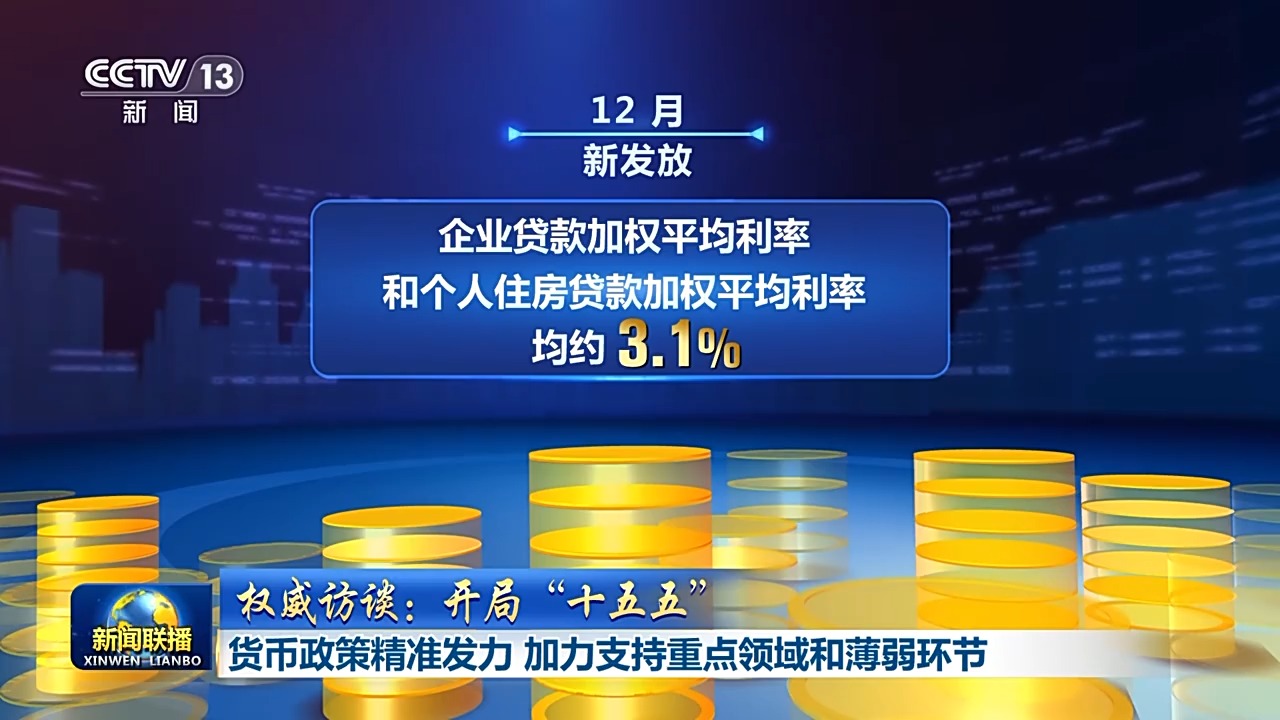
Core Viewpoint - The People's Bank of China (PBOC) aims to implement a moderately loose monetary policy to support stable economic growth and the smooth operation of financial markets, aligning with the goals set by the Central Committee and the State Council for building a financial powerhouse by 2025 [1][2]. Monetary Policy Implementation - In 2025, the PBOC will continue to implement moderately loose monetary policies, with social financing expected to grow by 8.3% year-on-year and broad money supply increasing by 8.5%, both significantly above nominal GDP growth [2]. - The average interest rate for newly issued corporate loans and personal housing loans is approximately 3.1% [2]. - The PBOC will maintain a flexible approach to policy implementation, utilizing tools such as reserve requirement ratio (RRR) cuts and interest rate reductions to ensure liquidity remains ample [3]. Structural Policy Adjustments - The PBOC has optimized structural monetary policy tools, reducing interest rates on various tools by 0.25 percentage points and increasing the quotas for rural and small enterprise loans by 500 billion yuan to 4.35 trillion yuan [4]. - New measures include a dedicated 1 trillion yuan re-loan for private enterprises and an increase in the quota for technology innovation and technical transformation re-loans to 1.2 trillion yuan [4]. Financial Market Stability - The exchange rate of the renminbi against a basket of currencies remains stable, and the bond market is developing healthily, with 10-year government bond yields stabilizing around 1.8% to 1.9% [3]. - The PBOC emphasizes maintaining a stable financial market and managing expectations to keep the renminbi at a reasonable equilibrium level [4]. Macro-Prudential Management - The PBOC is focused on building a robust macro-prudential management system that covers the relationship between macroeconomic operations and financial risks, as well as key areas of financial markets and activities [7][9]. - Key initiatives include enhancing the monitoring and assessment of systemic financial risks and expanding the coverage of macro-prudential management to include new areas such as non-bank financial institutions and internet finance [9]. International Financial Cooperation - The PBOC is committed to deepening financial cooperation and governance reforms on a global scale, promoting multilateralism, and opposing unilateralism and protectionism [10][11]. - Efforts include enhancing the internationalization of the renminbi and supporting the construction of the Shanghai International Financial Center [10]. Support for Key Sectors - The PBOC plans to enhance financial support for expanding domestic demand, technological innovation, and small and micro enterprises, with specific measures such as a 500 billion yuan re-loan for consumer services and elderly care [12][13]. - Additional support for technology innovation includes increasing the re-loan quota for technology innovation and technical transformation to 1.2 trillion yuan and merging risk-sharing tools for technology innovation and private enterprises [13].
货币政策精准发力 加力支持重点领域和薄弱环节
Xin Lang Cai Jing· 2026-01-25 13:05
Core Viewpoint - The People's Bank of China (PBOC) is committed to implementing a moderately accommodative monetary policy to support economic growth and maintain financial stability, with a focus on key areas such as domestic demand, technological innovation, and small and micro enterprises. Group 1: Monetary Policy Implementation - In 2026, the PBOC will continue to implement a moderately accommodative monetary policy, ensuring that the growth of social financing and money supply aligns with economic growth and price level expectations [5] - The average interest rates for new corporate loans and personal housing loans are approximately 3.1%, with social financing costs remaining low [3] - There is still room for further reductions in reserve requirements and interest rates this year [5] Group 2: Financial Support Focus Areas - Financial institutions will be guided to enhance support for expanding domestic demand, technological innovation, and small and micro enterprises [7] - A total of 500 billion yuan will be allocated for consumer services and pension re-loans to meet diverse financial needs in the consumption sector [7] - The quota for re-loans for technological innovation and technological transformation will be increased to 1.2 trillion yuan, promoting the development of the bond market's "technology board" [7] Group 3: Support for Small and Micro Enterprises - The PBOC aims to improve the accessibility and convenience of financing for small and micro enterprises, increasing the re-loan and rediscount quota for agricultural and small enterprises by 500 billion yuan, totaling 4.35 trillion yuan [9] - A dedicated 1 trillion yuan re-loan for private enterprises will be established to specifically support small private enterprises [9] - Financial institutions will be encouraged to issue financial bonds for small and micro enterprises and improve the credit enhancement system for private small and medium-sized enterprises [9] Group 4: Internationalization and Payment Systems - The PBOC will continue to build a multi-channel, comprehensive, safe, and efficient cross-border payment system for the renminbi [11] - There will be an emphasis on enhancing international cooperation in cross-border payments and actively participating in international financial governance [11] - The PBOC will strengthen regulatory capabilities to match high-level openness and firmly safeguard national financial security [11]
权威访谈 开局“十五五”丨央行行长:有序推进人民币国际化
Sou Hu Cai Jing· 2026-01-24 03:00
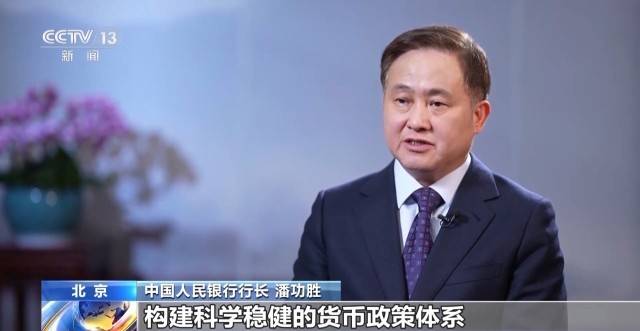
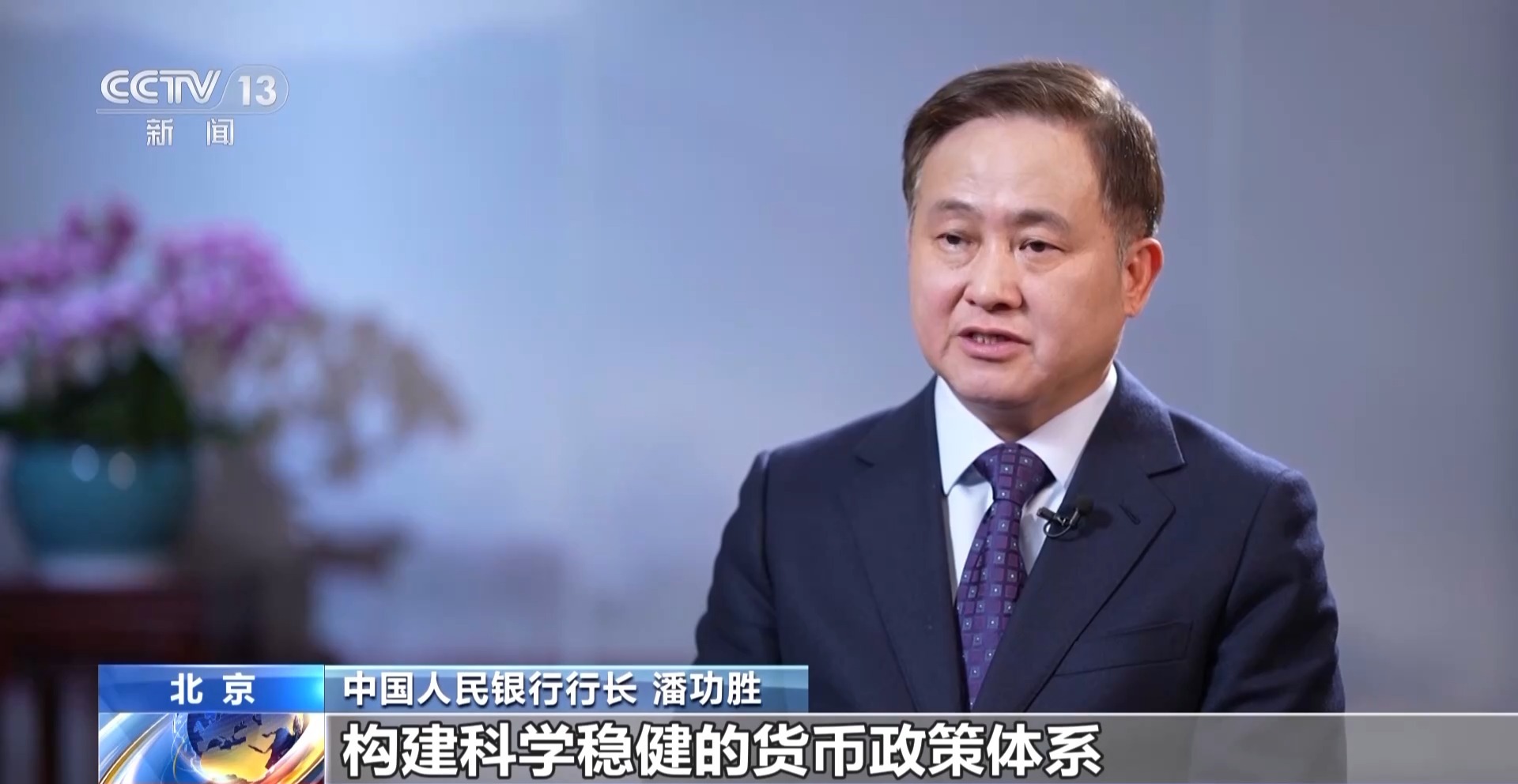
Core Viewpoint - The People's Bank of China (PBOC) aims to maintain currency stability and financial stability as dual objectives while promoting a robust monetary policy framework and macro-prudential management system during the 14th Five-Year Plan period [1][3]. Group 1: Monetary Policy Framework - The PBOC will optimize the monetary policy target system, focusing less on quantitative targets and more on interest rate adjustments to enhance financial stability [5]. - A scientific and robust monetary policy system will be constructed, balancing short-term and long-term goals, economic growth, and risk prevention [3]. Group 2: Financial Stability and Risk Management - The PBOC emphasizes the importance of a comprehensive macro-prudential management system to monitor and assess financial risks systematically [9]. - There will be an expansion of macro-prudential coverage to include financial markets, non-bank financial institutions, financial infrastructure, and internet finance [9]. Group 3: International Cooperation and Currency Internationalization - The PBOC will enhance international cooperation in cross-border payments and actively participate in global financial governance reforms [1]. - Efforts will be made to promote the internationalization of the Renminbi and improve the cross-border payment system [1]. Group 4: Interest Rate and Exchange Rate Mechanisms - The PBOC will improve the market-oriented interest rate formation and transmission mechanism to ensure effective monetary policy implementation [7]. - A flexible exchange rate formation mechanism will be maintained, with a focus on preventing excessive fluctuations [7].
央行行长:有序推进人民币国际化
Yang Shi Xin Wen· 2026-01-24 01:31
Group 1 - The core viewpoint emphasizes the need for a moderately loose monetary policy to support domestic growth while promoting international financial cooperation and the internationalization of the Renminbi by 2026 [1] - The People's Bank of China (PBOC) aims to build a multi-channel, comprehensive, secure, and efficient cross-border payment system for the Renminbi, enhancing international cooperation in cross-border payments [1] - The PBOC will focus on maintaining currency stability and financial stability as dual objectives, which are foundational tools for macroeconomic management [2] Group 2 - The PBOC plans to optimize its monetary policy target system during the 14th Five-Year Plan, shifting focus from quantitative targets to more observational and reference indicators, thereby enhancing the role of interest rate adjustments [4] - There will be improvements in the market-oriented interest rate formation, adjustment, and transmission mechanisms to ensure effective transmission from central bank policy rates to market benchmark rates [6] - A comprehensive macro-prudential management system will be established, expanding coverage to include financial markets, non-bank financial institutions, financial infrastructure, and internet finance [8]
潘功胜:锚定金融强国建设目标 不断提升金融服务实体经济高质量发展质效|宏观经济
清华金融评论· 2026-01-23 09:35
Core Viewpoint - The article discusses the implementation of a moderately loose monetary policy by the People's Bank of China (PBOC) to support economic stability and growth, particularly in key areas such as domestic demand, technological innovation, and small and medium-sized enterprises (SMEs) [2][3]. Group 1: Monetary Policy Implementation - In 2025, the social financing scale increased by 8.3% year-on-year, and the broad money supply grew by 8.5%, both significantly higher than the nominal GDP growth rate [3]. - The average interest rate for newly issued corporate loans and personal housing loans was approximately 3.1% in December, reflecting a low financing cost environment [3]. - The PBOC plans to continue implementing a moderately loose monetary policy in 2026, focusing on stabilizing economic growth and ensuring reasonable price recovery [5]. Group 2: Structural Policy Measures - The PBOC has introduced various structural monetary policy tools, including a 0.25 percentage point reduction in the interest rates of various structural monetary policy tools and an increase in the re-lending quota for agricultural and small enterprises to 4.35 trillion yuan [6]. - The PBOC aims to optimize the design and management of structural monetary policy tools to better support major strategies and key areas [5][6]. Group 3: Financial Market Stability - The exchange rate of the renminbi against a basket of currencies has remained stable, and the bond market has developed healthily, with the 10-year government bond yield stabilizing around 1.8% to 1.9% [4]. - The PBOC emphasizes maintaining the stability of the financial market and managing expectations effectively [6]. Group 4: Macro-Prudential Management - The PBOC is focused on constructing a scientific and robust monetary policy system and a comprehensive macro-prudential management system to support high-quality financial development [7]. - Key areas of focus include monitoring systemic financial risks, expanding the coverage of macro-prudential management, and enhancing the standardization and effectiveness of macro-prudential management tools [13][14]. Group 5: Support for Key Sectors - The PBOC has allocated 500 billion yuan for consumer services and elderly care re-lending, and increased the quota for technology innovation and technical transformation re-lending to 1.2 trillion yuan [18][19]. - The PBOC is enhancing support for SMEs by increasing re-lending quotas and improving financing accessibility for small and private enterprises [19][21].