一个中国原则

Search documents
中国代表:任何歪曲解读联大第2758号决议的行径注定不会得逞
Zhong Guo Xin Wen Wang· 2025-10-28 00:21
中国代表:任何歪曲解读联大第2758号决议的行径注定不会得逞 编辑:万可义 广告等商务合作,请点击这里 中新社联合国10月27日电 中国常驻联合国代表团27日在纽约联合国总部举办"纪念台湾光复80周年,维 护联大第2758号决议权威"会议。中国常驻联合国代表傅聪在会上强调,任何歪曲解读联大第2758号决 议的行径注定不会得逞。 本文为转载内容,授权事宜请联系原著作权人 当天,傅聪主持会议并作主旨发言。联大第2758号决议现场亲历者、巴基斯坦前常驻联合国代表阿克拉 姆,上海国际问题研究院院长陈东晓以及阿尔及利亚、俄罗斯、巴西、巴基斯坦等近40国使节应邀与 会。 中新经纬版权所有,未经书面授权,任何单位及个人不得转载、摘编或以其它方式使用。 关注中新经纬微信公众号(微信搜索"中新经纬"或"jwview"),看更多精彩财经资讯。 傅聪强调,日前中国全国人大根据宪法,将10月25日设立为台湾光复纪念日。1971年的同一天,联大以 压倒性多数通过第2758号决议,恢复中华人民共和国在联合国的合法席位,彰显了国际社会对坚持一个 中国原则的郑重承诺。台湾是中国领土不可分割的一部分,这是不可撼动的历史和法理事实,所谓"台 湾 ...
让国际社会坚持一个中国原则的基本格局更加巩固——海外人士积极评价设立台湾光复纪念日
Xin Hua Wang· 2025-10-27 13:41
"设立这一纪念日是值得高度评价的举措,既是对历史的回顾与学习,也契合中国人民从历史中汲 取力量、推动新时代发展的愿望。"日本山口大学名誉教授纐缬厚说,中国再次向国际社会重申台湾是 中国不可分割的一部分,这具有极其重大的意义。"台湾摆脱日本殖民统治是中国人民抗日战争和世界 反法西斯战争胜利的成果,这一点已为历史证明。" "我们赞赏中国将10月25日设为台湾光复纪念日,这庄严宣示了中国人民捍卫国家主权的团结精神 和坚定决心。"巴基斯坦常驻日内瓦代表比拉尔·艾哈迈德大使24日在日内瓦举行的设立台湾光复纪念日 活动上说。他强调,联合国大会于1971年通过的第2758号决议,确认了一个中国原则,这是联合国历史 上一个里程碑。如今,这一决议继续得到国际社会压倒性支持。 新华社北京10月27日电 题:让国际社会坚持一个中国原则的基本格局更加巩固——海外人士积极 评价设立台湾光复纪念日 新华社记者 10月24日,十四届全国人大常委会第十八次会议经表决,通过了关于设立台湾光复纪念日的决定, 以法律形式将10月25日设立为台湾光复纪念日,并规定国家通过多种形式举行纪念活动。 海外人士普遍认为,在台湾光复80周年之际设立台湾光复纪 ...
外交部:希望各国支持中国人民完成国家统一的正义事业
财联社· 2025-10-27 12:25
Core Points - The establishment of Taiwan Recovery Memorial Day on October 25 reflects the historical significance of Taiwan's return to Chinese sovereignty after World War II, marking the 80th anniversary of this event [1] - The decision emphasizes the importance of the One China principle and aims to reinforce the international consensus that Taiwan is an inseparable part of China [2] Group 1 - Taiwan Recovery is a significant outcome of the victory in World War II and an essential part of the post-war international order [2] - The establishment of Taiwan Recovery Memorial Day showcases the commitment of the Chinese government and its people to uphold national sovereignty and territorial integrity [1][2] - The commemoration serves to unite all Chinese people, including those in Taiwan, in a shared historical memory and aspiration for national unity [1] Group 2 - The One China principle is recognized as a common consensus in the international community and a fundamental norm in international relations [2] - The Chinese government calls on other countries to adhere to the One China principle and support the rightful cause of national unification [2]


外交部:中方设立台湾光复纪念日有力巩固世界上只有一个中国的国际共识
Xin Hua She· 2025-10-27 11:51
Core Points - The establishment of Taiwan Recovery Day by China reinforces the international consensus that there is only one China and Taiwan is an inseparable part of it [1][2] - Taiwan's recovery is highlighted as a significant outcome of the victory in World War II and an essential part of the post-war international order [2] Summary by Sections Historical Context - The Taiwan Recovery Day commemorates the victory of the Chinese people in the Anti-Japanese War and the World Anti-Fascist War, marking the return of Taiwan and the Penghu Islands to Chinese sovereignty on October 25, 1945 [1] - This event is considered a crucial historical fact and legal basis for Taiwan's status as part of China, reflecting a collective memory of the Chinese people [1] Political Implications - The decision to establish Taiwan Recovery Day is seen as a demonstration of the Chinese people's commitment to the one-China principle and the defense of national sovereignty and territorial integrity [1] - It reflects the shared aspirations of all Chinese, including those in Taiwan, and underscores the Chinese Communist Party's determination to achieve national reunification [1][2] International Relations - The one-China principle is described as a universal consensus in international relations, and the establishment of Taiwan Recovery Day is intended to strengthen this principle [2] - China calls on other countries to uphold the one-China principle, promote a correct view of World War II history, and support the Chinese people's opposition to Taiwan independence [2]
新华社连续两日刊发钟台文署名文章
财联社· 2025-10-27 10:59
Core Viewpoint - The development of cross-strait relations and national reunification is essential for the great rejuvenation of the Chinese nation, supported by historical evidence and the natural emotional ties between people on both sides of the Taiwan Strait [3][4][5]. Group 1: Historical Context and National Reunification - National reunification is a historical conclusion that reflects the collective will of the Chinese people, and it is an inevitable trend that cannot be obstructed by any individual or force [3]. - The historical context of the Taiwan issue is rooted in the struggles of the Chinese nation, with Taiwan's status as part of China being established through various historical events and legal agreements [11][12][13][15]. - The "One China" principle is recognized as a fundamental norm in international relations, with a majority of countries supporting China's stance on Taiwan [16]. Group 2: Economic Benefits of Reunification - Reunification will allow Taiwan to break through economic development bottlenecks and share in the national development dividends, enhancing its economic growth prospects [5][6]. - The establishment of a cross-strait common market will lead to zero tariffs on Taiwanese goods entering the mainland, providing significant benefits for Taiwanese businesses [5][7]. - Taiwan's fiscal resources will be utilized for the betterment of its people, improving living standards and addressing long-standing social issues [6][10]. Group 3: Social and Cultural Integration - The concept of "Two sides of one family" emphasizes the importance of cultural and social integration, ensuring that the rights and interests of Taiwanese people are respected and protected [4][8]. - Reunification will foster a sense of national pride and dignity among Taiwanese people, allowing them to participate fully in international affairs [8][10]. - The shared cultural heritage and historical ties between the people of Taiwan and the mainland will facilitate a smoother integration process post-reunification [17][18]. Group 4: Peace and Stability - The push for reunification aims to eliminate the risks of war and ensure a peaceful and stable environment for all people in Taiwan [9][10]. - The historical evidence shows that peaceful development of cross-strait relations has brought tangible benefits to Taiwanese people, contrasting with the risks posed by separatist movements [9][10]. - The prevailing public sentiment in Taiwan increasingly favors peace and cooperation over conflict and division, highlighting a desire for stability [10].
外交部介绍设立台湾光复纪念日:有力巩固世界上只有一个中国的共识
Zhong Guo Xin Wen Wang· 2025-10-27 08:10
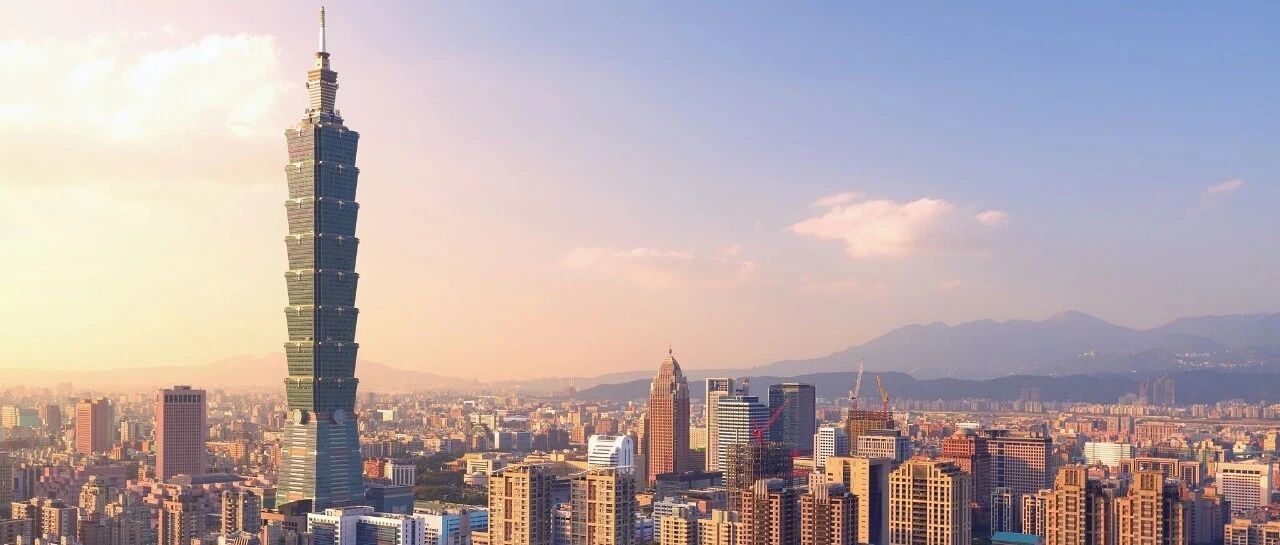
在台湾光复80周年之际,中国全国人大常委会决定设立台湾光复纪念日,展示了全国各族人民坚持一个 中国原则、捍卫国家主权和领土完整的坚定立场,反映了包括台湾同胞在内的海内外中华儿女的共同愿 望,彰显了中国共产党坚定不移担当历史任务、矢志不渝实现祖国完全统一的坚强意志。 郭嘉昆:1945年,中国人民经过14年不屈不挠的浴血奋战,赢得抗日战争暨世界反法西斯战争的伟大胜 利。当年10月25日,中国战区台湾省受降仪式在台北举行,至此台湾、澎湖列岛重归中国主权管辖之 下。台湾光复是抗战胜利的重要成果,是中国政府恢复对台湾行使主权的重要铁证,是台湾作为中国一 部分的历史事实和法理链条的重要一环,是全体中华儿女共同的民族记忆。 台湾光复是二战胜利成果和战后国际秩序的重要组成部分。一个中国原则是国际社会普遍共识和国际关 系基本准则。中方设立台湾光复纪念日,有力巩固了世界上只有一个中国、台湾是中国不可分割一部分 的国际共识。我们希望各国坚持一个中国原则,共同弘扬正确二战史观,坚定维护二战胜利成果,支持 中国人民反对"台独"分裂活动、完成国家统一的正义事业。(完) 中新网北京10月27日电 (记者 邢翀 张素)中国外交部发言人郭嘉昆 ...
新华社发表署名文章:台湾问题的由来和性质
第一财经· 2025-10-26 15:58
Core Viewpoint - The article emphasizes that the Taiwan issue is an internal matter of China, rooted in historical conflicts and external interventions, and asserts that it will ultimately be resolved with the rejuvenation of the Chinese nation [3][8][16]. Historical Context - Taiwan has historically belonged to China, with archaeological evidence showing that its indigenous peoples migrated from the mainland. The earliest records date back to 230 AD, and various Chinese dynasties established administrative control over Taiwan [5][6]. - The Qing Dynasty officially incorporated Taiwan as a province in 1885, marking its development as a prosperous region under Chinese governance [5][6]. - The Taiwan issue arose from Japan's illegal annexation of Taiwan through the Treaty of Shimonoseki in 1895, and the subsequent efforts of the Chinese people to reclaim it during the anti-Japanese war [6][9]. Legal and International Recognition - The legal status of Taiwan as part of China was reaffirmed after World War II, with the Cairo Declaration and the Potsdam Declaration emphasizing the return of Taiwan to China [6][7]. - The establishment of the People's Republic of China (PRC) in 1949 marked a significant shift, with the PRC recognized as the sole legitimate government of China, maintaining that Taiwan is an integral part of its territory [11][12]. One China Principle - The One China principle is a fundamental tenet of international relations, supported by the majority of countries worldwide, which recognize Taiwan as part of China [12]. - The UN General Assembly Resolution 2758 in 1971 acknowledged the PRC as the only legitimate representative of China, reinforcing the notion that Taiwan does not possess independent status [12]. Path to Resolution - The article argues that the Taiwan issue must be resolved by the Chinese people themselves, highlighting the shared cultural and historical ties between the people on both sides of the Taiwan Strait [14][16]. - The "1992 Consensus," which acknowledges the One China principle, is presented as a foundation for peaceful relations and potential resolution of the Taiwan issue [15][16]. - The article concludes that national rejuvenation and unification are inevitable trends, and both sides can work towards a peaceful resolution of the Taiwan issue, benefiting all Chinese people [16].
新华社钟台文:台湾问题的由来和性质
财联社· 2025-10-26 13:58
Core Viewpoint - The article emphasizes that the Taiwan issue is an internal matter of China, rooted in historical events and the struggle for national rejuvenation, and it asserts that Taiwan will ultimately be resolved as part of China's great revival [1][4][8]. Historical Context - Taiwan has historically belonged to China, with archaeological evidence showing that its indigenous people migrated from the mainland. The earliest records date back to 230 AD, and various Chinese dynasties established administrative control over Taiwan [2][3]. - The Qing Dynasty officially incorporated Taiwan as its 20th province in 1885, marking its development as a prosperous region under Chinese governance [2][3]. Japanese Occupation and Recovery - Taiwan was ceded to Japan through the unequal Treaty of Shimonoseki in 1895. The Chinese resistance against Japanese occupation culminated in the victory of the Anti-Japanese War, leading to Taiwan's recovery in 1945 [3][4]. - The Cairo Declaration and the Potsdam Declaration reaffirmed the return of Taiwan to China after Japan's defeat in World War II, solidifying its status as part of Chinese territory [3][4]. Political Dynamics - The Taiwan issue arose from the internal strife of the Chinese Civil War and foreign interference, particularly from the United States, which supported the Kuomintang after their retreat to Taiwan in 1949 [4][5]. - Despite the political division, the sovereignty of China over Taiwan has remained unchanged, with the People's Republic of China recognized as the sole legitimate government representing all of China, including Taiwan [5][6]. One China Principle - The One China principle is a fundamental tenet of international relations, with the United Nations recognizing the People's Republic of China as the only legitimate representative of China, thereby excluding any notion of Taiwanese independence [6][7]. - A consensus known as the "1992 Consensus" was reached, affirming that both sides of the Taiwan Strait belong to one China, which is crucial for maintaining peace and stability in cross-strait relations [7][8]. Future Outlook - The article posits that the Taiwan issue will be resolved by the Chinese people themselves, as both sides share common cultural and historical ties. The ongoing efforts towards national rejuvenation will facilitate the eventual reunification of Taiwan with the mainland [7][8]. - The article concludes that the resolution of the Taiwan issue is inevitable and aligns with the broader goals of national unity and the revival of the Chinese nation [8].

署名文章:台湾问题的由来和性质
Xin Hua Wang· 2025-10-26 12:31
Core Viewpoint - The Taiwan issue is deeply intertwined with the fate of the Chinese nation and is rooted in historical conflicts and foreign interventions, which will ultimately be resolved with national rejuvenation [1][4][9]. Historical Context - Taiwan has historically belonged to China, with archaeological evidence showing that its indigenous peoples migrated from the mainland. The earliest records date back to 230 AD, and various Chinese dynasties established administrative control over Taiwan [2][3]. - The Qing Dynasty officially incorporated Taiwan as a province in 1885, marking its development into a prosperous region under Chinese governance [2][3]. Japanese Occupation and Recovery - Taiwan was ceded to Japan through the unequal Treaty of Shimonoseki in 1895. The Chinese people, including those in Taiwan, resisted this occupation, culminating in the victory of the Anti-Japanese War in 1945, which led to Taiwan's return to China [3][4]. Sovereignty and Legal Status - The establishment of the People's Republic of China (PRC) in 1949 did not alter China's sovereignty over Taiwan. The PRC is recognized as the sole legal government of China, maintaining that Taiwan is an integral part of its territory [5][6]. - The "One China" principle is a fundamental tenet of international relations, supported by the majority of countries worldwide, which recognize Taiwan as part of China [7]. Resolution of the Taiwan Issue - The resolution of the Taiwan issue is seen as a responsibility for the Chinese people, with a historical consensus (known as the "1992 Consensus") affirming that both sides of the Taiwan Strait belong to one China [8][9]. - The ongoing efforts by the Chinese government and the Communist Party aim to foster peaceful relations and ultimately achieve national reunification, reflecting the shared heritage and aspirations of the Chinese people [8][9].
英国侨学界代表纪念台湾光复80周年
人民网-国际频道 原创稿· 2025-10-26 03:57
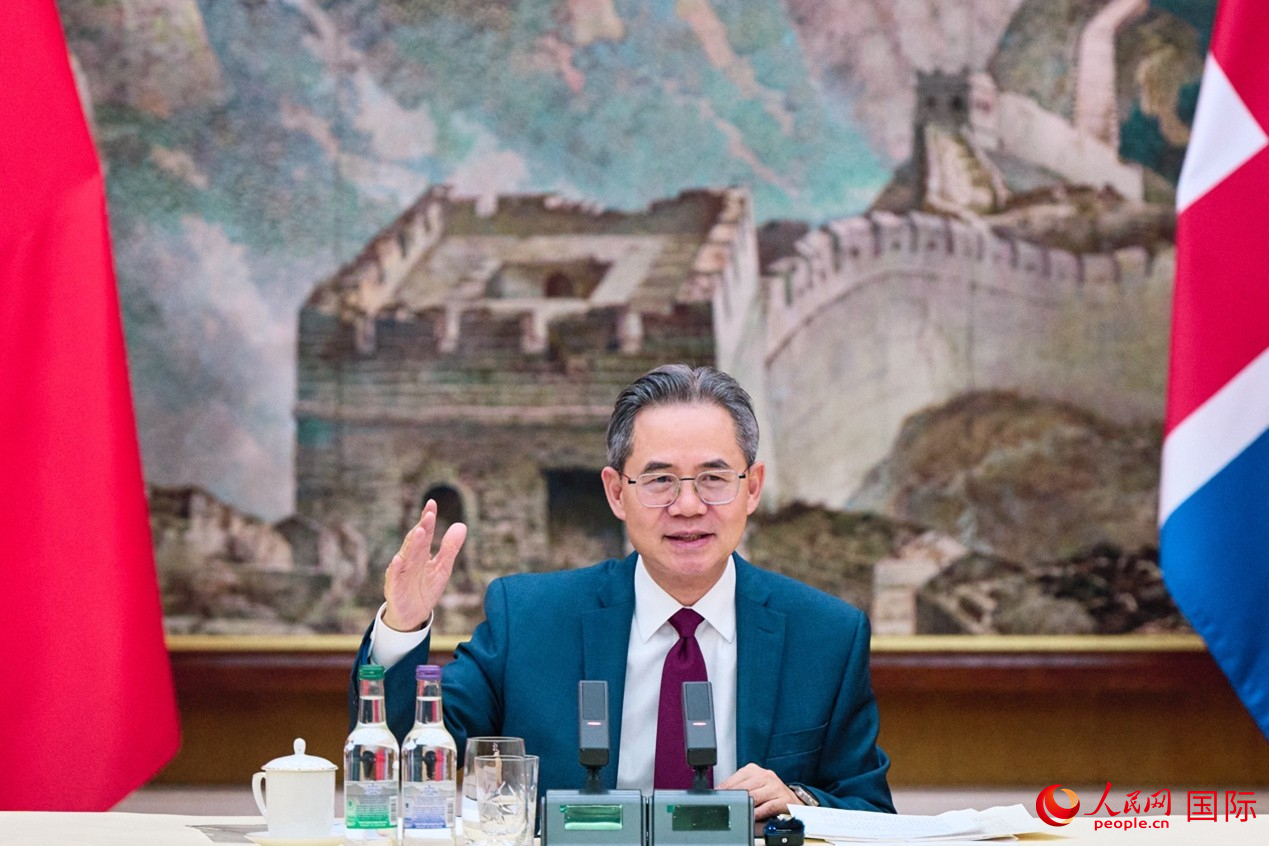
人民网伦敦10月25日电 (徐量)中国驻英国大使馆于25号举行纪念台湾光复80周年座谈会,中国驻英国大使郑泽光出席并发表讲话。英国侨学界代表 积极参与,并一致表示支持树立正确的历史观,认为祖国统一是中华民族发展的必然趋势。 在座谈会上,郑泽光阐述了将10月25日设立为台湾光复纪念日的重要意义,强调坚决贯彻新时代党解决台湾问题的总体方略,坚持一个中国原则和"九 二共识",推动两岸关系和平发展、推进祖国统一大业,深化两岸融合发展,完善增进台湾同胞福祉的制度和政策,坚定反对"台独"分裂行径和外部势力干 涉。 座谈会现场。人民网 杨浩鹏摄 座谈会交流期间,在英侨学界代表多次提及"无论身在何方,永远都是中国人",大家纷纷结合亲身经历表达深厚的爱国情怀,强调两岸同属一个中国的 事实不容置疑,呼吁以史为鉴,共同守护中华民族的共同家园。他们表示,两岸同胞血脉相连、情感相通,国家的强盛与民族的团结始终是海外华人的最大 牵挂与骄傲,会充分发挥积极作用,为推动中英关系和两岸发展作出贡献。 郑泽光指出,美国等少数国家歪曲和挑战联大第2758号决议,翻炒所谓"台湾地位未定"的谎言,这是对国家主权平等、不干涉内政等国际关系准则的公 然践 ...