
全球气候变暖

Search documents
雨那么多,北方的气候“南方化”了吗?
Ren Min Ri Bao· 2025-08-23 23:25
Core Viewpoint - The northern regions of China are experiencing increased rainfall and extreme weather events, raising concerns about climate change and its impact on regional weather patterns [1][3]. Group 1: Weather Patterns and Climate Change - The northern regions have seen multiple rounds of heavy rainfall since July, with 13 instances of heavy rain reported, which is 5 more than the average for the same period [1]. - The abnormal atmospheric circulation, particularly the western Pacific subtropical high, is a significant factor contributing to the increased rainfall in northern China [2]. - The onset of the rainy season in North China occurred on July 5, nearly two weeks earlier than the average date, marking the earliest start since 1961 [2]. Group 2: Implications of Extreme Weather - The increase in extreme weather events is linked to global warming, with the World Meteorological Organization reporting a fivefold increase in weather-related disasters over the past 50 years [3][4]. - Northern China is particularly vulnerable to extreme weather due to its ecological sensitivity, facing risks such as increased frequency and intensity of extreme events [4]. - The climate risk index for China in 2024 is projected to be the highest since 1961, with significant risks from flooding and high temperatures [3]. Group 3: Response and Adaptation Strategies - There is an urgent need for a comprehensive disaster risk reduction mechanism that includes government leadership, early warning systems, and community participation [4]. - The focus should be on risk assessment, dynamic monitoring, and public education to minimize exposure to extreme weather risks [4][5]. - The United Nations has initiated a global early warning initiative aimed at ensuring that everyone is protected by early warning systems by 2027 [5][6].
北方的气候“南方化”了吗(新知)
Ren Min Ri Bao· 2025-08-17 22:01
Group 1 - The article discusses the warming and humidification trend in northern China, suggesting that while there are indications of a shift towards a "southern" climate, further research is needed to confirm this [1][3] - Since July, northern China has experienced multiple rounds of heavy rainfall, with 13 instances of heavy rain reported, which is 5 more than the average for the same period [1][2] - The early onset of the rainy season in North China, starting on July 5, is noted as the earliest since 1961, indicating significant climatic changes [2][3] Group 2 - The abnormal atmospheric circulation, particularly the west Pacific subtropical high, is identified as a key factor contributing to the increased rainfall in northern regions [2][3] - The article highlights the relationship between global warming and the northward movement of the subtropical high, which is believed to be pushing warm, moist air into northern China [3] - The World Meteorological Organization reports that climate-related disasters have increased fivefold over the past 50 years, with China being particularly sensitive to climate change [3][4] Group 3 - The article emphasizes the need for a comprehensive disaster risk management approach, including government leadership, early warning systems, and public participation to address extreme weather events [4][5] - It mentions the United Nations' initiative for early warning systems to protect populations from climate-related disasters by 2027, showcasing a global effort to enhance climate resilience [5]
如何建设无惧风雨韧性城市?
Jing Ji Ri Bao· 2025-08-16 01:19
Core Viewpoint - The increasing frequency of extreme weather events, such as heavy rainfall, necessitates the construction of resilient cities that can effectively manage urban flooding and climate risks [1][2]. Group 1: Urban Resilience and Climate Risks - Urban resilience focuses on proactive measures to address climate safety risks, which are now closely linked to national security aspects like food, energy, and ecological safety [2]. - The need for cities to understand their disaster risk profiles and implement targeted protective measures in high-risk areas is emphasized [2]. - Many small and medium-sized cities currently lack early warning systems for climate safety and specific plans for extreme weather events [2]. Group 2: Infrastructure and Planning - The ability of a city to withstand natural disasters relies more on its infrastructure than on superficial appearances [2]. - Urban renewal must reconsider planning in light of climate change, allowing for flexible design that accommodates varying financial capabilities [2]. - It is recommended to establish tiered drainage system upgrades and reserve capacity for extreme conditions to mitigate adverse outcomes [2]. Group 3: Community Aspirations and Systematic Approach - The construction of resilient cities reflects the community's desire for safety against extreme weather [3]. - A balance between urgency and systematic planning is crucial for enhancing urban safety resilience, transitioning from reactive emergency responses to proactive prevention [3].
法国正经历“文化战争”:空调是极右翼的东西吗?
Xin Lang Cai Jing· 2025-08-13 23:55
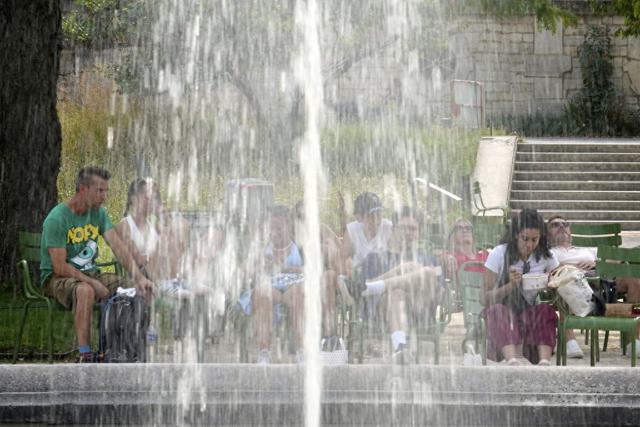
Core Viewpoint - The debate over air conditioning in France has intensified amid unprecedented heat waves, highlighting cultural and political divides regarding its necessity and environmental impact [1][3][5]. Group 1: Current Climate Situation - France is experiencing one of its hottest summers on record, with temperatures exceeding normal values by up to 12 degrees Celsius, and 40% of weather stations recording temperatures above 40 degrees Celsius [1][3]. - The French population has historically been resistant to air conditioning, viewing it as wasteful and contrary to climate change efforts, but this perception is shifting as heat becomes increasingly unbearable [3][5]. Group 2: Political and Cultural Debate - The extreme heat has sparked a political debate, with far-right leader Marine Le Pen proposing a nationwide air conditioning installation plan if elected, which has drawn criticism from environmentalists [3][4]. - The discussion around air conditioning has become a cultural battleground, with differing opinions on its necessity and environmental implications [4][10]. Group 3: Public Sentiment and Usage - Many French citizens are beginning to reconsider their stance on air conditioning, with some residents in Paris already installing units to cope with extreme temperatures [6][9]. - There is a general consensus that essential facilities like nursing homes, hospitals, and schools should have air conditioning, but there is less support for widespread residential installation [9][10]. Group 4: Environmental Concerns - Environmentalists warn that increased air conditioning usage could exacerbate outdoor temperatures, with predictions indicating that household air conditioning could raise outdoor temperatures by 2 degrees Celsius [6][10]. - The European Union's energy consumption statistics show that only 1% of energy is used for cooling, compared to 62.5% for heating, indicating a significant imbalance in energy usage patterns [6][10]. Group 5: Future Projections - Climate data suggests that Europe is experiencing longer heat waves than 40 years ago, with predictions indicating that Paris could frequently see temperatures reaching 50 degrees Celsius by 2050 if current warming trends continue [10].

气象学者魏科:我们已经身处危机时代,而不是在讨论一个遥远的未来
经济观察报· 2025-08-06 13:47
Core Viewpoint - Climate extremization has become a norm, with global warming leading to intensified rainfall and drought conditions in specific regions, resulting in sudden shifts between drought and flooding [1][3][8]. Group 1: Extreme Weather Events - Recent years have seen a significant increase in extreme weather events globally, with high temperatures, floods, and storms becoming more frequent and intense [5][6]. - In July, the average temperature in Henan Province reached 30.5°C, 3.2°C higher than the historical average, marking the hottest period in 64 years [2]. - Northern China experienced above-average rainfall, with Inner Mongolia recording the highest precipitation for this period since 1961 [2][3]. Group 2: Impact on Agriculture - Extreme weather is adversely affecting major grain-producing areas in China, with high temperatures and heavy rainfall impacting crop growth and increasing irrigation costs [3][14]. - The growth of winter wheat is particularly vulnerable to insufficient low-temperature periods, which can lead to premature ear formation and reduced yields [15]. - High temperatures can cause corn leaves to curl, affecting photosynthesis and increasing water requirements, thus raising irrigation costs for farmers [15]. Group 3: Future Projections and Preparedness - The ongoing climate crisis requires urgent action, with a need for five times the current effort to effectively address climate challenges [11]. - Transitioning to green renewable energy is essential, despite the associated costs, as it presents significant industrial opportunities while mitigating future disaster losses [11]. - The upcoming weather patterns indicate that northern regions may continue to face flooding, while southern areas will experience heightened drought conditions [12]. Group 4: Economic Implications - The volatility of agricultural prices due to extreme weather events is expected to persist, with "weather-related price hikes" becoming more common [16]. - Developing countries may be disproportionately affected by extreme climate events, leading to potential resource conflicts and social instability [17]. - Industries related to agriculture may need to adapt their insurance models and financial tools to better manage the risks associated with climate change [18]. Group 5: Urban Planning and Infrastructure - The concept of sponge cities is being emphasized, but their capacity to handle extreme rainfall is limited, necessitating additional strategies for flood management [19][20]. - Urban planning must evolve to incorporate designs that can effectively manage high temperatures and heavy rainfall, ensuring resilience against climate impacts [18][20].
大气不稳定性越强,可预报性就越低
Mei Ri Jing Ji Xin Wen· 2025-08-04 14:32
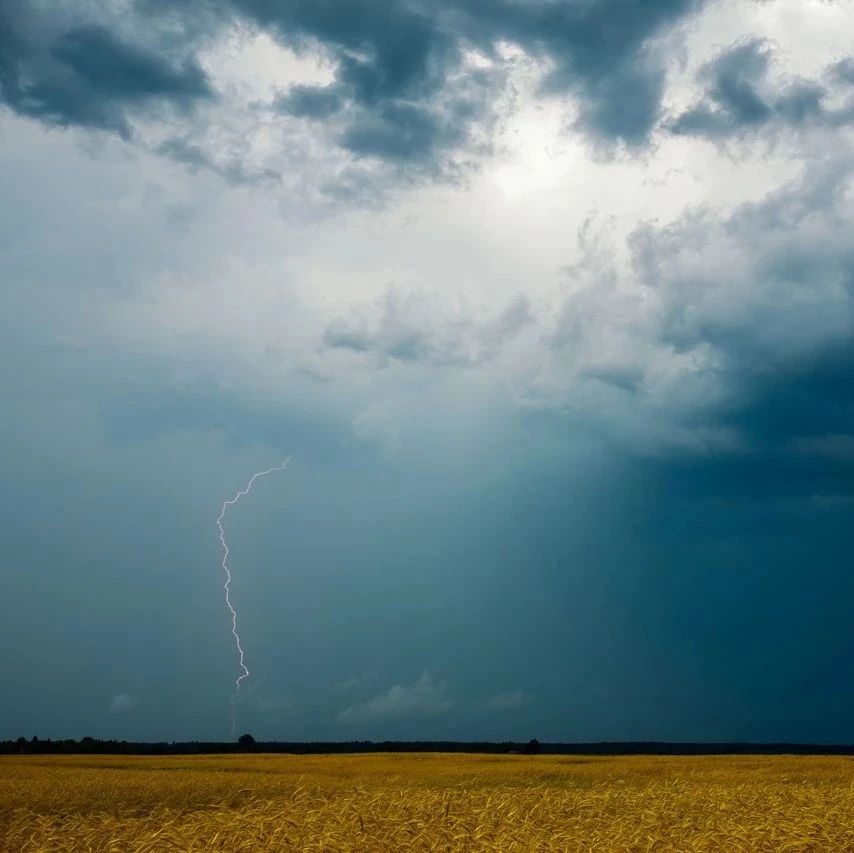
Core Viewpoint - The article discusses the increasing frequency and intensity of extreme weather events due to global warming, highlighting the challenges in accurately predicting extreme rainfall and the need for improved early warning systems [1][7]. Group 1: Extreme Weather Events - Recent extreme weather events include high temperatures in Wuhan and heavy rainfall in Beijing, prompting various weather warnings [1]. - The article emphasizes that global warming is leading to more frequent and severe extreme weather events, including heavy rainfall and heatwaves [7]. Group 2: Challenges in Weather Prediction - Accurate prediction of extreme rainfall remains difficult due to the inherent instability of the atmosphere and limitations in current observation systems and weather prediction models [2][3]. - A study on the 2021 Zhengzhou heavy rainfall revealed that even with advanced scientific methods, predicting the exact timing and location of extreme rainfall remains a challenge [2]. Group 3: Atmospheric Circulation and Its Impact - Atmospheric circulation significantly influences the distribution and intensity of precipitation, with specific patterns linked to extreme rainfall events in regions like Beijing [4]. - Historical data indicates that certain atmospheric circulation types have repeatedly led to extreme rainfall in the Beijing area [4]. Group 4: Broader Implications of Climate Change - Global warming is causing shifts in atmospheric circulation, leading to changes in precipitation patterns, such as the northward movement of the subtropical high-pressure system [7]. - The widening of the tropics and increased atmospheric instability due to global warming may result in more intense extreme weather events [7]. Group 5: Need for Improved Early Warning Systems - The article stresses the importance of a comprehensive early warning system that involves collaboration across various sectors, including government, research institutions, media, and the public [9][10]. - Effective communication and trust in warning systems are crucial, as false alarms can lead to public skepticism [10]. Group 6: Urban Planning and Adaptation - Current urban infrastructure often relies on historical data for rainfall predictions, which may not be sufficient under changing climate conditions [12]. - There is a need for cities to adapt their planning and infrastructure to account for increased rainfall intensity due to climate change, emphasizing the importance of both hardware and software solutions in urban management [12].
伊朗多地停水停电,总统警告:形势严峻
中国基金报· 2025-08-03 15:21
Group 1 - The core issue in Iran is a severe water crisis, leading to the closure of many public restrooms in Tehran, including those in subway stations [1] - Water resources and electricity shortages have become the primary concerns for the Iranian population, with some areas experiencing water outages lasting up to 48 hours [1] - The average water reservoir capacity in Iran is only about 44% of normal levels, with reservoirs supplying Tehran at just 20% of capacity, marking the lowest levels in a century [1] Group 2 - Iranian President Masoud Pezeshkian warned of a dire situation, stating that if water conservation measures are not implemented, the reservoirs supplying Tehran could run dry by October [1] - Since July, many regions in Iran have issued heat warnings, with frequent water and electricity outages reported [1] - Meteorological experts noted that the average temperature in Iran has been approximately 1.2 degrees Celsius higher than normal since the onset of summer, contributing to the water crisis [1] - The crisis is exacerbated by global climate change, leading to extreme heat events, alongside issues of over-extraction and poor management of groundwater resources [1]

伊朗多地停水停电,总统警告:形势严峻
第一财经· 2025-08-03 14:21
Core Viewpoint - Iran is facing a severe water crisis, particularly in Tehran, where many public restrooms have been forced to close due to water shortages. The situation has raised significant concerns among the population regarding water and electricity supply [3][4]. Group 1: Water Supply Situation - The average water reservoir capacity in Iran is only about 44% of normal levels, with reservoirs supplying Tehran at a mere 20% capacity. This is reported to be the lowest level in a century [4]. - Iranian President Masoud Pezeshkian has warned that if water conservation measures are not implemented, the reservoirs supplying Tehran could run dry by October [4]. Group 2: Climate and Environmental Factors - Since July, Iran has issued high-temperature warnings, leading to frequent water and electricity outages. The average temperature across Iran has been approximately 1.2 degrees Celsius higher than normal since the onset of summer [4]. - The country has been experiencing extreme heat due to global climate change, compounded by over-extraction of groundwater and poor management practices, resulting in a widespread water crisis [4].

伊朗面临高温缺水停电 首都大量公共卫生间被迫关闭
Xin Hua Wang· 2025-08-03 07:32
Core Viewpoint - Iran is facing a severe water crisis, leading to the closure of public restrooms in Tehran and raising concerns among the population regarding water and electricity shortages [1] Water Supply Situation - The average water reservoir capacity in Iran is only about 44% of normal levels, with reservoirs supplying Tehran at just 20% of capacity [1] - The water levels in reservoirs have reached the lowest point in a century, according to the Tehran Water Supply Company [1] Government Response - Iranian President Masoud Pezeshkian warned that the situation is critical, stating that if water conservation measures are not implemented, the reservoirs supplying Tehran could run dry by October [1] Climate and Environmental Factors - Since July, Iran has issued high-temperature warnings, with frequent water and electricity outages reported [1] - Meteorological experts noted that the average temperature in Iran has been approximately 1.2 degrees Celsius higher than normal since the onset of summer [1] - The country has been experiencing extreme heat due to global climate change, compounded by over-extraction of groundwater and poor management practices [1]
高温持续 伊朗超50个城市缺水停电
Yang Shi Xin Wen· 2025-08-02 22:45
Core Viewpoint - Iran is facing a severe water crisis exacerbated by extreme heat, with water supply interruptions lasting up to 48 hours in some areas, including Tehran [1] Group 1: Water Supply Situation - Water reservoir levels in Iran are currently at less than half of the normal capacity [1] - The water levels in Tehran's reservoirs have reached the lowest point in a century [1] Group 2: Climate and Weather Conditions - Since July, multiple regions in Iran have issued heat warnings, leading to frequent water and electricity outages [1] - The average temperature across Iran has been approximately 1.2 degrees Celsius higher than normal since the onset of summer [1] Group 3: Contributing Factors - The worsening water crisis in Iran is attributed to global climate change, resulting in more frequent extreme heat events [1] - Over-extraction of groundwater resources and poor management practices have further aggravated the water scarcity issue across the country [1]